Perfect Sous Vide Cod Recipe
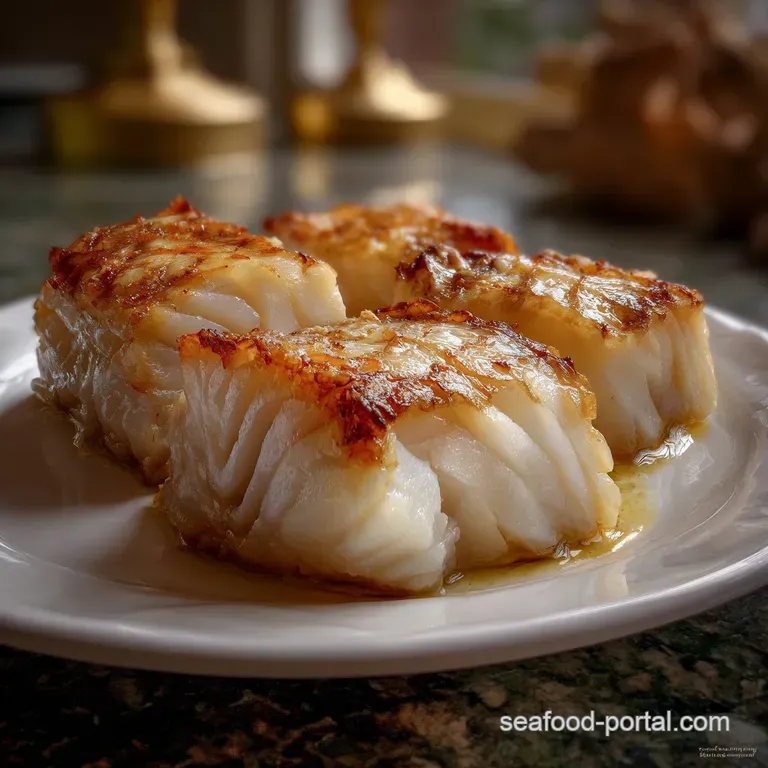
- Time: Active 10 minutes, Passive 30 minutes, Total 40 minutes
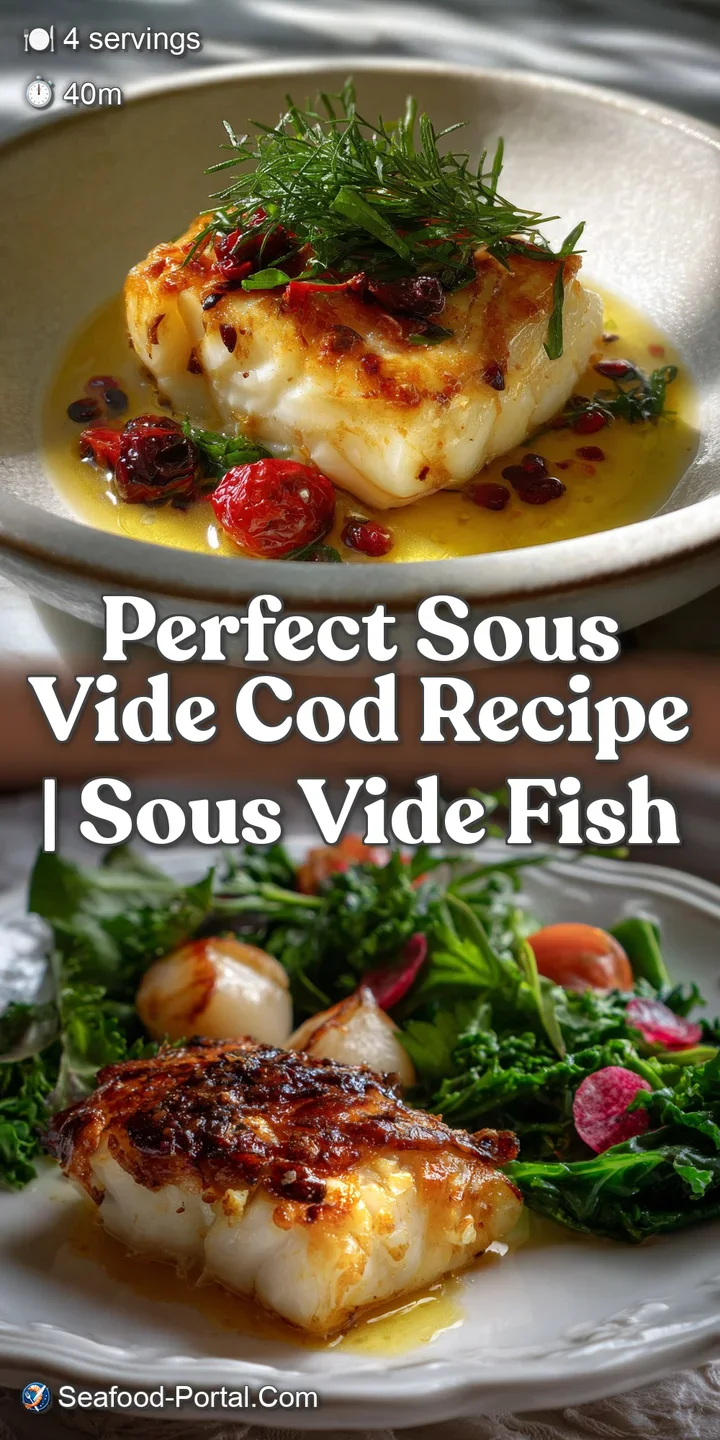
- Flavor/Texture Hook: Silky, buttery, and incredibly flaky
- Perfect for: Stress free dinner parties or healthy meal prep
- Why This Cooking Method Works
- Crucial Details for the Recipe
- Ingredients and Smart Budget Substitutions
- Essential Gear for Modern Cooks
- From Prep to Plating Steps
- Preventing Common Seafood Disasters
- Personalizing Your Flaky Fish
- Storing Leftovers and Zero Waste
- Ideal Pairings for This Fish
- Clarifying Myths About Fish
- Recipe FAQs
- 📝 Recipe Card
Have you ever pulled a piece of fish out of the oven only to realize it has the texture of a pencil eraser? We have all been there, hovering over a pan, praying we don't overcook the most expensive part of our dinner.
It's frustrating because cod is so delicate that the window between "raw" and "ruined" feels like it's about five seconds long.
That is exactly why I turned to this technique. It takes the guesswork out of the kitchen entirely. You set a temperature, walk away, and come back to fish that is consistently velvety. No more poking with thermometers every two minutes or worrying about the thick end being raw while the tail is burnt.
Today, we are making a version that's easy on the wallet but tastes like a high end bistro meal. We'll use simple pantry staples to create a fragrant, lemon infused oil bath. Trust me, once you see how those white flakes just slide apart, you won't want to cook white fish any other way.
Why This Cooking Method Works
- Precision Temperature: The water bath prevents the internal temperature from exceeding your target, stopping protein fibers from over contracting and squeezing out moisture.
- Enclosed Infusion: Sealing the fish with lemon and garlic forces the aromatics into the flesh rather than letting them evaporate into the air.
- Fat Poaching: Using olive oil inside the bag creates a "confit" effect, which adds a luxurious mouthfeel to the lean protein.
- Uniform Heating: Unlike a pan, the water surrounds the fish entirely, cooking the center and the edges at the exact same rate.
Crucial Details for the Recipe
| Component | Science Role | Pro Secret |
|---|---|---|
| Atlantic Cod | Structural Protein | Dry the surface with paper towels before bagging to prevent "steaming" in excess water. |
| Fine Sea Salt | Protein Denaturation | Salt the fish 10 minutes early to tighten the flesh and prevent it from falling apart. |
| Extra Virgin Olive Oil | Heat Transfer | Use a high-quality oil like Bertolli to act as a flavor bridge between the lemon and the fish. |
| Fresh Lemon | Acidic Brightness | Slice rounds thinly; the zest contains oils that survive the heat better than the juice alone. |
Ingredients and Smart Budget Substitutions
- 4 Fillets of Cod (170 grams each): The star of the show.
- Sub: Frozen Haddock or Pollock. Why this? These are often half the price but have a similar flaky texture.
- 1 tsp Fine Sea Salt: Essential for seasoning.
- Sub: Table salt. Why this? Just use 25% less as the grains are finer and denser.
- 1/2 tsp Cracked Black Pepper: For a subtle bite.
- Sub: White pepper. Why this? Keeps the fillets looking pristine and white without black specks.
- 2 tbsp Extra Virgin Olive Oil: Provides the poaching medium.
- Sub: Unsalted butter. Why this? Adds a richer, savory note but slightly masks the delicate fish flavor.
- 1 Organic Lemon: Sliced into thin rounds.
- Sub: Bottled lemon juice. Why this? Use 1 tbsp, though you will miss the aromatic oils from the peel.
- 4 Sprigs of Fresh Dill or Parsley: For herbal freshness.
- Sub: 1/2 tsp dried herbs. Why this? budget friendly and shelf stable, though the color won't be as vibrant.
- 2 Cloves of Garlic: Smashed to release oils.
- Sub: 1/4 tsp garlic powder. Why this? Distributes flavor evenly if you don't have fresh cloves on hand.
Essential Gear for Modern Cooks
To get the best out of this Perfect Sous Vide Cod Recipe, you really need a reliable immersion circulator. I personally use an Anova Precision Cooker, which clips onto the side of any large pot.
You will also need a vessel for the water; a 12 quart Rubbermaid container works great, but honestly, your biggest pasta pot will do the trick just fine.
For the sealing part, don't feel like you have to buy a fancy vacuum sealer right away. I’ve spent years using the "water displacement method" with standard heavy duty Ziploc bags. It works by slowly submerging the open bag in water to push the air out before sealing.
If you do want to sear the fish afterward, a Lodge Cast Iron Skillet is the way to go for that quick, over high heat sizzle without sticking.
From Prep to Plating Steps

Preparing the Water Bath
Fill your container with warm water and attach your immersion circulator. Set the temperature to 54.5°C (130°F) for a firm but flaky texture. Note: This temperature is the sweet spot for most white fish.
Seasoning the Fillets
Pat your 4 Fillets of Cod dry with paper towels. Sprinkle both sides evenly with 1 tsp Fine Sea Salt and 1/2 tsp Cracked Black Pepper. Note: Drying the fish ensures the seasoning sticks and the texture stays firm.
Vacuum Sealing for Success
Place the seasoned fish into a vacuum seal bag or a heavy duty freezer bag. Add 2 tbsp Extra Virgin Olive Oil, the lemon slices, 4 sprigs of fresh dill, and the 2 smashed cloves of garlic. Note: Try to keep the fillets in a single layer so they cook evenly.
Removing the Air
Seal the bag using a vacuum sealer or the water displacement method. If using a Ziploc, leave a small corner open, submerge the bag until the water reaches the zip, then seal it shut. Note: Removing air prevents the bag from floating.
Monitoring the Water Bath
Once the water reaches 54.5°C, drop the bag in. Ensure the fish is fully submerged. Let it cook for 30 minutes. Note: You can leave it for up to 45 minutes, but longer than that and the fish may become too soft.
Checking for Doneness
The fish is done when it looks opaque and the flakes begin to separate slightly within the bag. You will see a small amount of liquid (albumen) released, which is perfectly normal.
Removing and Drying
Carefully take the bag out of the water. Open it and use a wide spatula to gently lift the cod out. Place it on a plate lined with paper towels to drain any excess oil or moisture.
Searing the Fish Quickly
This step is optional but adds a great look. Heat a Lodge skillet over high heat with a tiny bit of oil. Sear the fish for only 30 seconds per side until just slightly golden. Note: Don't go longer or you'll overcook the interior you worked so hard to protect.
Final Plating
Serve immediately with the lemon slices from the bag as a garnish. Pour any remaining juices from the bag over the fish if you want an extra hit of garlic and lemon.
Preventing Common Seafood Disasters
Why Your Fish Mushy
If the cod feels like mashed potatoes, you likely cooked it too long or at too high a temperature. Unlike steak, fish has very little connective tissue. If you leave it in the bath for 2 hours, the proteins completely break down.
Always set a timer for 30 minutes and pull it out promptly.
Handle Those Delicate Flakes
Cod is notoriously fragile. If you try to grab it with tongs, it will shatter. Always use a "fish spatula" or a very wide, thin turner. Slide it all the way under the fillet before lifting. If it does break, don't worry it still tastes fantastic, just call it "rustic."
Quick Fix Troubleshooting
| Problem | Cause | Fix |
|---|---|---|
| Bag is floating | Trapped air inside | Weigh it down with a heavy spoon or re seal using more water pressure. |
| Fish is too salty | Fine salt vs Kosher | If it's too salty, serve it with an unseasoned starch like plain rice to balance the bite. |
| White gunk on fish | Protein (Albumen) leak | This is harmless protein. Gently wipe it off with a paper towel before serving for a cleaner look. |
Personalizing Your Flaky Fish
If you want to move away from the classic lemon dill combo, there are plenty of ways to shake things up without spending a fortune. I once made a mistake of adding way too much chili, so be careful with the heat!
- Mediterranean Twist: Swap the dill for fresh oregano and add a few halved cherry tomatoes and pitted kalamata olives to the bag. It creates a built in sauce while it cooks.
- Swap Dill for Ginger: For an Asian inspired version, replace the lemon and dill with thin matchsticks of fresh ginger and a splash of soy sauce. It pairs beautifully with steamed bok choy.
- Make it dairy-free: This recipe is already naturally dairy-free by using olive oil, but if you want that "buttery" taste without the milk, try using a butter flavored coconut oil. It’s a great budget friendly way to get that rich flavor.
If you are looking for a completely different texture, you might want to see how to bake breaded fish perfectly for a crunchier alternative to this silky version.
Storing Leftovers and Zero Waste
Storage: You can keep cooked cod in the fridge for up to 2 days. Put it in an airtight container with a little bit of the poaching oil to keep it from drying out. I don't recommend freezing it after it's been cooked sous vide, as the texture becomes quite spongy upon thawing.
Zero Waste: Don't throw away those lemon slices or the garlic from the bag! You can chop them up and toss them with some hot pasta and a little parmesan for a "cheater's" scampi the next day. Also, if you have any leftover fish, it makes the world's best fish tacos.
Just flake it cold, add some lime juice, and you're good to go.
Ideal Pairings for This Fish
This cod is quite delicate, so you want sides that won't overpower it. A simple bed of fluffy quinoa or mashed potatoes is great for soaking up the lemon garlic oil. If you want something a bit more punchy, a spicy Cajun remoulade recipe works wonders as a dipping sauce on the side.
For a fast weeknight meal, I often just roast some asparagus in the oven while the fish is in the water bath. Since the sous vide takes 30 minutes, you have exactly enough time to prep and cook a side of greens.
| Feature | Fast Method (Pan Fry) | Classic Method (Sous Vide) |
|---|---|---|
| Texture | Crispy exterior, risky middle | Velvety and uniform throughout |
| Effort | High (must watch constantly) | Low (set and walk away) |
| Reliability | Variable | 100% consistent every time |
Clarifying Myths About Fish
Myth: You must use a vacuum sealer for sous vide. Truth: The water displacement method with a standard freezer bag is just as effective for short cook times like this. It actually prevents the delicate fish from being "crushed" by the vacuum pressure.
Myth: Cooking fish in plastic is dangerous. Truth: As long as you use "BPA free" and "food grade" bags (like Ziploc heavy duty) at these low temperatures, they are perfectly safe. The plastic doesn't even come close to its melting point.
Myth: Sous vide fish is just "boiled in a bag." Truth: Boiling happens at 100°C. We are cooking at nearly half 그 temperature. This is actually a controlled poach, which preserves the nutrients and fats that boiling would destroy.
Decision Shortcut
- If you want a firmer texture, cook at 56°C for 30 minutes.
- If you want a buttery, translucent texture, cook at 50°C for 40 minutes.
- If you are in a rush, 45 minutes is your absolute maximum time limit before the texture suffers.
Right then, let's get that water bath started. Once you taste how the salt and lemon have penetrated every single flake of the fish, you'll see why the Perfect Sous Vide Cod Recipe is a staple in my kitchen.
It’s simple, cheap, and honestly, it makes me feel like a professional chef every time I plate it up. Trust me on this the texture is a game changer. Let's crack on!
Recipe FAQs
how to sous vide cod?
Season, bag, and set the temperature. Place seasoned cod fillets into a food safe bag with olive oil, lemon slices, and herbs. Submerge the sealed bag into a preheated water bath set usually between 50°C and 55°C (122°F 131°F) for precise cooking.
how long to sous vide cod?
30 minutes is the standard cook time. For typical 1 inch thick fillets, 30 minutes at 54.5°C (130°F) yields a perfectly flaky texture. You can safely extend this to 45 minutes, but going much longer risks over tenderizing the delicate proteins.
What is the best temperature for cod sous vide?
54.5°C (130°F) is the ideal target. This temperature is a great middle ground, resulting in firm yet incredibly moist and buttery fish that flakes easily. If you enjoyed mastering the sensory doneness cues here, apply that precision to our How to Grill Blue Fish Perfectly: Smoky Citrus Flake for consistent results across different methods.
Can I cook frozen cod in the sous vide bath?
Yes, but you must increase the cook time. If starting from frozen, add an extra 15 to 20 minutes to the total cooking time to ensure the center reaches temperature. Do not attempt to thaw it first in the water bath, as this compromises food safety.
Do I need to sear the cod after sous vide?
No, searing is entirely optional for taste and texture. Sous vide cooks the fish perfectly through; the sear is only added for aesthetic appeal and a contrasting exterior texture. If you prefer zero added fat, skip the sear, but if you love crunch, a quick 30-second sear works well, similar to achieving that crisp exterior in How to Make Fried Cod Fillets: The Crispy Secret.
Why is my cod releasing white, cloudy liquid in the bag?
That white substance is harmless albumen, or coagulated protein. It is a normal byproduct of heating fish proteins and indicates the fish is cooking. Simply wipe it off with a paper towel before serving for a cleaner presentation.
Can I use herbs other than dill or parsley?
Absolutely, flavor infusion is flexible in sous vide. For a richer flavor profile, try substituting the herbs with 1 tablespoon of sun-dried tomatoes or a half teaspoon of rosemary. If you find yourself enjoying the simplicity of building flavor in a liquid base, you might appreciate the technique we use for balancing flavors in our Best Garlic Butter Sauce for Pizza: 10 Minute Recipe.
Perfect Sous Vide Cod
Ingredients:
Instructions:
Nutrition Facts:
| Calories | 208 calories |
|---|---|
| Protein | 31 g |
| Fat | 8.5 g |
| Carbs | 1.5 g |
| Fiber | 0.4 g |
| Sugar | 0.2 g |
| Sodium | 595 mg |
