Perfect Sea Bass Sous Vide Every Time: Miso

- Perfect Sea Bass Sous Vide Every Time: The Miso Butter Secret
- Achieving Perfect Sea Bass Sous Vide Every Time: An Overview
- The Science Behind Flaky Perfection
- Essential Ingredients and Flavor Customization
- Sous Vide Sea Bass: Step-by-Step Instructions
- Pro Tips and Common Mistakes to Avoid
- Storage, Freezing, and Reheating Sous Vide Fish
- Elegant Side Dishes and Serving Suggestions
- Nutrition Information
- Recipe FAQs
- 📝 Recipe Card
Perfect Sea Bass Sous Vide Every Time: The Miso Butter Secret
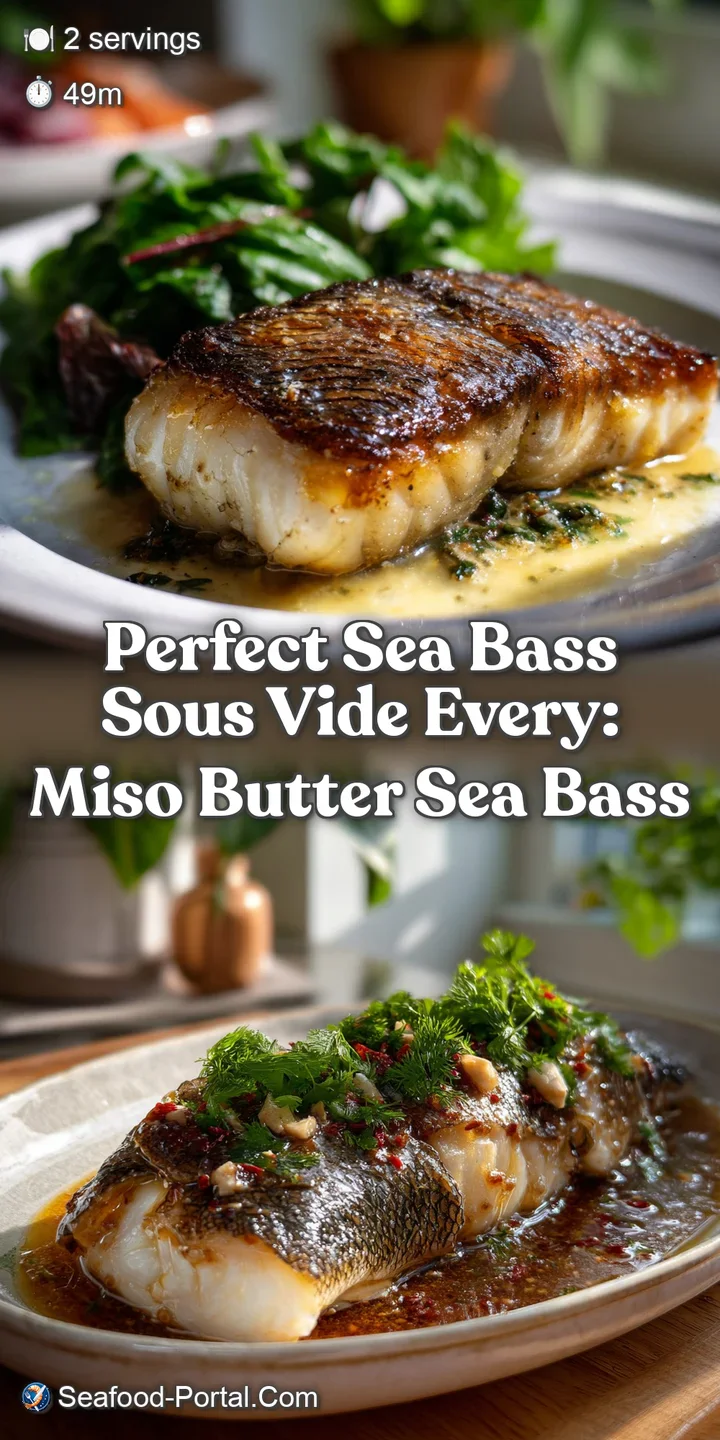
Let’s be honest: Chilean Sea Bass is expensive. When you drop that kind of money, you can't afford a rubbery disaster. You want that magnificent, velvety fillet that breaks apart when you simply look at it. You want the skin to shatter like glass when your knife taps it.
This is the promise of Perfect Sea Bass Sous Vide Every time.
I used to dread cooking this fish, often ending up with dry, flaky edges and a raw middle. But then I started playing with the sous vide immersion circulator. And now? I can guarantee Perfect Sea Bass Sous Vide Every Time . The machine does 99% of the work, locking in the fat and flavor.
Our little twist here is a quick miso butter rub that caramelizes into a savory, umami crust in the final 90 seconds, making this the Perfect Sea Bass Sous Vide Every instance special.
This method requires just 4 minutes of prep and about 45 minutes of passive cooking time. If you follow this guide especially the searing step you will be serving restaurant quality seafood that proves why Perfect Sea Bass Sous Vide Every Time is the only way to go.
Achieving Perfect Sea Bass Sous Vide Every is simpler than you think.
Achieving Perfect Sea Bass Sous Vide Every Time: An Overview
The Science Behind Flaky Perfection
Why Sous Vide is the Ultimate Method for Delicate Fish
The beauty of the sous vide method is temperature control. Fish, especially delicate, high fat fish like Sea Bass, has a very narrow window between perfectly cooked and tragically dry. The protein fibers (collagen) in the fish constrict rapidly at higher temperatures, squeezing out moisture.
This gentle control is why we seek Perfect Sea Bass Sous Vide Every instance.
By setting the water bath precisely to 130°F (54°C), we are ensuring that the fish cannot physically exceed that temperature. This gentle, slow heat breaks down the fat while keeping the moisture locked inside the fillet’s structure, resulting in that unbelievably flaky texture where the layers just peel away.
This consistency is how you ensure Perfect Sea Bass Sous Vide Every Time delivers flawless results.
Optimal Temperature Range for Flake and Texture
For Chilean Sea Bass, you have options depending on your preference:
- 125°F (52° C): Translucent, very moist, slightly rare/sashimi texture.
- 130°F (54° C): The sweet spot. Moist, firm, opaque, beautifully flaky. This is what we are aiming for in this Perfect Sea Bass Sous Vide Every Time recipe.
- 135°F (57° C): Standard firm texture, but you risk slightly drier edges. Mastering this temperature is key to Perfect Sea Bass Sous Vide Every .
Preventing Albumen Squeeze Out (White Gunk)
That gross white protein (albumen) that sometimes appears on cooked fish is caused by proteins denaturing too quickly. The lower and slower the cook, the less albumen escapes. The vacuum seal helps, but the precise 130°F heat is the real secret.
If you want to nearly eliminate it, you can lightly salt the fish 15 minutes before bagging it, then rinse and pat dry. This attention to detail ensures Perfect Sea Bass Sous Vide Every is pristine.
Essential Ingredients and Flavor Customization
This recipe focuses on creating a gorgeous Miso Butter glaze that becomes the crispy crust. You need minimal ingredients for maximum flavor payoff for your Perfect Sea Bass Sous Vide Every dish.
| Original Ingredient | Best Substitute | Why It Works (Honest Trade Off Disclosure) |
|---|---|---|
| Chilean Sea Bass (2 (8 oz) fillets) | Halibut, Black Cod, or Grouper | These are similarly high fat, thick white fish. Note: Black Cod (Sablefish) is extremely fatty and may require a slightly lower temperature (128°F) for best results. |
| White Miso Paste | Red Miso or Tamari/Soy Sauce | Red Miso is saltier and earthier use half the amount if substituting. Tamari/Soy works for salt/umami but won't provide the thickness needed for the sear crust. |
| Unsalted Butter | Ghee or high-quality Olive Oil | Ghee has a higher smoke point, which is excellent for the final sear. Olive oil works for the sauce base but may smoke more aggressively during searing. |
| Fresh Garlic/Ginger | Dried Powder (1/4 tsp each) | Provides aromatic depth. Note: Fresh ingredients must be used minimally in the bag; excessive raw ingredients can ferment slightly during the long cook time. |
| Mirin (Japanese Sweet Wine) | Dry Sherry or White Wine | Adds complexity and sweetness to balance the salty miso. Note: Dry Sherry is much less sweet than Mirin, so you may need a small pinch of sugar. |
Salt and Cure: Achieving "Perfect Sea Bass Sous Vide" Flavor
Salt is crucial, but don't overdo it, especially if using Miso Butter. Miso is already highly salted. A simple sprinkle of fine sea salt and black pepper before bagging is all you need. The miso provides the rest.
Following this guidance guarantees your Perfect Sea Bass Sous Vide Every meal is perfectly balanced.
Sous Vide Sea Bass: step-by-step Instructions

This method ensures you get that elusive, shatteringly crisp skin, proving why this is the Perfect Sea Bass Sous Vide Every Time .
1. The Prep ( 4 minutes)
- Set the Bath: Fill your container and set your immersion circulator to 130°F (54°C). Allow it to preheat fully.
- Make the Miso Butter: In a small bowl, combine 3 tablespoons unsalted butter, 4 tablespoons white miso paste (Shiro Miso), 1 tablespoon low sodium soy sauce or tamari, 1 teaspoon Mirin, and a 1/2 teaspoon of minced garlic. Mix until creamy and smooth.
- Season and Bag: Pat the sea bass fillets thoroughly dry. Season very lightly with 1/2 teaspoon kosher salt and 1/4 teaspoon black pepper (remember the miso is salty!). Gently spread a thin layer of the miso butter on one side of each fillet the side you plan to sear (usually the skin side, or the top if the skin is removed). Place the fillets in the sous vide bags (or heavy duty Ziploc bags, using the water displacement method).
- Add Aromatics (Optional): Drop one small slice of lemon and a sprig of thyme or rosemary into the bag next to the fillet. Seal, ensuring almost all air is removed.
2. The Precision Cooking Phase ( 45 minutes)
- Immerse: Once the water is at temperature, gently drop the bags into the bath. Ensure the fillets are fully submerged and laying flat.
- Cook: Let the sea bass cook undisturbed for 45 minutes. This timeframe is ideal for fillets 1.5 to 2 inches thick. If your fillets are thinner (around 1 inch), you can reduce the time to 30 minutes. This passive time is the magic that makes Perfect Sea Bass Sous Vide Every possible.
3. Achieving the Flawless Crispy Skin Crust
This is where restaurant quality happens. Do not skip or rush this step! Achieving the sear ensures your Perfect Sea Bass Sous Vide Every attempt is restaurant worthy.
- Pat and Dry: Immediately remove the fillets from the bag. Pat them aggressively dry with paper towels. Any moisture remaining will steam instead of searing, preventing that glorious crunch. Scrape off any excess liquid miso butter remaining on the surface; we want just the caramelized layer on the fish now.
- Heat the Pan: Heat 1 tablespoon high heat neutral oil (such as avocado or grapeseed) in a heavy cast iron or stainless steel skillet until it is screaming hot you should see wisps of smoke and hear the oil shimmer.
- The Sizzle: Place the sea bass, miso butter side down, into the hot pan. Press gently with a spatula for the first 10 seconds to ensure even contact. You should hear an immediate, aggressive sizzle . This is crucial for achieving Perfect Sea Bass Sous Vide Every Time success.
- The 90 Second Rule: Sear for 90 seconds, maybe 2 minutes max. The fish is already perfectly cooked; we are only crisping the exterior. Flip the fish briefly (15 20 seconds) to kiss the other side with heat.
- Serve: Remove immediately and serve over a delicate accompaniment. This fish pairs beautifully with light sauces. For another delicate yet rich pairing, check out my recipe for Perfect Lobster Chowder: Velvety New England Classic .
Pro Tips and Common Mistakes to Avoid
| Common Mistake | Root Cause | The Fix |
|---|---|---|
| Rubbery Texture | Over searing or setting the initial temperature too high. | Never exceed 130°F (54°C) for the sous vide bath. Limit the sear to 90 seconds max the interior is already done! |
| Skin is Soggy | Not drying the fish thoroughly after the bath. | Use multiple layers of paper towels to pat the fish until it feels completely dry. Residual moisture guarantees steam. |
| Bag Floats | Too much air left in the bag, especially in the corners. | Use the water displacement method (submerge the open bag almost completely before sealing) or invest in a vacuum sealer for the best compression. |
| Miso Glaze Burns | Pan was not hot enough, causing the glaze to cook slowly and scorch. | Use a high smoke point oil and wait for the oil to shimmer right before you drop the fish. The sear must be fast and furious. |
The Danger of Over Searing (The 90 Second Rule)
We used precision cooking for 45 minutes to get the core temperature right. If you sear for longer than two minutes, you will drastically raise the temperature of the outer layer, turning your velvet fish dry. Remember, you are only crisping the outside; the internal texture is done.
This small step ensures your Perfect Sea Bass Sous Vide Every result remains flawless.
Storage, Freezing, and Reheating Sous Vide Fish
One of the great advantages of using Perfect Sea Bass Sous Vide Every Time is that the pasteurization process makes storage safer and longer than traditional cooking.
Safely Storing Cooked Sous Vide Sea Bass
If you plan to store the fish for later, after the 45 minute cook, plunge the sealed bag immediately into an ice bath for 15 minutes. This halts the cooking process and quickly drops the temperature below the food danger zone.
You can store the cooled, sealed fish in the fridge for up to 4 days before searing and eating.
Freezing Raw Sea Bass (Vacuum Seal Method)
If you bought your fillets fresh and need to freeze them, vacuum sealing is mandatory to prevent freezer burn. Raw, sealed sea bass can last 4 6 months in the freezer. When you’re ready to cook, drop the frozen, sealed fish directly into the 130°F bath and increase the cooking time by 30 minutes ( 75 minutes total) to account for the frozen core.
The Best Way to Reheat Leftovers
If you have already seared the fish, reheating it in a microwave or oven will destroy the texture. The best method is to reheat gently in a non-stick pan over very low heat until warmed through (about 5 minutes).
Alternatively, you can drop the leftovers back into a 120°F water bath for 15 minutes. This gentle warming protects the integrity achieved by the initial Perfect Sea Bass Sous Vide Every process.
Elegant Side Dishes and Serving Suggestions
This rich Miso Butter Sea Bass deserves accompaniments that are bright and light.
Complementary Sauces (Beurre Blanc vs. Lemon Herb)
Since the miso butter provides plenty of umami and richness, stick to acidic or fresh sauces. A simple drizzle of lemon herb compound butter (parsley, chives, lemon zest) melted over the top is perfect. Avoid heavy cream based sauces, which compete too much with the miso.
Pairing with Starches and Vegetables
Asparagus, sautéed spinach, or tenderstem broccoli are classic pairings. If you’re craving a starch, stick to a light, fluffy jasmine rice or a simple mashed parsnip. For quick weeknight meals, this recipe goes perfectly with my guide on 12 Grilled Mahi Mahi Recipes That: 10 Minute Prep Perfection , giving you two stunning options for fast fish preparation.
The result of this method is a Perfect Sea Bass Sous Vide Every Time —flaky, rich, and utterly luxurious, proving that precision cooking is truly the secret to incredible seafood. Enjoy your Perfect Sea Bass Sous Vide Every single time!
Nutrition Information
| Nutrient | Amount |
|---|---|
| Calories | 722 kcal |
| Protein | 59.1 g |
| Fat | 48.2 g |
| Carbs | 9.4 g |
Recipe FAQs
Why is Sous Vide necessary for Chilean Sea Bass?
Yes, it is crucial for achieving that specific texture, as the precise temperature control prevents the delicate fish proteins from seizing up and becoming rubbery. The sous vide method ensures the entire fillet cooks evenly to a velvety state, which is difficult to replicate with traditional oven or pan methods.
What is the ideal final temperature for perfectly cooked Sea Bass?
The ideal temperature range is between 125°F and 130°F (52°C to 54°C) for a moist, luxurious texture. Staying at this lower end ensures the fish remains flaky and breaks apart easily, avoiding the dryness that occurs if the temperature creeps above 140°F.
Can I skip the final sear after sous vide?
No, skipping the final sear will result in pale, unappetizing skin that lacks texture, even though the inside is cooked perfectly. The quick, high heat sear is necessary to render the remaining fat and create that signature, glass like shattering crust mentioned in the guide.
How long can I hold the Sea Bass in the sous vide bath?
You can safely hold the fish in the water bath for up to one hour after it reaches the target temperature without significant degradation of quality. Beyond this, the texture may begin to soften excessively, so it is best to remove it and proceed directly to the chilling or searing step, unlike robust shellfish like those found in our Seared Grilled Scallops - Golden Crust Lemon Herb Butter recipe.
What flavor substitutes can I use instead of the Miso Butter?
You can certainly substitute the miso with a compound butter using other strong umami agents, such as black garlic paste or a concentrated truffle butter, to maintain depth. This approach works well because the vacuum seal forces the fat into the flesh, similar to how we infuse flavor in many seafood preparations.
Can I prepare the Miso Butter mixture ahead of time?
Yes, the Miso Butter mixture can be prepared up to five days in advance and stored tightly wrapped in the refrigerator. Simply allow the butter to soften slightly at room temperature for about 15 minutes before portioning it into the bags with the fish for optimal flavor distribution.
If I accidentally overcook the Sea Bass, is there any way to salvage it?
No, unfortunately, once Sea Bass proteins become dry and flaky due to overcooking, there is no reversal method to bring back the velvety moisture, especially from a high heat exposure. For future reference, if you are looking for methods that handle high heat well, reviewing tips for preparing crab cakes, such as those in the Old Bay Crab Cake Recipe: Baltimore Style Jumbo Lump Perfection, might be beneficial.
Perfect Sea Bass Sous Vide Every

Ingredients:
Instructions:
Nutrition Facts:
| Calories | 722 kcal |
|---|---|
| Protein | 59.1 g |
| Fat | 48.2 g |
| Carbs | 9.4 g |
