Grilled Fish Steaks: the Ultimate Recipe for Moist, Flaky Results

- Mastering the Flame: How to Grill Fish That Never Sticks
- Essential Prep: Ingredients for the Lemon-Herb Grilled Steaks
- The Flawless Finish: Understanding the Technique Behind This Grilled Fish Recipe
- Step-by-Step Guide: Perfectly Grilled Fish Steaks Every Time
- Troubleshooting Your Grill: Expert Tips for Handling Delicate Steaks
- Practical Kitchen Management: Storing and Reheating Grilled Fish
- Pairing Perfection: What to Serve Alongside Your Grilled Halibut
- Recipe FAQs
- 📝 Recipe Card
Mastering the Flame: How to Grill Fish That Never Sticks
The Science of Sear: Why Halibut and Swordfish Excel on the Grill
The smell of smoky, sizzling fish hitting those hot grates is one of the true pleasures of summer. You want that sound, that beautiful crust, and the interior to remain ridiculously moist and flaky. When you nail it, grilled fish is the absolute best way to celebrate fresh seafood.
Forget frying when the weather is this good. This technique for grilling thick fish steaks is fast, requires minimal cleanup, and instantly feels like a special occasion meal. It uses simple ingredients you probably already have, making it a total weeknight lifesaver.
We are going to tackle the two biggest nightmares of grilling fish sticking to the grates and drying out by focusing on specific heat management and proper prep. Let’s crack on and guarantee you a perfect result every single time.
Why This Recipe Works
This recipe is built on the oil and heat double act. We are prepping the grill grates and the fish with generous oil, creating two non-stick barriers before the fish ever touches the metal. The high heat seals the exterior almost instantly, preventing the delicious juices from escaping.
Trust me on this: We keep the marinade time short. Lemon juice is an acid; if you leave delicate fish swimming in it for hours, you’ll end up with tough, "cooked" ceviche edges, which is not what we want here. We want vibrant flavor, not texture destruction.
Introducing Our Vibrant Lemon Herb Marinade Base
This marinade acts mostly as a flavor sealant and a baste. It’s light, bright, and perfectly balances the natural richness of sturdier fish steaks. The fresh thyme and rosemary give it a gorgeous Mediterranean aroma that blooms beautifully over the heat.
From Fillet to Fabulous: Setting Expectations for Restaurant Quality Results
Stop settling for fish that looks like a war zone after you try to flip it. Following this precise process guarantees those envy inducing, sharp grill marks and an interior that simply melts in your mouth. Getting restaurant quality at home really just comes down to confidence and temperature control.
Essential Prep: Ingredients for the Lemon Herb Grilled Steaks
Selecting Your Steaks: Halibut vs. Swordfish and Thickness Requirements
I always gravitate toward thick, sturdy fish steaks for grilling, primarily Halibut or Swordfish. Why? They hold up to the high heat and manipulation of the grill, making them much less likely to fall apart when flipped. Aim for steaks that are a minimum of 1 inch thick.
Thinner fillets are much better suited for methods like wrapping them in foil or baking them, honestly.
Building the Brisk Flavor: Olive Oil, Zest, and Fresh Herbs
This ingredient list is simple because we want the beautiful flavor of the fresh fish to shine through the smoke and herbs. Remember, fresh herbs are always superior for grilling, as their oils are released by the heat.
| Ingredient | Why It's There | Substitution You Can Use |
|---|---|---|
| Halibut/Swordfish | Sturdy fish structure | Thick cut Tuna Steaks, Mahi Mahi, or even large Salmon Steaks. |
| Extra Virgin Olive Oil | Flavor base, moisture retention | Avocado or Grapeseed Oil (If you hate EVOO flavor). |
| Fresh Lemon Juice/Zest | Acidity, brightness | Fresh Lime Juice and Zest for a sharper, tropical twist. |
| Thyme & Rosemary | Earthy, complex aroma | Fresh Dill and Oregano for a lighter, more classic pairing. |
Adapting the Recipe: Choosing Alternative Thick Fish Steaks
If Halibut is too pricey, don't worry! Thick cut Ahi Tuna steaks are fantastic, especially since you can safely serve them rare in the middle. Salmon steaks are also a great choice, though they have a higher fat content, which can sometimes cause a flare-up. Just watch the heat when grilling fattier fish.
The Flawless Finish: Understanding the Technique Behind This Grilled Fish Recipe
You only need two things to conquer this recipe: a hot grill and a good spatula. Forget about fancy gadgets; simplicity wins here. The technique focuses entirely on achieving maximum heat transfer for that sear.
step-by-step Guide: Perfectly Grilled Fish Steaks Every Time
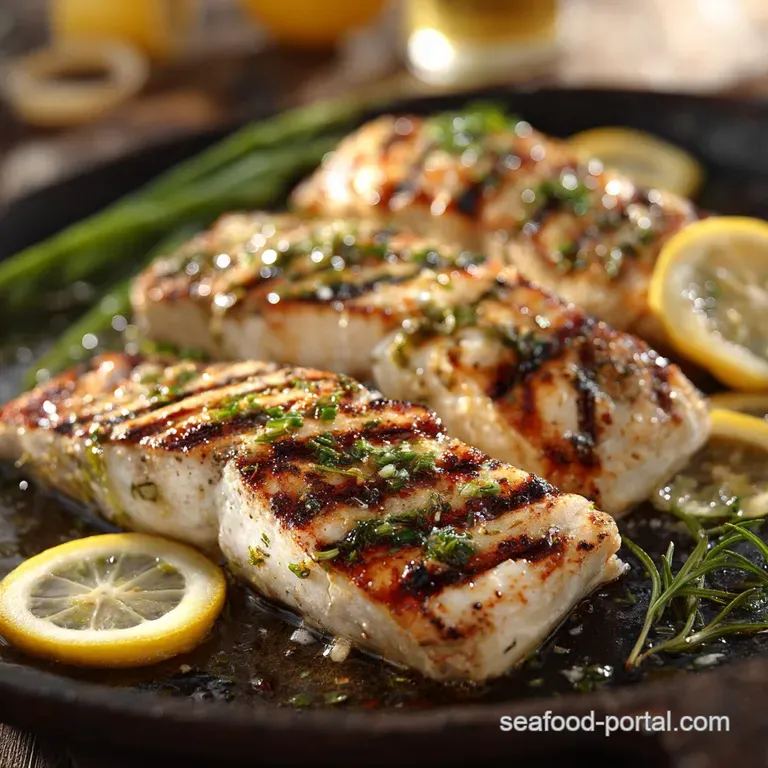
The Dual Action of Lemon and Herbs: Marinating Without Curing
- Whisk the Marinade: Combine your olive oil, minced garlic, lemon juice, lemon zest, thyme, rosemary, and the optional red pepper flakes in a small bowl.
- Prep the Fish: Pat those steaks bone dry with paper towels this is non-negotiable! Season both sides with salt and pepper.
- Marinate Quick: Gently rub the marinade over the fish. Let it sit at room temperature for exactly 30 minutes. I once left delicate Cod in a lemon marinade for an hour and the edges were like rubber; don't go past 45 minutes!
High Heat, Short Time: Maximizing the Maillard Reaction
Heat is our friend here. We want the grill running at about 500°F. This extreme temperature is what enables the Maillard reaction (that beautiful, flavor building browning) to happen quickly before the interior moisture evaporates.
Prepping the Fish and the Grill: The Oil and Heat Protocol
- Scrub and Preheat: Preheat your grill to high. Scrub the grates until they are pristine. Clean grates are naturally less sticky.
- Oil the Grates: Using long handled tongs, grab a tightly folded paper towel dipped in neutral oil (like grapeseed). Carefully and repeatedly rub the hot grates until they look slick and glossy.
- Oil the Fish: Right before you place the steaks down, brush the fish again with a thin coat of oil. This forms the final, critical non-stick layer.
Chef's Note: Remember, high heat and oiling the grill works because metal, when hot, expands. Oiling a cold grill just causes the oil to burn off before it can do its job.
The Critical Moment: Checking for Release and Executing the Turn
- Initial Placement: Lay the fish steaks onto the hottest part of the grill. Do not move them. Close the lid if you can. Cook undisturbed for 4– 5 minutes.
- The Release Check: How do you know when it’s ready to flip? The fish will tell you! If the steak is properly seared, it will release easily from the grate when you gently nudge it with your spatula. If it sticks, give it another 30 60 seconds.
- The Flip and Finish: Using a thin, flexible metal fish spatula (seriously, buy one), slide it entirely under the fish and flip quickly. Cook for another 3– 5 minutes.
- Check Temp: The second it hits 140°F internally, pull it off immediately.
Troubleshooting Your Grill: Expert Tips for Handling Delicate Steaks
Myth Busting: Why Your Fish Steaks are Sticking to the Grate
The number one reason your fish sticks is impatience, usually coupled with a cold or dirty grill. People tend to put the fish down before the grill is hot enough, or they try to flip it before the crust has properly formed.
Fix: Clean your grill thoroughly, crank the heat, and let the fish cook for the full 4 minutes before even considering moving it. The sear is your friend.
Avoiding the Dry Out: Using a Thermometer for Precision
The line between perfectly moist grilled fish and sad, dry fish is incredibly thin. Overcooked fish is dense and chewy. Fix: Buy an instant read thermometer. Pull the fish off the heat when it hits 140°F (60°C).
It will carry over cook while resting, landing perfectly at the food safe 145°F.
Enhancing the Steaks: Adding Compound Butter Post Grill
If you want to feel truly fancy, while the fish is resting, drop a small pat of compound butter right on top. A lemon dill or garlic chive butter melts beautifully into the hot flakes, giving a velvety finish and extra moisture.
Practical Kitchen Management: Storing and Reheating Grilled Fish
Best Practices for Refrigerating Leftovers
Grilled fish is best eaten fresh, naturally. However, if you have leftovers, they keep well in an airtight container in the fridge for up to 3 days. I don't recommend freezing grilled fish. It changes the flaky texture too much, and honestly, you might as well just make a batch of Cod Cakes: The Best Crispy Fish Cake Recipe with Flaky Cod instead if you want a freezeable meal!
Refreshing Pairings: Bright and Crunchy Mediterranean Salads
Never microwave leftover fish it turns tough and smells terrible. The best way to reheat it is gently in a 300°F oven or a low-temp air fryer for about 5– 7 minutes until warmed through. Alternatively, flake the cold leftovers over a big salad; it’s wonderful cold.
Pairing Perfection: What to Serve Alongside Your Grilled Halibut
Refreshing Pairings: Bright and Crunchy Mediterranean Salads
Since the main dish is so vibrant and lemon forward, we need sides that offer crunch and lightness. I love serving this with a simple, chilled cucumber and dill salad, or maybe something with a little spice. If you want a fun, hearty side, you absolutely must try my recipe for a smoky, creamy BBQ Seafood Sides: Smoky Grilled Corn Chorizo Slaw .
Roasted New Potatoes with Herb Dressing
A classic side is tiny roasted new potatoes tossed in melted butter, chives, and parsley. It's hearty enough without being overwhelming. If you want something crispy and spicy, you could always flake the fish and turn it into a fantastic topping for my Crispy Air Fryer Fish Tacos: Ultimate Baja Style with Zesty Slaw instead of using the traditional fried fish!
Recipe FAQs
How can I prevent the fish from sticking to the grill grates?
The key to preventing sticking is triple preparation: ensure the grill grates are immaculately clean, preheat the grill to a high temperature, and apply a high smoke point oil (like avocado or grapeseed) directly to the fish itself.
Once placed, do not move the fish for at least 3-4 minutes until a beautiful, stable crust has naturally formed and released it.
My grilled fish often comes out dry. What is the optimal internal temperature for doneness?
Fish should be cooked until it reaches an internal temperature of 145°F (63°C) as measured in the thickest part of the steak. To ensure maximum moisture, remove the fish from the heat when it hits about 140°F, as residual heat (carryover cooking) will finish the cooking process perfectly while resting.
Always use a reliable digital thermometer for accuracy.
Can I substitute thinner fillets, like Cod or Tilapia, for Halibut or Swordfish?
While you can use thinner fish, note that they require significantly shorter grilling times, usually 3 to 5 minutes total, and are highly prone to flaking and falling through the grates.
If substituting, use a specialized grilling basket or lay the fillets on a sheet of oiled heavy duty foil to provide better support and prevent loss.
How long is too long to marinate the fish in the acidic lemon herb mixture?
Due to the acidity of the lemon juice, marinating for more than 30 minutes can begin to "cook" or cure the exterior of the fish, resulting in a firm or rubbery texture once it hits the heat. For optimal flavor penetration without texture degradation, stick to the recommended 15 to 20-minute window.
Should I leave the skin on or take it off before grilling?
If your chosen fish (like Halibut or Swordfish) comes with skin, it is highly recommended to leave it on, as the skin acts as a protective, insulating barrier against the high, direct heat of the grill.
Grill the fish skin side down for the vast majority of the cooking time and only flip briefly, if necessary, to finish cooking the top.
What is a good non-grilling alternative if the weather is bad?
You can achieve a similar crispy crust and tender interior using a smoking hot cast iron skillet or indoor grill pan. Sear the fish for 3-4 minutes per side, then transfer the pan to a 400°F (200°C) oven to finish cooking. This mimics the intense heat environment of the outdoor grill.
How should I store leftover grilled fish, and is it suitable for freezing?
Store any leftover grilled fish in an airtight container in the refrigerator for up to 3 days, and reheat gently in a 300°F oven to preserve moisture. Freezing cooked fish is generally not recommended for optimal quality, as the high heat degrades the proteins, causing the fish to become noticeably dry and mealy upon thawing.
Perfect Grilled Fish Steaks Recipe
Ingredients:
Instructions:
Nutrition Facts:
| Calories | 370 calories |
|---|---|
| Fat | 20 grams |
| Fiber | 0 grams |
