Peking Shrimp with Crisp Coating
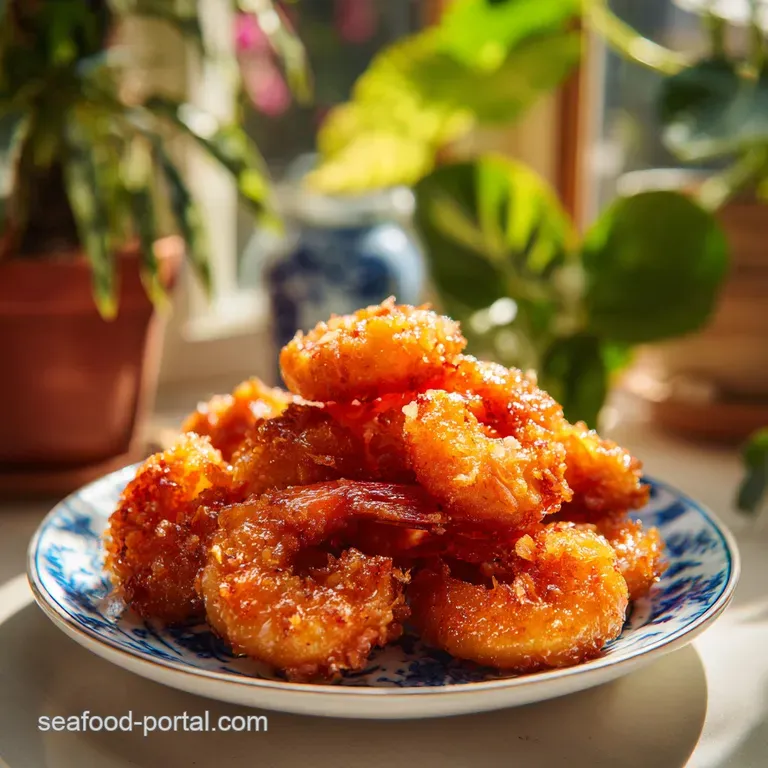
- Time: Active 10 minutes, Passive 5 minutes, Total 15 minutes
- Flavor/Texture Hook: Shatter crisp exterior with a velvety, honey kissed finish
- Perfect for: A fast paced Friday night treat or an impressive date night dinner
- Secrets to Making This Classic Peking shrimp
- Quick Specs for Your Busy Weeknight Dinner
- The Building Blocks of Depth and Flavor
- Essential Gear for the Perfect Sizzle
- Step by Step to Crispy Perfection
- Avoid Common Pitfalls and Soggy Texture
- Creative Swaps to Change Your Menu
- Storage and Smart Zero Waste Hacks
- Perfect Pairings for a Full Meal
- Planning and Timing Your Cooking Flow
- Recipe FAQs
- 📝 Recipe Card
Imagine the sound of cold shrimp hitting a shimmering layer of hot oil in a Lodge Cast Iron Skillet, followed immediately by that sharp, ginger forward aroma that fills the whole kitchen. That’s the moment I knew I’d finally cracked the code on this recipe.
For years, I struggled with soggy coatings and sauces that tasted like pure sugar, but the secret lies in the layering. It isn't just about throwing things in a pan; it’s about the specific way we treat the protein before it ever touches the heat.
I used to think you needed a high powered wok burner to get that authentic "breath of the wok" flavor, but honestly, you don't. We’re going to use a simple velveting technique with an egg white that keeps the shrimp succulent while the cornstarch creates a delicate crust.
It’s the kind of meal that makes you feel like a pro, even if you’re still in your pajamas.
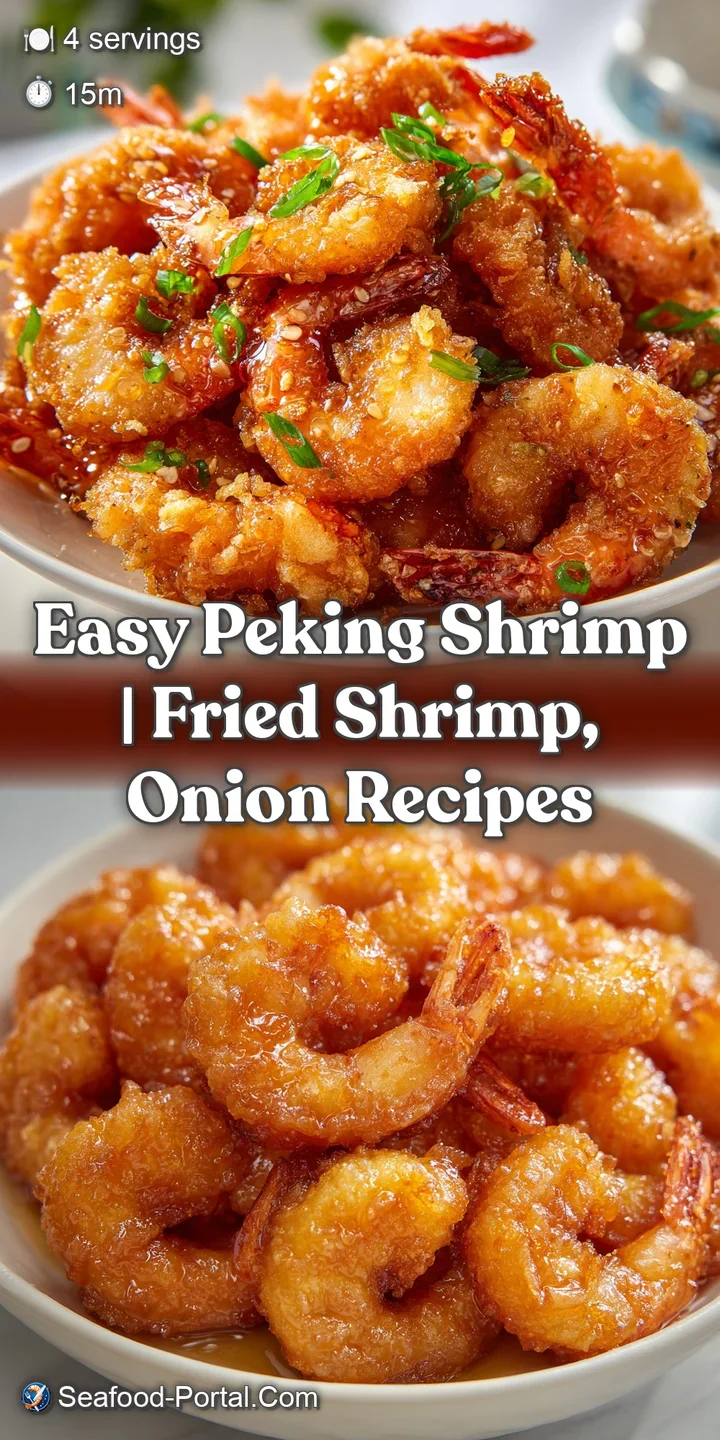
We are aiming for that specific Peking style, which is all about the balance of sweet, sour, and savory. By the time we’re done, each piece of shrimp will be encased in a sticky, translucent glaze that clings to every curve.
Trust me on this, once you see how the dark soy sauce transforms the color of the honey and ketchup, you’ll never go back to the bottled stuff.
Secrets to Making This Classic Peking shrimp
The magic of this dish isn't just in the seasoning; it’s in the physical transformation of the ingredients. When we combine the frothy egg white with the starch, we are building a protective barrier. This ensures the delicate seafood doesn't turn into rubber while we're trying to get the outside crispy.
- Protein Protection: The egg white acts as a physical buffer, preventing the shrimp proteins from over coagulating and becoming tough.
- Starch Gelatinization: As the cornstarch hits the hot oil, it dehydrates and forms a rigid, lattice like structure that gives us that signature shatter.
- Maillard Enhancement: Dark soy sauce provides a concentrated source of amino acids and sugars, accelerating the browning process even at shorter cook times.
- Emulsification: The honey and toasted sesame oil work with the chicken stock to create a stable, glossy emulsion that coats without being greasy.
Chef's Note: If you want a really deep flavor, freeze your fresh ginger for 10 minutes before grating it. It breaks the fibers down so it melts into the sauce rather than leaving stringy bits behind.
Quick Specs for Your Busy Weeknight Dinner
Cooking seafood is all about precision and speed. Because shrimp cooks so incredibly fast, having your "mise en place" (everything in its place) is the difference between a tender bite and something that feels like a pencil eraser.
| Feature | Detail |
|---|---|
| Primary Texture | Crispy velvety |
| Heat Level | Mild (Easily adjustable) |
| Best Tool | Carbon Steel Wok or Heavy Skillet |
| Key Contrast | Sweet Honey vs. Sharp Vinegar |
When I first started making this, I used to crowd the pan. Big mistake. If the temperature of your oil drops too low because there’s too much cold shrimp in there, the coating just absorbs the oil and falls off. It’s better to work in two quick batches to keep that heat high and the texture light.
The Building Blocks of Depth and Flavor
Every ingredient here has a job. We aren't just adding "saltiness"; we’re adding layers of fermented depth and bright acidity. Using two types of soy sauce might seem fussy, but it’s the secret to that restaurant quality look and taste.
Component Analysis
| Ingredient | Science Role | Pro Secret |
|---|---|---|
| 1 Large Egg White | Film former | Beat until frothy to incorporate air for a lighter crust. |
| 1/2 cup Cornstarch | Moisture absorber | Toss right before frying so it doesn't turn into a paste. |
| 1 tbsp Dark Soy Sauce | Pigment and depth | Provides the "Peking" color without over salting the dish. |
| 2 tbsp Honey | Glaze viscosity | Helps the sauce "grip" the crispy coating of the shrimp. |
- 1 lb Large Shrimp
- Peeled and deveined. Why this? Provides the best meat to crunch ratio for this specific frying style.
- 1 Large Egg White
- Beaten until frothy.
- 1/2 cup Cornstarch
- Use a high-quality brand like Argo.
- 1/2 tsp Sea salt
- I prefer Maldon for the clean finish.
- 2 tbsp High smoke point oil
- Like Avocado oil or peanut oil.
- 2 tbsp Honey
- A floral clover honey works best here.
- 1 tbsp Dark Soy Sauce
- Essential for that deep mahogany hue.
- 1 tbsp Light Soy Sauce
- For the essential salty punch.
- 1 tbsp Rice Vinegar
- Adds the necessary acidic "snap."
- 1 tbsp Tomato Ketchup
- Sounds weird, but it provides acidity and sugar.
- 1 tsp Toasted Sesame Oil
- For that nutty, toasted finish.
- 1/4 cup Chicken Stock
- Adds body to the sauce.
- 3 cloves Garlic
- Minced finely.
- 1 tbsp Fresh Ginger
- Grated.
- 3 Green onions
- Separate the whites from the greens.
If you find yourself running low on shrimp but still want that same flavor profile, you can actually adapt this technique. Much like the base of my Japanese Shrimp Curry recipe, the aromatics here are what really drive the dish home.
Essential Gear for the Perfect Sizzle
You don't need a thousand dollar kitchen, but a few specific tools make this Peking shrimp much easier to manage. I personally swear by my Joyce Chen Carbon Steel Wok. It heats up and cools down almost instantly, which gives you incredible control over the delicate honey based sauce.
If you don't have a wok, a heavy Lodge Cast Iron Skillet is your next best friend. It holds heat beautifully, ensuring the oil doesn't chill out when the shrimp hit the pan. You'll also want a Microplane for the ginger.
Grating ginger into a fine pulp allows the juices to emulsify into the sauce, creating a much more uniform flavor than chopped ginger ever could.
Don't forget a spider strainer or a slotted spoon. You need to be able to fish the shrimp out of the oil quickly once they hit that perfect golden brown stage. Leaving them in even 30 seconds too long can make them tough.
step-by-step to Crispy Perfection
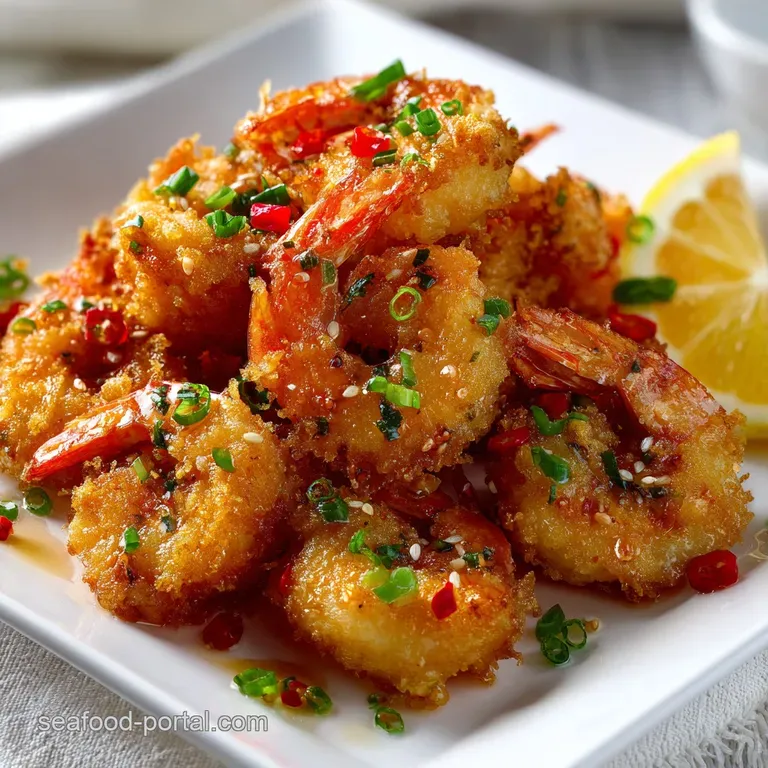
Let's get into the nitty gritty. This moves fast, so read through once before you turn on the stove.
1. The Prep Phase
Pat the 1 lb Large Shrimp completely dry with paper towels. Note: Excess moisture will steam the shrimp instead of frying them. Whisk the egg white in a medium bowl until it’s bubbly and light. Toss the shrimp in the egg white, then dredge them in the 1/2 cup Cornstarch and 1/2 tsp Sea salt.
They should look chalky and dry.
2. The Peking Glaze Mix
In a small glass jar, whisk together the 2 tbsp Honey, 1 tbsp Dark Soy Sauce, 1 tbsp Light Soy Sauce, 1 tbsp Rice Vinegar, 1 tbsp Tomato Ketchup, and 1/4 cup Chicken Stock. Note: Mixing the sauce ahead prevents the honey from scorching in the hot pan. Set this aside right next to the stove.
3. The Shattering Sear
Heat 2 tbsp High smoke point oil in your skillet over medium high heat until it shimmers and wisps of smoke appear. Carefully add the shrimp in a single layer. Fry for 2 minutes until the edges are golden and the coating feels hard to the touch.
Flip and cook for another 1 minute. Remove the shrimp to a wire rack.
4. Aromatics and Finishing Touches
In the same pan (wipe out excess burnt starch if needed), add the 3 minced Garlic cloves, 1 tbsp grated Ginger, and the whites of the 3 Green onions. Sauté for 30 seconds until the garlic is fragrant but not brown.
5. Emulsifying the Mahogany Sauce
Pour the prepared glaze into the pan with the aromatics. Stir constantly for about 1 minute until the sauce bubbles and thickens into a syrupy consistency. It should coat the back of a spoon easily.
6. The Final Toss
Add the crispy shrimp back into the pan. Toss quickly for 30 seconds until every shrimp is lacquered in the dark, glossy sauce.
7. The Garnish
Turn off the heat immediately and drizzle with the 1 tsp Toasted Sesame Oil. Sprinkle the green parts of the onions over the top. The residual heat will soften the onions just enough without losing their vibrant color.
Avoid Common Pitfalls and Soggy Texture
The most frustrating thing is putting in the effort and ending up with a mushy mess. Usually, this comes down to temperature control or the timing of the sauce.
Solving Coating Loss
If your coating is sliding off like an oversized sweater, the shrimp were probably too wet when you started. That layer of water between the protein and the starch creates steam, which pushes the crust away. Always, always pat them dry.
Fixing Thin Sauce
Sometimes the sauce refuses to thicken. This usually happens if the chicken stock didn't have enough time to reduce or if the honey wasn't measured correctly. Just let it bubble for an extra 45 seconds before adding the shrimp back in.
| Problem | Cause | Fix | Pro Tip |
|---|---|---|---|
| Rubbery Shrimp | Overcooked | Reduce fry time by 30s | Use a thermometer; 120°F is perfect. |
| Soggy Crust | Low oil temp | Fry in smaller batches | Wait for the oil to smoke slightly. |
| Bitter Sauce | Burnt garlic | Lower heat for aromatics | Add garlic and ginger together to buffer. |
Creative Swaps to Change Your Menu
I love this recipe as it is, but sometimes the fridge dictates a different path. If you're looking for something with a bit more variety, you can easily turn this into a Peking shrimp and chicken recipe by using thinly sliced breast meat alongside the seafood.
Just remember that chicken takes about 2 minutes longer to cook through.
Going gluten-free
To make this safe for gluten sensitive friends, swap both soy sauces for Tamari and ensure your chicken stock is certified GF. Since we already use cornstarch for the coating, you won't lose any of that satisfying crunch.
Adding a Spicy Kick
If you like heat, whisk in a teaspoon of Sambal Oelek or dried red chili flakes into the sauce. It cuts through the sweetness of the honey beautifully. For a similar vibe with a different texture, you might enjoy the heat in my Zesty Lime Shrimp recipe.
| Original Ingredient | Substitute | Why It Works |
|---|---|---|
| Honey | Maple Syrup | Similar sugar profile. Note: Adds a woody, autumnal flavor. |
| Rice Vinegar | Apple Cider Vinegar | High acidity level. Note: Slightly fruitier finish. |
| Chicken Stock | Vegetable Broth | Savory liquid base. Note: Leaner flavor profile. |
Storage and Smart Zero Waste Hacks
Seafood is always best eaten immediately, but if you have leftovers, they make an incredible cold salad topping the next day. I don't recommend the microwave for reheating it turns the shrimp into rubber. Instead, use a toaster oven or a dry pan over medium heat to wake up the crust.
- Fridge Storage Rules: Keep in an airtight container for up to 2 days.
- Best Reheating Methods: Use an air fryer at 350°F for 3 minutes to regain some of that "shatter" in the coating.
- Zero Waste Tip: Don't throw away those shrimp shells! Throw them in a freezer bag. Once you have a pound of them, boil them with some onion and peppercorns to make a quick seafood stock for your next Shrimp and Crab recipe.
Perfect Pairings for a Full Meal
Since the flavor of Peking shrimp is so bold and punchy, I usually keep my sides fairly simple. You want something that can soak up that extra mahogany glaze without competing for attention.
Grains to Serve With
A simple bed of steamed Jasmine rice is the classic choice. The floral aroma of the rice pairs perfectly with the ginger in the sauce. If you want something lower carb, cauliflower rice sautéed with a little bit of the green onion whites is surprisingly good.
Balanced Vegetable Sides
I love serving this with blistered snap peas or steamed bok choy. The crunch of the greens provides a nice contrast to the velvety texture of the shrimp. A quick cucumber salad with a splash of rice vinegar and sesame seeds also helps cleanse the palate between those rich, honeyed bites.
Planning and Timing Your Cooking Flow
When you're trying to get dinner on the table in 15 minutes, timing is everything. I like to start my rice first, then prep the sauce, then finally deal with the shrimp.
- If you want extra crunch
- Double dredge the shrimp in cornstarch, letting them sit for 2 minutes between coatings.
- If you want a thicker glaze
- Reduce the chicken stock to 2 tablespoons for a more concentrated syrup.
- If you want it meal prep friendly
- Keep the sauce and the fried shrimp in separate containers and toss them together in a hot pan right before serving.
Why is the cornstarch coating falling off?
This usually happens if the shrimp are still damp or if the oil isn't hot enough. The oil needs to be shimmering so the starch seals instantly. If it sits in lukewarm oil, the coating just dissolves into a paste.
How far ahead can I prep?
You can mince the garlic, grate the ginger, and mix the sauce up to 24 hours in advance. However, do not coat the shrimp in starch until the very last second, or it will turn into a gummy mess that won't crisp up.
Is the ketchup really necessary?
Surprisingly, yes. In many "Peking style" dishes, tomato paste or ketchup provides a specific type of fruity acidity and a boost of umami (from the cooked tomatoes) that you can't get from vinegar alone. It also helps with that vibrant, glossy red brown color we're looking for.
Don't let the technical terms scare you off. At its heart, this is just a very fast, very flavorful way to eat. Once you see that sauce bubble up and turn dark and shiny, you'll know you've got something special on your hands. Happy cooking!
Recipe FAQs
What is peking sauce like?
It is a balance of sweet, sour, and savory. The sauce develops a sticky, glossy mahogany glaze coating the shrimp, driven by honey for sweetness and rice vinegar for a necessary acidic tang.
What is peking style sauce made of?
It primarily uses dark soy sauce, honey, rice vinegar, and ketchup. The dark soy provides the signature deep color and umami depth, while ketchup adds fruity acidity often found in classic preparations.
Is a mantis shrimp good to eat?
Yes, mantis shrimp are excellent to eat. They are prized for their exceptionally sweet and tender meat, similar to lobster, though they require careful handling due to their shells.
What is a peking style prawn?
It is a prawn coated in a starch mixture and quickly deep fried before being tossed in a specific sweet and sour glaze. The technique focuses on achieving a shatteringly crisp exterior underneath that sticky sauce.
Why does my shrimp coating keep sliding off?
Your shrimp were likely too wet before they were coated. Excess moisture creates steam, pushing the starch layer away during frying; ensure they are thoroughly patted dry before dipping in the egg white.
Can I use a different sweetener than honey?
Yes, maple syrup can be used as a close substitute. Maple syrup functions similarly by providing the necessary viscosity for the glaze to cling, though it introduces a slightly woodier, autumnal flavor note.
What technique keeps the shrimp tender under the crisp coating?
The secret is using a light velveting technique with egg white and cornstarch. If you enjoyed mastering this quick coating and sealing method, see how the same principle of rapid temperature control applies when working on a delicate sauce like in our Shrimp Newburg The Decadent Velvety Cream Sauce Recipe.
Peking Shrimp Recipe
Ingredients:
Instructions:
Nutrition Facts:
| Calories | 299 kcal |
|---|---|
| Protein | 25.4 g |
| Fat | 8.6 g |
| Carbs | 25.1 g |
| Fiber | 0.6 g |
| Sugar | 9.8 g |
| Sodium | 785 mg |
