New York Strip Steak: the Cracking Classic Pan-Seared Recipe
- Mastering the Majestic New York Strip Steak
- The Science of Steak Perfection: Achieving the Maillard Crust
- What You'll Need: Ingredients for the Perfect Pan-Seared New York Strip
- Step-by-Step Method: From Prep to Perfect Plate
- Expert Tips for Your Pan-Seared New York Strip Steak
- Storing and Reheating Leftover Steak
- Pairing Perfection: Sides That Complement Your Steak
- Recipe FAQs
- 📝 Recipe Card
Mastering the Majestic New York Strip Steak
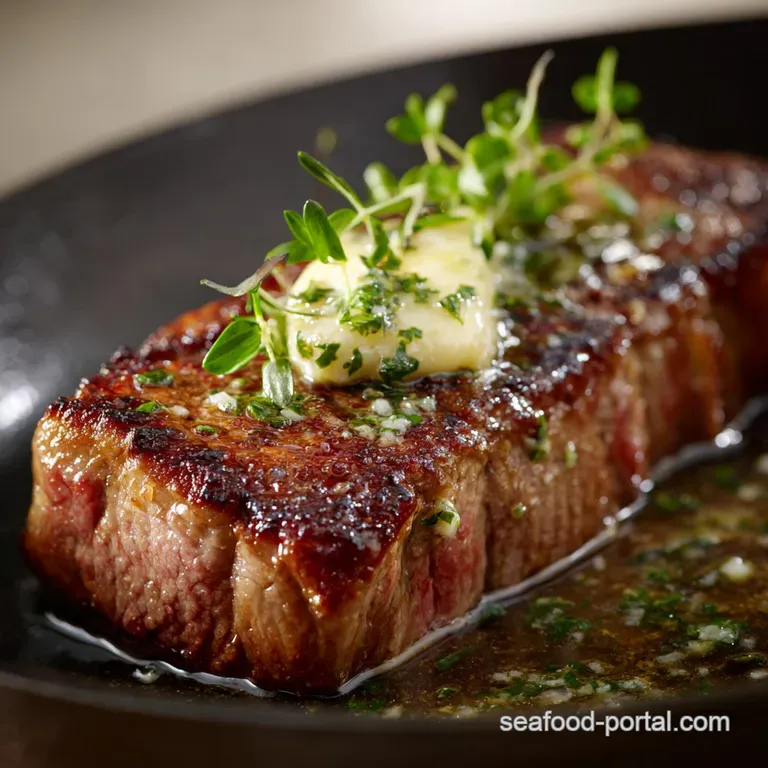
There is nothing in the world quite like the sound of a New York Strip Steak hitting a blistering hot pan. That sharp, immediate sizzle promises the deep, caramelised crust that we all dream about.
When you get that crust perfectly right, and the aroma of garlicky, foaming butter fills your kitchen, you know you are minutes away from bliss. It is pure steakhouse luxury, but you made it yourself.
I spent years messing up expensive cuts, resulting in sad, grey, tough strips the shame of it! But I promise you, once you master this simple pan-searing technique, the New York Strip becomes a weeknight lifesaver.
It is fast, requires minimal cleanup, and it genuinely tastes better than anything you’d pay fifty quid for in town. Trust me, learning how to cook new york strip properly is one of the best investments you can make in your own happiness.
We aren’t going to just cook this steak; we are going to treat it like the royalty it is, leveraging science to guarantee a magnificent result every single time. Ready to ditch the fear and embrace the heat? Let’s crack on and discover the best strip steak recipe out there.
The Science of Steak Perfection: Achieving the Maillard Crust
Why the New York Strip Excels for Pan-Searing
The New York Strip, sometimes called the Kansas City Strip, is absolutely magnificent for over high heat cooking. It boasts beautiful marbling throughout the muscle, giving it flavour and tenderness without being overly fatty like a ribeye. Plus, it has that distinct, glorious fat cap running along one edge.
This fat cap renders down during cooking, adding moisture and flavour directly back into the cut.
A Bobby Dazzler: The Ultimate Crust and Baste Method
The goal is to get a massive contrast in texture and flavour: an intensely savoury, dark crust surrounding an incredibly tender, ruby red interior. This recipe achieves that by using extremely high heat initially to lock in the crust, then dropping the temperature slightly for the final finesse.
The butter baste isn't just for show; it constantly lubricates the meat, preventing the surface from burning while the aromatics permeate the crust.
The Essential Equipment: Why Cast Iron is Non-Negotiable
If you want a truly spectacular sear, your equipment matters. Cast iron holds and distributes heat far better than stainless steel. When you drop a thick, room temperature New York Strip steak onto stainless steel, the pan temp plummets immediately, which means you start steaming the steak instead of searing it.
A well seasoned cast iron pan laughs at cold steak.
Why Dry Brining Delivers Maximum Juiciness
A dry brine is just a fancy way of saying "salt it early." Salting the steak 45 minutes to an hour before cooking draws out moisture initially, but then that moisture dissolves the salt, creating a pure brine.
This brine then reabsorbs into the muscle fibres, seasoning the meat deeply and keeping it incredibly juicy. Plus, the surface is now super dry, which is essential for that perfect sear.
The Maillard Reaction: Developing that Mahogany Colour
The Maillard Reaction is the magic behind the crust. It’s a chemical dance between amino acids and reducing sugars that occurs above 300°F (150°C). This reaction creates hundreds of flavour compounds that don't exist in the raw steak.
If your surface is wet, or your pan is cold, you never reach the Maillard temperature; you just get sad, grey steak. We want mahogany, not miserable.
The Role of Compound Butter in Finishing
We aren't actually using compound butter yet , but we are creating it right in the pan. Adding butter, garlic, and fresh herbs like thyme and rosemary during the final basting stage infuses the fat with potent aromatics.
The resulting foamy, fragrant butter is poured over the NY steak , coating it in richness. It stops the cooking process gracefully and sets the stage for a glorious resting period.
What You'll Need: Ingredients for the Perfect Pan-Seared New York Strip
Selecting the Best Cut: Thickness and Marbling
Always aim for a New York Strip Steak that is 1.25 to 1.5 inches (3 4 cm) thick. If it’s too thin, you won’t have enough time to develop a crust before the centre overcooks. Look for even, fine lines of intramuscular fat (marbling).
Good marbling equals serious flavour and tenderness.
Choosing the Right over High heat Cooking Oil
You need an oil that can handle 400°F+ without breaking down and smoking your kitchen out immediately. I stick to grapeseed or avocado oil they are neutral in flavour and have high smoke points.
| Ingredient | My Recommendation | Substitution |
|---|---|---|
| over High heat Oil | Grapeseed or Avocado | Ghee or clarified butter (high smoke point) |
| Coarse Salt | Kosher or Flaky Sea Salt | Fine salt (use half the amount) |
| Fresh Herbs | Rosemary and Thyme | Fresh oregano or marjoram (don't use dried) |
| Strip Steak | 1.25 1.5 inches thick | Use this same method for other thick cuts |
The Basting Elements: Herbs and Aromatics
Fresh herbs are non-negotiable for the baste. The woody herbs (rosemary and thyme) hold up well in the hot butter without immediately burning. When adding the garlic, simply smash the cloves lightly with the back of your knife. Leave the skin on to protect the garlic from scorching, which keeps the flavour clean.
Notes on Salt and Pepper Ratios
Be generous with the salt! You are seasoning the surface, and some will fall away. I season the steak heavily with coarse salt an hour before cooking. I often hold back on the pepper until after the searing, only adding it during the basting phase, because pepper burns easily at high searing temperatures and can turn bitter.
step-by-step Method: From Prep to Perfect Plate
Prepping the Steak: Tempering and Dry Brining
The first step is arguably the most important, so pay attention. Take your New York Strip steaks out of the fridge and packaging. Pat them aggressively dry with paper towels; I mean bone dry.
Season generously with salt and set them on a wire rack at room temperature for 45– 60 minutes. This process, called tempering, ensures the entire steak cooks evenly, preventing that tough grey ring just below the surface.
Creating the over High heat Sear Zone
Place your cast iron pan over high heat and let it preheat for a solid five minutes. Add your high smoke point oil and wait until it shimmers and begins to smoke lightly. This is your sign. Carefully place the steaks in the hot pan, laying them away from you to avoid splashing oil.
Sear undisturbed for 2– 3 minutes per side. Resist the urge to fiddle or peek!
The Precision Baste: Foaming Butter Technique
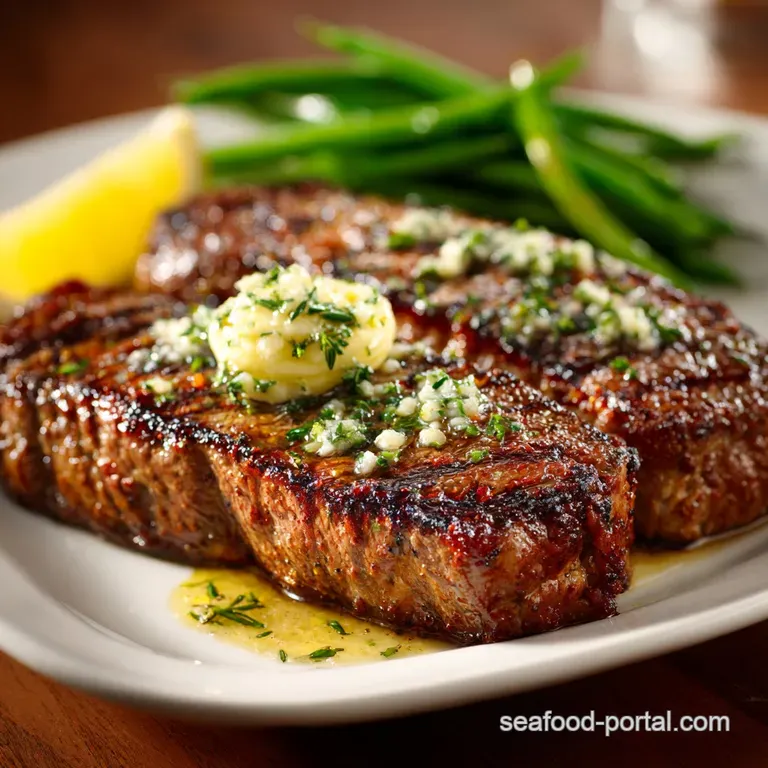
Once the searing is complete and you have that deep mahogany crust, reduce the heat slightly to medium low. Add the butter pieces, crushed garlic, and herb sprigs. As the butter melts and starts to foam, tilt the pan towards you so the butter pools on one side.
Use a large spoon to scoop the foaming herb butter and continuously bathe the new york strip for 60 to 90 seconds.
Chef's Note: Use your thermometer to check the internal temperature now. Once the internal temperature is 5°F below your target (e.g., 130°F for medium rare), immediately remove the steak from the pan. The heat will continue to rise as it rests.
Crucial Step: Allowing the Steak to Rest Properly
Remove the steak from the pan and place it on a clean cutting board or a clean wire rack. Tent it loosely with foil and I mean loosely, don't wrap it tightly or you'll steam the beautiful crust. Let it rest for a minimum of 10 minutes.
This resting time is non-negotiable; if you slice too early, all those magnificent juices, which were pressured to the center during cooking, will run out all over your board.
Expert Tips for Your Pan-Seared New York Strip Steak
How to Check Steak Doneness Without Cutting
Honestly, the only foolproof way is an instant read thermometer. I won't even try to sell you on the touch test for beginners; it's too risky. Always use a thermometer. Insert it horizontally into the thickest part of the steak, avoiding any bone.
This is the difference between perfection and disappointment.
Troubleshooting: Why Your Pan Isn't Sizzling
If the steak hits the pan and sounds like a polite sigh instead of a violent protest, your pan wasn't hot enough, or the steak was too wet. Go back to basics: dry the steak aggressively and heat that pan until the oil is visibly shimmering and almost smoking.
You need that aggressive heat for the Maillard Reaction to kick off quickly.
Dealing with Smoke and Ventilation
Pan-searing at high heat will produce smoke. Don't panic; this is normal. That smoke is flavor! Just make sure your kitchen fan is on max and maybe open a window. If you're sensitive to smoke, definitely try the Reverse Sear Method variation described in the quick reference section above, as the sear time is much shorter.
Storing and Reheating Leftover Steak
Safe Storage Times for Cooked Steak
Cooked New York Strip steaks should be cooled quickly, stored in an airtight container, and kept in the fridge. They are best eaten within 3 to 4 days. If you plan to freeze them, wrap the individual slices tightly in plastic wrap, then aluminium foil, and consume within three months.
The Best Way to Reheat Without Overcooking
Do not microwave leftover steak unless you enjoy shoe leather. The best method is low and slow. Preheat your oven to a low temperature, around 250°F (120°C). Place the steak slices on a wire rack over a tray and heat for 10– 15 minutes until just warmed through.
This maintains the moisture and prevents the delicious fat from drying out.
Pairing Perfection: Sides That Complement Your Steak
This luxurious steak deserves side dishes that stand up to its richness. I love serving it with incredibly creamy, buttery mashed potatoes or a simple blanched green that cuts through the richness. If you are having a proper pub-style night in, you could easily use this perfect strip steak in thinly sliced applications, but if you’re looking for something that embraces the grill flavour, my Steak Fajitas The Ultimate PubStyle Sizzler Recipe for Weeknights is another excellent choice for a different preparation style.
Classic Potato and Starch Accompaniments
You need something starchy and something green. For starch, try thick cut chips (fries) or a simple baked potato loaded with chives and sour cream. Green wise, anything simple like steamed asparagus or garlicky spinach works wonderfully. Don't overcomplicate it; the steak is the star of the show.
Recipe FAQs
Why is my steak not developing that magnificent, mahogany crust?
A proper crust requires extremely high heat and a dry steak surface. Ensure your cast iron pan is smoking hot before adding the steak, and always pat the strip very dry with paper towels prior to seasoning. A crowded pan or excess moisture can also drop the temperature too low, hindering the Maillard reaction.
What internal temperature should I aim for when cooking New York Strip?
For medium rare perfection, aim to remove the steak from the heat when it reaches 125°F (52°C); the internal temperature will rise 5-10 degrees while resting. Medium is achieved at 135°F (57°C), and medium well is 145°F (63°C).
Always use an instant read thermometer inserted into the thickest part for precision.
How important is the resting period, and why can’t I skip it?
Resting is absolutely critical as it allows the muscle fibres, which tighten during cooking, to relax and reabsorb the internal juices. If you skip this step, all the flavourful moisture will spill out onto the cutting board when you slice the steak.
A minimum of 5 to 10 minutes rest, loosely tented with foil, is essential for a tender result.
I tried the butter baste, but the butter immediately burned. What went wrong?
Butter burns easily because its milk solids have a low smoke point, especially after the high initial sear. To prevent this, only add the butter for basting after the initial sear is complete, reducing the heat to medium low.
If the butter starts turning brown rather than just fragrant and foamy, remove the pan from the heat immediately.
Can I freeze leftover cooked New York Strip steak?
While you can freeze cooked steak, it is generally not recommended as the freezing and thawing process severely compromises the delicate texture and tenderness. Leftover cooked New York Strip should be stored in an airtight container in the refrigerator and consumed within 3 to 4 days.
If you must freeze, slice it thinly first for better thawing results.
Should I cook the steak cold, or let it come to room temperature first?
Always bring the steak close to room temperature, ideally 30 to 60 minutes, before cooking. Cooking a cold steak can lead to uneven results, where the exterior is overcooked while the centre is still cold and underdone.
Seasoning the steak heavily during this time also helps draw out surface moisture for a better crust.
Can I substitute the New York Strip for a different cut of beef using this method?
Yes, this high heat pan-searing method works wonderfully for other thick, well marbled cuts like Ribeye or thicker cut Filet Mignon. For best results, ensure the steaks are uniformly thick around 1.5 inches is ideal for even temperature control.
You may need to slightly adjust cooking times based on the fat content and thickness.
Pan Seared New York Strip Perfection
Ingredients:
Instructions:
Nutrition Facts:
| Calories | 850 kcal |
|---|---|
| Fat | 60 g |
| Fiber | 1 g |
