Fish Recipes: Our Crispy Cod with Brown Butter, Capers, and Lemon Sauce
- Mastering Simple Fish Recipes: Pan-Seared Cod
- The Science of Searing: Achieving Perfect Flaky Cod
- Essential Ingredients for This Classic Fish Recipe
- Detailed Method: How to Pan-Sear Cod Like a Professional
- Troubleshooting & Expert Pan-Seared Fish Tips
- Making the Most of Leftovers: Storage and Reheating Guide
- What to Serve With Pan-Seared Cod
- Recipe FAQs
- 📝 Recipe Card
Mastering Simple Fish Recipes: Pan-Seared Cod
You know that sound? That aggressive, satisfying sizzle when protein hits a properly hot pan? That’s the exact music that signals dinner is going to be magnificent tonight, especially when we’re talking about perfectly seared white fish.
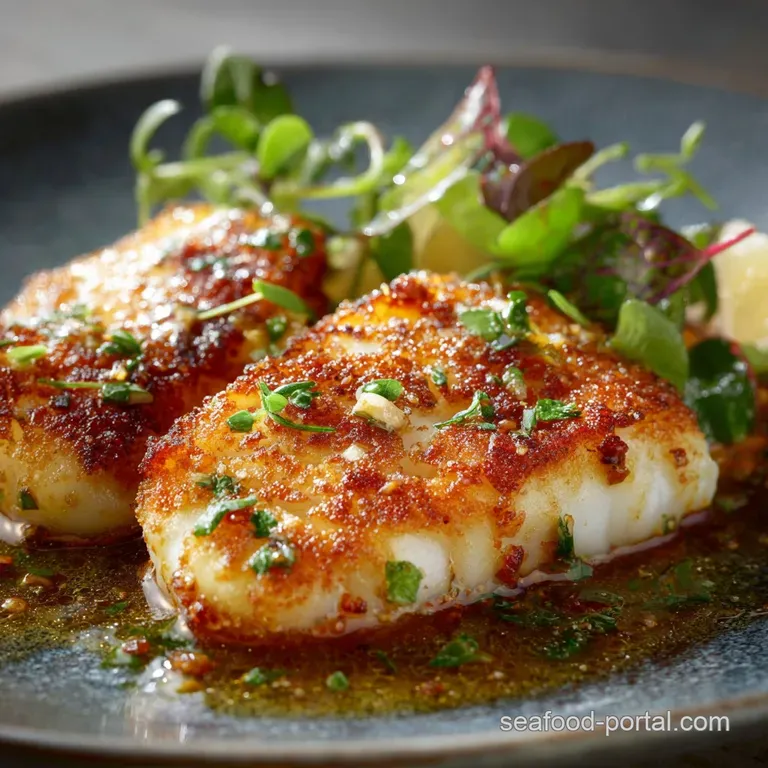
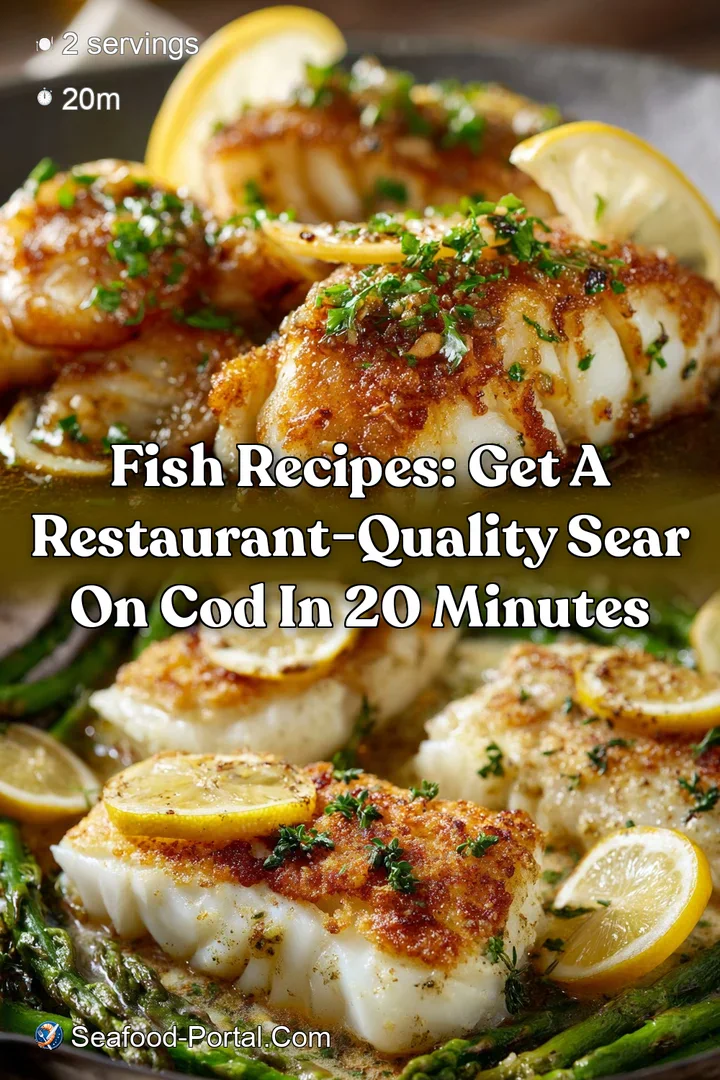
The crust is golden brown and savoury, yet the inside stays impossibly flaky and moist.
This technique is my absolute favourite solution for a busy weeknight. Seriously, forget faffing around with slow ovens or complicated marinades; this entire fish recipe takes less than twenty minutes from start to finish.
It’s a cheap fish recipe that makes you feel like you ordered takeout from a fancy bistro.
We're going to nail the classic Pan-Seared Cod, finishing it with a brilliant brown butter, caper, and lemon sauce. Trust me, once you master this basic sear, you’ll unlock a thousand different ways to cook fish, making fish recipes for dinner a weekly staple.
The Science of Searing: Achieving Perfect Flaky Cod
Why Cod is the Ultimate Weeknight Fish
Cod is basically the perfect blank canvas. It’s meaty enough that it won’t fall apart the second you look at it, but mild enough to soak up all the flavour we’re throwing at it.
Because it’s a lean, white fish, it cooks incredibly quickly, which is why it’s our go-to for a healthy, fast weeknight fish dinner.
The Brilliance of Brown Butter Sauce (Beurre Noisette)
This is where the real magic happens. By gently heating unsalted butter until the milk solids toast, you create this incredible, deep, nutty aroma that’s beurre noisette .
The flavour is complex and almost hazelnut like, adding a necessary layer of richness that pairs perfectly with the lean fish.
From Prep to Plate: Ready in Under 20 Minutes
I'm not kidding about the timing here; the biggest chore is probably patting the fish dry. Once the fillets are seasoned and ready, the active cooking time is maybe eight minutes total. This is the definition of fish recipes easy .
The Maillard Reaction and Developing a Golden Crust
Searing isn't just about cooking; it's about flavour development. The Maillard reaction is that beautiful chemical process that occurs when dry heat hits the sugars and amino acids on the fish's surface, creating a delicious, crisp brown crust.
This reaction will only happen if your fish is extremely dry and your pan is very hot.
Balancing Richness (Butter) with Acidity (Lemon and Capers)
The secret to why this rich brown butter doesn't feel heavy is the acid. The fresh lemon juice cuts through the fat beautifully, making the entire dish bright and lively. Then we throw in the capers, which provide salty little bursts of brine it’s just a killer combination.
Why Cod Provides a Lighter Alternative to Salmon Recipes
While I adore the healthy fats of salmon, sometimes you want something truly delicate and clean. Cod is much lighter in flavour and texture than those richer, oilier fish. If you love the idea of a crispy exterior but want a delicate mouthfeel, Cod is the winner over almost any of the fattier options.
Essential Ingredients for This Classic Fish Recipe
We don't need many ingredients for this, but the quality definitely matters. Always choose fresh herbs and good butter because they are the main flavour drivers.
Selecting and Preparing Your Cod Fillets
Look for fillets about one inch thick; this size ensures the exterior gets fully crispy before the interior overcooks. If you have thicker pieces, you might need to drop the heat slightly after the flip and finish it by basting frequently. I always recommend using skinless cod for a truly even sear, but if you have skin-on, check out my tips for Grilled Fish: Lemon Herb Steaks That Never Stick Summer Recipe .
Butter, Capers, and Lemon Zest: Quality Matters
The unsalted butter is crucial because we control the salt content. The capers need to be drained well before they go into the sauce. Fresh lemon juice? Non-negotiable! Bottled juice tastes flat and watery, killing the entire brightness of the sauce.
| Ingredient | Role | Viable Substitute |
|---|---|---|
| Cod Fillets | Flaky, mild protein | Haddock, Halibut, or thick cut Hake |
| Unsalted Butter | Fat base for browning | Ghee or high-quality plant based butter (will not brown the same way, but adds richness) |
| Capers | Briny, salty pop | Finely chopped small cornichons (gherkins) or green olives |
| Olive Oil | over High heat searing fat | Grapeseed, Canola, or Avocado oil |
| All-Purpose Flour | Crust enhancer | Potato starch or finely ground rice flour (gluten-free alternatives) |
Which White Fish Work Best as Cod Substitutions (Haddock, Halibut, etc.)
If you can’t get your hands on cod, or if the halibut looks particularly good, go for it! Haddock is probably the most similar in texture and flavour. Halibut is denser and pricier, but fantastic; just note that it might need an extra minute of cooking time due to its density.
I also love using thick pieces of tilapia or snapper for this method.
Detailed Method: How to Pan-Sear Cod Like a Professional
Patting Dry: The Critical First Step to Crispy Skin
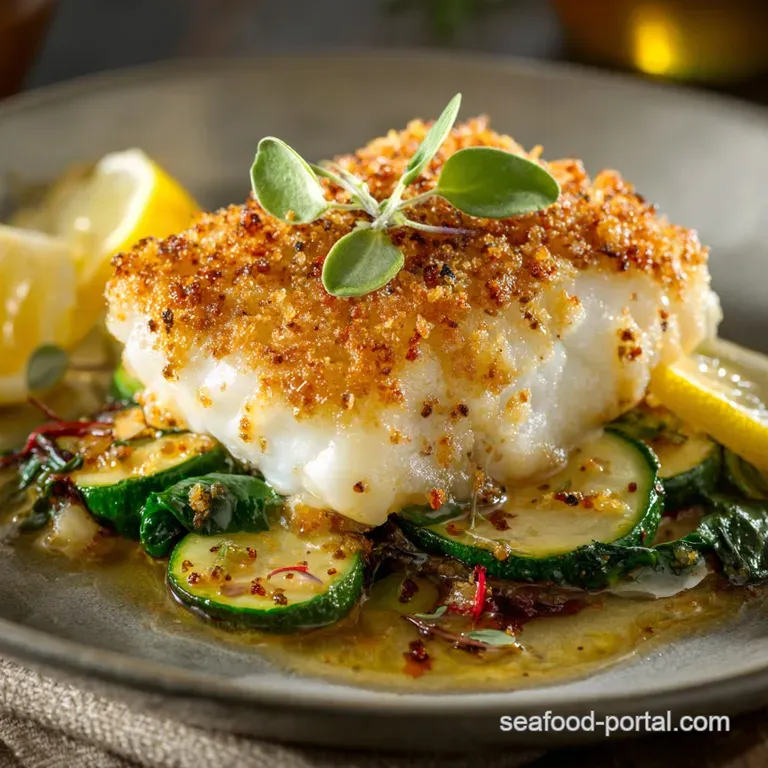
I made the mistake early on of thinking a quick dab with a paper towel was enough. It is not. You must aggressively press the paper towels onto the fish to draw out all surface moisture.
If the fish is even slightly damp, the energy from the pan will first be used to evaporate that moisture, steaming the fish instead of searing it.
The Perfect Sear: Temperature Control and Timing
Heat your pan over medium high heat until it is ripping hot. Add your oil; it should shimmer immediately. Gently place the floured side down (if using flour). Now, here is the hardest part for the impatient cook: Do not touch the fish for three full minutes.
The fish will naturally release from the pan when the crust is established. If it sticks when you try to move it, it’s not ready!
Chef's Note: If you are searing fish fillets that are thicker than 1.5 inches, reduce the heat to medium after the initial crust forms. This prevents the outside from burning before the inside reaches 145°F (63°C).
Building the Brown Butter Sauce and Basting Technique
Once the fish is resting, wipe out the pan if you have any dark, potentially burnt bits of oil or flour left over. This prevents a bitter sauce. Return the pan to the stove and melt the butter over medium heat. It will foam furiously, then the foam will subside.
You’ll see little brown specks forming at the bottom, and you'll smell that amazing nutty aroma. Pull the pan off the heat immediately! Stir in the capers, then deglaze the pan by adding the lemon juice it will hiss and spit delightfully.
Finish with the parsley and spoon that glorious sauce directly over your resting cod.
Troubleshooting & Expert Pan-Seared Fish Tips
Avoiding the Stuck Fillet: Preheating and Oil Choice
This is the number one disaster scenario, right? The key is threefold: dry fish, hot pan, and enough oil. Make sure the oil is heated until it’s just starting to shimmer before the fish goes in. When oil is cold, fish sticks.
I also find stainless steel or cast iron works better than non-stick for achieving a truly phenomenal crust.
Knowing When to Flip: The 80/20 Rule
Don't flip too early! You know it’s time when the fish releases easily and the colour has climbed about 80% up the side of the fillet, leaving just a thin ribbon of raw fish at the very top. This is usually 3 to 4 minutes depending on thickness.
You only need the second side (the non-crust side) to cook for about 2 minutes to finish.
How to Know When Your Cod is Cooked Through (Internal Temperature)
The best, most reliable way is using a thermometer: it should register 145°F (63°C) in the thickest part. If you don't have one, gently press down on the fillet with a fork. It should start to flake easily and appear opaque all the way through, but still have that beautiful internal moisture.
Making the Most of Leftovers: Storage and Reheating Guide
Storing Cooked Cod Safely in the Refrigerator
Cooked fish lasts about 3 days in the fridge, stored in an airtight container. Make sure the fish cools down fully before sealing it up. If you made extra sauce, store that separately; it’s easier to handle when reheating.
Best Methods for Reheating Without Drying Out the Fish
The oven is your friend here. Trying to microwave fish is a recipe for rubbery disaster (and bad smells). Preheat your oven or toaster oven to 275°F (135°C). Place the fish on a sheet pan covered in foil, maybe add a tiny splash of water or a small pat of butter, and reheat for 10– 15 minutes until warmed through. The low, slow heat keeps it from drying out. If you prefer the oven baked approach generally, you might also like my Oven Fried Cod: Proper Crispy Oven Baked Fish Fillets .
Can You Freeze Pan-Seared Cod? (Recommendations)
Technically, you can freeze cooked fish, but I honestly don't recommend it for this dish. The texture degrades significantly during thawing, and the glorious crust we worked so hard for will turn soggy. Stick to fresh, or if you need freezer meals, try a fish stew instead.
What to Serve With Pan-Seared Cod
Because the brown butter is so rich, I usually opt for something simple to soak it up. Creamy mashed potatoes are a classic choice, or maybe a quick saffron rice pilaf. A simple side of steamed asparagus or perfectly pan-fried green beans adds great colour and freshness.
This dish is designed to be the star, so keep the sides easy.
If you are looking for other fast, healthy fish recipes, I highly recommend giving my Grilled Flounder: Sunshine Fish Supper Ready in Just 10 Minutes a go! It uses many of the same bright flavours but offers a different preparation method. Enjoy your dinner!
Recipe FAQs
Why is my pan-seared fish dry or rubbery?
This issue is nearly always caused by overcooking. Cod should only be cooked to an internal temperature of 145°F (63°C); use a thermometer and remove it immediately once it reaches this point.
High, consistent heat during the searing process is necessary to develop the crispy crust before the interior has time to dry out.
What is the tastiest way to cook fish?
While subjective, techniques that maximize textural contrast are often considered the “tastiest,” such as pan-searing or grilling, which achieve a crispy exterior and a flaky, moist center.
Finishing the fish with a high acid component, like the lemon in this brown butter sauce, is essential to brighten and lift the final flavor profile.
Can I use a different type of fish for this pan-searing recipe?
Absolutely; this brown butter method is highly versatile. Any sturdy white fish like halibut, red snapper, or sea bass will substitute well, requiring similar cooking times to the cod.
If using a thicker cut like swordfish, you may need to reduce the initial searing heat slightly and finish the cooking process in the oven.
What are some other simple fish recipes for a quick weeknight meal?
For minimal fuss and cleanup, try baking or broiling fish fillets in foil packets alongside vegetables and a splash of wine or lemon juice. Alternatively, fish tacos are extremely quick; simply poach or lightly fry flaked white fish and serve with fresh slaw and lime crema.
How should I store and reheat leftover cooked cod?
Leftover cooked cod should be stored immediately in an airtight container in the refrigerator and consumed within two to three days. To preserve the texture, avoid microwaving; instead, gently warm the fish in a 300°F oven for about 10 minutes, or enjoy the flaked fish cold over a Caesar or Niçoise salad.
What are some popular global fish dishes I should explore?
Globally recognized dishes include French Bouillabaisse (a fragrant seafood stew) and classic British Fish and Chips, which showcases perfectly battered cod or haddock. For depth of flavor, explore Spanish Paella, which utilizes saffron, rice, and firm white fish, or try Japanese miso glazed black cod.
Are there popular Indian fish recipes that contrast with this Western preparation?
Indian cuisine often features strong marinades and wet curries rather than simple searing. Explore Bengali Macher Jhol, a delicate and spicy fish curry made with Rohu or Catla, or Goan Fish Curry, which relies on coconut milk and fiery red chilies, typically using Pomfret or Kingfish.
Pan Seared Cod Fish Recipes
Ingredients:
Instructions:
Nutrition Facts:
| Calories | 279 kcal |
|---|---|
| Protein | 7.5 g |
| Fat | 20.7 g |
| Carbs | 12.8 g |
