Pan Fried Tilapia: Crispy Fillets
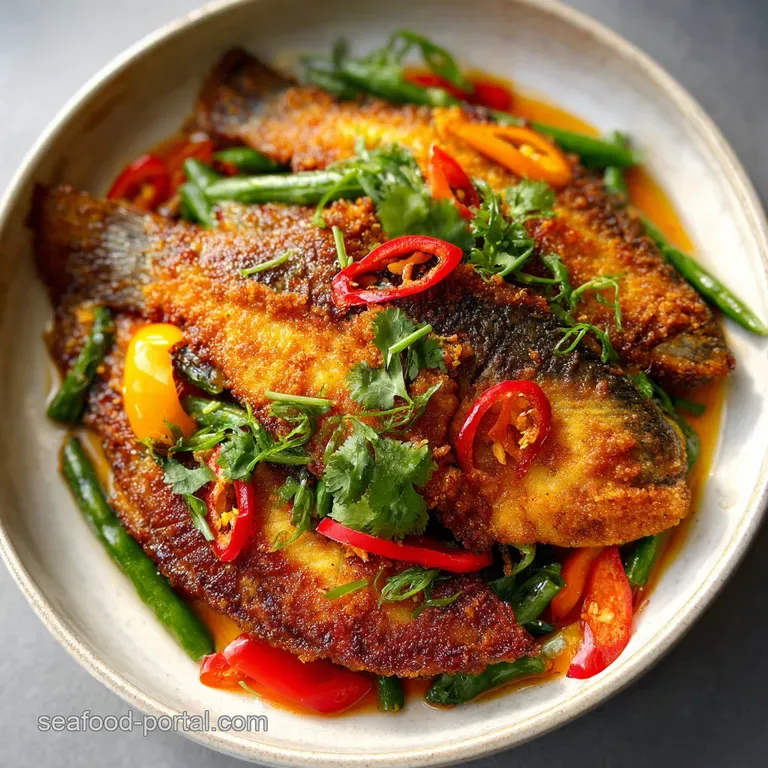
- Time: Active 5 minutes, Passive 6 minutes, Total 11 minutes
- Flavor/Texture Hook: Flaky, golden brown crust with a buttery, citrus finish
- Perfect for: Busy weeknights, healthy meal prep, or beginner friendly seafood dinners
- Make Crispy Pan Fried Tilapia Every Time
- The Physics of the Crust
- Analysis of Core Ingredients
- Fresh Elements and Simple Substitutes
- Must Have Tools for the Kitchen
- Detailed Instructions for Golden Fish
- Fixing Frequent Cooking Errors
- Creative Ways to Mix Flavors
- Scaling Your Meal for Groups
- Debunking Frequent Cooking Myths
- Storage and Sustainable Waste Tips
- Serving Ideas for Better Meals
- Recipe FAQs
- 📝 Recipe Card
Make Crispy pan-fried Tilapia Every Time
The first time I tried to make this, it was a literal train wreck. I threw a damp fillet into a lukewarm pan with way too much oil. Instead of a golden crust, I got a soggy, grey mess that stuck to the metal like glue. I ended up eating fish flakes for dinner, feeling totally defeated.
But then I learned the magic of the "hiss" - that specific, aggressive sizzle that happens when cold protein meets a shimmering hot surface.
Now, when I drop a fillet of pan-fried Tilapia into the skillet, the aroma of smoked paprika and garlic hitting the fat is better than any candle you could buy. It’s all about that contrast: the outer layer should shatter when your fork hits it, while the inside remains moist and tender.
We aren't just cooking fish; we're building layers of texture that make a "boring" tilapia feel like a gourmet treat.
We've all been there, staring at a pack of frozen fillets wondering how to make them taste like something. This method is my go to because it’s fast, foolproof, and uses stuff you already have in the pantry. Trust me, once you master the dry and sear technique, you'll never settle for mushy fish again.
Let's get that pan screaming hot and crack on.
The Physics of the Crust
Understanding the "how" behind the crunch helps you troubleshoot on the fly. It isn't just luck; it's basic thermodynamics.
- Surface Desiccation: Moisture is the enemy of the crunch. By patting the fish dry and using a light flour dredge, we ensure the heat goes toward browning the surface (Maillard reaction) rather than steaming the meat.
- Thermal Momentum: Tilapia is thin and lean, meaning it overcooks in a heartbeat. High heat creates a crust quickly so the internal proteins don't turn into rubber before the outside looks good.
- Leidenfrost Effect: When the pan is properly heated, a tiny layer of vapor forms between the fish and the oil, preventing the fillet from bonding to the pan's surface.
| Method | Time | Texture | Best For |
|---|---|---|---|
| Classic Flour | 6 minutes | Light, silky, golden | Delicate weeknight dinner |
| Panko Breaded | 8 minutes | Thick, crunchy, heavy | Fish tacos or kid friendly meals |
| Naked (No Flour) | 5 minutes | Seared, tender, low carb | Keto diets and light salads |
Choosing the right approach depends on your mood. If you want something that reminds you of a high end bistro, the classic flour dredge is the winner. It provides just enough protection for the delicate flesh without masking the flavor. If you're looking for something more substantial, similar to a Southern Fried Catfish recipe, you might opt for a heavier breading later on.
Analysis of Core Ingredients
Every component in this pan-fried Tilapia recipe serves a specific structural or flavor based purpose.
| Ingredient | Science Role | Pro Secret |
|---|---|---|
| Tilapia Fillets | Lean protein base | Always check for "bloodlines" (dark spots) and trim them for a milder flavor. |
| Avocado Oil | over High heat vehicle | It has a smoke point of 520°F, meaning it won't burn while you're trying to get that sear. |
| Unsalted Butter | Flavor & Emulsion | Add this at the very end to baste the fish; it creates a nutty, velvety finish. |
| Smoked Paprika | Color & Depth | This provides the "faux char" look even if you're cooking on a standard stovetop. |
Fresh Elements and Simple Substitutes
I'm a firm believer in using what you have. If your spice cabinet is looking a bit bare, don't sweat it. The core of this dish is the technique, not just the spices. However, I always insist on using 1 tsp sea salt for those 4 large tilapia fillets because it draws out just enough surface moisture to help the flour stick.
- 4 large tilapia fillets: The star. Why this? It's affordable, mild, and cooks incredibly fast.
- 1/2 tsp smoked paprika: For color. Why this? Adds a subtle wood fired flavor without a grill.
- 2 tbsp avocado oil: The fat. Why this? Extremely stable at the high temperatures needed for searing.
| Original Ingredient | Substitute | Why It Works |
|---|---|---|
| Avocado Oil (2 tbsp) | Ghee (2 tbsp) | High smoke point plus a natural buttery flavor without the solids burning. |
| All Purpose Flour (1/4 cup) | Cornstarch (3 tbsp) | Creates an even crispier, glass like crust also makes it gluten-free. |
| Smoked Paprika (1/2 tsp) | Chili Powder (1/2 tsp) | Adds a bit more heat and an earthy tone rather than smokiness. |
If you find yourself out of tilapia, this method works beautifully for other thin white fish. You could easily swap in cod or even use it as a base for a Tilapia with Lemon recipe if you want to add a caper heavy sauce at the finish line.
Must Have Tools for the Kitchen
You don't need a professional kitchen, but a few specific items make this 10x easier. First, a heavy bottomed skillet. Stainless steel or cast iron is king here because they hold onto heat.
A thin non stick pan often drops in temperature the second you add the cold fish, leading to that dreaded "steamed" look.
Second, a fish spatula. These are thinner and more flexible than standard turners. Tilapia is delicate, and a thick plastic spatula will often break the fillet in half when you try to get under it. If you don't have one, a very thin metal turner is your next best bet.
Finally,, keep plenty of paper towels handy drying the fish is the single most important step in the entire process.
Detailed Instructions for Golden Fish
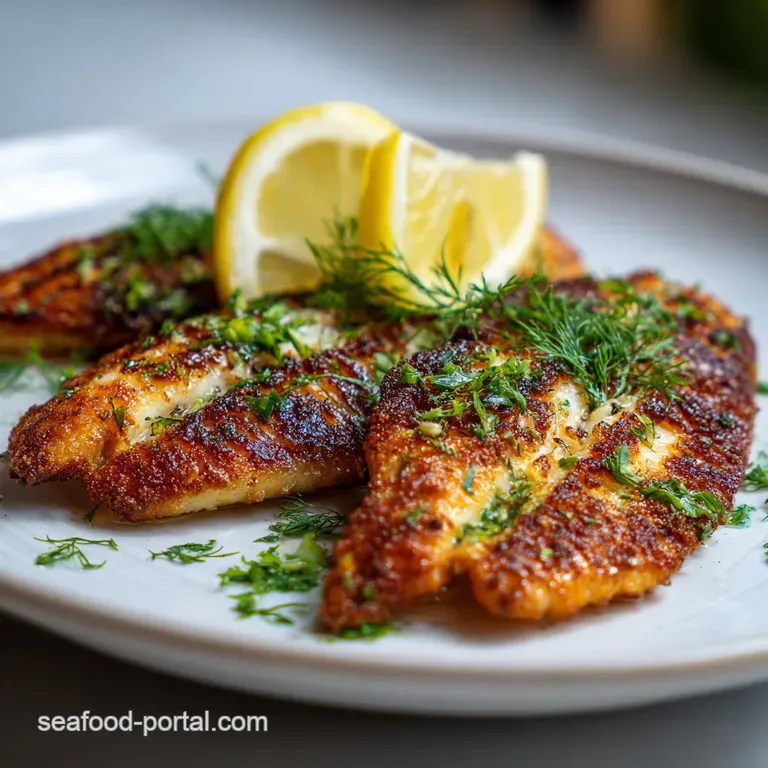
- Dry the fillets. Use paper towels to pat 4 large tilapia fillets completely dry on both sides. Note: Any surface moisture will turn into steam and ruin the crust.
- Mix the spices. Combine 1 tsp sea salt, 1/2 tsp black pepper, 1/2 tsp smoked paprika, and 1/2 tsp garlic powder in a small bowl.
- Season the fish. Sprinkle the spice blend evenly over both sides of the fillets, pressing it in slightly with your fingers.
- Dredge in flour. Place 1/4 cup all purpose flour on a plate and lightly coat each fillet, shaking off all excess. You should see the fish through the flour.
- Heat the oil. Add 2 tbsp avocado oil to your skillet over medium high heat until the oil shimmers and barely wisps of smoke appear.
- Sear the first side. Lay the fillets in the pan away from you. Cook 3 minutes until the edges look opaque and the bottom is deeply golden.
- Flip carefully. Use a fish spatula to turn the fillets over. They should release easily if the crust has properly formed.
- Add the butter. Drop 2 tbsp unsalted butter into the pan and let it melt. Spoon the foaming butter over the fish for 2 minutes.
- Check for doneness. Cook 1-2 more minutes until the fish flakes easily with a fork and smells nutty.
- Finish and rest. Remove from heat, squeeze the juice of 1 fresh lemon over the top, and sprinkle with 1 tbsp fresh parsley.
Fixing Frequent Cooking Errors
Even with a simple recipe, things can go sideways. The most common complaint I hear is that the fish tastes "muddy" or the crust just sloughs off in the pan. Usually, these are easy fixes that happen before the fish even touches the heat.
Crust Falling Off Issues
If your breading is sliding off like a loose jacket, you likely had too much moisture on the fish or too much flour. The flour should be a "dusting," not a "coating." If the fish is wet, the flour turns into a paste that won't bond to the protein during the sear.
Fillets Breaking Apart Problems
Tilapia has a very delicate flake. If you try to flip it too early, it will stick and tear. Patience is a virtue here. If the fish feels stuck, give it another 30 seconds. The "release" happens naturally once the proteins have fully browned and contracted.
| Problem | Root Cause | Solution |
|---|---|---|
| Soggy/Grey Crust | Pan wasn't hot enough | Wait for the oil to shimmer/smoke slightly before adding fish. |
| Burnt Spices | Heat too high for too long | Reduce heat to medium after the initial sear or add butter later. |
| Fish is Dry/Tough | Overcooked | Tilapia only needs about 2-3 minutes per side; pull it at 145°F. |
Common Mistakes Checklist:
- ✓ Never crowd the pan; cook in two batches if your skillet is small.
- ✓ Don't skip the "shake" - excess flour creates gummy spots.
- ✓ Use a neutral oil with a high smoke point; olive oil burns too fast for this sear.
- ✓ Season right before cooking; salt draws out moisture if left too long.
- ✓ Always use a preheated pan; starting cold guarantees sticking.
Creative Ways to Mix Flavors
Once you've got the basic pan-fried Tilapia down, you can start playing with the profile. I love swapping the paprika for cumin and lime juice to make pan-fried Tilapia Tacos. Just shred the finished fish and throw it in a warm corn tortilla with some cabbage slaw and crema. It's a total crowd pleaser.
The Panko Crunch Variation
If you want a more substantial crunch, dip the seasoned fish in a beaten egg and then into panko breadcrumbs. You'll need to add an extra tablespoon of oil to the pan since the breadcrumbs soak it up, but the result is a "shatter" texture that is incredibly satisfying.
gluten-free Swap Option
For my friends who avoid gluten, swap the flour for cornstarch or almond flour. Cornstarch actually creates a thinner, crispier "shatter" crust that some people prefer over the traditional flour version anyway. It's almost like a tempura style finish without the heavy batter.
Scaling Your Meal for Groups
Scaling this up for a dinner party is pretty straightforward, but you can't just double everything and dump it in.
- Doubling (8 Fillets): Work in batches. Keep the first batch in a 200°F (95°C) oven on a wire rack to stay crispy while you cook the second.
- The Spice Rule: When doubling, only increase the salt and spices to 1.5x the original amount. For some reason, doubling spices can become overwhelming and mask the delicate fish.
- The Pan Factor: If you're cooking for a crowd, use two pans simultaneously. Overcrowding the pan drops the temperature and you'll end up steaming the fish instead of frying it.
For smaller portions (just for yourself), simply use two fillets but keep the oil and butter amounts nearly the same. You need enough fat in the pan to create an even "pool" for the fish to sear in, regardless of how many pieces are in there.
Debunking Frequent Cooking Myths
There's a lot of "old wives' tales" in the kitchen that actually make your fish worse. One of the biggest is that you should wash your fish under the tap before cooking. Please, don't do this.
Not only does it spread bacteria around your sink, but it makes it nearly impossible to get the fish dry enough for a proper sear.
Another myth is that you must use a non stick pan for fish. While it’s "safer," you will never get the same level of golden brown crust that a stainless steel or cast iron pan provides. If your pan is hot enough and you use enough fat, the fish won't stick.
The Maillard reaction the browning of sugars and proteins is much more intense on a metal surface.
Storage and Sustainable Waste Tips
Leftover pan-fried Tilapia is best kept in an airtight container in the fridge for up to 2 days. To reheat, don't use the microwave unless you want rubbery fish. Instead, toss it back in a dry skillet over medium heat for 2 minutes per side. This helps revive that crust you worked so hard to create.
Zero Waste Tip: Don't throw away those lemon rinds! After you've squeezed the juice over your fish, toss the rinds into a pot of simmering water with a stick of cinnamon. It makes your whole house smell like a spa and neutralizes any "fishy" cooking odors.
If you have extra parsley stems, freeze them in a bag to use for your next batch of homemade vegetable or fish stock.
Serving Ideas for Better Meals
Tilapia is a blank canvas, so your sides should bring the personality. I personally love serving this over a bed of garlicky sautéed spinach or alongside some roasted asparagus. If you want something heartier, it pairs beautifully with a lemon herb rice pilaf.
If you're looking for a different vibe, try serving the fillets with a side of spicy remoulade or even a quick tartar sauce. The tanginess of a cold sauce against the hot, crispy fish is a classic combination.
For a lighter lunch, flake the cold leftovers over a Caesar salad the salty parmesan and crunchy croutons complement the seasoned crust perfectly. No matter how you serve it, that golden sear is the star of the show.
Recipe FAQs
How to fry tilapia fillets in a pan?
Pat fillets completely dry with paper towels, season them, lightly dredge in flour, then sear in a hot, shimmering oil-covered skillet for 3 minutes per side, adding butter in the last few minutes to baste. Ensure the pan is hot before adding fish to prevent sticking and promote browning.
How long should you fry a piece of tilapia?
Fry for approximately 3 minutes per side, for a total of about 6 minutes. Tilapia is a thin, lean fish and cooks very quickly. It's done when it flakes easily with a fork and reaches an internal temperature of 145°F (63°C).
Is it better to bake or pan fry tilapia?
Pan-frying is better for achieving a crispy exterior. Baking results in a softer texture, while pan-frying with a light dredge creates a golden brown crust and a flaky, moist interior, similar to the texture you’d achieve with a How to Make Fried Fish Cod Crispy Delight: My Family’s Favorite!.
How to get breading to stick to tilapia?
Ensure the fish fillets are completely dry. Surface moisture prevents the flour or breading from adhering properly; patting them thoroughly with paper towels is crucial. Then, lightly dredge in flour, shaking off excess, before searing.
Can I use frozen tilapia fillets?
No, it's best to use fresh tilapia. Frozen tilapia often releases excess moisture when thawed, which makes it very difficult to achieve a crispy crust and can lead to a soggy outcome. If you must use frozen, thaw completely and dry very, very thoroughly.
What is the best oil for pan-frying tilapia?
Use a neutral oil with a high smoke point, like avocado oil. Oils such as avocado, grapeseed, or canola are ideal because they can withstand the medium high heat required for a good sear without burning and imparting a bitter flavor. If you enjoyed mastering high heat searing here, apply similar principles to our Chicken Fried Steak: The Ultimate Ultra Crispy Diner Classic recipe.
How to avoid tilapia sticking to the pan?
Use a hot pan and sufficient oil. Ensure your skillet is adequately preheated before adding the fish; the oil should shimmer. This creates a barrier that prevents the fish proteins from bonding directly to the metal, allowing for an easy release and a beautiful crust.
pan-fried Tilapia
Ingredients:
Instructions:
Nutrition Facts:
| Calories | 282 kcal |
|---|---|
| Protein | 29.2 g |
| Fat | 15.8 g |
| Carbs | 6.8 g |
| Fiber | 0.4 g |
| Sugar | 0.3 g |
| Sodium | 615 mg |
