Pan Fried Dover Sole: Crispy and Silky
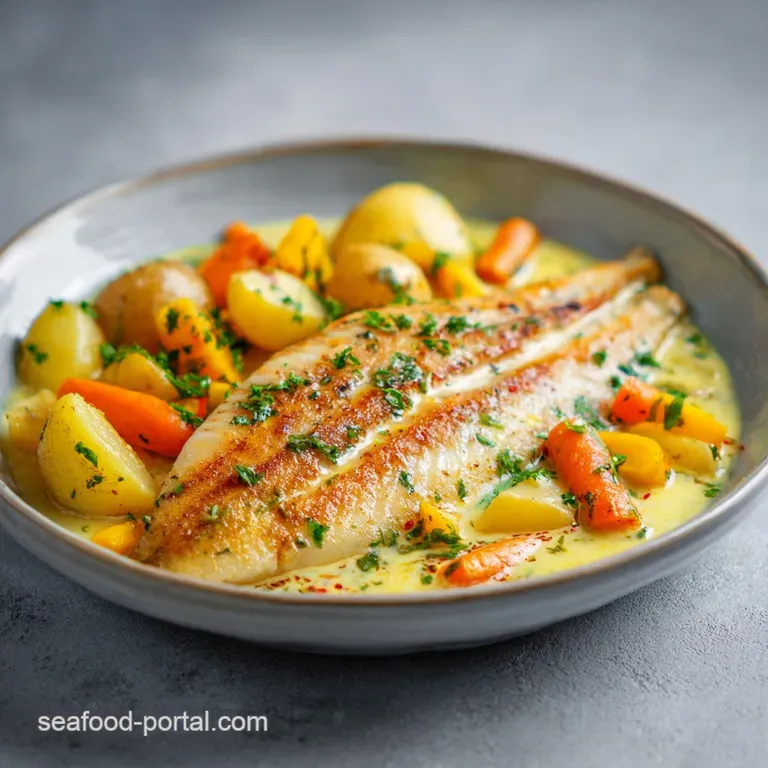
- Time: Active 10 minutes, Passive 8 minutes, Total 18 minutes
- Flavor/Texture Hook: Shatter crisp crust with a silky, nutty brown butter finish
- Perfect for: An elegant date night or a fast weeknight luxury
- Mastering the Classic Dover Sole Recipe Today
- Numerical Breakdown for This Quick Seafood Dish
- The Mechanics of a Successful Sauté
- Selection Comparison for Cooking Methods
- Choosing the Right Components for Flavor Layers
- Best Tools for Achieving a Precise Sear
- Executing the Eight Minute Professional Sauté
- Solving Common Texture and Flavor Issues
- Scaling the Recipe for Larger Groups
- Kitchen Wisdom Debunked
- Keeping Leftovers Fresh and Crispy Later
- Plating Suggestions for a High End Feel
- CRITICAL: Very High in Sodium
- Recipe FAQs
- 📝 Recipe Card
Mastering the Classic Dover Sole Recipe Today
The first time I attempted a dover sole recipe, it was an absolute disaster that ended with me scraping gray, rubbery bits of fish off the bottom of a stainless steel pan. I had followed a generic set of instructions that promised "easy results," but I ignored the one thing that actually matters: moisture.
My fillets were still slightly damp from the package, and instead of searing, they basically steamed in their own juices, leaving me with a soggy, unappealing mess that looked more like wet cardboard than high end French bistro fare.
It was a humbling moment that taught me why professionals obsess over the tiny details of prep before the fish ever touches the heat.
We are going to fix those common frustrations by layering flavors and textures in a specific sequence that ensures the fish stays protected while the exterior turns a glorious mahogany brown.
This dish is all about the "Meunière" style, which translates to "the miller's wife," implying the fish is lightly dusted in flour as if it just came from the grain mill. When done correctly, that thin veil of flour creates a micro crust that captures the butter and lemon sauce, giving you a bite that is simultaneously crisp, tangy, and rich.
Trust me, once you hear that first aggressive sizzle in the pan and see the edges turn golden, you will know exactly why this remains the gold standard for white fish.
We are skipping the complicated flourishes and focusing on the fundamentals: a dry surface, a shimmering pan, and the magic of browning butter. By the time we finish, you will have a plate that looks like it cost sixty dollars at a white tablecloth restaurant, but it will have only taken you eighteen minutes from start to finish.
We are looking for that specific sensory experience where the fork breaks through a delicate crust into a milky white, tender flake. Let's get into the mechanics of why this works so we can avoid the "steamed fish" trap forever.
Numerical Breakdown for This Quick Seafood Dish
| Category | Specification | Target Goal |
|---|---|---|
| Active Prep | 10 minutes | Removing moisture and dredging |
| Cook Time | 8 minutes | Achieving the golden sear and sauce |
| Total Time | 18 minutes | Start to serving |
| Serving Size | 2 people | Ideal for a standard large skillet |
The Mechanics of a Successful Sauté
Understanding what happens inside the pan helps you stay in control of the texture. Here is the logic behind our steps:
- Surface Dehydration: By patting the fish extremely dry, we remove the "thermal buffer" of water that prevents the temperature from rising high enough to create a crust.
- Starch Barrier: A translucent layer of flour acts as a protective shield, preventing the delicate protein fibers from tightening too quickly and becoming rubbery.
- Thermal Conductivity: High smoke point oil transfers heat more efficiently than butter alone, allowing us to sear the fish at 375°F without the fats breaking down or smoking.
- The Brown Butter Effect: Cooking the butter until the milk solids toast creates a complex, nutty flavor profile that complements the mild sweetness of the sole.
Selection Comparison for Cooking Methods
| Method | Total Time | Texture Outcome | Best For |
|---|---|---|---|
| Classic Sauté | 18 minutes | Shatter crisp crust | Maximum flavor and traditional feel |
| oven-roasted | 15 minutes | Soft and tender | Large batches for more than 4 people |
| air-fried | 12 minutes | Very dry and crunchy | A lower fat approach with high crunch |
The classic sauté is the only way to get that authentic Meunière experience where the sauce and the crust become one. While a pan seared cod recipe might be more forgiving with thickness, Dover sole is so thin that the stovetop method gives you the most precision over the doneness.
Choosing the Right Components for Flavor Layers
Selecting the right ingredients is half the battle when the recipe is this simple. There is nowhere for low quality items to hide.
| Ingredient | Science Role | Pro Secret |
|---|---|---|
| Dover Sole Fillets | Lean Protein | Real Dover sole (from the Atlantic) has a firmer, meatier texture than Pacific "sole." |
| European Butter | Emulsification & Flavor | It has less water and more butterfat (82%+) which leads to a more stable, nutty sauce. |
| Fine Sea Salt | Moisture Extraction | Use fine grains to ensure even distribution; large crystals can create "salty pockets." |
| Capers | Acidic Contrast | These provide a briny "pop" that cuts through the heavy fat of the brown butter. |
Essential Ingredients and Substitutions
- 2 (6-8 oz) Dover sole fillets: These are the star. If you cannot find true Dover, look for Lemon Sole or Petrale Sole. Why this? The thin, flat profile allows for an incredibly fast cook time without drying out.
- 1/2 cup (65g) All purpose flour: This provides the structure for our crust.
- Substitute: Cornstarch or Rice Flour for a gluten-free version that is even crispier.
- 1 tsp Fine sea salt: Crucial for seasoning the interior of the fish through the flour.
- 1/2 tsp Freshly cracked white pepper: I prefer white pepper here because it blends into the sauce visually and offers a floral heat.
- Substitute: Black pepper is fine, but it will leave dark specks on your golden fish.
- 2 tbsp High smoke point oil: I recommend Grapeseed or Avocado oil. Why this? It won't burn at the temperatures needed to get that initial sear.
- 4 tbsp (56g) Unsalted European style butter: This is where all your sauce flavor comes from.
- 1/2 Fresh lemon, juiced: This provides the bright top notes to the heavy butter.
- 2 tbsp Fresh parsley, finely chopped: Adds a verdant freshness and visual contrast.
- 1 tbsp Non pareil capers, drained: These small, unripened flower buds are essential for the traditional Meunière profile.
Best Tools for Achieving a Precise Sear
You don't need a kitchen full of gadgets, but two specific items will make your life much easier. First, a fish spatula (like one from Victorinox or Lamson) is non negotiable. Its long, flexible blade allows you to slide under the delicate fillets without breaking them.
A standard pancake turner is often too thick and stiff, which leads to the fish snapping in half during the flip.
Second, use a heavy bottomed skillet. While non stick is great for beginners, a carbon steel or well seasoned cast iron pan will give you a much better crust. The heat retention in a heavier pan prevents the temperature from dropping when the cold fish hits the oil, ensuring that "shimmer" turns into a "sizzle" immediately.
Executing the Eight Minute Professional Sauté
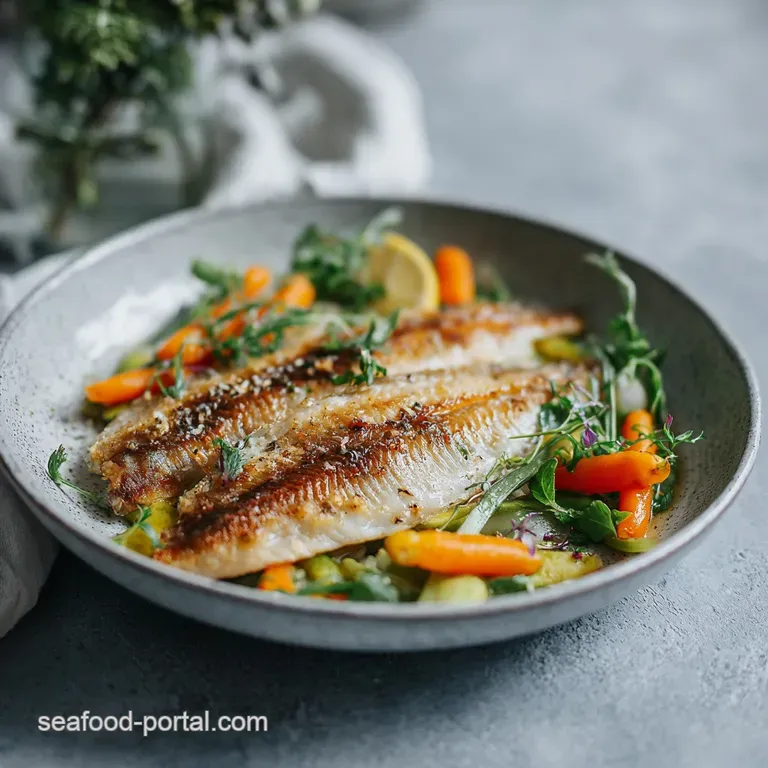
- Pat the Dover sole fillets extremely dry with paper towels to ensure a crisp sear; any residual moisture will steam the fish. Note: This is the most important step for texture.
- Whisk the flour, sea salt, and white pepper together in a shallow tray or plate.
- Immediately before cooking, dredge each fillet into the seasoned flour, shaking off all excess until only a translucent, nearly invisible coating remains. It should look like a light dusting, not a heavy batter.
- Heat 2 tablespoons of high smoke point oil in a large skillet over medium high heat until shimmering and just starting to whisps of smoke appear.
- Place fillets in the pan and sear for approximately 3-4 minutes per side. Wait until the edges look opaque and golden before attempting to flip.
- Use a fish spatula to flip carefully once a golden brown crust has formed. Sear the second side for another 3-4 minutes.
- Remove the fish to a wire cooling rack to maintain crispness. Do not place them on a flat plate yet, as the steam will soften the bottom crust.
- Wipe the skillet clean of any remaining oil using a thick wad of paper towels and tongs.
- Add the unsalted butter to the pan over medium heat. Cook until the milk solids foam and transition to a nutty, mahogany brown color. Listen for the sizzling to stop; that means the water has evaporated.
- Whisk in the lemon juice, chopped parsley, and capers to emulsify the sauce. Pour the hot Meunière sauce over the fillets and serve immediately.
Solving Common Texture and Flavor Issues
Even with a simple dish, the high heat can be intimidating. If your fish isn't looking like the photos, it usually comes down to heat management or moisture.
Texture and Stability Problems
One common issue is the flour coating falling off in "sheets." This usually happens if you dredge the fish too far in advance. The moisture from the fish soaks into the flour, turning it into a paste rather than a dry coating. Always dredge seconds before the fish hits the pan.
If you find the fish is sticking, you likely tried to flip it too early. The fish will naturally "release" from the pan once the proteins have browned and hardened.
| Problem | Root Cause | Solution |
|---|---|---|
| Soggy Crust | Residual moisture on the fish surface | Pat dry with multiple paper towels until the towel stays dry. |
| Fish Breaking | Using a blunt spatula or flipping too often | Use a flexible fish spatula and only flip once. |
| Burnt Bitter Sauce | Butter cooked too long or heat too high | Remove pan from heat as soon as butter smells like hazelnuts. |
Common Mistakes Checklist
- ✓ Never crowd the pan; if the fillets touch, the temperature drops and they will steam.
- ✓ Ensure the oil is shimmering before adding the fish; a cold pan leads to sticking.
- ✓ Shake off every bit of excess flour; a thick coating becomes gummy and heavy.
- ✓ Use a wire rack for resting to prevent the bottom of the fish from becoming soggy.
- ✓ Add the lemon juice at the very end to keep the citrus flavor bright and punchy.
Scaling the Recipe for Larger Groups
When you need to cook for more than two people, you have to be careful about pan temperature.
- Scaling Up (4-8 servings): Do not try to fit four fillets in one pan. Work in batches. Increase the oil and butter proportionally, but only cook 2 fillets at a time. Keep the finished fillets on a wire rack in a 200°F (95°C) oven to stay warm while you finish the rest. For the sauce, you can make a larger batch in a separate small saucepan to ensure it stays hot and emulsified.
- Scaling Down (1 serving): This is easy. Just use 1 fillet and halve the flour and butter. Keep the lemon juice at about 1 teaspoon so you don't overwhelm the single piece of fish.
- Baking Adaptation: If you are cooking for a crowd and want to avoid the stovetop, you can make a stuffed flounder florentine or simply bake the sole at 400°F (200°C) for 10-12 minutes. You won't get the same crust, but the fish will be perfectly cooked and tender.
Kitchen Wisdom Debunked
One of the biggest misconceptions in seafood cooking is that you should always use high heat to "seal in the juices." In reality, searing does not create a moisture proof barrier; it creates flavor through browning. The "juiciness" of a dover sole recipe comes from not overcooking the delicate protein fibers.
If you leave it in the pan too long, the internal moisture will evaporate regardless of how good your crust is.
Another myth is that you must use clarified butter (ghee) for the sauce. While clarified butter has a higher smoke point, it lacks the milk solids that create the signature "nutty" flavor of a true Meunière.
By using whole unsalted butter and watching it carefully, you get those toasted solids which provide the deep, complex flavor profile that defines this dish.
Keeping Leftovers Fresh and Crispy Later
- Storage: Place any leftover fish in an airtight container with a piece of parchment paper between layers. It will stay fresh in the refrigerator for up to 2 days. I don't recommend freezing cooked sole, as the texture becomes quite mushy upon thawing.
- Reheating: Avoid the microwave at all costs; it will turn your crispy fish into rubber. Instead, place the fillets on a baking sheet in a 350°F (180°C) oven for about 5-7 minutes. This helps the exterior crisp back up without overcooking the center.
- Zero Waste Tip: If you have leftover sauce, it is incredible drizzled over steamed asparagus or stirred into a bowl of pasta the next day. Any leftover fish can be flaked into a salad or used as a high end topping for a savory breakfast crepe. Don't throw away the parsley stems either; they can be tossed into a freezer bag for your next seafood stock.
Plating Suggestions for a High End Feel
To truly honor the elegance of this dover sole recipe, keep the presentation simple and clean. I like to serve the fillets on a warmed white plate to keep the butter sauce fluid. Place the fish slightly off center and spoon the Meunière sauce directly over the middle, letting the capers and parsley fall naturally.
A side of boiled baby potatoes tossed in butter or a simple bunch of blanched haricots verts (French green beans) provides the perfect structural balance to the plate. The earthy potatoes soak up the extra lemon butter, while the crisp beans offer a textural contrast to the flaky fish.
Pair this with a crisp, acidic white wine like a Sancerre or a dry Riesling to cut through the richness of the brown butter. It's a meal that feels like a celebration, even if the only thing you're celebrating is making it through a Tuesday.
Enjoy the sizzle and the scent of that toasted butter it's the best part of being the cook!

CRITICAL: Very High in Sodium
1245 mg 1245 mg (54% 54%)
The American Heart Association recommends limiting sodium intake to 2,300mg per day, ideally to no more than 1,500mg for most adults.
Tips to Reduce Sodium
-
Eliminate Added Salt-25%
The recipe calls for 1 tsp of fine sea salt. Omitting this entirely will significantly reduce sodium. You can add a pinch of salt at the very end if absolutely necessary, tasting as you go.
-
Boost Herbs and Spices
Enhance flavor without sodium by using a generous amount of fresh herbs like parsley, and consider adding other aromatics like garlic powder or onion powder to the flour dredge.
-
Rinse Capers-10%
Non-pareil capers are a significant source of sodium. Rinsing them thoroughly under cold water before draining can remove a substantial amount of their saltiness.
-
Maximize Lemon and Pepper-5%
Increase the amount of fresh lemon juice and white pepper. Their bright acidity and pungent spice can help compensate for reduced salt, providing a more complex flavor profile.
Recipe FAQs
How best to cook Dover sole?
Sear the fillets in a hot skillet. Pat the fish extremely dry before dredging in a light dusting of flour, then cook in high smoke point oil for 3-4 minutes per side until a golden brown crust forms.
How does Gordon Ramsay cook sole?
He emphasizes a quick, high heat sear followed by a browned butter sauce. Like the classic Meunière method, he focuses on achieving a nutty, mahogany color in the butter before emulsifying it with lemon and parsley to finish the dish.
What is the 10 minute rule for fish?
Measure the thickest part of the fish and cook for 10 minutes per inch of thickness. While this is a general guideline for oven roasting, Dover sole fillets are much thinner and typically finish in under 8 minutes total on the stovetop.
How do you cook Dover sole in the oven?
Place fillets on a preheated baking sheet and roast at high heat. While pan-searing is preferred for texture, oven roasting requires careful monitoring to ensure the fish does not dry out before the edges become golden.
Why is my fish sticking to the pan?
The pan or oil was not hot enough before adding the fish. Ensure your oil is shimmering before the fillets touch the surface; if you enjoyed mastering searing techniques here, apply the same preheating logic to all your delicate fish recipes.
Is it true I must leave the skin on for better flavor?
No, this is a common misconception. Dover sole is typically prepared as a skinned fillet, and the flavor comes primarily from the browned butter and lemon sauce rather than the skin.
How to prevent the fish from becoming soggy after cooking?
Rest the cooked fillets on a wire cooling rack. Placing the fish directly on a plate traps steam underneath, which softens the crust you worked so hard to create during the searing process.
pan-fried Dover Sole
Ingredients:
Instructions:
Nutrition Facts:
| Calories | 536 kcal |
|---|---|
| Protein | 38.9 g |
| Fat | 39.3 g |
| Carbs | 6.8 g |
| Fiber | 0.7 g |
| Sugar | 0.4 g |
| Sodium | 1245 mg |
