Oven Fried Cod: Proper Crispy Oven-Baked Fish with Panko Crust
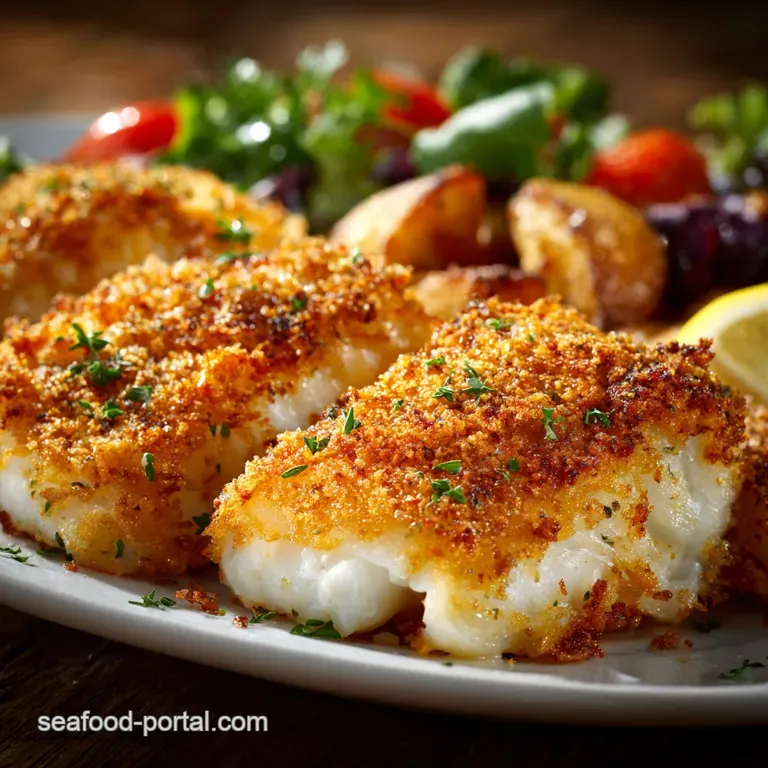
- The Ultimate Guide to Crispy Oven Fried Cod
- The Science of Crisp: Achieving a Perfect Crust on Baked Cod
- Essential Ingredients for Superior Oven Fried Cod
- Step-by-Step: How to Master This Proper Crispy Cod Recipe
- Troubleshooting and Pro Tips for Perfect Oven-Baked Fish
- Storing and Reheating Oven Fried Cod Safely
- Perfect Pairings: What to Serve Alongside Your Crispy Cod
- Recipe FAQs
- 📝 Recipe Card
The Ultimate Guide to Crispy Oven Fried Cod
Stop right there. Can you smell that? It’s the aroma of fresh lemon and the toasted, nutty scent of breadcrumbs sizzling just right, but guess what? We didn't even turn on the deep fryer.
This Oven Fried Cod recipe gives you that perfect, audibly crunchy, golden crust that screams "chip shop classic" while keeping the interior spectacularly flaky and moist.
This isn't just a recipe; it’s a lifesaver for those manic weeknights. It’s significantly healthier than its traditional counterpart, requires minimal oil, and the cleanup? Seriously, it's nothing compared to dealing with a vat of spent frying oil.
We are talking about maximum satisfaction for minimal effort, which is exactly what a home cook needs when dinner needs to happen now .
I’ve spent years getting this technique dialed in, learning the hard way what makes the crust fall off or turn into a sad, soggy mess (trust me, I’ve been there). Ready to unlock the secrets to truly Proper Crispy Oven Baked Cod ?
Let's crack on and get this on your dinner table tonight.
The Science of Crisp: Achieving a Perfect Crust on Baked Cod
Deep Fried Texture Without the Deep Fryer Mess
The trick to baking fish that tastes fried is simple: high heat and pre-saturation. Deep frying works because hot oil instantly sets the batter, creating air pockets and preventing moisture release. We mimic this by cranking the oven up high to 425°F (220°C).
This extreme heat hits the crust immediately, promoting rapid browning and that glorious crunch we crave.
Prepping Your Cod Fillets for Maximum Flakiness
Moisture is the single biggest enemy of a crispy coating, full stop. Before you even think about dredging, you need to pat those cod fillets until they are bone dry using paper towels.
This ensures the seasoning and the initial flour dredge stick properly to the fish, which is the necessary foundation for the entire crust.
The Pre-Oiling Panko Secret for Guaranteed Golden Brown
This is the non-negotiable step that separates the pros from the novices. Always mix your Panko breadcrumbs with fat (olive oil or melted butter) before coating the fish. This ensures every single crumb is saturated.
When the already oiled Panko hits the high oven heat, it toasts instantly, mimicking the way fat behaves in a fryer. This is how we get intense, uniform golden brown coverage without sogginess.
The Importance of the Hot Oven and Rack Placement
You absolutely must use a wire rack set over a rimmed baking sheet. Why? Airflow! If the fish sits directly on the tray, steam gets trapped underneath, resulting in a soggy bottom (and nobody wants that).
The rack allows the hot air to circulate completely around the entire fillet, guaranteeing a crispy crust on the top, sides, and bottom.
Essential Ingredients for Superior Oven Fried Cod
Selecting the Best Cod: Fresh vs. Frozen Fillets
Cod is fantastic because it's so lean and produces beautiful, large flakes when cooked correctly. I usually use sustainably sourced, skinless fillets that are about 1 to 1.5 inches thick. Don't be afraid of frozen cod! Just make sure you thaw it overnight in the fridge and pat it extremely dry before you start.
Seriously, a little extra attention to drying makes all the difference in the world.
Beyond Breadcrumbs: Seasoning the Crispy Crust
While Panko provides the crunch, the seasoning provides the flavour punch. We use lemon zest right in the Panko mix the oil releases the citrus flavour as it bakes. The addition of smoked paprika gives the crust a gorgeous, slightly reddish brown colour and a depth of flavour that fools your taste buds into thinking it was fried in beef tallow.
Ingredient Notes and Allergy Friendly Substitutions
We need three stations: flour (the primer), egg wash (the glue), and Panko (the crunch). If you have dietary restrictions, substitutions are easy!
| Ingredient | Role | Viable Substitute |
|---|---|---|
| Panko | The Crunch | gluten-free Panko or finely crushed corn flakes. |
| Egg Wash | The Binder | Thin layer of mayonnaise or whisked aquafaba (for vegan). |
| Cod | The Main Event | Haddock, Pollock, or Catfish. (If you prefer Catfish, I have an excellent recipe for OvenFried Catfish Bites: Crispy Southern Crunch Without the Fryer that uses cornmeal.) |
| Flour | The Primer | Cornstarch or your favourite GF flour blend. |
Measuring Units for the Perfect Panko-to-Oil Ratio
Don't eyeball the fat, please! The ratio of 3 tablespoons of fat for every 1.5 cups of Panko is the sweet spot. It's enough to coat every crumb, making it feel slightly wet and cohesive, but not so much that it creates a greasy mess on the tray. Precision here means a uniformly golden crust later.
step-by-step: How to Master This Proper Crispy Cod Recipe
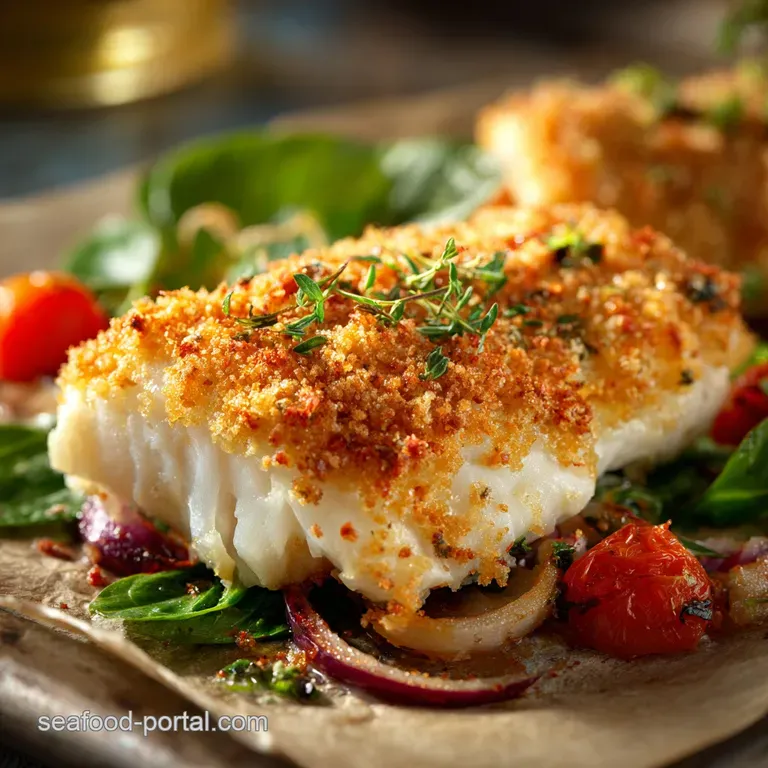
First things first: crank that oven up to 425°F (220°C). Grab your tray, line it, put the rack on top, and spray it down lightly this step prevents instant sticking.
- Prep the Panko Mixture: In your largest shallow dish, dump the Panko, the olive oil, lemon zest, paprika, parsley, and salt. Use your hands to really work the fat into the Panko until every crumb is coated. It should look like toasted, wet sand.
- Set Up the Stations: Prepare the flour dredge (flour + garlic powder) in dish one. Whisk the eggs, milk, and Dijon mustard in dish two. Set them up in a line: Flour, Egg, Panko.
- Coat the Cod: Pat the fish dry, then lightly season with salt and pepper. First, coat completely in the flour, shaking off the excess. Next, quickly dip in the egg wash. Finally, press the fillet firmly into the Panko mixture on both sides and along the edges. Press hard ; this ensures a thick, insulating crust.
- The Essential Chill: Place all coated fillets on the prepared wire rack. Transfer the entire tray to the fridge and chill for 15 minutes. This cooling time locks the crust onto the fish.
- Bake: Slide the chilled tray into the preheated oven. Bake for 15 to 20 minutes, depending on the thickness of your cod.
- Rest and Serve: The crust should be deeply golden brown. Pull the fish out when the internal temperature hits 145°F (63°C). Let it rest right on the rack for two minutes before serving with a massive squeeze of lemon.
Troubleshooting and Pro Tips for Perfect Oven Baked Fish
Setting Up Your Triple Dredging Station
Organization is key to minimizing mess and maximizing crust adhesion. Use large, shallow plates or pie dishes. Keep one hand designated the "wet hand" (for the egg wash) and the other the "dry hand" (for flour and Panko).
This simple separation prevents your fingers from turning into big, crusty claws by the time you reach the third fillet.
Ensuring Full Coverage and Pressing the Panko Firmly
The most common mistake is being too gentle with the Panko. You need to press the breadcrumbs into the fillet. Roll the edges in the Panko, too. If the fish still looks patchy, dip the bare spots back into the egg wash and press more Panko on. Remember, a thicker coat equals a better crunch.
Exact Bake Times and The Flip Question
For standard 1.5 inch thick cod, 18 minutes at 425°F is usually perfect. But the real key is temperature. Use an instant read thermometer. Once it hits 145°F (63°C) you are golden, literally and figuratively. Do you need to flip it? Absolutely not.
The wire rack solves the flipping problem entirely by ensuring even heat distribution.
Why Your Crust Might Be Soggy (And How to Fix It)
If your crust is soggy, you missed one of the critical steps. You either skipped the wire rack, or you didn't pat the fish dry enough. Excessive moisture steams the crust from the inside, ruining all our hard work.
Chef's Note: If you used frozen fish, you might need to blot it dry twice before seasoning. Water likes to hide!
Achieving Uniform Thickness in Your Fillets
Sometimes cod fillets have a thick end and a thin, tapering tail end. If your fillets are wildly uneven, you can either tuck the thin tail end under itself (creating a double layer), or use the flat side of a meat mallet to gently pound the thick part down until the whole fillet is roughly the same depth.
This guarantees even cooking time for all four portions.
Testing for Internal Doneness Without Cutting
Never cut into the fillet to check for doneness; that releases juices and dries out the fish. Instead, insert your thermometer into the thickest part we are looking for a firm, opaque white colour and that 145°F mark.
Alternatively, if you press gently on the centre, the cod should feel firm and the layers should just start to separate (or "flake").
Storing and Reheating Oven Fried Cod Safely
Best Practices for Refrigerating Leftovers
Cooked oven fried cod keeps really well in the fridge, provided you store it in an airtight container for up to three days. The key is allowing it to cool completely before covering it, which minimizes condensation.
The Air Fryer or Oven Method for Restoring Crispiness
Microwaving turns this into a wet sponge, so don't do it! To bring back the crunch, use high, dry heat. Pop the cod into a 350°F (175°C) oven or air fryer for about 5 to 8 minutes, just until heated through and the crust is brittle again.
Can You Freeze Coated or Cooked Cod?
Yes, you can freeze it cooked, but the texture suffers a bit upon reheating. Better yet, freeze the unbaked, coated fillets. Once coated and chilled, transfer them to a baking sheet lined with parchment paper and freeze until solid (about two hours).
Then, stack them in a freezer bag. When ready to cook, bake them directly from frozen, adding about 5 to 7 minutes to the total bake time.
Perfect Pairings: What to Serve Alongside Your Crispy Cod
Homemade Lemon Dill Tartar Sauce (A Must Try Dip)
Is oven fried cod truly complete without a killer tartar sauce? I think not. Mix high-quality mayonnaise with finely diced capers, cornichons (or gherkins), plenty of fresh dill, and a huge squeeze of lemon juice. This sharp, creamy dip perfectly cuts through the richness of the crispy Panko crust.
Traditional Chip Shop Sides Reimagined
Since this recipe channels that iconic British feel, serving it with thick cut fries or proper chips is essential. If you are feeling extra nostalgic, mushy peas are traditional, but I also highly recommend making a batch of my Cod Cakes: The Best Crispy Fish Cake Recipe with Flaky Cod with any tiny scraps you might have leftover.
Fresh Vegetable Slaws and Simple Salad Options
If you need something light, a vinegary, crunchy side is exactly right. A simple coleslaw made with cabbage and carrots, dressed with apple cider vinegar instead of mayo, offers a necessary crunch and tang. Alternatively, a quick arugula salad tossed with a simple lemon vinaigrette keeps things super fresh and speedy.

Recipe FAQs
Why didn't my cod crust get crispy?
Ensure your oven is fully preheated to the required high temperature, as immediate high heat is essential for crisping. The key to the "oven fried" texture is pre-tossing the Panko breadcrumbs thoroughly with the oil, which helps them "fry" in the oven heat.
Also, make sure you are not overcrowding the baking sheet, as trapped steam will prevent the crust from drying out.
Can I use standard breadcrumbs instead of Panko?
While you can substitute, standard breadcrumbs are finer and denser, resulting in a softer, more uniform crust rather than the light, airy crunch Panko provides. If you must use standard crumbs, try toasting them briefly before coating the fish to enhance their crisp potential.
Panko is highly recommended to achieve the true "oven fried" texture.
How can I prevent the cod from becoming dry or tough?
Cod is a lean fish that cooks quickly, so precise timing is crucial; aim for an internal temperature of 145°F (63°C). Ensure your fillets are roughly the same thickness for even cooking and measure their thickness before setting the timer.
Overbaking, even by a few minutes, will quickly lead to a tough, dry texture.
Can I bake this recipe using frozen cod fillets?
No, it is essential to fully thaw the cod before beginning the coating process. Baking from frozen often results in the outside crust burning before the center is cooked, and the excess moisture released during thawing will soak the Panko, preventing crispiness.
Always pat the thawed fish fillets very dry with paper towels before dredging.
What is the best way to store and reheat leftover oven fried cod?
Store leftovers in an airtight container in the refrigerator for up to two days, avoiding stacking the fillets if possible. To reheat, avoid the microwave, which will make the crust soggy; instead, use a toaster oven or the main oven at 350°F (175°C) for 8-10 minutes until warmed through and the crust has regained some crispness.
Can I use this coating method with other types of fish?
Absolutely, this high heat, Panko coating method works exceptionally well with most firm white fish varieties. Great alternatives include haddock, pollock, flounder, or sea bass. You may need to adjust the cooking time slightly based on the precise thickness of the fillet you choose.
How can I make this recipe gluten-free?
This recipe is easily adaptable by substituting the standard Panko breadcrumbs with gluten-free Panko, which are widely available and provide a very similar light texture. Also, ensure any flour used for dredging the fish (if you choose to use it) is a certified gluten-free variety.
The rest of the ingredients are naturally gluten-free.
Oven Fried Cod Panko Recipe
Ingredients:
Instructions:
Nutrition Facts:
| Calories | 128 kcal |
|---|---|
| Protein | 0.1 g |
| Fat | 0.3 g |
| Carbs | 32.6 g |
