Shrimp Orzo: the Ultimate Creamy One-Pot Lemon-Garlic Recipe
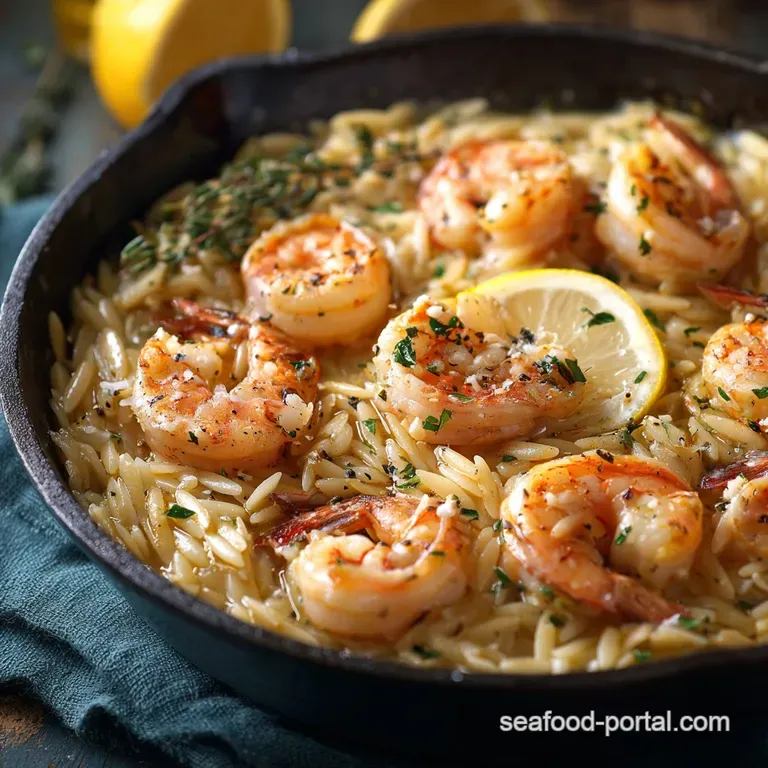
- The Ultimate Weeknight Winner: One-Pot Lemon-Garlic Shrimp Orzo
- Decoding the Creaminess: Why This Shrimp Orzo Recipe Triumphs
- Essential Ingredients and Expert Substitutions for the Perfect Shrimp Orzo
- How to Cook One-Pot Lemon-Garlic Shrimp Orzo (Step-by-Step Method)
- Expert Chef's Tips and Troubleshooting for Orzo Success
- Making Ahead and Storing Your Leftover Shrimp Orzo
- Perfect Pairings and Presentation for Your Meal
- Recipe FAQs
- 📝 Recipe Card
The Ultimate Weeknight Winner: One-Pot Lemon Garlic Shrimp Orzo
Can you smell that? It’s sunshine and comfort hitting your nose all at once. This One-Pot Lemon Garlic Shrimp Orzo doesn't just taste good, it fills your entire kitchen with that warm, garlicky, slightly nutty fragrance that makes everyone hover near the stove.
The texture is the real MVP here, mimicking that perfect Italian risotto without all the tedious, continuous stirring.
Honestly, this dish is my emergency button for dinner. We’re talking 40 minutes, start to finish, and virtually zero dishes, which is the real magic of a good one-pot meal.
Forget complicated techniques; if you can boil water and stir, you can totally nail this creamy, flavor packed meal that uses simple pantry ingredients. It’s cheap, cheerful, and satisfies that deep comfort food craving every single time.
I’ve spent years refining my one-pot techniques you know I’m all about maximizing flavor for minimal effort. I’m going to share the two tiny tricks that take this shrimp orzo recipe from "good weeknight pasta" to "absolutely restaurant worthy." Let’s crack on and make some creamy pasta perfection.
Decoding the Creaminess: Why This Shrimp Orzo Recipe Triumphs
What is Orzo (Risone) and Why Does It Work So Well?
Orzo is pasta, not rice, but it’s shaped like giant grains of rice (it’s sometimes called risone in Italy). Because the pieces are so small, it cooks fast, which is a big win for weeknights. Crucially, it releases starch like crazy when you cook it low and slow. That starch is what gives us the incredible, velvety sauce, making it the perfect base for our Shrimp Stir Fry: Restaurant Quality Ginger Garlic Recipe in 35 Mins leftovers, if you ever happen to have any.
Is This Recipe Difficult? Prep Time and Cook Time Overview
Nope, it’s ridiculously easy. Prep time is maybe 15 minutes, mainly dedicated to chopping one shallot and zesting a lemon. The cook time is only 25 minutes!
This is why I love Shrimp Orzo —it delivers maximum flavor impact in very little time. You’ll be eating before the pizza delivery guy even finds your address.
The Mediterranean Flavor Profile: Lemon, Garlic, and Parmesan
This combination is a classic for a reason. Garlic provides a necessary savory warmth, lemon cuts through the richness, and Parmesan adds a salty, nutty umami depth. We layer the flavor by using the lemon zest early for infusion and the fresh juice late for brightness.
This simple layering trick is essential for the best shrimp orzo pasta .
The Starch Release Technique for Risotto Style Texture
This is the secret sauce to the creaminess. Instead of dumping all four cups of broth in at once, we add it slowly, stirring often, like you would for a traditional risotto. This patient method forces the orzo to shed its starch into the liquid slowly. Always use warm broth!
Adding cold broth drastically shocks the pasta and messes up the absorption and cooking time.
The Benefit of Searing Shrimp Separately (For Maximum Tenderness)
I learned this the hard way: if you boil the shrimp in the simmering orzo, they turn into tough, rubbery little hockey pucks. Please don’t do that. We sear them fast and hard for a minute or two, let them rest, then fold them back in at the very end just to warm up.
This guarantees juicy, tender shrimp every single time.
Balancing Acidity and Richness (Lemon Zest vs. Dairy Integration)
The richness comes from the toasted orzo, the butter, and the Parmesan. To stop the final dish from tasting too heavy, the lemon is absolutely vital. We use the zest during cooking to infuse the broth, but the fresh squeeze of lemon juice goes in right at the end.
That blast of acid makes the entire dish taste fresh and incredibly bright.
Essential Ingredients and Expert Substitutions for the Perfect Shrimp Orzo
| Ingredient | My Recommendation | Substitution Notes |
|---|---|---|
| Shrimp (1 lb) | Large (16/20 count), deveined | Use cod or scallops, sear for the same quick time. |
| Liquid (4 cups) | Low-Sodium Chicken or Veg Broth, warmed | Use half water, half dry white wine, plus a spoonful of Better Than Bouillon paste. |
| Shallot (1 large) | Finely diced | One-half small yellow onion (less sweet, but works). |
| Parmesan Cheese | Freshly grated from a block | Use Pecorino Romano for a sharper taste, or a good quality Feta for tang. |
| Fresh Parsley | Flat leaf, chopped | Basil or even fresh dill are great alternatives for finishing. |
Choosing the Right Shrimp Size (Fresh vs. Frozen Considerations)
I prefer 16/20 count (large) because they don't totally disappear into the pasta. Fresh is lovely, of course, but frozen is completely fine, just make sure they are fully thawed and patted bone dry before searing. If you use smaller shrimp, reduce the searing time slightly, just to prevent any toughness.
Broth vs. Water: Which Liquid Delivers the Best Flavor Base?
Broth, always. Water is just boring, darling, and we are not making bland food here. Use low-sodium chicken or vegetable broth because then we have complete control over the salt content. If you happen to have homemade seafood stock lurking in the freezer, that’s next level! If you want to replicate the richness found in a great classic like Shrimp and Sausage Gumbo: The Authentic Deep South Classic Recipe , homemade stock is absolutely essential.
Must Have Pantry Staples: Garlic, Lemon Zest, and Herbs
We need real garlic, please, not the jarred stuff that tastes a little stale. Shallots are my preferred aromatic because they are sweeter and melt down beautifully, but a small yellow onion works perfectly well too. Fresh parsley is mandatory for the vibrant green finish; it adds flavor and color.
Dairy Notes: Selecting the Right Parmesan and Butter
Always grate your own Parmesan from a block; the pre-shredded stuff has additives that make the final texture grainy, which is a huge letdown. Use good quality unsalted butter so you control the salt content precisely. If you can’t get Parmesan, Pecorino Romano is a fantastic, sharper substitute.
How to Cook One-Pot Lemon Garlic Shrimp Orzo (step-by-step Method)
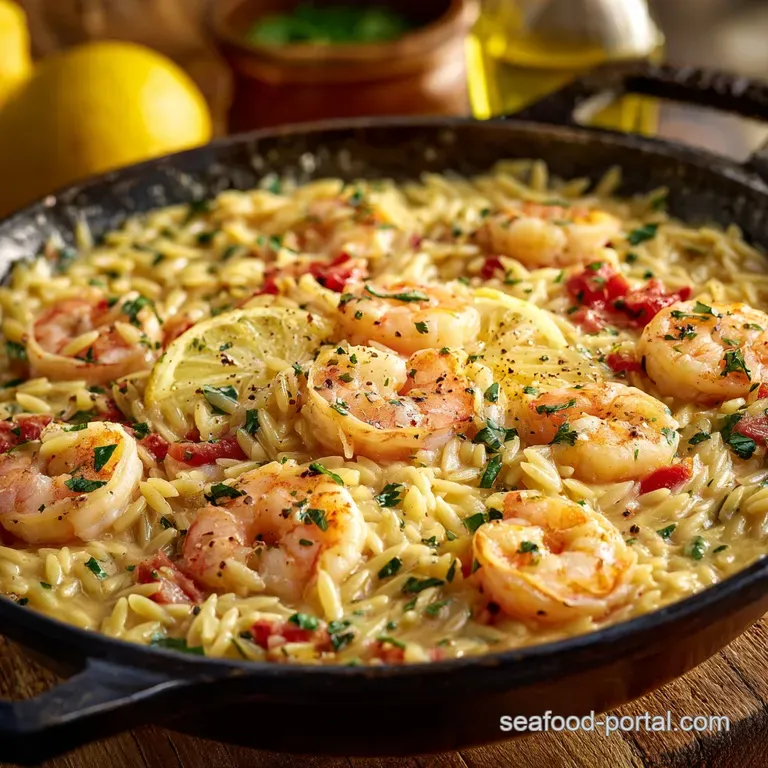
Stage 1: Searing the Shrimp (Preventing Overcooking)
Heat your oils and butter in the Dutch oven until shimmering we want medium high heat for a fast, quick sear. Toss the seasoned shrimp in a single layer, cook them 90 seconds per side, and then get them out of the pot immediately . They should still look slightly undercooked in the center.
Do not wipe out the pan! We need to leave the juices and browned bits (the fond ) for the next stage; that is pure flavor gold.
Stage 2: Building the Aromatic Base (Garlic and Seasonings)
Turn the heat down to medium and add the diced shallots to the pot. Sauté them in the leftover shrimp fat until they are soft and translucent, about 3– 4 minutes. Now, stir in the minced garlic and cook until you can smell it strongly, usually about 60 seconds.
Then, crucially, add the dry orzo pasta and toast it for two minutes, stirring constantly until it starts smelling faintly nutty. That nutty aroma is your cue to move on!
Stage 3: Simmering the Orzo Until Al Dente (The Liquid Absorption Phase)
If you’re using wine, pour it in now to deglaze, scraping the bottom bits of flavor up with a wooden spoon. Next, introduce the warmed broth, one cup at a time. Stir frequently, allowing the liquid to be mostly absorbed before adding the next cup.
This crucial process should take 12– 15 minutes until the orzo is al dente. Taste it! We want it tender, but with a tiny bit of resistance left in the center.
Stage 4: The Finishing Touches (Stirring in Parmesan and Lemon Juice)
Take the pot off the heat right now. Stir in the cold, diced butter, the lemon zest, and the Parmesan cheese. Stir vigorously until a thick, creamy sauce forms this is the mantecare technique for maximum creaminess.
Gently fold the reserved shrimp and any accumulated plate juices back into the orzo, heating them just long enough to warm through (about 1 minute). A final squeeze of fresh lemon juice and the chopped parsley keeps things beautifully bright. Serve it immediately in warm bowls.
Chef's Note: Use the microplane to zest the lemon before you cut it to extract the juice. The zest holds all the essential oil it provides brightness without sourness.
Expert Chef's Tips and Troubleshooting for Orzo Success
Preventing Sticky or Gummy Orzo (The Heat Control Rule)
The most common mistake is adding the liquid too fast or using high heat, which makes the starch gluey. You must treat this like a delicate risotto. Simmer gently over medium low heat and stir often, especially as the mixture begins to thicken.
If the shrimp orzo starts sticking to the bottom of your pot, your heat is absolutely too high, or you simply aren’t stirring enough.
Adjusting the Consistency (When the Dish Is Too Thick or Too Thin)
If the dish is too thick at the end which often happens because orzo absorbs moisture rapidly simply stir in a splash more warm broth, one tablespoon at a time, until it flows beautifully.
If it’s too thin, keep stirring vigorously off the heat; the orzo will continue to absorb liquid even after you stop adding broth, especially once you add the starch thickening Parmesan.
Maximizing the Lemon Garlic Punch (Flavor Infusion Tips)
I often double the garlic (yes, 8 cloves!) because it mutes somewhat during the slow sauté. For the lemon, make sure you add that final squeeze of fresh lemon juice right before serving; it creates a non-negotiable acidic pop that lifts all the creamy heaviness.
Making Ahead and Storing Your Leftover Shrimp Orzo
Safe Refrigeration Guidelines and Shelf Life
Because this amazing dish contains both seafood and dairy, plan to eat the leftovers within 3 days. Store it in an airtight container quickly once it cools down. If you’re truly planning to make the dish ahead for a gathering, I recommend undercooking the orzo by 1- 2 minutes and skipping the shrimp and Parmesan until reheating. This same strategy is used when we prepare dishes like our beloved Seafood dressing recipe: The Ultimate Crab Shrimp Thanksgiving Stuffing ahead of time.
Reheating Techniques to Restore Creaminess
When it cools, the orzo soaks up all the liquid and becomes one stiff block. Don't panic! Reheat it gently on the stovetop in a saucepan over low heat. You must add a generous splash of broth (or even just water) and perhaps a tiny knob of fresh butter. Stir gently until it relaxes and becomes gloriously creamy again.
Microwave reheating is technically fine, but it tends to dry out the delicate shrimp, so I avoid it.
Can I Freeze This Recipe? (Dealing with Dairy and Shellfish)
Honestly? I wouldn't. The dairy sauce will almost certainly separate when thawed, and the texture of the seared shrimp seriously degrades. If you absolutely must freeze it, only freeze the plain orzo base (before adding the Parmesan, butter, or shrimp).
Thaw that base overnight, then cook the shrimp fresh and fold them into the reheated, enriched orzo base.
Perfect Pairings and Presentation for Your Meal
Since this dish is so rich and creamy, you need something green and bright on the side to balance it out. A simple Arugula salad dressed with olive oil and vinegar is perfect it has that necessary peppery bite to cut through the decadence.
A slab of crusty Sourdough Bread is a non-negotiable requirement for mopping up every last bit of that luscious sauce. Seriously, don't skip the bread. If you want something truly impressive for a starter before diving into the main course, you have to try my recipe for Baked Jumbo Stuffed Shrimp with Crabmeat: Easy, Luxurious Starter .
Recipe FAQs
How do I prevent the shrimp from becoming tough or rubbery?
Shrimp cook incredibly fast; overcooking them is the most common mistake. For this one-pot method, cook the shrimp separately for 2 minutes until just pink, then remove them before making the orzo base.
Stir the shrimp back into the pot only during the last 60 seconds of cooking just to heat them through, ensuring they remain tender.
My orzo absorbed all the liquid too quickly and is still firm. What should I do?
Orzo behaves much like risotto, requiring ongoing liquid adjustments. If your liquid evaporates before the pasta is cooked, simply add another half cup of hot broth (chicken or vegetable) at a time, stirring until absorbed.
Ensure your heat isn't too high, as rapid boiling speeds up evaporation before the starches have time to hydrate properly.
Can I substitute the shrimp with another protein, like chicken?
Yes, you can substitute the shrimp with diced chicken breast or thigh, but the cooking time changes significantly. Make sure to fully sauté the diced chicken until it is cooked through and lightly browned before you add the liquid and the orzo to the pot.
This ensures both food safety and proper flavor development.
How should I store leftover Shrimp Orzo, and can I freeze it?
Leftovers should be stored in an airtight container in the refrigerator for up to 3 days. When reheating, the orzo will be much thicker, so add a splash of water or broth to loosen the texture on the stovetop or in the microwave.
Freezing is not recommended, as the pasta starch breaks down upon thawing, resulting in a mushy texture.
I need to make this dairy-free. What is a good substitute for Parmesan cheese?
To maintain a cheesy, nutty profile without dairy, nutritional yeast works wonderfully as a substitute for grated Parmesan. If the recipe calls for any butter, swap it out for olive oil or a dairy-free butter alternative.
You can also finish the dish with a touch of cashew cream for added richness, replacing the creaminess the Parmesan provides.
Why is my orzo dish mushy instead of creamy?
Mushiness usually results from overcooking or covering the pot too early. Unlike traditional pasta, orzo is simmered and constantly agitated, which releases starch needed for creaminess not mushiness.
Cook it uncovered and stop simmering when it reaches an al dente stage, as it will continue softening after it’s removed from the heat.
Can I use bottled lemon juice instead of fresh lemon juice and zest?
While bottled lemon juice provides necessary acidity, fresh lemon juice and zest are highly recommended for optimal flavor. The zest contains fragrant oils that provide a bright, aromatic depth essential to this dish, which bottled juice simply cannot replicate.
Always use fresh citrus for the most vibrant Mediterranean flavor.
One Pot Lemon Garlic Shrimp Orzo
Ingredients:
Instructions:
Nutrition Facts:
| Calories | 542 kcal |
|---|---|
| Protein | 30.2 g |
| Fat | 19.9 g |
| Carbs | 51.3 g |
