Misomarinated Black Cod: the Silken, Restaurant-Quality Gindara Saikyōyaki
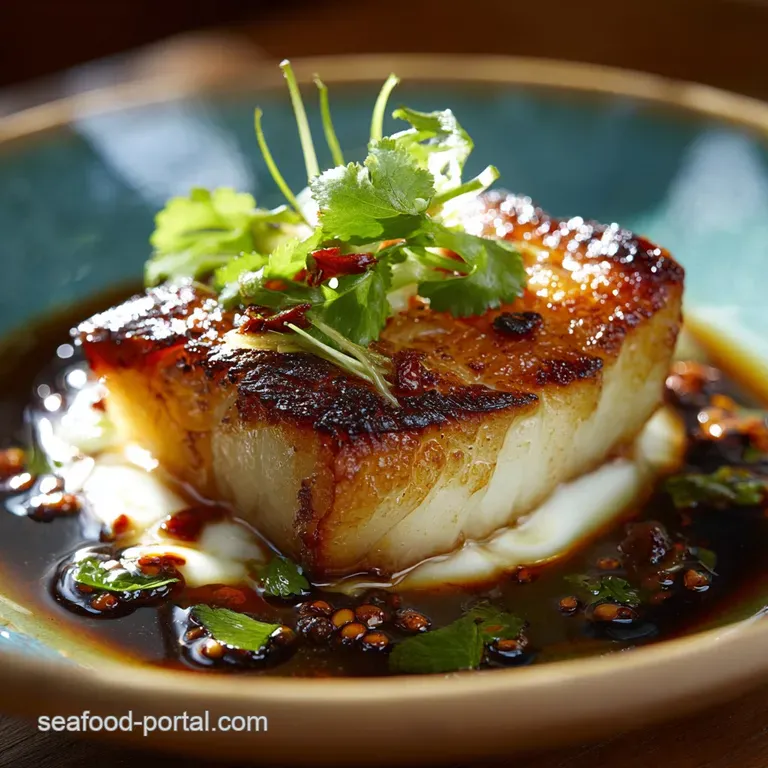
- Mastering MisoMarinated Black Cod: The Secret to Gindara Saikyōyaki at Home
- Culinary Science Behind the Perfect Miso Cod
- Essential Components for Authentic MisoMarinated Black Cod
- Method: Achieving the Restaurant-Quality Miso Glaze
- Troubleshooting and Expert Secrets for Silken Results
- Preparing and Storing MisoMarinated Black Cod
- Elegant Pairings: What to Serve Alongside Gindara Saikyōyaki
- Recipe FAQs
- 📝 Recipe Card
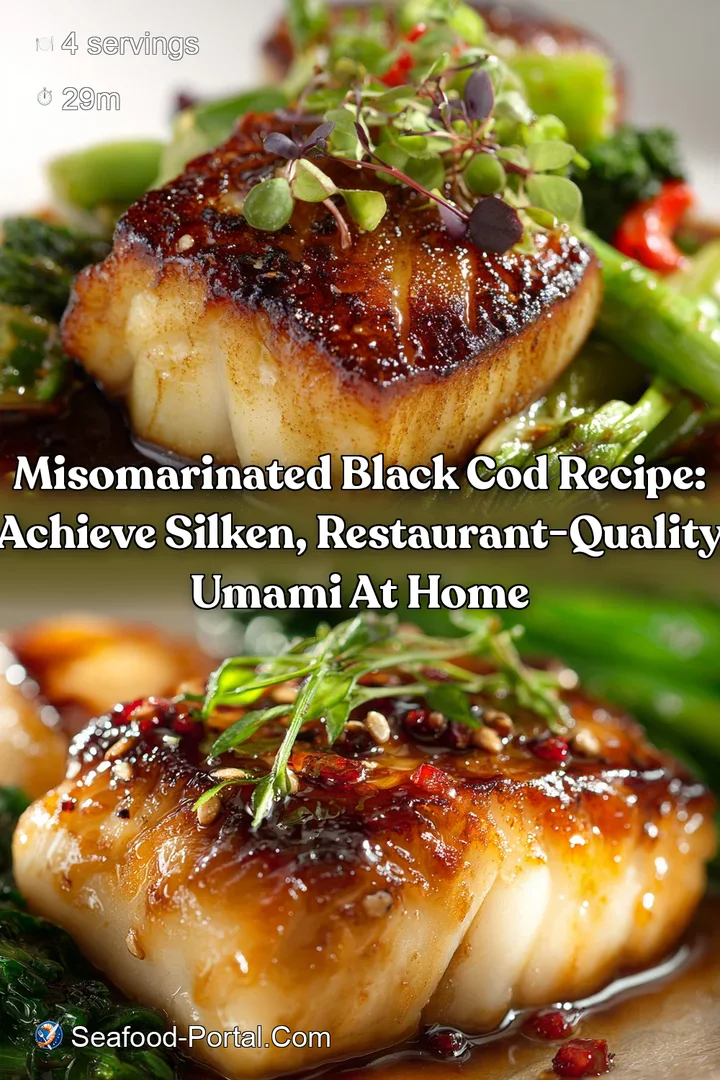
Mastering MisoMarinated Black Cod: The Secret to Gindara Saikyōyaki at Home
The first time I pulled this MisoMarinated Black Cod out of the broiler, the aroma was so intense and complex it stopped me dead in my tracks. It smells like a nutty, savory caramel with that salty, funky sweetness only good miso can deliver. But the texture?
It’s simply unbelievable; black cod, also known as sablefish, is so rich in omega fats that it melts on your tongue like warm butter.
I know what you’re thinking: isn't this that ridiculously expensive dish from that fancy fusion place? Yes, it is, but preparing it at home is shockingly low effort. The marinade does 99% of the heavy lifting for you, turning this luxury dish into a simple, hands off weeknight (or weekend) superstar.
You measure, you stir, you wait a few days, and then you have a perfect, silken piece of fish.
I’ve made every mistake possible with miso glazed fish I’ve burned the glaze, I’ve under marinated the cod, and I’ve paid far too much for the wrong cut.
Now I’m sharing the definitive blueprint, focusing strictly on the traditional Japanese technique (Gindara Saikyōyaki) that yields flawlessly caramelized, restaurant quality results every single time. Let’s get this gorgeous fish dinner sorted.
Culinary Science Behind the Perfect Miso Cod
The Legacy of Luxurious Simplicity: What Makes Black Cod Unique
Black Cod (Sablefish) isn't actually a cod, which is important because its structure is totally different. This fish is legendary because it boasts some of the highest omega-3 contents of any white fish, giving it a moisture and fat level that regular cod or haddock just cannot match.
That high fat content acts like a sponge, allowing the intense miso flavor to penetrate deeply without drying out the fillet during over high heat cooking.
Texture and Taste Profile: Why This Dish Is Coveted
When the miso, sugar, sake, and mirin combination hits the black cod, it creates magic. The miso provides the deep, satisfying umami base, while the high sugar content ensures a beautiful, non-sticky glaze that caramelizes perfectly under the broiler.
This incredible balance between savory, sweet, and rich is why people pay small fortunes for a single serving.
Pre-Marination Prep: Selecting and Cutting Sablefish Fillets
Moisture is the enemy of flavor absorption and proper searing. It’s absolutely critical that you pat your black cod fillets rigorously dry before they even glimpse the marinade. I look for 1 inch thick fillets, ideally with the skin on, as the skin helps hold the delicate, buttery flesh together when you flip it.
The Power of Saikyō Miso: Lower Sodium, Higher Sweetness
You’ve probably seen standard red (Aka) or white (Shiro) miso, but Saikyō miso is the traditional choice here for a good reason. It’s fermented for a much shorter time, making it significantly sweeter and lower in salt than other varieties.
This sweetness is key; it creates that desired dark, candy like glaze without making the finished product overly salty.
Osmosis and Texture: How Miso Cures the Fish
When you submerge the cod in the miso glaze, two things happen. First, the salt and sugar mixture begins to lightly cure the fish through osmosis, drawing out residual moisture from the surface.
Second, the marinade’s enzymes start to slightly tenderize the proteins, which is why your fish comes out so incredibly silky. Trust me, the 48 hour wait is worth the textural reward.
The Caramelization Equation: Sugar Content vs. High Heat
We need enough sugar in the recipe to get that beautiful, dark brown crust, but that sugar is also a huge risk factor. Too much heat for too long equals burning, not caramelizing. This is why we rely on a quick bake to cook the fish through, followed by a very fast, hot blast under the broiler to achieve the dark glaze without turning the miso to charcoal.
Essential Components for Authentic MisoMarinated Black Cod
Choosing Your Cod: Black Cod vs. Sablefish (Sourcing Notes)
Let’s clear this up: Black Cod is Sablefish. They are the same species, known scientifically as Anoplopoma fimbria . Always look for thick, glossy fillets, ideally frozen immediately after harvest.
This is not the dish to skimp on quality; the result is directly tied to the fat content of the fish itself.
| If you can’t find Black Cod... | Try This Substitute: |
|---|---|
| Too expensive or unavailable | Chilean Sea Bass (same high fat content) |
| Need a cheaper alternative | Thick Halibut Fillets (less fatty, but holds shape) |
Building the Marinade: Sake, Mirin, and the Perfect Miso Blend
The holy trinity of the marinade sake, mirin, and miso must be balanced perfectly. We briefly heat the liquids with the sugar to dissolve the granules and evaporate some of the alcohol, which ensures a super smooth, uniform glaze.
I once skipped this step and ended up with gritty sugar chunks stuck to my cod. Never again!
| If you need a Non-Alcoholic Marinade... | Try This Substitute: |
|---|---|
| Replace Sake | Dry white grape juice |
| Replace Mirin | Dry sherry mixed with a pinch of extra sugar |
Sustaining the Marination: Understanding Refrigeration Times
While I’ve seen recipes that suggest four hours, that’s just asking for disappointment. For truly saturated flavor, you must commit to 48 hours. Seventy two hours is my sweet spot.
Anything beyond four days, however, and the curing effect of the miso might become too strong, potentially toughening the fish. Store it in a sealed zip-top bag to minimize air exposure.
Must Have Tools: Non-Stick Pans and Reliable Broilers
This glaze is sticky, sticky, sticky! You need high-quality parchment paper or a silicone mat, seriously. If you skip this, the glaze will weld itself to the baking sheet. I also love using an instant read thermometer (aim for 145°F / 63°C) because black cod is expensive, and overcooking it is a crime against flavor.
Method: Achieving the Restaurant Quality Miso Glaze

The Critical Marination Phase (Minimum 48 Hours)
After mixing and cooling your marinade completely, gently coat the bone dry cod fillets. Ensure they are fully submerged or generously coated. Tuck them into the fridge. Now, be patient! You’re essentially letting the umami goodness seep into every fatty layer of the fish.
Wiping, Not Rinsing: Preparing the Cod for Cooking
When the marination time is up, this next step is where most home cooks fail. Gently remove the fish and use a spatula or the back of a knife to aggressively scrape off the excess miso paste. Do not rinse it under water; that will wash away flavor and add unwanted moisture.
You should only have a thin, barely visible glaze coating the fish. If you leave clumps, they will burn immediately.
Broiling Techniques for a Uniform Caramelization
I always start with a short bake (about 6- 8 minutes at 400°F / 200°C) to get the internal temperature rising. Then, switch to the broiler (high). Place the rack 6 8 inches from the heating element. You need to watch this like a hawk!
Rotate the pan if your broiler heats unevenly to ensure that gorgeous, bubbly, dark caramelization covers the whole fillet.
Chef's Note: If you notice one area darkening too quickly, cover it instantly with a small piece of foil to block the direct heat while the rest catches up.
Final Rest: The Key to Retaining Moisture After Cooking
Just like a good steak, fish benefits from a quick rest. Remove the black cod from the oven and let it sit on the parchment lined tray for 2 to 3 minutes before serving. This allows the internal juices to redistribute, ensuring maximum moistness and that signature silken texture.
Troubleshooting and Expert Secrets for Silken Results
Preventing the Black Cod from Sticking (The Oil Layer Trick)
Even with parchment paper, sometimes that sticky miso is relentless. Before placing the fish on the paper, lightly brush the parchment where the fish will sit with a neutral oil (like vegetable or grapeseed). This creates a critical non-stick barrier.
How to Avoid Burning the Delicate Miso Glaze
This is the most common mistake. I know, because I made it. I walked away for 30 seconds to grab a napkin, and boom, black chunks. Fix: Ensure you scrape off all excess marinade, and when broiling, do not leave the kitchen .
If your oven has a low/high broiler setting, use the low setting for more control if you're nervous.
Checking Internal Temperature (The Flakiness Test)
The black cod is done the moment the internal temperature reaches 145°F (63°C). If you don't have a thermometer, gently press on the thickest part of the fillet; it should resist slightly but easily flake apart without being translucent in the center. Remember, because it’s so rich, it will still look incredibly moist even when cooked perfectly. For comparison, you can check out my tips on achieving perfect flakiness in my 20 Minute Crispy Cod with Lemony Brown Butter Sauce .
Preparing and Storing MisoMarinated Black Cod
Maximizing Shelf Life: Storing the Uncooked Marinade
The prepared miso marinade is shelf stable in the fridge for a long time I’d say up to 2 weeks in an airtight container. This makes it a great candidate for meal prepping! You can also freeze the marinade for up to 3 months.
Reheating Leftovers Without Drying Out the Fish
Black cod is extremely fragile once cooked. Do not microwave it, please! The best way to reheat leftovers is low and slow in the oven. Preheat your oven to 275°F (135°C), place the cod on a small tray covered loosely with foil, and bake for 8– 10 minutes until warmed through.
This keeps the moisture locked in.
Is Freezing Marinated Cod Advisable? (Best Practices)
Yes, but only before cooking. Once the fish is fully marinated (48– 72 hours), you can transfer the cod (still coated in marinade) to a heavy duty freezer bag, remove as much air as possible, and freeze for up to 2 months. Thaw overnight in the fridge before wiping and cooking as directed.
This is a brilliant way to stock up on expensive fish when it’s on sale.
Elegant Pairings: What to Serve Alongside Gindara Saikyōyaki
Since MisoMarinated Black Cod is the star, focus on sides that are clean, simple, and slightly acidic to cut through its richness. A simple bowl of steamed Japanese short grain rice is traditional and perfect for soaking up any remaining glaze.
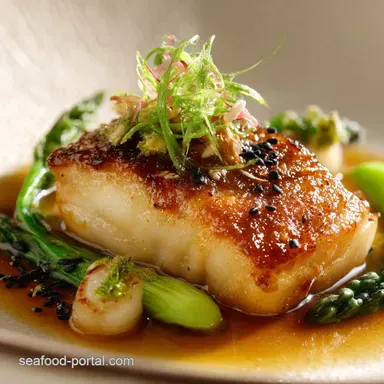
We always serve this with blanched broccolini or some lightly sautéed asparagus, perhaps tossed with a drizzle of sesame oil and black sesame seeds. The fresh green element is essential.
If you are looking for a completely different cod experience for another night, definitely check out my recipe for Oven Fried Cod: Proper Crispy Oven Baked Fish Fillets , which is a great contrast to this silky texture. Or maybe try making some hearty Cod Cakes: The Best Crispy Fish Cake Recipe with Flaky Cod with your leftover pieces. Honestly, these recipes are all stellar choices, but nothing beats the pure luxury of this Miso Black Cod.
Recipe FAQs
Can I substitute black cod (sablefish) with a different type of fish?
Yes, while Black Cod is ideal due to its exceptionally high oil content and buttery texture, you can substitute it with Chilean sea bass, farmed striped bass, or thick salmon fillets. Choose a fish with a medium to high fat content to prevent drying out and to fully absorb the rich flavour of the miso marinade.
How do I prevent the miso glaze from burning during cooking?
The high sugar content in the miso causes rapid caramelisation, which can lead to burning if the temperature is too high. Before cooking, gently wipe (do not rinse) the excess marinade from the fish using a paper towel.
Use a moderate cooking temperature (around 400°F/200°C) and save the broiler function only for the last 60 seconds to achieve the perfect final char.
What is the optimal time for marinating the black cod?
The optimal time is typically 48 to 72 hours; this duration allows the robust flavour compounds of the miso and sake to deeply penetrate the dense, oily flesh of the cod. While 24 hours is acceptable in a pinch, marinating for less than 12 hours will result in a much less profound and subtle flavour profile.
Why does the recipe specify Saikyō Miso (sweet white miso)?
Saikyō miso is preferred because it is sweeter, lighter in salt content, and ferments faster than red or brown miso, resulting in a smooth, creamy finish that caramelizes perfectly.
Using darker miso increases the risk of the glaze becoming too salty or burning too quickly due to its stronger, more complex protein structure.
I don't have sake or mirin. Can I skip them in the marinade?
Sake and mirin are crucial components; the alcohol in sake helps tenderize the fish, and both provide the necessary sweetness and complexity to balance the salty miso. If absolutely necessary, you may substitute them with a small amount of dry sherry or sweet white wine, but the resulting authentic Japanese flavour profile will be altered.
Can I freeze the black cod after it has been marinated?
Yes, freezing the marinated fish is highly recommended for meal preparation and portion control. Place the marinated fillets in vacuum sealed bags or air-tight containers, ensuring they are coated well in the marinade, and freeze for up to 3 months.
Thaw the fish overnight in the refrigerator before wiping off the excess marinade and cooking as directed.
What is the best side dish to serve with Miso Marinated Black Cod?
The rich, sweet flavour of the cod pairs beautifully with simple, light sides that offer textural contrast and brightness. Try steamed white rice, blanched asparagus dressed lightly with sesame oil, or a traditional cucumber and wakame seaweed salad to cleanse the palate between bites.
Misomarinated Black Cod Saikyoyaki Recipe
Ingredients:
Instructions:
Nutrition Facts:
| Calories | 450 kcal |
|---|---|
| Protein | 36.0 g |
| Fat | 26.0 g |
| Carbs | 8.0 g |
