Maplekissed Cedar Plank Salmon with Dijon Glaze
- Elevating Your Grill Game: Why Planking is a Culinary Secret
- Sourcing Quality: Essential Components for Flawless Flavor
- Master the Prep: Getting Ready for Grilling Success
- Troubleshooting and Enhancements for Your Cedar Plank Salmon
- Expanding the Menu: Variations and Suggested Pairings
- Recipe FAQs
- 📝 Recipe Card
Elevating Your Grill Game: Why Planking is a Culinary Secret
For centuries, cooking fish directly on wood has been a staple in coastal communities, and today, bringing the flavor of the Pacific Northwest to your backyard grill is simpler than ever with the cedar plank technique.
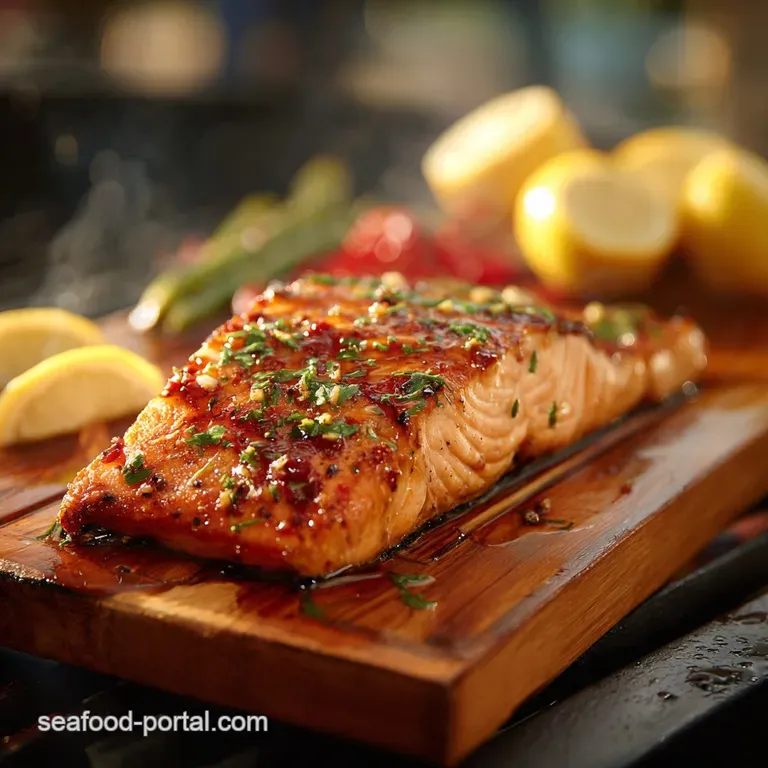
This method completely transforms a standard fillet, infusing the flesh with a deep, subtle smokiness that conventional grilling simply cannot achieve. Cooking a magnificent piece of cedar plank salmon isn't merely about applying heat; it’s about creating an aromatic steam bath for the fish, ensuring the end product is unbelievably moist, flaky, and aromatic, making it the gold standard for Planked Salmon Recipes Grilling .
Decoding the Pacific Northwest Planking Technique
The true genius of cooking salmon on a cedar plank lies in the way the moisture from the soaked wood interacts with the heat of the grill. When the plank is subjected to high, indirect heat, the water trapped inside slowly steams out, carrying with it the fragrant oils of the cedar.
This steaming process both protects the delicate salmon from the harsh direct flame and constantly bathes it in smoky moisture, essentially hot-smoking and steaming the fish simultaneously.
This distinctive aroma defines the authentic cedar plank salmon on grill experience, lending the fish a complex flavor profile that hints at pine and earthiness.
The Perfect Pairing: Maple, Dijon, and Smoky Cedar
While the cedar provides the backbone of the flavor, the glaze provides the finish. Our particular formula elevates the natural richness of the salmon and complements the aromatic smoke perfectly.
The sharpness and slight spice of Dijon mustard cut through the richness of the fish, while the pure maple syrup preferably a Grade A dark robust variety provides a deep, caramelized sweetness.
This interplay of sweet, tangy, and savory notes creates a delectable, sticky crust that adheres beautifully to the fish, making this glaze a favorite among enthusiasts seeking the perfect cedar plank salmon seasoning .
Sourcing Quality: Essential Components for Flawless Flavor
Mastery of this cedar plank salmon recipe begins long before you light the fire. Selecting the right ingredients ensures both the flavor quality and the structural success of the dish.
Choosing the Right Cut: From Farmed Atlantic to Wild King Salmon
A thick, robust fillet works best for this preparation. We recommend a single 1.3 lb (600 gram) piece, ideally left with the skin on. The skin acts as a natural barrier, protecting the delicate flesh from the hot wood plank and preventing the bottom from drying out.
While farmed Atlantic salmon is readily available and offers a consistent, rich flavor, wild varieties like King (Chinook) provide deeper color and an even higher concentration of healthy fats, which keeps the fish incredibly succulent throughout the process.
Building the Maple Dijon Glaze: Ratio and Balance
The irresistible glaze for this recipe is defined by its careful proportions. The foundation requires four tablespoons of pure maple syrup combined with two tablespoons of Dijon mustard, striking the essential two-to-one ratio of sweetness to tang.
To deepen the profile, a teaspoon of low-sodium soy sauce or Tamari introduces an essential umami counterpoint, perfectly balanced by a finely minced clove of fresh garlic and a touch of fresh dill or chives.
This mixture forms the powerful cedar plank salmon rub that transforms the fish's surface during cooking.
Selecting Your Cedar Plank: Thickness and Sustainability
Always ensure you are using untreated, food grade cedar planks, which are specifically designed for cooking. Do not use lumber from the hardware store, which may contain harmful chemicals. A standard plank, approximately 6 x 12 inches (15 x 30 cm), is suitable for the recommended fillet size.
Thicker planks are preferred as they hold moisture longer and are less likely to catch fire. Sourcing ethically harvested wood is also a great way to ensure the quality and safety of your culinary creation.
Related Recipes Worth Trying
- 15Minute Garlic Butter Salmon Steak Crispy Skin PanSeared Recipe — This panseared Garlic Butter Salmon Steak is an absolute corker of a weeknight meal Get incredibly moist flaky fish and goldencrisp skin in under 15 minutes...
- Crispy Skin Salmon Fillet with Lemon and Dill Butter Sauce — Learn the foolproof technique for shatteringly Crispy Skin Salmon Fillet This elegant weeknight salmon recipe features a zesty lemondill butter baste Ready...
- Ultimate Salmon Burgers HandChopped Recipe for Crispy Edges — Forget dry frozen patties Learn our secret for the best Salmon Burgers with fresh salmon Handchopping guarantees a moist crispedge healthy salmon dinner
Master the Prep: Getting Ready for Grilling Success
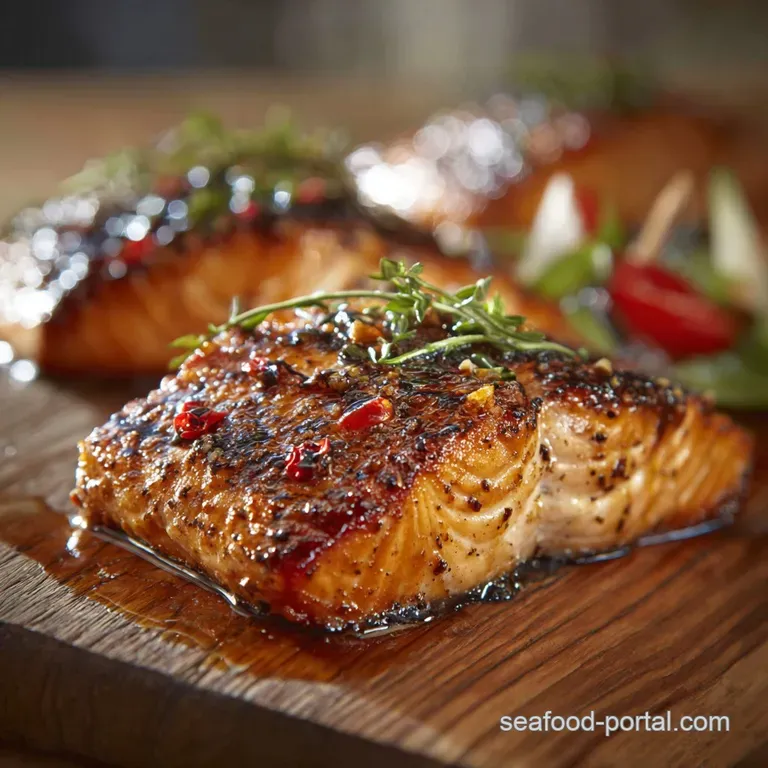
Achieving perfect results requires diligence in the preliminary stages. Active preparation time for the fish and glaze takes only about 15 minutes, making this a deceptively quick meal once the soaking is complete.
The Crucial Soak: Hydrating the Cedar Plank for Optimal Smoke
This step is the absolute foundation of successful planking and must not be rushed. Fully submerge the cedar plank in water use a clean sink, bucket, or large container and weight it down to ensure it stays completely underwater.
The plank must soak for a minimum of 60 minutes, and ideally up to 90 minutes. This mandatory hydration prevents the wood from combusting immediately on the grill and allows it to generate that beautiful, aromatic steam essential for the flavor.
Prepping the Salmon Fillet and Applying the Base Seasoning
Once you have prepared the glaze (whisking together the maple syrup, Dijon, soy sauce, garlic, and half the herbs, and reserving 2 tablespoons separately for a fresh finish), turn your attention to the salmon. Pat the salmon fillet completely dry using paper towels; a dry surface helps the seasoning adhere.
Rub the entire fillet lightly with olive oil, then apply a simple but effective base of flaky sea salt and freshly ground black pepper. This initial seasoning provides a solid, savory counterpoint to the sweetness of the glaze.
Setting Up Your Grill Zones (Direct vs. Indirect Heat)
Successful planking hinges on heat management. You must use indirect heat, whether you are using a gas grill, charcoal, or a sophisticated cedar plank salmon on pellet grill system.
If using a gas grill, light the burners on the sides, leaving the central burner(s) off, aiming for an ambient grill temperature of 350– 375° F (175– 190° C). If using charcoal, bank your hot coals to one side.
Once the grill is preheated, place the wet plank directly over the lit, direct heat for 3– 5 minutes until it begins smoking heavily and the edges char slightly.
Immediately move the plank to the unlit indirect zone before placing the salmon skin side down onto the pre-smoked wood. This initial direct heat blast activates the smoke quickly, but the remainder of the cook must be slow and steady in the indirect zone.
This is the optimal approach for mastering cedar plank salmon traeger style cooking.
The Two-Stage Glazing Process for Sticky Perfection
The first application of the glaze occurs after the salmon has been cooking for 10 minutes. Open the lid and brush the top of the fillet liberally with the main glaze mixture. This timing allows the glaze to caramelize slightly without burning.
Close the lid and continue cooking for 5– 8 minutes more. When the fish is removed from the grill, a final brush of the reserved, fresh glaze (the 2 tablespoons that have not touched the raw fish) delivers a clean, vibrant burst of flavor and a beautiful glossy finish right before serving.
Monitoring Internal Temperature for Safe and Flaky Results
Do not rely solely on visual cues; using an instant read meat thermometer is absolutely essential for achieving perfect texture. Insert the thermometer into the thickest part of the fillet.
You are aiming for an internal temperature between 140– 145° F (60– 63° C). Pull the salmon off the heat around 140° F, as the residual heat will carry it the rest of the way while it rests for five minutes.
This precision guarantees a moist, flaky result, preventing the chalky dryness that plagues overcooked salmon.
Troubleshooting and Enhancements for Your Cedar Plank Salmon
Even the most seasoned grill master encounters unexpected challenges. Knowing how to react quickly ensures your beautifully prepared fish comes out perfectly.
What to Do If Your Plank Catches Fire (And How to Prevent It)
The best prevention, as emphasized, is thorough soaking aim for the full 90 minutes. However, if your plank does flare up, the heat in your indirect zone is likely too high, or the plank was left too long over direct heat.
Keep a designated spray bottle filled with water (or beer, for extra style points) near the grill. Lift the lid and immediately mist the flames until they subside. Close the lid quickly to maintain the cooking temperature. If flames persist, use long tongs to move the plank further from the heat source.
Storage Solutions and Reheating Leftover Salmon
Should you be fortunate enough to have leftovers, store the cooked salmon in an airtight container in the refrigerator for up to three days. The best method for reheating smoked or grilled salmon is low and slow; warm it in an oven set to 275° F ( 135° C), covered loosely with foil, until just warmed through.
Avoid high heat in the microwave, which tends to dry out the delicate flakes.
Expanding the Menu: Variations and Suggested Pairings
The classic smoky flavor of this dish provides a wonderful anchor for creative meal planning.
Quick Sides That Complement the Smoky Sweetness
The inherent richness and smoky sweetness of the cedar plank salmon are best complemented by bright, acidic, and fresh sides. Simple grilled asparagus tossed with lemon zest and a pinch of salt makes a fantastic pair.
Alternatively, a vinaigrette dressed Green Bean and Feta Salad or a sophisticated Wild Rice Pilaf offer textural contrast and help cut through the richness of the fish. For beverage pairings, consider a dry Pinot Gris or a crisp Sauvignon Blanc to refresh the palate.
Adapting This Recipe for Oven Baked Cedar Plank Salmon
If weather or equipment prevents outdoor grilling, you can adapt this recipe for indoor cooking. Be sure to still soak the plank thoroughly. Preheat your oven to 400° F ( 200° C).
Place the soaked plank on a sturdy baking sheet (to catch potential drips and contain smoke, though minimal compared to a grill). Position the glazed salmon on the plank and bake for the usual 15– 20 minutes, using the internal temperature guidelines.
While this method will generate less intense smoke than a grill or dedicated smoker, the plank will still insulate the fish, resulting in an exceptionally moist finish.

Recipe FAQs
Crikey! My cedar plank keeps trying to catch fire. What am I doing wrong?
The plank must be soaked for a minimum of 60-90 minutes skipping this step is often why planks ignite. Crucially, after the initial minute or two of pre-smoking, you must always place the plank and the fish over the cool side of the grill (indirect heat).
If flames do lick up, keep a water filled spray bottle handy a vital bit of kit and spritz the flames immediately.
How do I know if the Cedar Plank Salmon is done without overcooking it into rubber?
The golden rule is temperature: use an instant read thermometer and aim for 140 145°F (60 63°C) at the thickest part. If you don't have a thermometer, look for the flesh flaking easily when gently pressed, but still having a slightly translucent centre before resting.
Pull the fish off the grill closer to 140°F, as carry over cooking will finish the job perfectly, resulting in beautifully moist fish.
I fancy a change next time. Can I use different glazes or other types of wood?
Definitely! While cedar is a classic pairing that complements this maple dijon flavour beautifully, you could also use planks made from alder, cherry, or apple for slightly different smoky notes. For glazes, you can easily swap the Maple Dijon for a spicy honey lime marinade or a simple smoked paprika dry rub.
Just remember to brush the glaze on during the final phase of cooking to prevent the sugars from scorching.
Is cooking on a cedar plank worth the faff, or can I just bake it in the oven?
Absolutely! Using the cedar plank is a total game changer and well worth the minimal extra effort. The plank shields the delicate salmon from harsh direct heat while creating aromatic steam, keeping the fish incredibly moist and buttery.
This process infuses the salmon with that unique smoky fragrance that you simply cannot replicate with standard oven baking.
We’ve got leftovers, how should I store and reheat this safely?
Cooked salmon keeps brilliantly in an airtight container in the fridge for up to three days perfect for lunch the next day! For reheating, the trick is low and slow to maintain that gorgeous texture: wrap the fillet loosely in foil and warm it in an oven set to 275°F (135°C) until just heated through.
Avoid the microwave if you can, as that’s usually a recipe for dry, tough fish.
Maple Glazed Cedar Plank Salmon Recipe
Ingredients:
Instructions:
Nutrition Facts:
| Calories | 1073 kcal |
|---|---|
| Protein | 15.2 g |
| Fat | 33.4 g |
| Carbs | 75.9 g |
| Fiber | 16.3 g |
| Sodium | 9574 mg |
