Lobster Mac and Cheese: Velvety Mornay Sauce
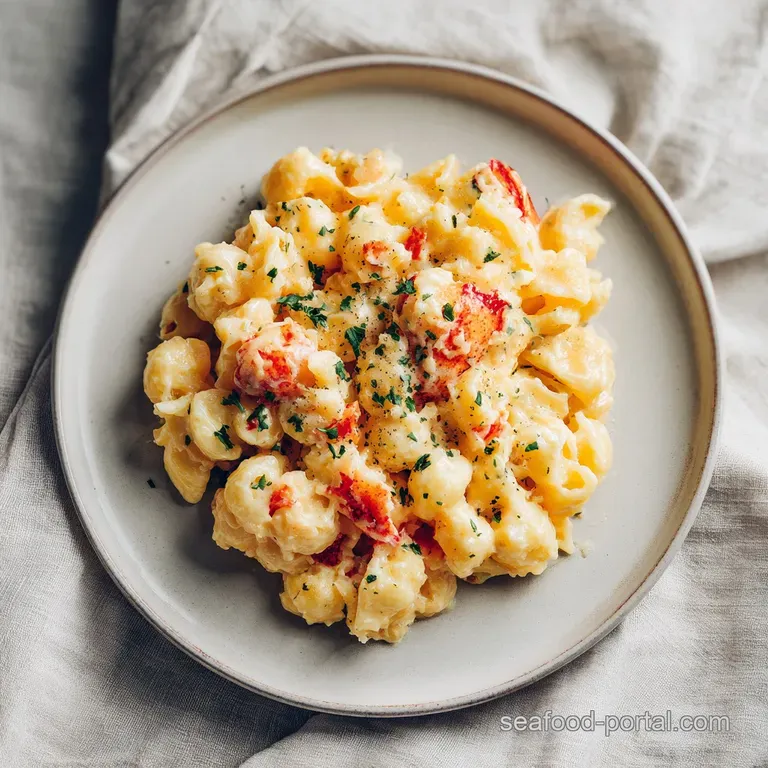
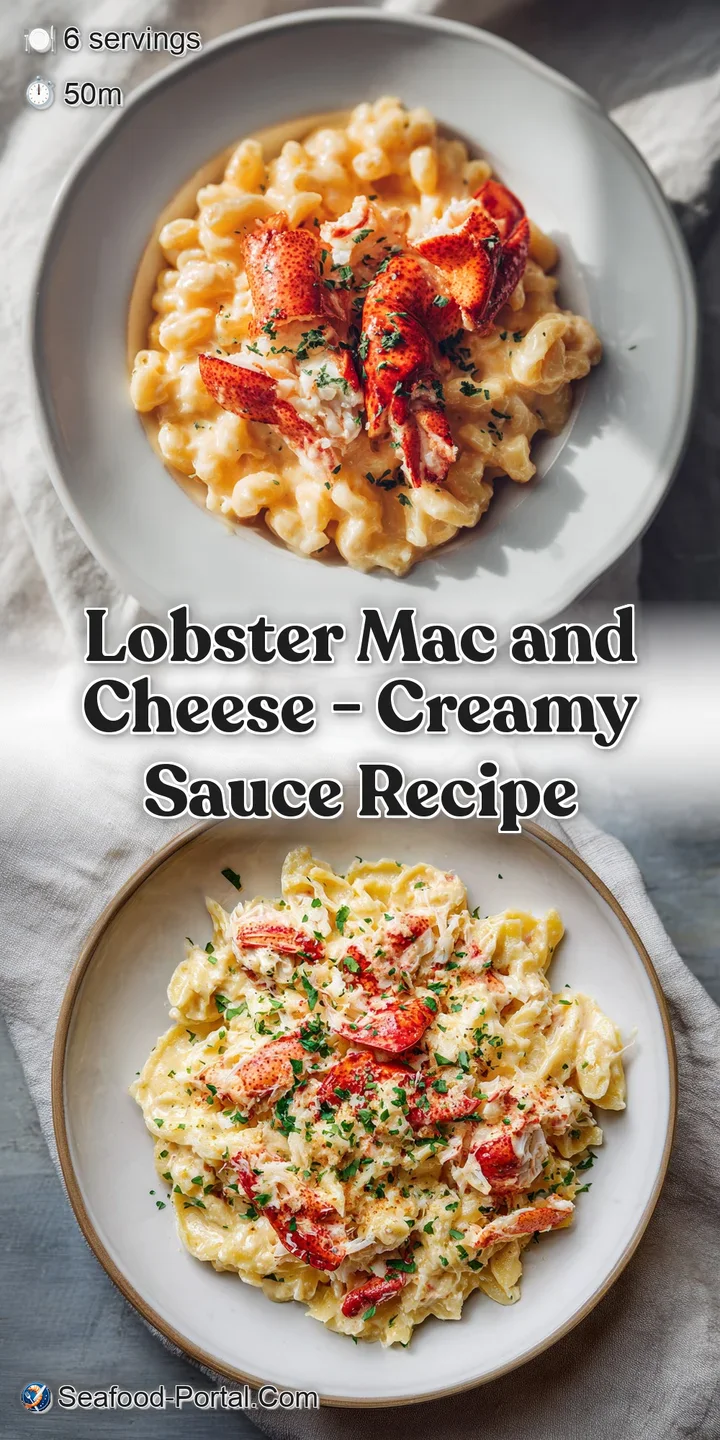
- Time: Active 20 minutes, Passive 30 minutes, Total 50 minutes
- Flavor/Texture Hook: Shattering panko crust over a silky, cheese drenched core
- Perfect for: Holiday celebrations or an indulgent date night
- The Best Creamy Lobster Mac and Cheese
- Why This Flavor Layering Works
- Essential Dish Specifications and Data
- Gathering Your Premium Seafood Elements
- Necessary Tools for Silky Sauce
- Step-by-Step Guide to Flavor
- Solving Common Textural Cooking Errors
- Creative Twists for Your Dish
- Safe Storage and Leftover Ideas
- Perfect Sides for Rich Seafood
- Myths About Seafood and Cheese
- HIGH in Sodium
- Recipe FAQs
- 📝 Recipe Card
The Best Creamy Lobster Mac and Cheese
Listen, we’ve all been there ordering a "luxury" mac at a steakhouse only to find three tiny, rubbery nubs of seafood buried in a sea of bland orange sauce. It’s heartbreaking.
I spent a whole weekend last winter testing three different cheese ratios just to make sure that never happens in your kitchen. The secret isn't just the lobster; it’s how you build the layers of fat and salt so they don't drown out the star of the show.
When you pull this out of the oven, the first thing you’ll notice is the aroma toasted butter and that faint, nutty scent of Gruyère hitting the heat. Then there’s the sound.
When your spoon hits that topping, it should actually shatter, giving way to a velvety interior that clings to every ridge of the pasta. We aren't just making dinner here; we’re making a memory.
Trust me, once you try this specific method of poaching the lobster meat before it even touches the cheese, you’ll never go back to the old way.
This recipe is designed to be approachable but feels incredibly high end. We're going to use 4 lobster tails, which sounds like a lot, but it ensures you get a chunk of sweet seafood in every single bite.
We’re also ditching the standard elbow macaroni for cavatappi because those corkscrew ridges are basically sauce traps. Ready to get your hands a little buttery? Let’s walk through the science and the steps to get this right on the first try.
Why This Flavor Layering Works
Building a dish this rich requires a bit of culinary logic to keep it from feeling heavy or greasy. By understanding the interaction between the seafood proteins and the dairy fats, we can ensure a silky result every time.
- Protein Preservation: Sautéing the lobster meat in butter for just 2 minutes creates a protective barrier, preventing the meat from becoming tough during the over high heat baking phase.
- The Mornay Emulsion: Using a 1:1 ratio of Gruyère to sharp white cheddar provides the perfect balance of meltability and "sharp" flavor that cuts through the heavy cream.
- Starch Surface Area: Cavatappi pasta offers a larger surface area than traditional elbows, allowing the cheese sauce to coat both the interior and exterior of the noodle.
- Aromatic Bridge: A touch of ground nutmeg acts as a bridge between the earthy cheese and the sweet lobster, a classic French trick that most home cooks skip.
The Physics of the Fat Protein Bond
When you whisk the roux, you are coating flour particles in fat to prevent starch granules from clumping as the milk hits. This creates a stable emulsion where the cheese proteins can hang out without turning into a greasy puddle.
| Method | Time | Texture | Best For |
|---|---|---|---|
| Classic Baked | 50 minutes | Crunchy top, velvety core | Dinner parties |
| Stovetop Only | 25 minutes | Ultra creamy, no crunch | Fast weeknight |
| Individual Bites | 40 minutes | Max crispiness ratio | Appetizers |
This specific approach is very similar to the flavor profiles found in a Classic Lobster Newburg recipe, where the focus is on maintaining the delicate integrity of the seafood while surrounding it with a high fat, savory liquid.
Essential Dish Specifications and Data
Before we start chopping and whisking, let's look at the components that make this dish a success. Every ingredient has a job to do, from the moisture content of the milk to the melt point of the cheeses.
| Component | Science Role | Pro Secret |
|---|---|---|
| Gruyère | Emulsifier | Grate it from a block to avoid the anti clumping cellulose found in bags. |
| Whole Milk | Hydration | Warming the milk before adding it to the roux prevents "thermal shock" lumps. |
| Lobster Tails | Texture | Use 1 inch chunks to ensure they don't get lost in the pasta ridges. |
When selecting your cheese, remember that the "sharpness" of the cheddar comes from aging, which also makes it slightly more prone to breaking if the heat is too high. That is why we balance it with Gruyère, which is a champion melter. This technique is often used when creating a Decadent Lobster Mornay Sauce recipe, providing that signature French "pull" that everyone loves.
Gathering Your Premium Seafood Elements
You don't need a professional kitchen, but you do need quality ingredients. Since the lobster is the star, try to find cold water tails if possible they tend to be sweeter and firmer.
- Lobster meat: 4 lobster tails (approx. 5-6 oz each), removed from shell and chopped into 1 inch chunks. Why this? Tails provide the most consistent texture and are easiest to prep at home.
- Butter: 8 tbsp unsalted butter, divided (2 tbsp for lobster, 4 tbsp for roux, 2 tbsp for crust). Why this? Unsalted allows you to control the exact seasoning of the seafood.
- Pasta: 1 lb cavatappi or large elbow macaroni. Why this? The "corkscrew" shape traps more cheese sauce than flat noodles.
- Milk & Cream: 3 cups whole milk (warmed) and 1 cup heavy cream. Why this? The combination creates a thicker, more luxurious mouthfeel.
- Cheese: 8 oz Gruyère and 8 oz sharp white cheddar (freshly shredded). Why this? Gruyère adds nuttiness; cheddar adds the classic sharp punch.
- Panko: 1 cup Panko breadcrumbs. Why this? Panko is airier than traditional crumbs, creating a lighter, crispier "shatter" layer.
- Seasoning: 1/2 tsp smoked paprika, 1.25 tsp sea salt, 1 tsp garlic powder, 1/2 tsp ground nutmeg.
- Finishers: 1 tbsp fresh parsley and 1/4 cup freshly grated Parmesan.
| Original Ingredient | Substitute | Why It Works |
|---|---|---|
| Gruyère | Fontina | Similar melting point, though Fontina is slightly milder and less nutty. |
| Heavy Cream | Half and Half | Reduces fat content but makes the sauce slightly thinner and less velvety. |
| Lobster Tails | Langostinos | Note: Much cheaper and pre cooked, but lacks the deep sweetness of fresh tail meat. |
If you find yourself with extra lobster shells, don't throw them away! You can use them to create a base for a Lobster Stew recipe, which is a fantastic way to practice zero waste cooking while getting every bit of value from your seafood purchase.
Necessary Tools for Silky Sauce
You don't need fancy gadgets, but a few specific items will make your life much easier. First, a heavy bottomed saucepan or a Dutch oven is vital for the Mornay sauce. Thin pans have hot spots that can scorch the milk or cause the cheese to seize.
A balloon whisk is your best friend here. You’ll be doing a lot of whisking to ensure the flour and butter integrate perfectly. I also highly recommend a box grater. Seriously, please don't buy the pre shredded cheese.
It’s coated in potato starch to keep it from sticking in the bag, but that starch will make your sauce grainy.
Finally,, a 9x13 inch baking dish is the standard for this volume. If you want more "crunchy corner" pieces, you can use two smaller square pans. Just make sure whatever you use is oven safe up to 400°F (200°C).
step-by-step Guide to Flavor
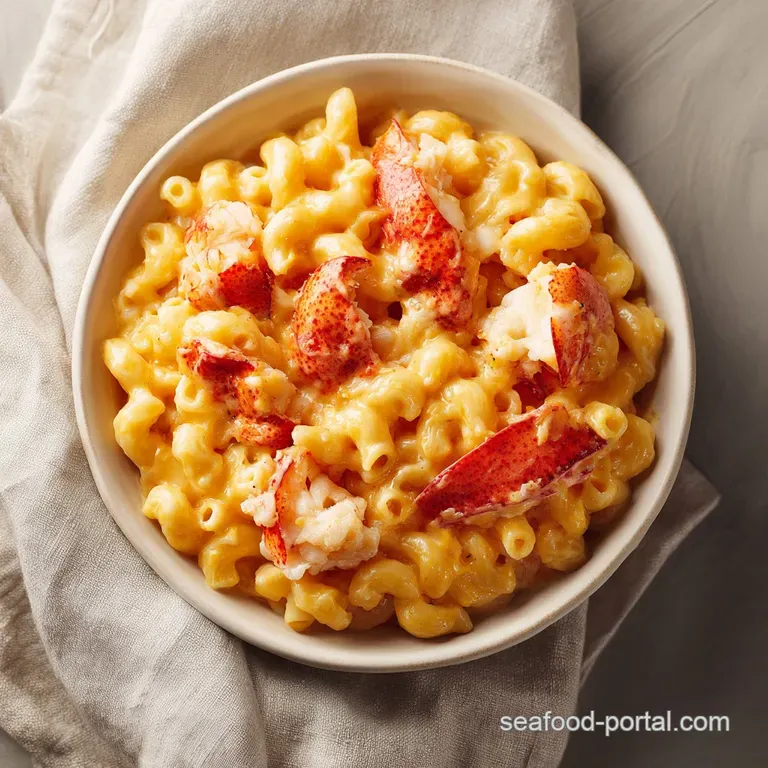
Let’s get into the rhythm of the kitchen. Timing is everything here you want the pasta and the sauce to finish at roughly the same time so they can be combined while both are still hot.
- Par Cook the Lobster. In a skillet, melt 2 tbsp butter over medium heat. Add the 1 inch lobster chunks, 1/2 tsp smoked paprika, and a pinch of salt. Sauté for 2 minutes until the meat is opaque but not fully firm. Note: It will finish cooking in the oven.
- Prepare the Pasta. Boil the cavatappi in salted water for 2 minutes less than the package directions until it is distinctly "al dente". Note: The pasta absorbs sauce as it bakes; overcooking now leads to mush later.
- Start the Roux. In a large pot, melt 4 tbsp butter. Whisk in 1/4 cup flour and cook for 1-2 minutes until it smells slightly nutty and looks like wet sand.
- Build the Sauce Base. Slowly pour in the 3 cups of warmed milk and 1 cup heavy cream while whisking constantly. Cook for 5-7 minutes until the sauce thickens enough to coat the back of a spoon.
- Melt the Cheeses. Turn the heat to low. Stir in the 8 oz Gruyère, 8 oz white cheddar, garlic powder, and nutmeg until the mixture is completely smooth and glossy.
- Combine the Elements. Fold the cooked pasta and the sautéed lobster (and all those butter juices!) into the cheese sauce. Stir gently until every noodle is fully submerged.
- Create the Topping. In a small bowl, mix 1 cup Panko, 1/4 cup Parmesan, 1 tbsp parsley, and the remaining 2 tbsp melted butter.
- Final Assembly. Pour the mixture into a 9x13 pan. Sprinkle the Panko mixture evenly over the top.
- Bake the Dish. Place in a preheated oven at 350°F (180°C) for 20-25 minutes until the edges are bubbling and the top is golden brown.
- Rest and Serve. Let the dish sit for 5 minutes before serving. This allows the sauce to "set" slightly so it doesn't run all over the plate.
Chef's Tip: Freeze your 2 tbsp of "crust butter" for 10 minutes before grating it directly into the Panko. This creates tiny pockets of steam that make the topping extra airy and crisp.
Solving Common Textural Cooking Errors
Even the best cooks run into trouble sometimes. The most common issue with Lobster Mac and Cheese is either a broken sauce or rubbery seafood. Let's look at how to prevent those heartbreaks before they happen.
My Sauce is Grainy or Oily
This usually happens because the heat was too high when the cheese was added. If the proteins in the cheese get too hot, they tighten and squeeze out the fat, resulting in a clump of protein floating in oil. Always turn the heat down to the lowest setting before adding your shreds.
My Lobster is Tough
If you cook the lobster completely in the pan before putting it in the oven, it will turn into "pencil erasers" by the time the timer goes off. You only want to sear the outside for flavor.
The internal temperature of the lobster should only reach about 140°F (60°C) after the final bake.
The Pasta is Mushy
Pasta continues to hydrate even after it leaves the water. By undercooking it slightly (al dente), you’re leaving "room" for the noodle to absorb the flavorful cheese sauce without losing its structure.
| Problem | Root Cause | Solution |
|---|---|---|
| Thin/Runny Sauce | Roux wasn't cooked long enough | Simmer the sauce for 2 extra minutes before adding cheese to activate starches. |
| Bland Flavor | Not enough salt in pasta water | Ensure your pasta water is "salty like the sea" to season the noodle from the inside out. |
| Soggy Topping | Butter wasn't incorporated well | Toss the panko thoroughly with melted butter until every crumb looks "wet" and darkens. |
Common Mistakes Checklist
- ✓ Never use pre shredded cheese; the additives prevent a smooth melt.
- ✓ Pat the lobster chunks dry before sautéing to ensure a good sear rather than steaming.
- ✓ Warm your milk in the microwave or on the stove to avoid shocking the roux.
- ✓ Don't skip the nutmeg it’s the "secret" ingredient that makes the cheese taste more like cheese.
- ✓ Use a large enough pot for the sauce so you can fold the pasta in without a mess.
Creative Twists for Your Dish
Once you've mastered the classic version, you can start playing with the profile. This recipe is a canvas for your own culinary preferences.
If you want a Spicy Kick, swap half of the white cheddar for a Habanero Jack and add a teaspoon of hot sauce to the milk mixture. The heat pairs beautifully with the sweetness of the lobster. For those who want to Save 30 Minutes, you can skip the baking step entirely.
Just toast the panko in a pan with butter and sprinkle it over the stovetop version for an "instant" crunch.
Another fun variation is making Lobster Mac and Cheese Bites. Instead of a large pan, spoon the mixture into greased muffin tins. Top with the panko and bake for 15 minutes. These are incredible for parties because people can just grab a portion and keep mingling.
If you're looking for a Budget Shortcut, you can use a mix of lobster and high-quality lump crab meat. This keeps the luxury feel while bringing down the total cost of the ingredients.
Safe Storage and Leftover Ideas
Mac and cheese is notorious for drying out in the fridge because the pasta continues to soak up moisture as it sits. If you have leftovers, store them in an airtight container for up to 3 days.
When reheating, don't just throw it in the microwave. It will turn into an oily mess. Instead, put a portion in a small saucepan, add a splash of milk or a tiny knob of butter, and heat it gently over low heat while stirring. This "re emulsifies" the sauce and brings back that velvety texture.
For zero waste fans: if you find yourself with just a tiny bit of leftover sauce but no pasta, use it as a base for a seafood chowder the next day. Or, if you have extra panko topping, it's brilliant on top of roasted asparagus or green beans.
To freeze, let the dish cool completely, wrap it tightly in foil and then plastic wrap. It will stay good for up to 2 months. Thaw it overnight in the fridge before reheating in a 350°F (180°C) oven.
Perfect Sides for Rich Seafood
Because this dish is so heavy on fat and protein, you really want something bright and acidic to balance the palate. A crisp green salad with a lemon shallot vinaigrette is the gold standard here. The acidity cuts through the richness of the Gruyère and refreshes your mouth between bites.
- Decision Shortcut
- What to Serve?
- If you want a Balanced Meal
- Go with roasted broccolini or steamed asparagus with a squeeze of fresh lemon.
- If you want Ultimate Indulgence
- Serve with a side of garlic bread or even a small portion of Lobster Stew recipe as a starter.
- If you want a Crunchy Contrast
- A simple slaw with vinegar (no mayo) provides a great textural break from the soft pasta.
Myths About Seafood and Cheese
There is an old culinary "rule" that says you should never mix seafood and cheese. While that might apply to a delicate piece of white fish, it's a complete myth when it comes to shellfish. Lobster and crab both have enough "heft" and sweetness to stand up to bold dairy.
Another myth is that you need a whole live lobster to make this work. Honestly, using frozen tails is often better for this specific recipe. Since we are chopping the meat into chunks and baking it in sauce, the "fresh off-the boat" nuances of a whole lobster are often lost.
high-quality frozen tails are flash frozen at the source, meaning they are often "fresher" than the ones that have been sitting in a grocery store tank for a week.
Finally, some people think you have to use expensive truffle oil to make it "gourmet." Please, don't. Truffle oil often has a synthetic flavor that masks the delicate sweetness of the lobster. Let the butter and the high-quality cheeses do the talking!
HIGH in Sodium
1085 mg mg of sodium per serving (47% % of daily value)
The American Heart Association recommends limiting sodium intake to no more than 2,300mg per day for overall cardiovascular health.
Tips to Reduce Sodium in Your Lobster Mac & Cheese:
-
Reduce Cheese Salt-15%
Sharp cheddar and Gruyère are naturally high in sodium. Reduce the amount of Parmesan cheese or Gruyere by half, substituting with a low-sodium mozzarella (grated) to maintain flavor and volume.
-
Cut Back Salt-12%
Salt is a major contributor. Reduce the amount of sea salt added by half and taste as you go.
-
Unsalted Butter-10%
Ensure you are using unsalted butter throughout the recipe, as salted butter contributes to the sodium content.
-
Lower Sodium Dairy-5%
While not a huge contributor, using low-fat or skim milk can slightly reduce sodium compared to whole milk and heavy cream.
-
Spice It Up!
Enhance the flavor with additional herbs and spices like black pepper, red pepper flakes, garlic (fresh or powder), or onion powder to compensate for the reduced salt without adding sodium.
Recipe FAQs
What goes in lobster mac and cheese?
Lobster, a two-cheese Mornay sauce, and pasta. The essential components include quality lobster meat, cavatappi pasta, a roux made from butter and flour, whole milk/cream, and sharp cheeses like Gruyère and white cheddar. Don't forget a crispy Panko topping!
What does Gordon Ramsay put in his mac and cheese?
Ramsay’s method emphasizes a very high-quality, complex cheese blend. While exact components vary by specific recipe iteration, he strongly favors fresh, high fat dairy and often incorporates shallots or leeks into the roux base for aromatic depth.
Can you substitute crab for lobster in mac and cheese?
Yes, you absolutely can substitute crab, and it works beautifully. Crab offers a slightly sweeter, more delicate flavor profile than lobster, which benefits from a slightly sharper cheese balance. If using crab, you might enjoy the contrasting flavors achieved in a Shrimp and Crab recipe.
What does lobster mac and cheese go well with?
It pairs best with crisp, acidic sides to cut the richness. Think light green salads with lemon vinaigrettes, steamed asparagus, or simple roasted green beans. For a heartier meal, a simple Boiling Crab Sauce recipe could add a spicy, tangy element on the side.
How do I prevent my sauce from becoming grainy when adding the cheese?
Reduce the heat to the lowest setting before adding the cheese. High heat causes the cheese proteins to seize and expel fat, leading to a grainy texture. If you mastered stable emulsions in roux sauces, see how that same temperature control applies when building a rich Crab Imperial Recipe.
Is it true that you must use elbow macaroni for traditional mac and cheese?
No, this is a common misconception that limits sauce adhesion. For a richer dish like this one, use a ridged pasta like cavatappi or shells, as their curves trap significantly more of the creamy Mornay sauce, ensuring every bite is coated.
How long should I cook the lobster meat before baking?
Sauté the lobster in butter for only 2 minutes until it is barely opaque. The meat will finish cooking in the oven inside the sauce; overcooking it initially results in tough, rubbery seafood. If you master this precise timing, you can apply similar temperature control to a Seafood Symphony Mixed recipe.
Luxury Lobster Mac And Cheese
Ingredients:
Instructions:
Nutrition Facts:
| Calories | 1090 kcal |
|---|---|
| Protein | 57.1 g |
| Fat | 60.2 g |
| Carbs | 75.4 g |
| Fiber | 3.1 g |
| Sugar | 8.2 g |
| Sodium | 1085 mg |
