Low Slow Braised Smoked Turkey Necks with Silky Pan Gravy
- Achieving Culinary Gold: The Secret to Perfect Smoked Turkey Necks
- Gathering Your Culinary Arsenal: Essential Ingredients and Tools
- Phase I: Searing and Deglazing for Maximum Depth of Flavor
- Phase II: The Simmering Stage—Turning Tough Meat Tender
- Finishing Touches: Mastering the Silky, Velvety Pan Gravy
- Troubleshooting and Expert Chef Tips for Best Results
- Serving Suggestions and Recipe Variations
- Recipe FAQs
- 📝 Recipe Card
Achieving Culinary Gold: The Secret to Perfect Smoked Turkey Necks
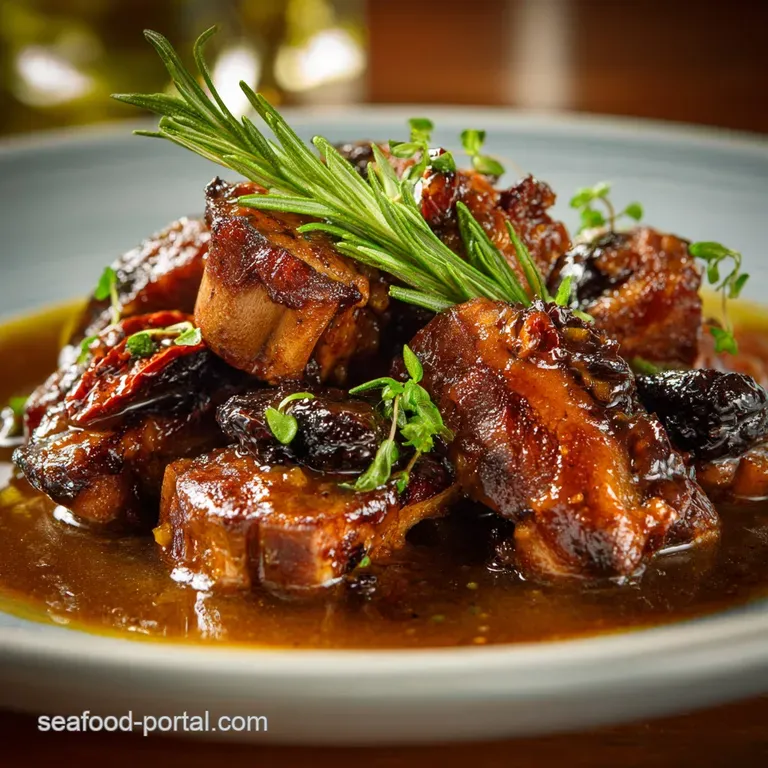
Smoked turkey necks are a truly humble ingredient that, when treated with patience and respect, yield a dish of profound comfort and complexity. Many overlook this cut, but its high concentration of collagen and natural bone marrow is exactly what transforms a simple braise into a magnificent, naturally enriched meal.
This process coaxes immense flavor from the pre-smoked meat, ensuring that every bite delivers an incredible depth of savory, woodsy notes.
Defining "Smothered": Why We Need That Rich Gravy
Smothering refers to a cooking technique where tough meat is slowly braised while fully submerged in a deep, highly seasoned liquid. This process differs greatly from dry smoking or barbecue because the moisture ensures the meat remains succulent during the hours of required tenderizing.
The end goal is not just cooked meat, but meat delivered in a hearty, unctuous sauce.
The true star of the smothering process is the gravy, which naturally thickens as collagen from the Smoked Turkey Necks renders out. This creates an unctuous, velvety texture perfect for pairing with simple starches like Smoked Turkey Necks and Rice or creamy mashed potatoes.
We start by building layers of flavor through browning, ensuring the gravy acts as the ultimate delivery vehicle for that intense smokiness.
The Philosophy of Low & Slow Cooking for Tough Cuts
Tough cuts like turkey necks contain substantial amounts of connective tissue known as collagen. High temperature cooking merely tightens these fibers, resulting in a chewy, unpleasant texture that defeats the purpose of the dish. This resistance is why quick cooking methods fail with this particular protein source.
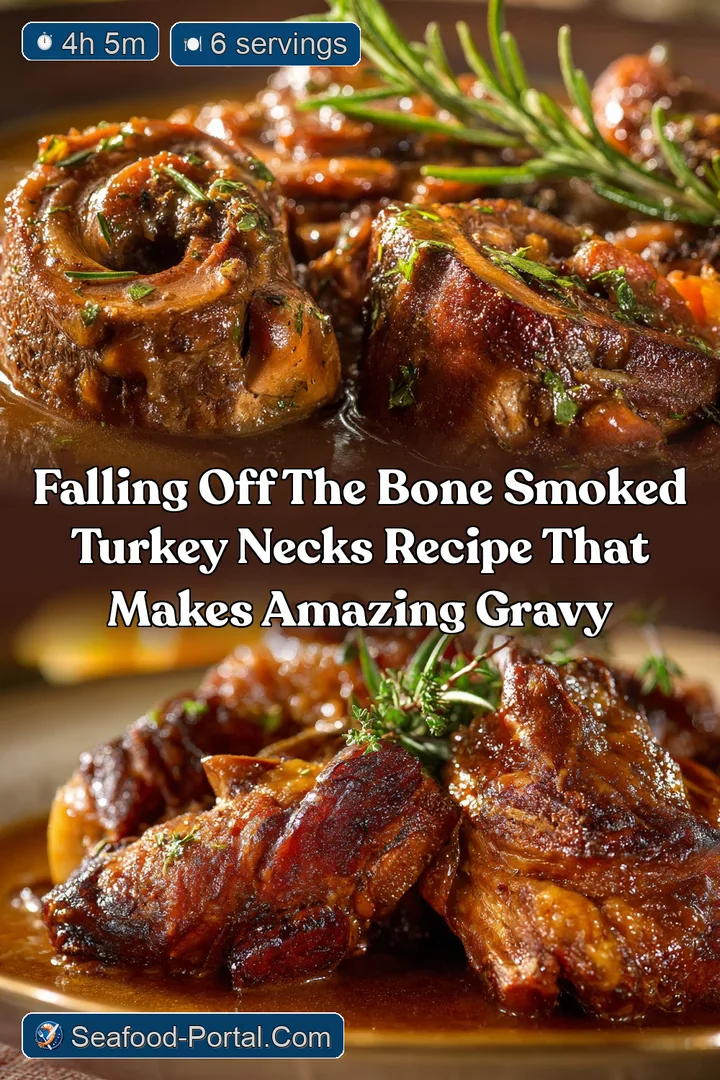
Our Smoked Turkey Necks Cook Time of roughly four hours at a low oven temperature is crucial for converting that collagen into gelatin. This gelatin infuses the braising liquid, making the meat incredibly tender and enriching the final sauce beautifully, guaranteeing we achieve true Falling Off The Bone Turkey Necks .
Gathering Your Culinary Arsenal: Essential Ingredients and Tools
The success of this savory Smoked Turkey Necks Recipe relies on pairing high-quality smoked meat with aromatic vegetables and a balanced braising liquid. We are creating a flavor synergy where the intense smokiness blends perfectly with fresh, bright ingredients and deep, savory stock.
Careful selection of both ingredients and equipment ensures a smooth cooking process and a superior final product.
Selecting the Best Smoked Turkey Necks: A Quality Checklist
When sourcing the main ingredient for this dish, prioritize plump pieces with a good ratio of meat to bone. The best necks will exhibit a deep mahogany color from quality smoking, indicating robust initial flavor development. If they look dry or pallid, the resulting flavor profile will be weaker.
Since these are pre-smoked, confirm with your butcher or packaging that the smoking process used real wood, such as hickory or applewood, for superior depth and flavor. Ensure the pieces are properly rinsed and patted very dry before starting your preparation, as surface moisture inhibits the crucial searing step.
Pantry Staples for the Rich Southern Gravy
A robust gravy requires a strong aromatic foundation built on finely diced yellow onion and celery. These ingredients sweat down during the searing phase, creating the initial layer of savory flavor that defines this Smoked Turkey Necks Recipe .
Fresh garlic adds a pungent depth but must be cooked briefly to avoid any bitter notes.
We rely on low-sodium chicken stock as the main braising liquid, preventing the finished sauce from becoming overly salty due to the cured nature of the smoked meat. A small measure of apple cider vinegar is also essential, offering a crucial acidity that perfectly cuts through the richness and fatty mouthfeel of the smoky turkey.
Essential Equipment for True Smothering Success
The most critical piece of equipment is a heavy bottomed Dutch oven or similar vessel with a tight fitting lid, ideally holding 5 to 7 liters. This heavy construction ensures even heat distribution both on the stovetop during searing and inside the oven during the long, gentle braise.
Consistent heat is vital for collagen breakdown.
For handling the hot, slippery necks and scraping the delicious fond from the bottom of the pot, sturdy metal tongs are indispensable. On top of that,, using a fine mesh sieve and a fat separator dramatically improves the quality of the finished gravy, ensuring it is silky smooth rather than oily or chunky.
Phase I: Searing and Deglazing for Maximum Depth of Flavor
Phase I focuses entirely on building the foundational flavor that deepens throughout the Smoked Turkey Necks Cook Time . Dredging the turkey necks lightly in a mixture of flour, smoked paprika, and black pepper provides a coating that aids in achieving maximum surface caramelization during the initial sear.
This dredge also serves as the necessary starch to create a starter roux once the aromatics are added.
Searing the necks in hot oil until they develop a deep brown crust is mandatory; this intense browning, known as the Maillard reaction, creates hundreds of complex, savory flavor compounds.
Deglazing the pot immediately afterward with dry red wine or stock incorporates the resulting brown residue, or fond , back into the liquid, ensuring zero flavor is wasted. This foundational step is non-negotiable for a truly rich gravy.
Related Recipes Worth Trying
- Rich Leftover Turkey Stew Recipe The Ultimate Comfort Food — Transform holiday meat into a robust Leftover Turkey Stew This easy turkey stew recipe with potatoes delivers deep savory comfort in just one hour
- Theme Park Smoked Turkey Legs Recipe Juicy FallOffTheBone — Master the juicy falloffthebone Smoked Turkey Legs like the theme park pros Includes the essential brine and cure for incredible tenderness Perfect for your...
- The Secret to Perfectly Crisp Juicy air-fried Turkey Meatballs — Stop serving dry turkey This foolproof air fryer turkey meatballs recipe delivers tender interiors and crisp edges Get the precise air fry turkey meatballs...
Phase II: The Simmering Stage Turning Tough Meat Tender
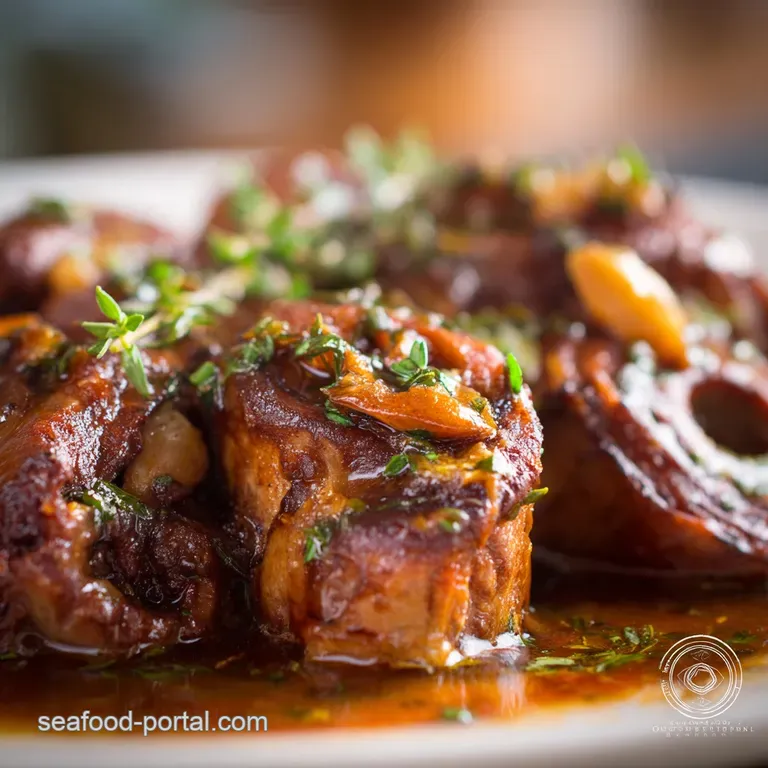
Once the aromatics, deglazing liquid, and stock are combined, the pot is brought to a gentle simmer on the stovetop before being tightly covered. We then utilize the controlled, ambient heat of the oven set precisely at 150° C ( 300° F) for the long, passive braise.
This temperature is the sweet spot for breaking down tough connective tissue.
Using the oven provides far more uniform, gentle heat circulation compared to a single stovetop burner, which can cause scorching on the bottom of the pot. This gentle simmering guarantees even cooking and perfect gelatin extraction, ultimately transforming the dense meat into true Falling Off The Bone Turkey Necks over several hours.
Finishing Touches: Mastering the Silky, Velvety Pan Gravy
The final steps are dedicated to refining the texture and flavor profile of the braising liquid itself, converting it into a polished, luxurious gravy. This involves careful straining, skimming of excess fat, and a reduction process that concentrates all the wonderful, smoky flavor created during the Smoked Turkey Necks Cook Time .
The quality of the final gravy separates a good braise from a truly exceptional one.
Initial Sear: Locking in the Smokiness
The initial high heat sear serves a vital purpose beyond creating color and depth in the gravy base. It also briefly tightens the surface proteins of the meat, effectively locking in the existing smoky flavor from the curing process.
This rapid exposure to heat prevents the pre-smoked character from leaching out too rapidly during the extended hours of wet cooking.
This crucial step ensures that the final gravy benefits from the deep, slow cooked flavors while the meat itself retains its characteristic wood smoked notes. Rushing this stage often results in flat tasting meat and a sauce lacking complexity, making the sear mandatory for this high-quality Smoked Turkey Necks Recipe .
Building the Aromatics Base (Mirepoix Prep)
A great aromatic base requires precision in chopping; onions and celery should be finely diced to ensure they almost completely dissolve and break down smoothly during the long braise. This careful prep ensures the final strained gravy is smooth and velvety, rather than chunky or textured.
After searing the meat, these prepared vegetables are gently softened in the remaining fat, slowly releasing their moisture and flavor compounds into the pot. Cooking them slowly, without browning, avoids any potential bitterness and guarantees a clean, sweet background note for the finished Smoked Turkey Necks gravy.
Maintaining the Ideal Braising Temperature
Consistency is paramount during the long braise, which is why we set the oven exactly to 150° C ( 300° F). The liquid inside the Dutch oven should maintain a slow, steady bubble, only just achieving a gentle simmer, never reaching a rapid boil.
Maintaining this steady, low heat is essential.
Boiling would unnecessarily toughen the exterior of the meat and cause the liquid to evaporate too quickly, risking a dry result. This controlled temperature guarantees even cooking and promotes the necessary collagen conversion crucial for achieving the maximum tenderness in these Smoked Turkey Necks .
Monitoring Tenderness: When Are the Turkey Necks Done?
While the estimated Smoked Turkey Necks Cook Time is 3.5 to 4 hours, actual completion is determined solely by texture, not the clock. You should test the meat by gently prodding a neck with a fork after the minimum cooking time has passed.
Avoid guessing and instead rely on tactile assessment.
The meat is perfectly done when it resists only slightly, threatening to completely dissolve and separate when you apply pressure this is the true indicator of Falling Off The Bone Turkey Necks .
If you feel any significant resistance, simply cover the pot tightly and return it to the oven for another 30 minutes until the collagen fully releases.
Thickening Techniques: Cornstarch Slurry vs. Roux
This Smoked Turkey Necks Recipe achieves its initial thickness from the flour dredge and, most importantly, from the gelatin released during the lengthy braise and subsequent reduction.
For most cooks, simple reduction of the strained liquid will create the perfect viscosity without needing further additives.
If you require substantial additional thickness, avoid creating a separate flour roux at this late stage, as it can be challenging to whisk in smoothly and may impart a raw flour taste.
Instead, quickly whisk a cold cornstarch slurry (cornstarch mixed with cold water) into the simmering strained liquid until the desired gravy consistency is reached.
Final Seasoning Adjustments for Perfect Balance
Because the braising liquid reduces dramatically during the finishing stage, concentrating all the flavors, final seasoning adjustments are mandatory after the reduction.
What tasted perfectly balanced before reducing will become too intense and likely overly salty afterward due to the high sodium content of the pre-smoked meat.
Taste the final gravy critically, checking the balance of salt, pepper, and most crucially, acidity. A tiny splash more apple cider vinegar or a pat of unsalted butter can dramatically round out the flavor profile and give the sauce a beautiful sheen before returning the shredded Smoked Turkey Necks to the pot for serving.
Troubleshooting and Expert Chef Tips for Best Results
Chef's Warning: Managing Pre-Smoked Saltiness
Always use low-sodium stock for this recipe. Since the turkey necks are already cured and smoked, they naturally carry a high salt content. If you use regular stock, the long reduction process will result in an intensely salty and likely inedible gravy.
- Optimal Searing: Do not overcrowd the Dutch oven when searing the turkey necks in Phase I. Crowding lowers the oil temperature quickly, causing the meat to steam instead of brown, robbing you of that vital Maillard reaction flavor. Work in small batches and be patient.
- The Power of Straining: For a professional finish, always strain the braising liquid through a fine mesh sieve, even if you’ve diced the vegetables finely. This removes any particulate matter and ensures your final gravy is silken and restaurant worthy.
- Preventing Dryness: Should the liquid level drop too far below the turkey necks during the Smoked Turkey Necks Cook Time , briefly lift the lid and add a small amount of preheated stock or water. The necks must remain submerged for perfect moisture retention.
Serving Suggestions and Recipe Variations
The rich, smoky, and deeply savory quality of this dish makes it a perfect pairing for hearty, simple side dishes. The thick pan gravy acts as the binder for any accompanying starches, creating truly memorable comfort food.
How to Fix a Gravy That's Too Thin or Too Thick
Refining the gravy consistency after the reduction stage is simple, provided you know the right quick fixes. Avoid boiling the gravy vigorously when trying to thicken it, as this can degrade the natural gelatin released from the turkey.
| Issue | Quick Fix |
|---|---|
| Gravy Too Thin | Increase heat slightly and simmer rapidly, reducing volume until it thickens; or whisk in a cold cornstarch slurry. |
| Gravy Too Thick | Whisk in small amounts of warm chicken stock or water until the perfect, pourable consistency is reached. |
Storage, Freezing, and Reheating Leftovers
This Smoked Turkey Necks Recipe is excellent for meal prep, as it stores beautifully in the refrigerator for up to four days. Always store the meat fully submerged in the gravy, which acts as a protective layer to maintain moisture and prevent the surface from drying out.
For longer storage, the braise freezes exceptionally well for up to three months in an airtight container. When reheating, thaw completely overnight in the fridge and gently simmer the mixture on the stovetop over low heat, adding a splash of stock or water if the gravy seems too tight or sticky.
Can I Use an Instant Pot or Pressure Cooker Instead?
Yes, for cooks needing speed, adapting this recipe for the Smoked Turkey Necks In Instant Pot or pressure cooker is entirely possible, dramatically cutting the required Smoked Turkey Necks Cook Time .
Ensure you still complete the crucial searing and deglazing steps first, using the appliance’s sauté function before sealing the lid.
After adding the liquid, secure the lid and cook on high pressure for approximately 45 to 60 minutes, followed by a full natural pressure release. While this method is faster, the deep, complex flavor achieved through the traditional, long oven braise is slightly superior, so use the oven if time permits.
Ideal Side Dishes to Complement the Smoked Flavor
The intense, savory flavor of the gravy requires a neutral, starch heavy companion to absorb every drop. This dish shines particularly brightly when served as Smoked Turkey Necks and Rice , where the smoky sauce coats long grain white rice perfectly, creating a filling and satisfying meal.
Alternatively, serving Smoked Turkey Necks and Potatoes —specifically creamy mashed potatoes, soft buttered noodles, or buttery skillet potatoes creates the ultimate cold weather comfort meal.
Traditional Southern braised collard greens, prepared with a touch of vinegar, provide necessary bitterness and acidity to cut through the richness of the turkey fat.
Making the Recipe Spicy: Chili and Cayenne Variations
For those who enjoy a subtle heat, incorporating the optional half teaspoon of cayenne pepper into the braising liquid adds a beautiful, warming kick that develops during the long cook time. For a bolder flavor, dice one or two jalapeños or serrano peppers and sauté them alongside the onion and celery.
This spicy addition allows the capsaicin oils to infuse fully into the aromatic base and become an integral part of the finished gravy. If you are preparing this for children or guests sensitive to heat, omit the cayenne and instead serve hot sauce on the side for individual customization.
Substituting Turkey Wings or Legs (Meat Alternatives)
If the specific cut is unavailable, or if you prefer a larger, easier-to-handle piece of meat, smoked turkey wings or drumsticks make excellent substitutions. These alternative cuts possess a similar high ratio of bone and connective tissue required to enrich the gravy base with gelatin.
The flavor profile remains remarkably consistent.
You will still need to complete the mandatory searing process, but larger wings or legs might require an extra 15 to 30 minutes in the oven to fully tenderize.
Always ensure you check for that desired Falling Off The Bone Turkey Necks tenderness with a fork before proceeding to the final gravy reduction stage.
Recipe FAQs
Why do these Smoked Turkey Necks need four hours? Isn't that a bit of a faff?
That low and slow time is absolutely crucial for dissolving the collagen in the tough neck tissue, turning it into that magnificent, unctuous gravy that melts in your mouth; anything less, and they’ll be rubbery, which is simply not cricket.
I bought pre-smoked necks. Do they need the full cook time or are they already done?
Yes, they absolutely require the full braising time; 'smoked' refers to a preservation and flavour process, not a state of being fully cooked, and we need the heat and time to properly break down the tough connective tissue for tender results.
I haven't got a Dutch Oven. Can I use a slow cooker or a pressure cooker instead?
Absolutely! For a slow cooker, sear the necks first, then cook on low for 6 8 hours; for a pressure cooker, cook for 45 55 minutes on high pressure after searing, followed by a natural pressure release for the best texture.
My finished gravy tastes a bit too salty what’s gone wrong, and how can I fix it?
Smoked meats are naturally high in sodium, so if it’s over the top, stir in a splash more acid, like extra apple cider vinegar or lemon juice, as the sharpness helps to balance the saltiness; alternatively, simmering in a halved, peeled potato for twenty minutes can absorb some excess sodium.
How long do leftovers keep, and can I freeze the finished dish for later?
Leftovers will keep splendidly in the fridge for 3 4 days in an airtight container, and they freeze brilliantly for up to three months; while the gravy might lose a tiny bit of body upon thawing, the deep smoky flavour holds up wonderfully.
What are the best sides to serve with this rich, smoky comfort food?
Traditional pairings are creamy mashed potatoes or rich polenta, perfect for soaking up every drop of gravy, alongside something sharp like braised collard greens finished with vinegar or a simple, crunchy coleslaw to cut through the richness.
Low Slow Smoked Turkey Necks And Gravy
Ingredients:
Instructions:
Nutrition Facts:
| Calories | 4102 kcal |
|---|---|
| Protein | 76.8 g |
| Fat | 66.4 g |
| Carbs | 32.8 g |
| Fiber | 5.3 g |
| Sugar | 10.8 g |
| Sodium | 10969 mg |
