Lobster Ravioli Sauce: Silky & Citrus Forward
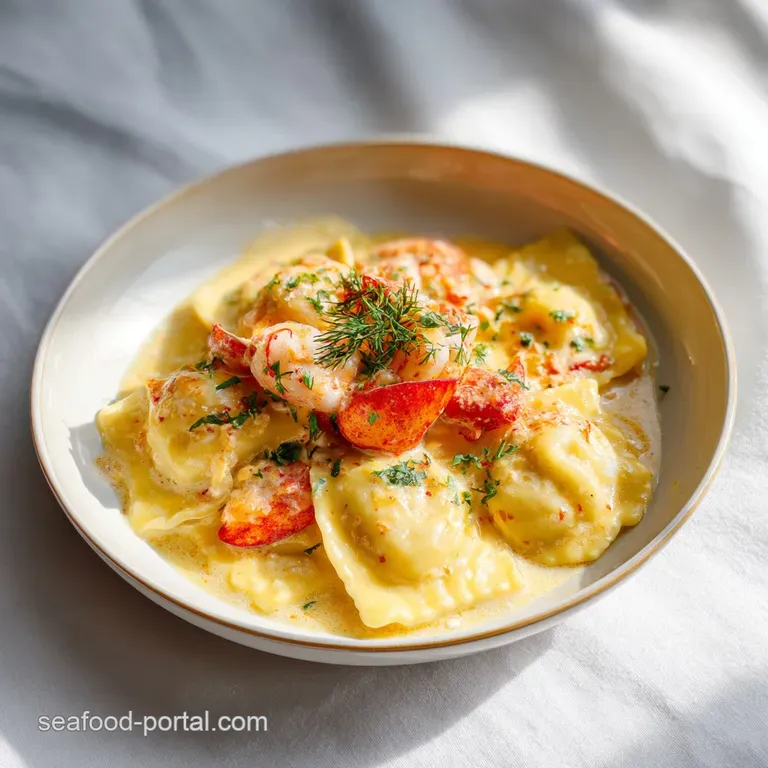
- Time: Active 10 minutes, Passive 5 minutes, Total 15 minutes
- Flavor/Texture Hook: Silky, citrus forward, and decadent
- Perfect for: Date night or a high end weeknight treat
- Understanding the Chemistry of a Perfectly Stable Butter Emulsion
- Vital Recipe Statistics and Method Comparisons for Home Cooks
- Hand Selected Ingredients for a Bright and Savory Finish
- Necessary Kitchen Tools to Ensure a Smooth Sauce Consistency
- Simple Instructions to Build Flavor and Depth in Minutes
- Professional Solutions for Common Saucier Problems and Errors
- Creative Variations to Personalize Your Seafood Pasta Experience
- Effective Ways to Store and Repurpose Your Leftover Sauce
- Thoughtful Pairing Suggestions for a Complete Seafood Dinner Experience
- Recipe FAQs
- 📝 Recipe Card
Understanding the Chemistry of a Perfectly Stable Butter Emulsion
The Physics of the Velvety Emulsion: By whisking cold butter into a hot reduction, you create a "fat in-water" emulsion where milk solids and water molecules trap fat droplets in a stable, creamy suspension.
If the butter is too warm, the fat escapes too quickly, resulting in an oily mess rather than a thickened, silky finish.
- Aromatic Infusion: Sautéing shallots and garlic in the initial 2 tablespoons of butter extracts fat soluble flavor compounds that water based liquids can't reach.
- Acidity and Structure: The 0.5 cup of dry white wine provides tartaric acid, which balances the heavy fats and helps prevent the heavy cream from feeling greasy on the palate.
- The Cold Start Rule: Using 6 tablespoons of chilled butter ensures the temperature drops gradually, allowing the proteins to wrap around the fat before it melts completely.
- Reduction Concentration: Simmering the wine and lemon juice concentrates the natural sugars and acids, providing a sturdy foundation for the cream and butter to latch onto.
If you’re looking for something even more indulgent with a deeper seafood profile, my Lobster Ravioli Sauce recipe uses a bisque base that is honestly out of this world. It’s a great alternative if you want to lean into those savory, roasted shell notes.
Comparison of Prep Methods
| Method | Time | Texture | Best For |
|---|---|---|---|
| Traditional Stovetop | 15 minutes | Silky and light | Maximum flavor control |
| Double Boiler | 20 minutes | Thick and heavy | Beginners afraid of breaking sauce |
| Infused Shortcut | 5 minutes | Oily and thin | Very quick weeknight meals |
The traditional stovetop method is truly the way to go because it allows the white wine to reduce properly, which is where all that underlying complexity comes from.
Vital Recipe Statistics and Method Comparisons for Home Cooks
| Component | Science Role | Pro Secret |
|---|---|---|
| Dry White Wine | Solvent and Acid | Use a crisp Sauvignon Blanc to cut through the lobster's natural sweetness and provide a bright backbone. |
| Chilled Butter | Emulsifier | Keep the 6 tablespoons in the fridge until the very second you need them to ensure the sauce stays thick and opaque. |
| Heavy Cream | Stabilizer | The proteins in the 0.25 cup of cream act as a safety net, helping to keep the butter and wine from separating during plating. |
| White Pepper | Flavor Enhancer | White pepper provides a floral heat that disappears into the sauce visually while adding a sophisticated punch that black pepper lacks. |
Hand Selected Ingredients for a Bright and Savory Finish
- 2 tbsp unsalted butter: Used for the initial sauté. Why this? Allows you to control the total salt content of the finished dish.
- 2 large shallots: Finely minced for a subtle, sweet onion flavor. Why this? Shallots melt into the sauce better than standard yellow onions.
- 3 cloves garlic: Paper thinly sliced. Why this? Slicing prevents the harsh, sulfurous bite that crushing or pressing can cause.
- 0.25 tsp red pepper flakes: For a gentle, back of-the throat warmth. Why this? Adds a necessary contrast to the rich, fatty cream base.
- 0.5 cup dry white wine: A crisp variety like Pinot Grigio or Sauvignon Blanc. Why this? The acidity is mandatory for balancing the heavy butter emulsion.
- 1 tbsp fresh lemon juice: Squeezed fresh. Why this? Bottled juice has a metallic aftertaste that ruins delicate seafood.
- 1 tsp lemon zest: Grated just before adding. Why this? Contains the essential oils that provide a floral, citrus aroma.
- 6 tbsp cold unsalted butter: Cubed into small pieces. Why this? The cold temperature is vital for creating a thick, stable emulsion.
- 0.25 cup heavy cream: Full fat only. Why this? Provides the necessary milk solids to bind the sauce together.
- 2 tbsp fresh chives or parsley: Finely chopped. Why this? Adds a pop of color and a fresh, herbal finish.
- 0.25 tsp salt: Fine sea salt is best. Why this? Dissolves instantly into the emulsion without leaving grit.
- 0.125 tsp white pepper: For subtle heat. Why this? Keeps the sauce looking clean and ivory white.
| Original Ingredient | Substitute | Why It Works |
|---|---|---|
| Dry White Wine | Seafood Stock + 1 tsp Vinegar | Mimics the acidity and ocean depth. Note: Result will be less aromatic. |
| Heavy Cream | Full fat Coconut Milk | Provides similar fat content. Note: Will add a noticeable tropical flavor profile. |
| Shallots | Scallion Whites | Offers a similar mild, sweet bite. Note: Use the white and light green parts only. |
Necessary Kitchen Tools to Ensure a Smooth Sauce Consistency
You don't need a high tech lab, but a few specific items make this much easier. A heavy bottomed stainless steel skillet is my top choice because it allows you to see the color of the butter and shallots as they cook, preventing burning.
Avoid cast iron for this particular sauce; the acidity of the wine and lemon can react with the seasoning and turn your beautiful white sauce a muddy grey.
A balloon whisk is also essential. You need something that can move quickly to incorporate the cold butter. If you use a fork, you won't get enough air and movement to properly emulsify the fats, and you'll likely end up with a broken sauce.
Finally,, a microplane for that lemon zest is a total lifesaver it creates those tiny, airy shards of zest that melt into the sauce rather than leaving you with chewy bits of peel.
Simple Instructions to Build Flavor and Depth in Minutes
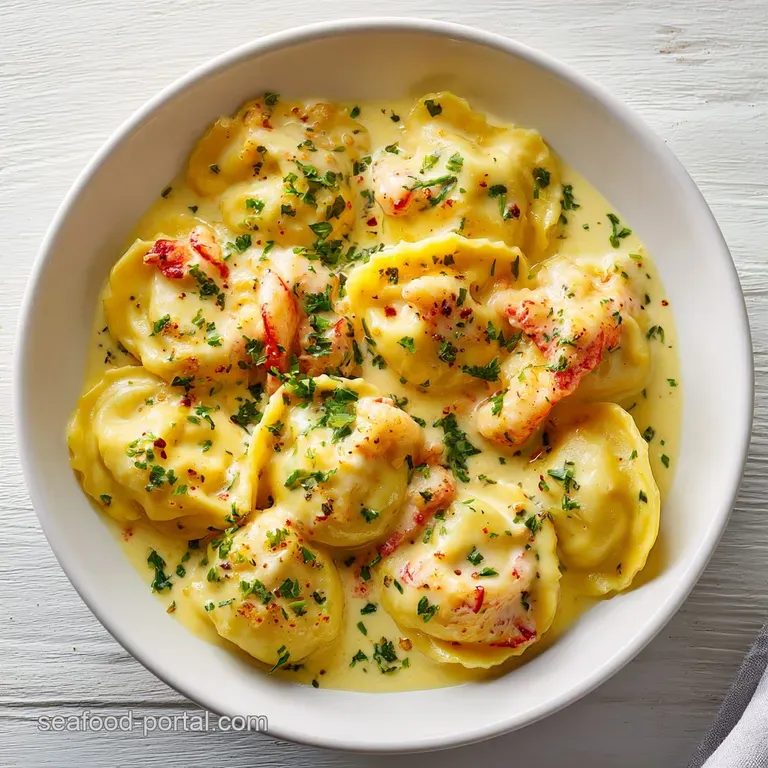
- Melt the base. Place the 2 tablespoons of unsalted butter in a medium skillet over medium low heat until it begins to foam and sizzle gently.
- Sauté the aromatics. Add the minced shallots and sliced garlic to the pan. Note: Keep the heat low to avoid browning.
- Infuse the heat. Stir in the 0.25 tsp red pepper flakes and cook for 2 minutes until the shallots are translucent and fragrant.
- Deglaze the pan. Pour in the 0.5 cup dry white wine and 1 tbsp lemon juice, scraping any bits from the bottom.
- Concentrate the flavors. Simmer the liquid for 4 to 5 minutes until it has reduced by half and looks syrupy.
- Add the cream. Whisk in the 0.25 cup heavy cream and 1 tsp lemon zest, bringing it back to a very gentle simmer.
- Emulsify the butter. Drop the 6 tablespoons of cold cubed butter into the pan, two cubes at a time, whisking constantly.
- Monitor the texture. Continue whisking over low heat until the butter is fully incorporated and the sauce is thick and glossy.
- Season the sauce. Remove from heat and stir in the 0.25 tsp salt, 0.125 tsp white pepper, and 2 tbsp fresh chives.
- Coat the pasta. Toss your cooked lobster ravioli directly into the skillet, coating them until the sauce clings to every surface.
Chef's Tip: If your sauce looks like it’s starting to separate (oily around the edges), immediately add a teaspoon of cold water or cream and whisk vigorously off the heat. The temperature drop and extra liquid usually pull the emulsion back together.
Professional Solutions for Common Saucier Problems and Errors
Fixing a Broken Emulsion
If your sauce looks curdled or oily, the temperature likely climbed too high. This happens when the pan is too hot when the cold butter is added, causing the fat to separate from the milk solids. To fix it, remove the pan from the heat entirely. Add one tablespoon of cold heavy cream and whisk with high intensity.
The extra protein in the cream helps re bind the fat molecules.
Preventing Bitter Garlic Burn
Garlic turns acrid and bitter the moment it turns dark brown. Because we are slicing it paper thin, it cooks in seconds. If you notice the garlic edges browning too quickly, splash a teaspoon of the wine into the pan immediately to lower the surface temperature.
| Problem | Root Cause | Solution |
|---|---|---|
| Sauce is too thin | Not enough reduction | Simmer the wine/lemon base for an extra 2 minutes before adding cream. |
| Sauce is gritty | Garlic/shallots too large | Use a microplane for garlic or mince shallots more finely next time. |
| Flavor is flat | Lack of acidity | Add an extra squeeze of fresh lemon juice just before serving. |
Common Mistakes Checklist
- ✓ Never let the sauce reach a rolling boil after the cream and butter are added.
- ✓ Ensure the butter is truly cold straight from the fridge is best.
- ✓ Don't skip the reduction step; this is where the thickness begins.
- ✓ Use a stainless steel or non reactive pan to keep the flavor clean.
- ✓ Add the herbs at the very end to preserve their bright color and oils.
Creative Variations to Personalize Your Seafood Pasta Experience
If you want to move away from the classic lemon butter profile, there are several ways to tweak this. For a richer, more earthy vibe, you can add a pinch of saffron threads to the wine while it reduces. This gives the sauce a gorgeous golden hue and a floral aroma that pairs beautifully with the lobster. For those nights when you want to keep it purely buttery, try this Lobster Butter Sauce recipe. It’s a bit simpler but focuses entirely on the richness of the fat.
Specific Adaptation Suggestions
- For a Zesty Sauce Without Cream: Omit the heavy cream and double the wine reduction. Whisk in 8 tablespoons of cold butter instead of 6 to maintain the thickness through a pure beurre blanc technique.
- For a Decadent Saffron Twist: Soak 5-6 saffron threads in the white wine for 10 minutes before starting the recipe. Proceed as normal for a vibrant, aromatic finish.
- For a Crispy Texture: Add 1/4 cup of toasted panko breadcrumbs mixed with lemon zest over the plated ravioli just before serving.
Serving Size Adjustments
| Servings | Ingredient Adjustments | Pan Size | Cook Time |
|---|---|---|---|
| 2 people | Halve all ingredients exactly | 8 inch skillet | 10 minutes |
| 4 people | Use the quantities listed above | 10 inch skillet | 15 minutes |
| 8 people | Double all; use 1.5x salt/spices | 12 inch skillet | 20 minutes |
Effective Ways to Store and Repurpose Your Leftover Sauce
This sauce is at its absolute best the moment it’s made, but life happens. If you have leftovers, store them in an airtight glass container in the fridge for up to 3 days. When you’re ready to eat, don’t just throw it in the microwave; the high heat will cause the butter to break and turn the sauce into a pool of oil.
Instead, place it in a small saucepan over the lowest heat possible, adding a splash of water or milk, and whisk constantly as it warms.
I don’t recommend freezing this specific sauce because the emulsion is quite fragile. Once frozen and thawed, the cream and butter almost always separate into a grainy texture that is hard to fix.
For zero waste cooking, use any leftover sauce as a base for a seafood sauté the next night it’s incredible drizzled over seared scallops or a piece of flaky white fish. You can even use the discarded lemon rinds to infuse your dish water or clean your cutting boards!
Thoughtful Pairing Suggestions for a Complete Seafood Dinner Experience
When you have a sauce this rich, you need side dishes that offer high contrast textures. A crisp, bitter green salad with a simple vinaigrette is the perfect foil for the heavy butter and cream. Think arugula or radicchio something with a bit of a bite.
You could also pair this with some roasted asparagus; the slight char from the oven provides a smoky contrast to the bright lemon notes in the sauce.
For a different take on stuffed pasta, our Shrimp and Crab recipe is a fantastic alternative that uses similar flavor profiles but with a slightly different seafood texture. If you're going all out for a dinner party, a chilled bottle of Vermentino or a lightly oaked Chardonnay will complement the lobster’s natural sweetness perfectly. Just make sure the wine you drink is as good as the wine you cooked with!
Three Myths About Butter Sauces
- Boiling Stabilizes the Sauce: Actually, boiling a butter emulsified sauce is the fastest way to break it. High heat causes the water to evaporate and the fat to separate. Keep it at a low simmer.
- Salt Should Be Added Early: Adding salt at the very end allows you to taste the final concentration after the reduction is complete, preventing an oversalted dish.
- low-fat Cream Works Just as Well: Half and half or milk lacks the fat content to create a stable emulsion with the butter, leading to a thin, watery result. Stick to the heavy stuff.
Recipe FAQs
What sauce goes with lobster ravioli?
A simple brown butter sauce or a light lemon cream sauce works best. Because lobster ravioli is already rich, you want a sauce that complements the filling without overwhelming the delicate shellfish flavor. A classic beurre blanc variation is a fantastic, quick choice that enhances the richness.
What compliments lobster ravioli?
Bright, acidic flavors compliment the richness best. Fresh lemon zest, a hint of white wine reduction, and fresh herbs like chives cut through the fat beautifully. If you enjoyed mastering the emulsion technique here, you'll find similar flavor balancing principles in our Shrimp Newburg The recipe.
What sauce would you have with lobster pasta?
A restaurant quality, velvety cream sauce is ideal for lobster pasta. Aim for a sauce that uses a strong seafood stock base, enriched with butter and finished with a touch of cognac or sherry for depth. For an elevated version, look into making a Creamy Lobster Sauce recipe.
How to prepare Costco lobster ravioli?
Boil the ravioli according to package directions until they float, usually 5-7 minutes. While the water comes to a boil, gently warm your sauce in a separate skillet over low heat, ensuring it does not bubble.
Drain the ravioli carefully, reserving about half a cup of the starchy pasta water before tossing them directly into the prepared sauce.
Is brown butter sauce too heavy for lobster ravioli?
No, provided you balance the nutty flavor with acid. Browning the butter brings out deep, complex notes, but you must add fresh lemon juice or white wine to keep it bright. If you're looking for a straightforward, buttery preparation, try the Broiled Frozen Lobster recipe for inspiration on butter utilization.
Can I use frozen lobster tails to make a sauce for the ravioli?
Yes, if you properly develop a stock first. Thaw the tails, remove the meat, and simmer the shells in water with aromatics like celery, onion, and parsley for at least 30 minutes to create a flavorful base.
Strain this liquid and use it as the foundation instead of plain water or stock for your cream sauce.
What is the best way to thicken a lobster ravioli cream sauce quickly?
Mount the sauce with cold, cubed butter off the heat. Whisking in chilled butter creates a stable, beautiful emulsion that thickens the sauce immediately without making it gluey, unlike cornstarch slurry.
This technique relies on rapid whisking to create tiny fat droplets that suspend in the liquid base.
Lobster Ravioli Sauce Guide
Ingredients:
Instructions:
Nutrition Facts:
| Calories | 291 calories |
|---|---|
| Protein | 0.9g |
| Fat | 28.4g |
| Carbs | 4.1g |
| Fiber | 0.4g |
| Sugar | 1.4g |
| Sodium | 165mg |
