Lemon Shrimp Pasta the Ultimate 20Minute Creamy Scampi Linguine
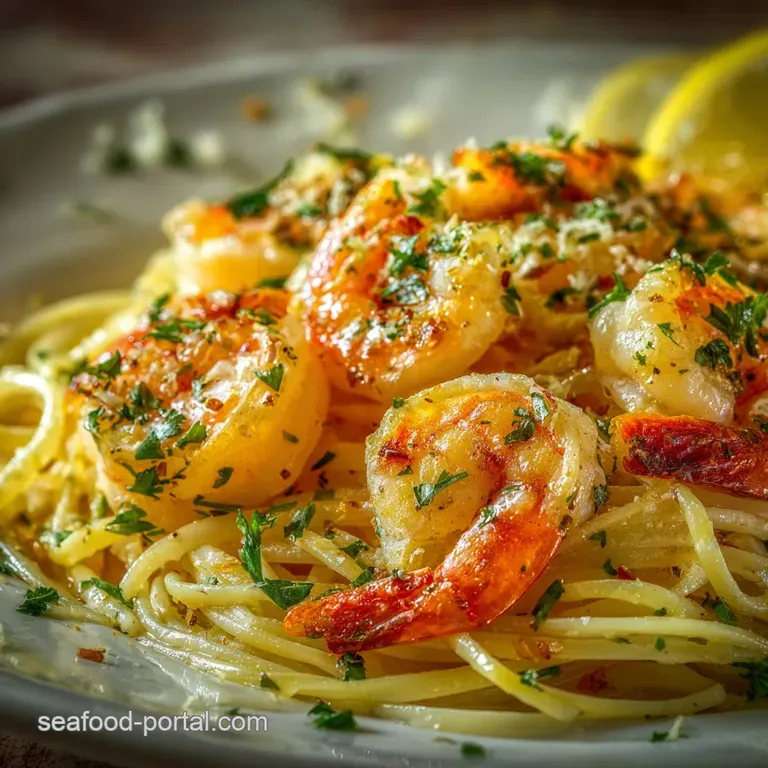
- The Secret to Scampi Success: Restaurant Quality in Minutes
- Why This Lemon Shrimp Pasta Recipe Is Your New Weeknight Hero
- Sourcing the Perfect Shellfish and Pantry Staples
- Specialized Tools for the Ultimate Lemon Shrimp Pasta
- Mastering the 5 Step Process for Glossy, Rich Sauce
- The Quick Cook Method: Executing the 20 Minute Timeline
- Troubleshooting and Pro Tips for Your Lemon Shrimp Pasta Creation
- Flexible Flavor Paths: Easy Recipe Variations and Substitutions
- Recipe FAQs
- 📝 Recipe Card
The Secret to Scampi Success: Restaurant Quality in Minutes
Okay, friend, let’s talk about Lemon Shrimp Pasta. Not the watery, sad versions you sometimes get out, but the glossy, rich, ridiculously flavorful stuff that makes you stop mid and bite and say, "Wait, I made this?"
I spent years messing up shrimp scampi. It was either too oily, or the shrimp turned into rubber bullets, or the sauce split into sad, separated puddles. It was frustrating. But I nailed the technique, and now I’m sharing the key: it’s speed, it's heat, and it’s the magical, starchy water you usually pour down the drain.
This isn't just one of those easy shrimp pasta recipes. This is a 20 minute weeknight miracle that tastes like you spent an hour slaving away. Trust me on this.
Why This Lemon Shrimp Pasta Recipe Is Your New Weeknight Hero
I’m serious about the 20 minute timeline. Once you get the hang of searing the shrimp quickly and building the sauce in the same pan capturing all that gorgeous caramelized flavour you’ll realize this recipe is pure efficiency.
It is the perfect, bright, zesty summer shrimp pasta, but it works just as well when you need a little sunshine in the middle of a dreary January.
This is the ultimate quick and fix seafood pasta dinner. And the best part? It uses very few ingredients, meaning the quality of each one really gets to shine.
Understanding the Power of Pasta Water Emulsification
This is the actual secret sauce, literally. When you boil your linguine (or spaghetti), the starch released into the water is gold. That starchy, murky water is what we use, instead of cream, to bind the fat (butter and oil) and the acidic lemon juice into a single, cohesive, satiny glaze.
If you skip reserving the water, your sauce will split, or it will be thin and runny. You want that sauce to cling to every single strand of pasta like it’s wearing a perfect, fitted little jacket. That’s what the starchy water does. It’s brilliant.
Debunking the Myth: Scampi Doesn't Mean Shrimp
Fun fact for your next dinner party: when Italians say scampi , they aren't talking about shrimp or prawns at all. They’re referring to small, clawed lobsters, often called Dublin Bay Prawns or langoustines.
The American version of the dish simply took the preparation method (garlic, butter, wine) and applied it to shrimp, which are much more readily available.
So, when we make Lemon Shrimp Scampi Pasta, we are enjoying a delicious Italian and American hybrid. Pedantic? Maybe. Tasty? Absolutely.
Essential Mis and en-Place for Rapid Cooking
If you are aiming for the 20 minute goal, prep is everything. Mis and en-place (everything in its place) is French, but it’s crucial for this Italian dish. You need to chop the garlic, zest and juice the lemon, and chop the parsley before the water even boils. Seriously.
The cooking stage is fast. We move quickly from searing, to sautéing, to deglazing, to emulsifying. If you stop to mince a clove of garlic during that time, you risk burning the aromatics, and burnt garlic tastes awful. Have your cold butter cubed and ready, too.
Sourcing the Perfect Shellfish and Pantry Staples
For this particular Lemon Shrimp Pasta recipe, the star is the seafood, so treat it well.
| Attribute | Fresh Prawns (Shrimp) | Frozen Prawns (Shrimp) |
|---|---|---|
| Flavour | Brightest, best texture | Excellent, often flash frozen at sea |
| Convenience | Lower | Highest |
| Price | Highest | More budget and friendly |
| Prep Needed | Requires peeling/deveining | Requires thawing and thorough drying |
I often use frozen because they are usually preserved at peak freshness. Just thaw them slowly overnight in the fridge, or quickly under cold running water, and most importantly , pat them bone and dry before cooking.
Specialized Tools for the Ultimate Lemon Shrimp Pasta
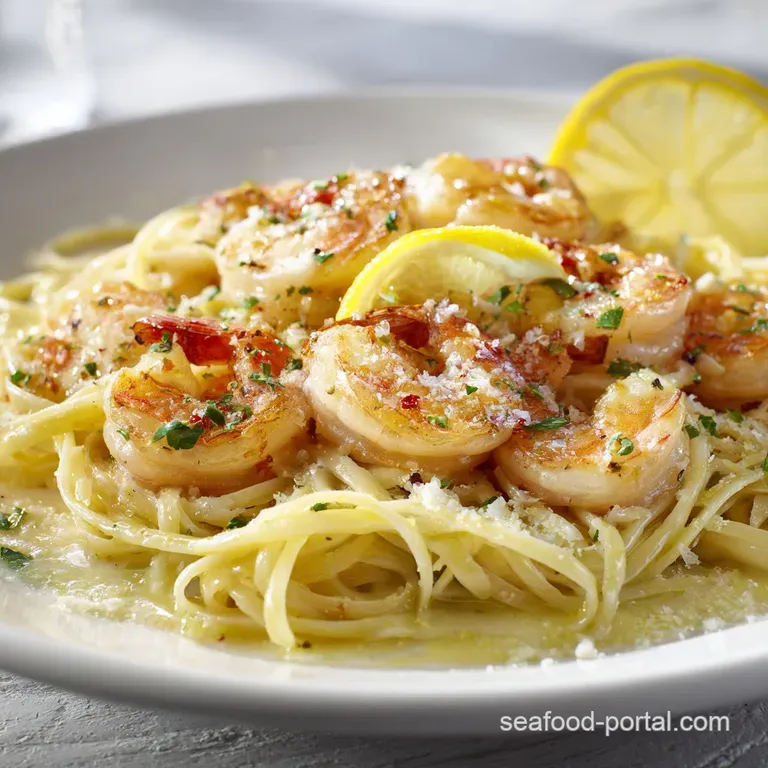
You really don't need much. A large stockpot for the pasta, and a 12 inch, heavy and bottomed skillet. That’s the workhorse. If you have a stainless steel pan, the fond (the little browned bits left by the shrimp) will stick beautifully and deglaze perfectly, adding huge depth of flavor to your sauce.
The Best Pasta Shapes to Partner with Scampi Sauce
Because this is a butter and oil based sauce (a thin glaze, really, not a thick cream sauce), we need a shape that allows the sauce to cling. I recommend linguine or spaghetti. Their long, flat surface area provides the perfect canvas for the glossy lemon shrimp pasta sauce.
Rigatoni or penne are just too chunky for this delicate glaze.
Choosing Fresh vs. Frozen Prawns: A Flavour Breakdown
Look, if you live near the coast and can get fresh, wild and caught shrimp, do it. But for the rest of us, frozen is absolutely fine. Just look for large, already peeled and deveined prawns. The size matters. We want jumbo or large (21/25 count per pound) because they sear better and stay juicier.
Small shrimp dry out instantly.
The Unsung Hero: Selecting High and Quality Olive Oil
Please, for the love of all that is zesty, don't use your cheap cooking olive oil here. We are using a fair amount of olive oil raw, or nearly raw, in this sauce. It needs to have actual flavor. Get a good quality, extra virgin olive oil that tastes fruity and slightly peppery.
It makes a huge difference to the finish of the lemon shrimp pasta sauce.
Preparing Garlic and Zest for Maximum Aromatic Impact
Grab that Microplane grater and get the zest off the lemon first. Once you cut the lemon, zesting becomes an ergonomic nightmare. We want all that vibrant yellow goodness, because the essential oils in the zest provide 90% of the lemon flavor in this dish. Then, juice the lemon.
Keep the juice and zest separate until the very end.
Related Recipes Worth Trying
- Old Bay Shrimp Boil The Proper Stovetop Recipe 60 Mins — The essential Old Bay Shrimp Boil is easier than you think Learn how to cook a classic Stovetop Shrimp Boil with perfectly infused potatoes corn and sausage...
- Shrimp Tacos with Cabbage Slaw Zesty Easy Ready in 45 Mins — Our best Shrimp Tacos with Cabbage Slaw recipe combines smoky chipotle shrimp with a crunchy zesty Coleslaw For Shrimp Tacos Easy healthy shrimp tacos ready...
- Garlic Shrimp Noodles The Ultimate 25Minute Weeknight Hero — Garlic Shrimp Noodles are the quick weeknight hero you need This easy shrimp noodle recipe uses caramelized garlic and butter for an intense savory flavor...
Mastering the 5 Step Process for Glossy, Rich Sauce
- Pasta First: Get the water boiling and the pasta cooking. Reserve that starchy bathwater.
- Searing: Pat the shrimp dry and sear them fast and hard. Get them 75% done, then get them out of the pan immediately.
- Aromatics: Infuse the remaining oil and butter with garlic and chili flakes, keeping the heat low.
- Deglazing & Reducing: Add the wine (or stock) and scrape up the pan bits. Reduce the liquid down.
- Emulsification: Turn the heat way down, add the lemon juice and zest, and whisk in the cold butter and reserved pasta water. The sauce comes together in seconds.
The Quick Cook Method: Executing the 20 Minute Timeline
This is where the clock is running. Start the pasta first (Stage 1). While the pasta is cooking, you execute the rest (Stages 2 and 3).
Searing the Shrimp to Juicy Perfection
High heat is your friend. We are looking for a beautiful pink sear, not an inner tube texture. Pat them dry, season them well, and hit that hot pan with a mix of oil and butter. Cook in two batches if necessary crowding the pan lowers the temperature and prevents searing.
When they curl into a C-shape, they are done. Pull them out and set them aside. They will finish cooking when they go back into the warm sauce.
Infusing the Butter and Garlic Base
Reduce the heat drastically (medium and low is perfect). Add your garlic and red pepper flakes. You only need about 30 seconds to a minute here. The garlic should be fragrant, like a perfume filling your kitchen, but it absolutely cannot brown.
CRITICAL WARNING: Burnt garlic tastes acrid and ruins the entire lemon shrimp pasta sauce. If the garlic starts turning golden brown, you've gone too far. Toss the mixture out and start the sautéing step again.
Marrying the Linguine and Sauce Base
Once your sauce is glossy and emulsified with the starchy water, it’s time to toss. Add the al dente linguine and the seared shrimp back into the skillet. Crank the heat slightly and use tongs to toss everything vigorously.
This is crucial: the pasta absorbs the last bit of liquid, pulling the sauce to the perfect consistency.
Final Touches: Adjusting Acidity and Seasoning
Remove the pan from the heat. This is when you stir in the fresh parsley and the lemon zest. Taste it! Does it need a little more bite? Add a tiny splash more lemon juice. Does it taste flat? A pinch more salt, maybe a grind of pepper. Serve it immediately while the sauce is still hot and glossy.
Troubleshooting and Pro Tips for Your Lemon Shrimp Pasta Creation
I made a comprehensive list of things I learned the hard way so you don’t have to:
- My Sauce Looks Oily and Separated: It’s too hot, or you added the cold butter too quickly. Turn the heat down to low and whisk in a tablespoon of cold pasta water. Vigorously whisking the sauce off the heat often saves a split emulsion.
- The Shrimp Are Rubbery: You cooked them for too long initially. Next time, pull them off the heat even earlier. They cook quickly, typically 90 seconds per side is plenty for large prawns.
- Use Cold Butter: When you whisk in the finishing butter (Step 9), make sure it is cold and cubed. Adding cold butter to a warm liquid, piece by piece, helps stabilize the emulsion and gives you that perfect richness.
Flexible Flavor Paths: Easy Recipe Variations and Substitutions
How to Store and Reheat Leftover Scampi
Leftover seafood pasta is tough. The shrimp inevitably become tougher when reheated. But you can make it work! Store leftovers in an airtight container for up to two days. When reheating, avoid the microwave.
Instead, warm 1 Tbsp of chicken stock or water in a small skillet. Add the leftover pasta and cover it tightly, heating gently over medium and low heat for 3– 5 minutes.
The steam will warm the pasta and the extra liquid helps re and hydrate the sauce and keep the shrimp from completely seizing up.
Dietary Adaptations: Making the Dish Gluten and Free or Dairy and Free
If you need to go gluten and free, use a high-quality GF pasta. Because you need the starch from the cooking water, make sure you cook the GF pasta according to package directions and reserve the water it will still be starchy enough to bind the sauce.
For dairy and free, swap the butter entirely for a neutral oil, like avocado oil, or use a high and quality vegan butter substitute. You will need to rely more heavily on the pasta water and a little bit of the lemon juice to emulsify the oil.
Essential Side Dishes to Complete the Meal
Since the lemon shrimp pasta is rich and bright, you want something simple on the side. A classic Caesar salad (minus the anchovies, maybe) or just a big bowl of green beans blanched quickly and tossed with a dash of olive oil and flake salt. Crusty bread is non and negotiable for soaking up that sauce.
Calculating the Nutritional Breakdown per Serving
Look, I’m not a nutritionist, I’m a cook. But if you're tracking things, this Lemon Shrimp Pasta is surprisingly healthy (lemon shrimp pasta healthy!). It’s high in protein and healthy fats, and because we skip the heavy cream, the calorie count stays reasonable. It's mostly lean seafood and carbs.
Enjoy it without guilt.
Recipe FAQs
My sauce looks a bit watery, not thick and glossy. What did I miss?
Ah, the magic of the sauce is all in the emulsification! You absolutely must use the reserved starchy pasta water it contains starches that combine with the butter and oil to create that luxurious, glossy coating that sticks to the linguine like glue, a proper game changer.
My shrimp are always tough and rubbery. Any tips to keep them juicy?
The key is speed and heat; sear the shrimp for only 60 90 seconds per side, and remove them from the pan immediately when they are about 80% cooked. They will finish cooking perfectly when tossed back into the warm Lemon Shrimp Pasta sauce just before serving, preventing that dreadful, chewy texture.
I don't fancy using wine in the sauce. Is there a good substitute?
Absolutely! The primary role of the wine is deglazing and adding acidity, so low-sodium chicken or vegetable stock works brilliantly as a replacement. If you want to mimic the subtle sharpness of wine, stir in a teaspoon of apple cider vinegar along with the stock.
Can I make this Zesty Lemon Prawn Linguine with chicken or mussels instead?
Yes, you can easily swap the prawns for cubed chicken breast or small scallops, though cook times will need adjusting (chicken will take longer to sear). For mussels or clams, simply steam them open with the wine/stock, then remove the shellfish before building the sauce in the same pan.
I’ve got leftovers. How should I store and reheat this Lemon Shrimp Pasta?
This dish is best eaten fresh, but leftovers can be refrigerated in an airtight container for up to two days. When reheating, use the hob on medium low and splash in a tablespoon or two of water or stock to revive the sauce and stop the pasta from drying out.
Lemon Shrimp Pasta Scampi
Ingredients:
Instructions:
Nutrition Facts:
| Calories | 480 kcal |
|---|---|
| Fat | 20 g |
| Fiber | 2 g |
