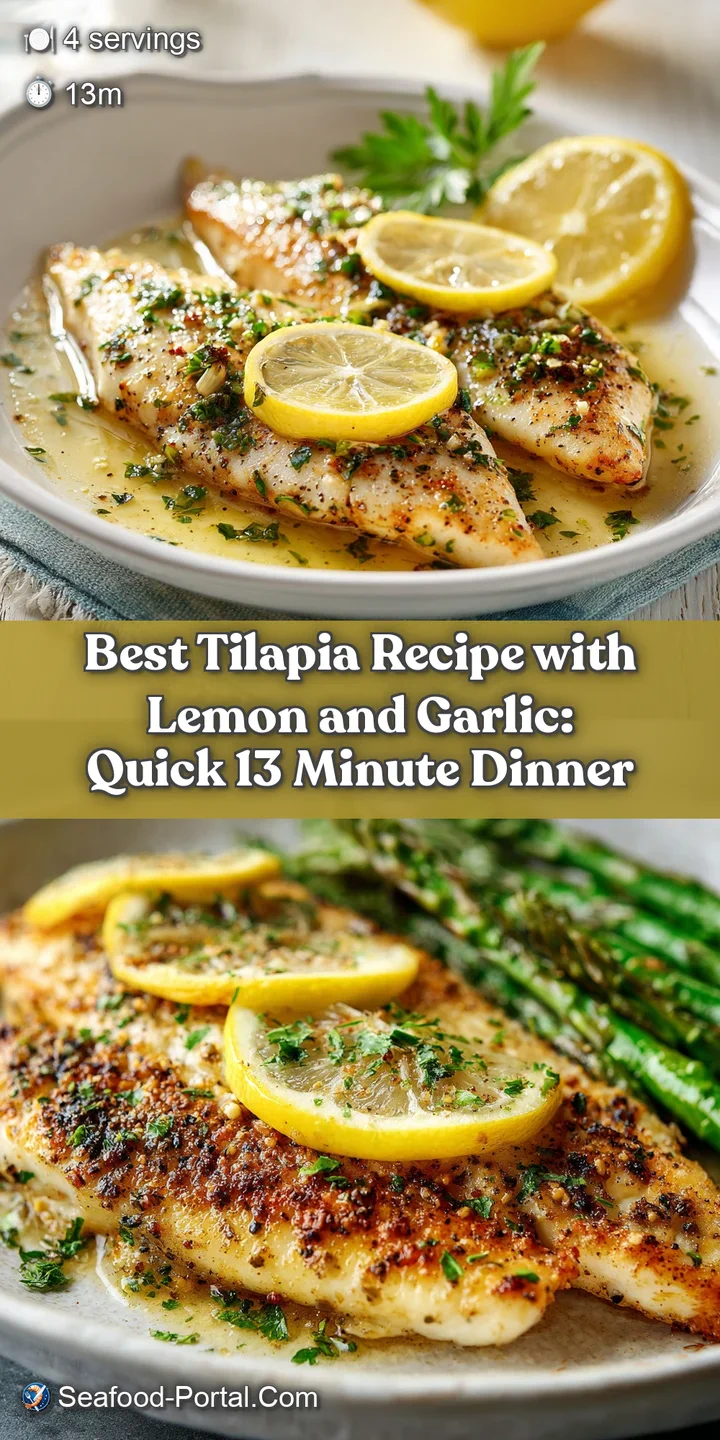
Best Tilapia Recipe with Lemon and Garlic
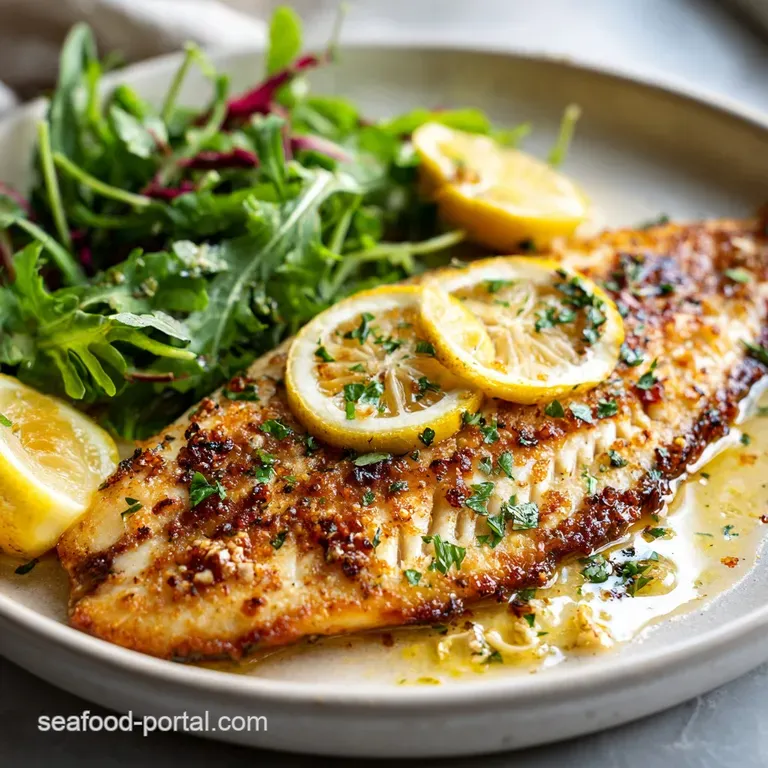
- Time: Active 5 minutes, Passive 8 minutes, Total 13 minutes
- Flavor/Texture Hook: Flaky, buttery, and zingy
- Perfect for: Busy weeknights or a healthy, impressive date night
- The Best Tilapia Recipe with Lemon and Garlic
- Why This Zesty Method Works
- Essential Specs for Success
- The Core Flavor Building Blocks
- Tools for the Perfect Sear
- Detailed Step by Step Instructions
- Solving Common Tilapia Problems
- Personalizing Your Citrus Fish
- Storage and Smart Reheating Tips
- Myths About Cooking Tilapia
- Serving and Pairing Your Meal
- Recipe FAQs
- 📝 Recipe Card
The Best Tilapia Recipe with Lemon and Garlic
There is a specific sound that defines a successful Tuesday night in my kitchen, and it is the aggressive, rhythmic sizzle of a cold fillet meeting a hot pan. For years, I treated tilapia like a chore, something I cooked just because it was lean and cheap, usually resulting in a bland, watery mess that lacked any soul.
I’d toss it in a baking dish, squeeze some lemon over it, and hope for the best, only to end up with fish that was more "steamed" than "seared."
Discover the best tilapia recipe with lemon and garlic, promising a simple and flavorful dish. It all changed when I stopped treating it like a "diet food" and started treating it like a steak. The moment I learned to pat the fish bone dry and mount the sauce with cold butter, everything shifted.
Suddenly, that boring white fish had a shatter crisp exterior and a sauce so rich you’d want to mop it up with a crusty piece of bread.
We aren't just cooking fish here, we're building layers of flavor. The garlic doesn't just sit there, it perfumes the fat. The lemon doesn't just add acid, its zest provides a floral note that cuts right through the butter.
If you've been burned by soggy fish before, trust me on this one, we are going to fix that forever.
Why This Zesty Method Works
- Surface Dehydration: Removing every drop of water from the fish surface prevents steaming and allows the Maillard reaction to create a golden, savory crust.
- Fat Emulsification: Adding cold, cubed butter at the very end creates a thick, velvety pan sauce rather than just a puddle of melted oil.
- Smoke Point Strategy: Using avocado oil allows for a over high heat sear without the acrid taste of burnt olive oil or smoking butter.
- Residual Heat Finishing: Tilapia is thin and delicate, so we finish it in the residual heat of the lemon juice to keep the protein from tightening into a rubbery texture.
If you’re craving something even faster with a creamy twist, check out this PanSeared Tilapia with recipe.
| Fillet Thickness | Internal Temp | Rest Time | Visual Cue |
|---|---|---|---|
| 1/2 inch | 145°F (63°C) | 2 minutes | Opaque and easily flakes |
| 3/4 inch | 145°F (63°C) | 3 minutes | Center is no longer translucent |
| 1 inch | 145°F (63°C) | 4 minutes | Firm to the light touch |
Essential Specs for Success
The beauty of this recipe lies in its speed, but that means you need to have your "mise en place" (everything in its place) ready before the fish hits the heat. Since we are working with 4 tilapia fillets (approx. 6oz each), you need a pan large enough to accommodate them without crowding.
If the fillets are touching, the temperature of the pan drops, and you lose that crispiness we're hunting for.
We are aiming for a total cook time of about 8 minutes. This isn't a "set it and forget it" situation. You’ll spend about 3 to 4 minutes on the first side to get that crust, and then the second side is a quick 2 to 3 minute finish while you build the sauce.
It’s fast, it’s frantic in the best way, and the aroma of the garlic hitting the butter will have everyone in the house wandering into the kitchen.
| Ingredient | Science Role | Pro Secret |
|---|---|---|
| Avocado Oil | over High heat vehicle | Doesn't break down at the high temps needed for a sear |
| Cold Butter | Emulsifier | Cold fat bonds with lemon juice to create a thick, glossy sauce |
| Lemon Juice | Protein denaturant | The acid brightens the heavy fats and tenderizes the fish flakes |
| Kosher Salt | Moisture drawer | Draws out surface proteins to help create a better crust |
The Core Flavor Building Blocks
- 4 Tilapia fillets (approx. 6oz each)
- 1 tsp Kosher salt
- 1/2 tsp Freshly cracked black pepper
- 2 tbsp Avocado oil Why this? It has a high smoke point which prevents the fish from tasting burnt.
- 3 cloves Garlic, finely minced
- 3 tbsp Unsalted butter, cold and cubed Why this? Cubing helps it melt evenly into the sauce for better emulsification.
- 2 tbsp Freshly squeezed lemon juice
- 1 tsp Lemon zest
- 1 tbsp Fresh Italian parsley, finely chopped
| Original Ingredient | Substitute | Why It Works |
|---|---|---|
| Tilapia Fillets | Cod or Swai | Similar mild flavor and flaky texture. Note: Cod is thicker and needs more time. |
| Avocado Oil | Grapeseed Oil | Both have high smoke points and neutral flavors. |
| Unsalted Butter | Ghee | Provides the richness without the milk solids that can burn easily. |
| Fresh Parsley | Fresh Chives | Adds a mild onion like brightness instead of earthy herb notes. |
Tools for the Perfect Sear
To get the best results, a heavy bottomed skillet is non negotiable. I prefer a large stainless steel pan or a well seasoned cast iron skillet (like a Lodge). Non stick pans are okay for beginners, but you’ll never get the same level of browning because they don't allow the fish to "grip" and sear as effectively.
You'll also need a thin, slotted fish spatula. Tilapia is notorious for falling apart when you try to flip it with a standard, thick silicone turner. A metal fish spatula can slide right under the crust without tearing the delicate flesh.
Finally, have a small whisk or a spoon ready for the pan sauce stage; you’ll need to move quickly once that butter hits the heat.
Detailed step-by-step Instructions
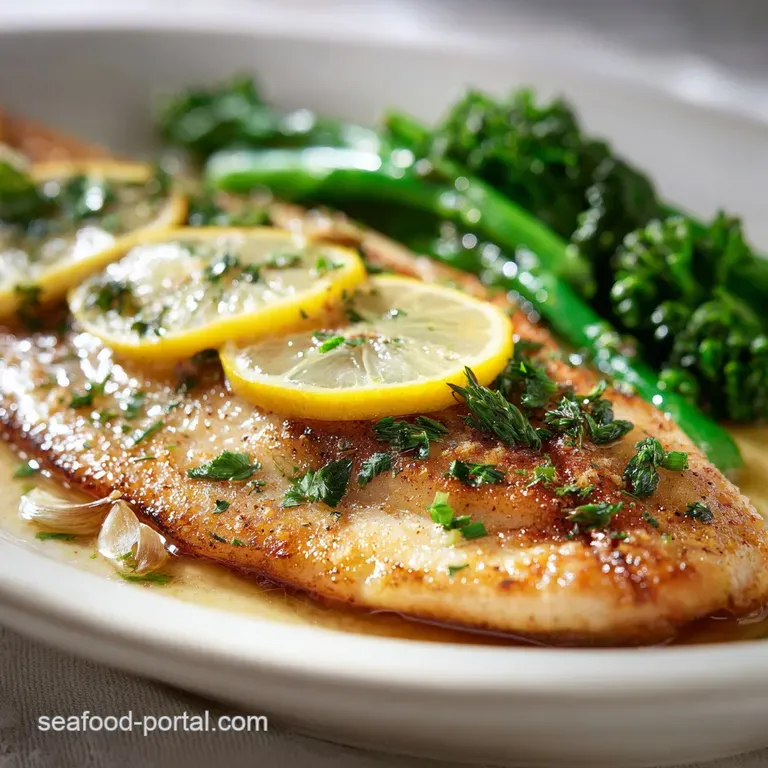
- Pat the 4 tilapia fillets completely dry on both sides with paper towels. Note: Surface moisture is the enemy of a good sear.
- Season both sides evenly with 1 tsp Kosher salt and 1/2 tsp freshly cracked black pepper.
- Heat 2 tbsp avocado oil in a large skillet over medium high heat until the oil is shimmering and just starting to wisps of smoke.
- Place the fillets in the pan, laying them away from you to avoid oil splatter.
- Sear for 3 to 4 minutes without moving them until the edges turn golden and the fish releases easily from the pan.
- Flip the fillets carefully using a fish spatula.
- Add 3 cloves minced garlic to the empty spaces in the pan and cook for 30 seconds until fragrant but not browned.
- Lower the heat to medium and add 3 tbsp cold cubed butter and 1 tsp lemon zest.
- Once the butter starts to melt, pour in 2 tbsp lemon juice and spoon the bubbling mixture over the fish for 2 minutes until the sauce looks glossy and the fish is opaque.
- Remove from heat immediately and garnish with 1 tbsp chopped Italian parsley before serving.
Chef's Note: If your garlic starts to turn brown too quickly, pull the pan off the burner for a few seconds. Burnt garlic turns bitter and will ruin the delicate lemon butter sauce.
Solving Common Tilapia Problems
Why Your Tilapia Is Sogginess
If your fish looks grey and wet instead of golden, the pan wasn't hot enough or the fish was still damp. Tilapia contains a lot of water. If you don't pat it dry, that water turns to steam the moment it hits the heat. This effectively "boils" the fish inside the pan.
Always wait for the oil to shimmer before adding the protein.
Why Your Fish Falls Apart
Tilapia has a very delicate flake structure. If you try to flip it too early, the proteins haven't fully set and bonded into a crust, so they’ll stick to the pan and tear. Use the "shake test": gently shake the pan. If the fish slides, it's ready to flip. If it stays stuck, give it another 30 seconds.
| Problem | Root Cause | Solution |
|---|---|---|
| Fish is rubbery | Overcooking | Pull the fish at 140°F; carryover heat will take it to 145°F. |
| Sauce is oily | Butter was too warm | Use butter straight from the fridge and whisk vigorously. |
| Garlic is bitter | High heat for too long | Add garlic only in the last minute of cooking. |
Common Mistakes Checklist
- ✓ Never crowd the pan; cook in two batches if your skillet is small.
- ✓ Use cold butter for the sauce to ensure a creamy, emulsified finish.
- ✓ Don't skip the lemon zest; it holds the essential oils that provide the citrus punch.
- ✓ Avoid using bottled lemon juice; the preservatives change the flavor profile of the sauce.
- ✓ Let the pan preheat for at least 3 minutes before adding the oil and fish.
Personalizing Your Citrus Fish
You can easily adapt this to whatever is in your fridge. If you want a Mediterranean twist, throw in a tablespoon of drained capers and some halved cherry tomatoes when you add the butter. The tomatoes will blister and release their juices, creating a more complex, chunky sauce that's fantastic over polenta.
For a different vibe, my family loves this How to Make recipe for a zesty oven version if you aren't in the mood to stand over the stove. If you want a bit of heat, a pinch of red pepper flakes added with the garlic creates a "fra diavolo" style lemon sauce that has a lovely back end kick.
| Method | Time | Texture | Best For |
|---|---|---|---|
| Stovetop | 8 mins | Crispy crust, silky sauce | Quality over quantity |
| Air Fryer | 10 mins | Very crunchy, less saucy | low-fat prep |
| Oven Baked | 12 mins | Tender, poached feel | Large groups/families |
Storage and Smart Reheating Tips
- Fridge: Store leftovers in an airtight container for up to 2 days. The fish will lose its crispiness, but the flavor remains solid.
- Freezer: I don't recommend freezing cooked tilapia. The texture becomes mushy and grainy upon thawing.
- Reheating: Avoid the microwave! It turns the fish into a rubber ball. Instead, reheat in a skillet over medium low heat with a splash of water or extra butter to keep it moist.
- Zero Waste: If you have a lone leftover fillet, flake it into a bowl with some mayo, lime, and cilantro for the best fish salad sandwich you've ever had. You can also use the leftover lemon rinds to clean your wooden cutting board just rub with salt and scrub!
Myths About Cooking Tilapia
Myth: Searing "seals in" the juices. Actually, searing is all about the Maillard reaction, a chemical reaction between amino acids and reducing sugars that gives browned food its distinctive flavor. It doesn't create a waterproof barrier.
Moisture loss happens regardless of the sear; the key to juiciness is simply not overcooking the fish.
Myth: Tilapia is a "dirty" fish. While there was some internet noise about this years ago, modern responsibly farmed tilapia is a sustainable, clean, and highly regulated protein source.
It’s one of the most eco friendly fish options because they are herbivorous and grow quickly without taxing wild fish populations.
Serving and Pairing Your Meal
This dish is a chameleon. For a light lunch, I love it served over a bed of arugula tossed in a simple vinaigrette. The heat from the fish slightly wilts the greens, and the lemon butter sauce acts as a warm dressing. For a heartier dinner, serve it alongside some garlic herb rice or roasted fingerling potatoes.
If you are looking for a pairing that feels like a full restaurant experience, try serving it with a crisp white wine like a Sauvignon Blanc or a Pinot Grigio. The acidity in the wine mirrors the lemon in the sauce, creating a perfectly balanced palate.
This is the kind of meal that makes you realize you don't need a massive grocery bill to eat like royalty. Just fresh fish, cold butter, and a very hot pan.
Recipe FAQs
What is the best cooking method for tilapia?
Pan-searing or high heat baking. Tilapia is thin and benefits from quick, high heat methods to achieve a crisp exterior before the delicate flesh overcooks.
Can you put lemon juice on tilapia before cooking?
No, add it near the end of cooking. Adding fresh lemon juice too early can toughen the delicate protein structure of the fish. Use the zest early, but the juice should be added in the final minute to mount the sauce.
What is the best seasoning for tilapia?
Salt, pepper, and garlic. A simple base of kosher salt and fresh cracked pepper lets the natural mild flavor shine, while minced fresh garlic bloomed in high heat oil provides the aromatic base.
What makes tilapia taste better?
Creating a hard surface sear and using cold butter to emulsify a rich sauce. The contrast between the savory crust and the bright, velvety sauce elevates the mild fish dramatically. If you master this searing technique, you’ll be set; see how the same principle of surface dehydration aids in achieving the perfect crust on our Pan-Seared Alaskan Cod recipe.
How do I prevent my tilapia from sticking to the pan?
Ensure the pan and oil are sufficiently hot before adding the fish. The fish must be completely dry and the oil shimmering; a proper sear means the proteins form a crust instantly, which then releases naturally from the metal.
Is it true I must avoid using butter when searing fish?
No, this is a common misconception when used alone. Butter burns too fast on its own, but using a high smoke point oil first, then adding cold butter off the heat with the lemon juice, creates a stable, flavorful emulsion rather than burning the milk solids.
How do I get a restaurant quality pan sauce with lemon and garlic?
Sauté the minced garlic briefly, then deglaze with lemon juice and whisk in cold, cubed butter off the heat. This technique of mounting the sauce with cold fat ensures a glossy, stable emulsion that coats the fish beautifully. If you enjoy building flavor layers, you might also enjoy the complex seasoning process in our Homemade Spicy Garlic Hummus recipe.
Lemon Garlic Tilapia Fillets
Ingredients:
Instructions:
Nutrition Facts:
| Calories | 304 kcal |
|---|---|
| Protein | 34.5 g |
| Fat | 18.4 g |
| Carbs | 1.2 g |
| Fiber | 0.1 g |
| Sugar | 0.2 g |
| Sodium | 665 mg |
