Creamy Sauce for Salmon: Lemon-Dill Velouté

- The Ultimate Creamy Sauce for Salmon: Velvet & Zest in 15 Minutes
- Mastering the Flavor Balance: Why This Sauce Excels
- Essential Components for the Zesty Dill Cream Sauce
- Step-by-Step Guide: Crafting the Perfect Cream Base
- Chef's Notes: Troubleshooting Your Cream Sauce
- Making Ahead and Storing the Lemon-Dill Cream Sauce
- Flawless Pairings: What to Serve Alongside Salmon and Sauce
- Recipe FAQs
- 📝 Recipe Card
The Ultimate Creamy Sauce for Salmon: Velvet & Zest in 15 Minutes
I swear, if you can master just one culinary secret, it should be this magnificent Creamy Sauce for Salmon . It’s velvety smooth, intensely flavorful, and smells so bright with fresh dill and lemon that your neighbors will start knocking on your door.
Seriously, the aroma alone makes this recipe a winner.
Listen, cooking salmon is easy, but making it taste like a five star meal every single time? That takes strategy. This rich, zesty sauce is that strategy, turning a simple pan-seared fillet into an elegant, show stopping dinner in less time than it takes to queue up a good podcast.
This isn’t a heavy, gloppy sauce; it’s light, vibrant, and cuts through the richness of the fish perfectly.
I used to just slap some Greek yogurt on my fish and call it a day (we all have our past mistakes, right?). But trust me, taking the extra 15 minutes to build this proper cream base using the magic of a roux and a wine reduction completely changes the game.
Let’s get you cooking the absolute best Creamy Sauce for Salmon you’ve ever tasted.
Mastering the Flavor Balance: Why This Sauce Excels
Why This Sauce Elevates Any Salmon Fillet
The secret lies in the contrast. Salmon is an oily, robust fish, and if you pair it with something equally heavy, the entire meal feels flat and overwhelming. Our aim is to deliver richness (that luxurious cream) followed immediately by a sharp, bright zing (thanks to lemon juice and zest).
This careful balance is what makes this specific Creamy Sauce for Salmon Fillet such a massive crowd pleaser, whether you’re serving it grilled, baked, or pan-seared.
Deconstructing the French Velouté Technique
We’re not just dumping cream into a pan here; we are building a velouté base. This fancy French term simply means we start with a blond roux (butter and flour cooked together) and thin it with a liquid, which, in our case, is flavorful fish stock.
It sounds complex, but it’s just a controlled way to guarantee a lump free, thick sauce that perfectly coats the back of a spoon.
Recipe Snapshot: Prep Time, Cook Time, and Yield
This is designed for speed. You can prep your ingredients while your salmon is resting before cooking, making this whole affair lightning fast.
| Stage | Time |
|---|---|
| Prep Time: | 10 minutes |
| Cook Time: | 15 minutes |
| Total Time: | 25 minutes |
This recipe yields approximately 1.5 cups of sauce, which is ideal for four generous servings.
The Role of Wine Reduction: Building a Deep Flavor Base
If you skip the wine reduction, your sauce will taste flat. Period. When you simmer the dry white wine down by half, you are concentrating all those wonderful, complex notes while evaporating the harsh, raw alcohol.
This creates an unparalleled depth of flavor that a simple stock can never achieve alone, and it is mandatory for any genuinely sophisticated Creamy Sauce for Salmon .
Cutting the Richness: Lemon and Dill Synergy
Dill and salmon are soulmates; it's just the law of the land. Fresh dill provides a wonderful, subtle anise aroma, while the lemon, used both in zest and juice form, adds essential acidity. Zest contains the pure oil of the lemon, giving you maximum fragrant punch without making the sauce overly sour.
This is how you ensure the final Creamy Dill Sauce For Fish tastes vibrant, not heavy.
Achieving Perfect Velvety Texture Without Flour Clumps
The key to preventing those gross, grainy lumps is all in the roux and stock temperature. You must cook the flour and butter mixture for a minute or two to kill the raw taste. Then, critically, add warmed stock very slowly while whisking like a maniac.
I learned this the hard way after serving many a lumpy sauce.
Essential Components for the Zesty Dill Cream Sauce
To make the best Dill Cream Sauce Salmon deserves, quality ingredients matter. We’re using shallots instead of onions because their flavor is much sweeter and less aggressive.
Detailed Ingredient List: Shallots, Wine, and Heavy Cream
You really want the freshest dill you can find here, trust me.
- For the Aromatic Base: 2 Tbsp Unsalted Butter (divided), 1 medium Shallot (minced), 1/2 cup Dry White Wine.
- For the Roux: 2 Tbsp Unsalted Butter, 2 Tbsp All-Purpose Flour.
- For the Base: 1 cup Warmed Fish or Chicken Stock (low sodium is best).
- For the Finish: 1/2 cup Heavy Cream (must be 35%+ fat), 2 Tbsp Fresh Dill (chopped), 1 tsp Lemon Zest, 1 Tbsp Fresh Lemon Juice.
- Seasoning: Kosher Salt and Freshly Ground Black Pepper.
Smart Substitutions for Dairy and Wine
If you’re out of wine or trying to watch your fat intake, don't worry. There are some excellent swaps for this Creamy Sauce for Salmon .
| Ingredient to Substitute | Recommended Swap | Notes |
|---|---|---|
| Heavy Cream | Crème Fraîche or Full Fat Greek Yogurt | Crème fraîche adds lovely tang; use yogurt off-heat to avoid curdling. |
| Dry White Wine | Extra Fish Stock + 1 tsp Cider Vinegar | This variation makes a gorgeous Creamy Sauce for Salmon Without Wine . |
| Stock | Water + Bouillon Cube | Make sure the cube dissolves fully and remember to adjust the salt accordingly. |
Fresh Herbs vs. Dried: Maximizing Flavor Impact
Do NOT use dried dill in this specific recipe. I forbid it. Dried herbs are fine for slow cooked stews, but the defining feature of this lemon dill sauce is its bright, fresh aroma. Dried dill simply won't give you that essential fragrant lift.
Preparing Your Kitchen Mise en Place
"Mise en place" is just a fancy way of saying "get your stuff ready." This sauce moves quickly, so mince your shallots, measure your wine and stock, and chop the dill before you even turn on the burner. You won’t have time to stop and chop once the whisking starts!
step-by-step Guide: Crafting the Perfect Cream Base
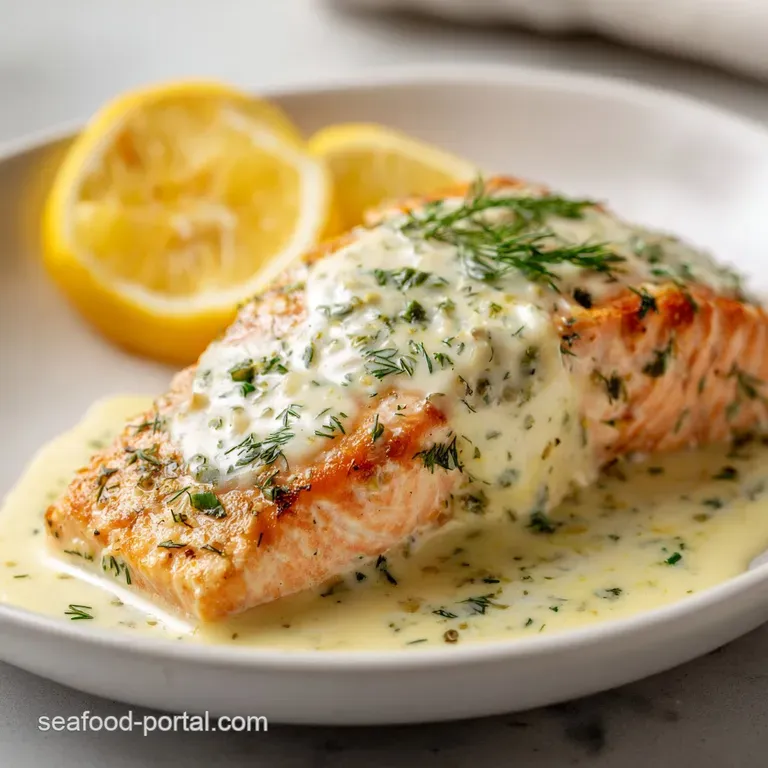
This whole process takes place in one saucepan. Easy cleanup is always a win in my book.
Stage 1: Sautéing the Aromatics (The crucial first step)
- Sweat the Shallots: Melt 2 Tbsp of butter in a medium saucepan over medium heat. Add your minced shallots. Cook them gently for about 3– 4 minutes until they become translucent and your kitchen starts smelling sweet and nutty. Do not let them brown, or the sauce will taste bitter.
Stage 2: Deglazing and Reducing the Wine
Deglaze: Pour in the 1/2 cup of dry white wine. Bring the liquid to a strong, rolling simmer. Cook vigorously until the wine has reduced by roughly half.
You should see little trails of syrupy liquid on the bottom of the pan that means the intense flavor is concentrated, which is perfect.
Create the Roux: Add the remaining 2 Tbsp of butter. Once melted and bubbling, sprinkle in the 2 Tbsp of flour. Whisk continuously and rapidly for 90 seconds. It should look like a pale, smooth paste and smell slightly like popcorn or biscuits. This step cooks out the raw flour flavor.
Stage 3: Achieving the Final Creamy Consistency
Incorporate the Stock: Remove the pan from the heat briefly. This is the lumpy sauce prevention move! Slowly, in 1/4 cup increments, pour the warm stock into the roux while whisking violently. Once the mixture is totally smooth and thick, pour in the rest of the stock, still whisking.
Simmer and Thicken: Return the pan to medium heat. Bring the sauce to a gentle simmer. Reduce the heat to low and cook for 5 minutes, stirring often, until the sauce coats the back of a spoon without running off instantly.
This is the glorious base for your Salmon With Creamy Dill Sauce .
Final Adjustments and Incorporation of Fresh Herbs
Add Cream and Warm: Stir in the heavy cream. Continue to warm the sauce gently for 1– 2 minutes, but absolutely do not let it boil after the cream is added, or it could split.
Finish: Turn off the heat. Stir in the fresh lemon zest, lemon juice, salt, pepper, and the chopped fresh dill. Taste it and adjust the seasoning. Need more zip? Add a tiny splash more lemon juice.
Chef’s Note: For the silkiest, most restaurant worthy finish, pass the sauce through a fine mesh sieve at this stage to remove the cooked shallots. It makes a huge difference in texture!
Chef's Notes: Troubleshooting Your Cream Sauce
We’ve all been there. You’re minutes from serving and your beautiful Creamy Sauce for Salmon starts looking… sad. Here’s how to fix it fast.
Preventing Split or Curdled Sauce
Curdling happens when fat separates from the liquid, usually due to high heat or adding cold acidic ingredients to hot cream. Rule 1: Never boil the sauce once the cream is added.
Rule 2: Add the lemon juice and zest only after you’ve taken the pan off the heat entirely. If it does split, try whisking in a tablespoon of cold water or a tiny ice cube sometimes that rapid temperature change can shock it back together.
Adjusting Thickness and Consistency Mid-Cook
If the sauce is too thin after simmering, mix 1 teaspoon of cornstarch with 1 teaspoon of cold water (this is called a slurry). Whisk this slurry into the simmering sauce and cook for one minute; it will thicken instantly.
If the sauce is too thick, simply whisk in an extra tablespoon of warm stock or water until it hits that perfect, luscious consistency.
How to Intensify the Lemon Zest Factor
If you taste it and it needs more brightness but you don’t want to risk adding more liquid, try grating just a tiny pinch more lemon zest directly over the top of the sauce as you serve it. The oils in the zest are volatile, giving an immediate burst of fresh citrus aroma right where you need it.
Making Ahead and Storing the Lemon Dill Cream Sauce
This Sauce for Salmon is definitely best served fresh, but life happens. You can absolutely prep this ahead of time.
Refrigeration Guidelines for Optimal Freshness
You can make the sauce up to Step 6 (before adding the cream and fresh herbs) and store that base in the fridge for up to 3 days. When you’re ready to serve, reheat the base gently, stir in the cream, and finish with the lemon and dill. If you refrigerate the completed sauce, it will keep well for 2 days.
The Freezer Dilemma: Can You Freeze Dairy Sauces?
Cream based sauces containing a roux generally don't freeze well. When thawed, the fat separates, and the sauce gets a grainy, split texture. My advice? Stick to refrigerating the base only. If you need a great freezer friendly fish sauce, maybe check out my recipe for Creamy Lobster Sauce: Decadent Bisque Finish at Home , which holds up better due to the blending process.
Best Method for Reheating Cream Based Sauces
Always reheat this sauce in a saucepan over very low heat. Add 1 2 tablespoons of water or stock to loosen it up as it warms. Whisk continuously until it’s smooth and steaming, but again, resist the urge to boil!
Flawless Pairings: What to Serve Alongside Salmon and Sauce
Once you have that perfect Creamy Sauce for Grilled Salmon or baked salmon, you need the supporting cast.
The simplest pairing is mashed potatoes and blanched green beans. The potatoes absorb the sauce beautifully (and if you like that pairing, you should absolutely try my recipe for Crab Chowder Recipe: Luxurious Creamy Comforting ).
If you’re looking for a slightly heartier meal, serving this Creamy Sauce for Salmon and Rice is excellent the rice provides a beautiful canvas. For a low-carb alternative, serve it over zucchini noodles or roasted asparagus.
Whatever you choose, make sure it’s something simple that lets the sauce and the fish be the true stars of the show.
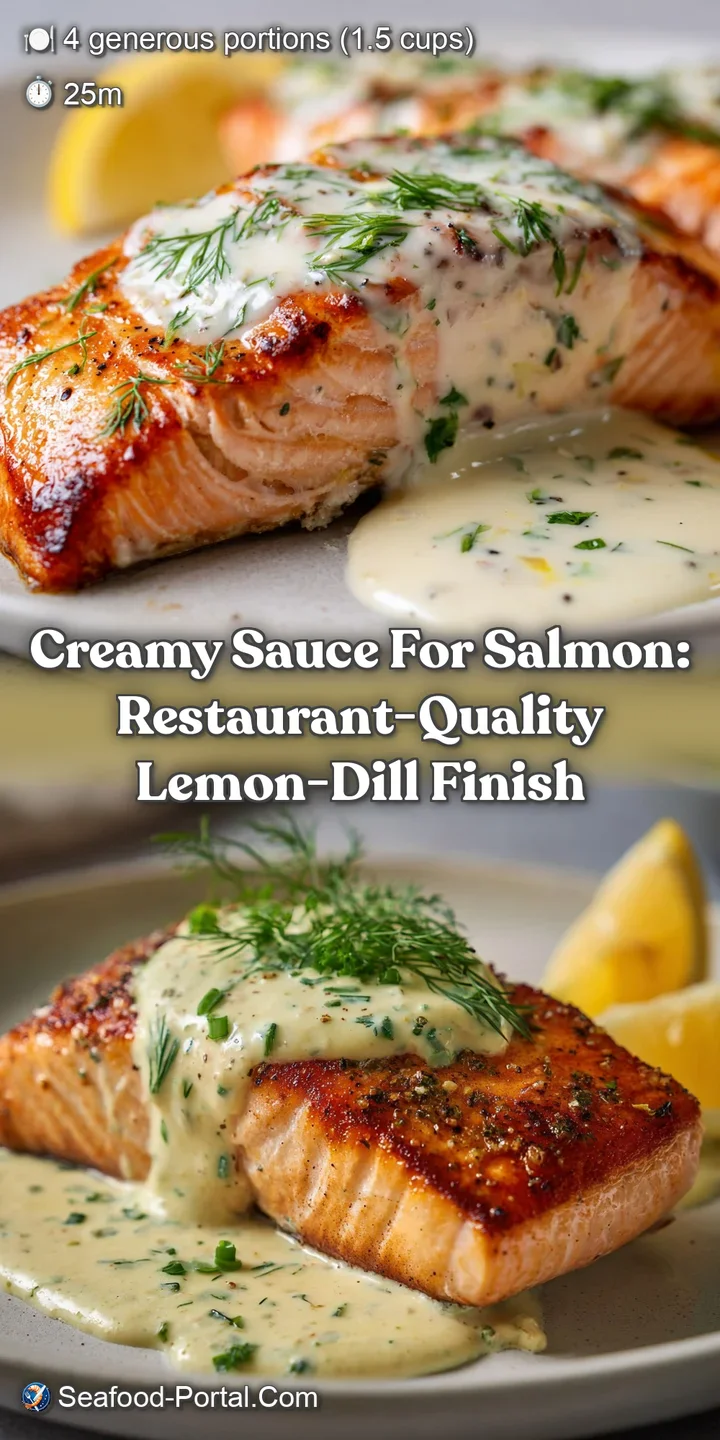
This really is the ultimate Creamy Sauce for Salmon ; it's sophisticated, bright, and unbelievably easy. Enjoy!
Recipe FAQs
Why is my cream sauce too thin or watery?
This issue often stems from insufficient reduction of the initial liquids, specifically the wine and shallot mixture. Ensure that the white wine is fully reduced by at least half before adding the cream, as this concentrates the flavor and reduces excess moisture.
If the sauce is still too thin after simmering gently for five minutes, whisk in a slurry made from one teaspoon of cornstarch mixed with one teaspoon of cold water.
What is the best non-alcoholic substitute for the dry white wine?
The wine provides crucial acidity that helps balance the richness of the cream and the salmon. A superb non-alcoholic replacement is high-quality chicken or vegetable broth mixed with 1 teaspoon of white wine vinegar or a squeeze of fresh lemon juice.
Remember to still reduce this mixture significantly to concentrate the flavor before proceeding with the recipe.
Can I make this Lemon Dill Cream Sauce ahead of time?
Yes, this sauce can be prepared 1 to 2 days in advance and stored in an airtight container in the refrigerator. To reheat, warm it very slowly over low heat, adding a splash of milk or additional broth if it has thickened too much in the cold. Avoid boiling the sauce rapidly as this can cause the emulsion to break.
I don't have fresh dill. What other herbs pair well with creamy salmon sauces?
While dill is the classic pairing, fresh tarragon is an excellent and more sophisticated substitute, offering a subtle anise note that complements the richness of the fish beautifully.
Alternatively, chives provide a mild oniony counterpoint and fresh parsley will add a clean, grassy freshness without overpowering the lemon.
How do I make the sauce lighter or ensure it cuts through the richness of the salmon?
The secret to balancing richness is maximizing acidity and salt. Always adjust the lemon juice and salt right at the end of the cooking process to ensure they are vibrant; many cooks under acidify creamy sauces. If you want to use less dairy fat, substitute half the heavy cream with full fat milk or half and-half.
Can I make a dairy-free or vegan version of this cream sauce?
Absolutely; the heavy cream can be effectively replaced with full fat, unsweetened coconut milk or a commercial cashew cream base. Be aware that coconut milk sometimes impacts seasoning differently, so taste carefully and adjust the salt and lemon juice incrementally until balanced.
Why did my sauce separate or "break" when I reheated it?
Creamy sauces separate when they are heated too quickly or allowed to boil vigorously, causing the fat particles to split from the liquid. Always reheat the sauce very slowly over the lowest possible heat setting while stirring consistently.
If separation occurs, try removing the sauce from the heat and vigorously whisking in a teaspoon of cold butter to re-emulsify it.
Lemon Dill Cream Sauce For Salmon

Ingredients:
Instructions:
Nutrition Facts:
| Calories | 254 kcal |
|---|---|
| Protein | 2.7 g |
| Fat | 21.8 g |
| Carbs | 3.0 g |
