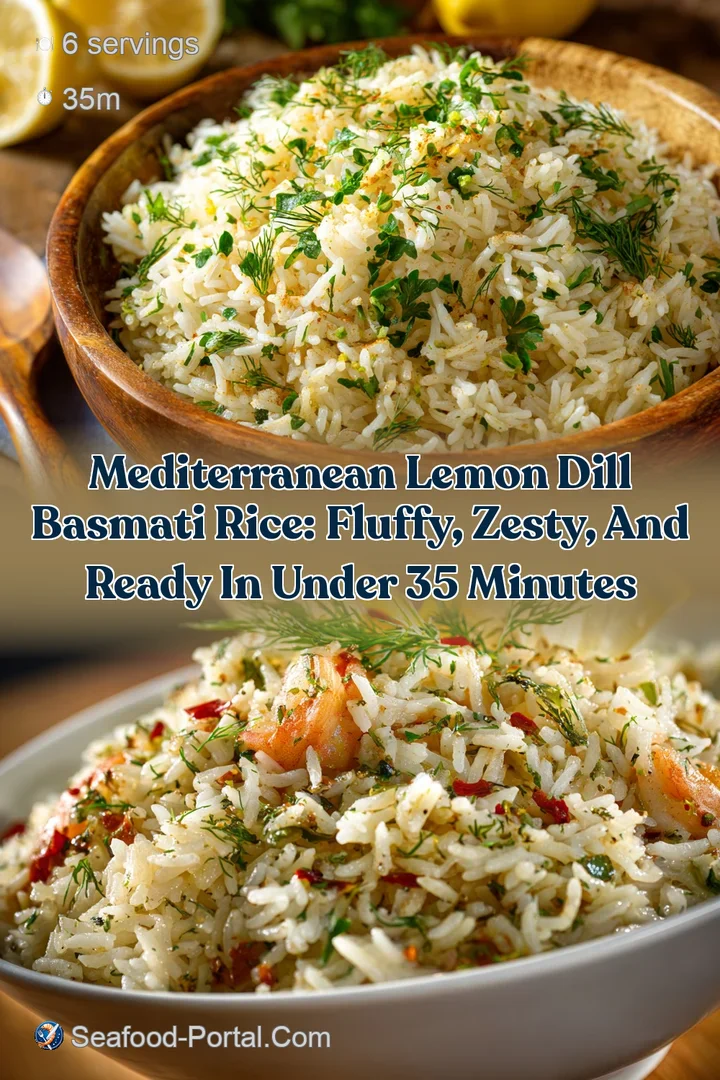
Mediterranean Lemon Dill Basmati Rice: the Bright Side Pilaf Recipe
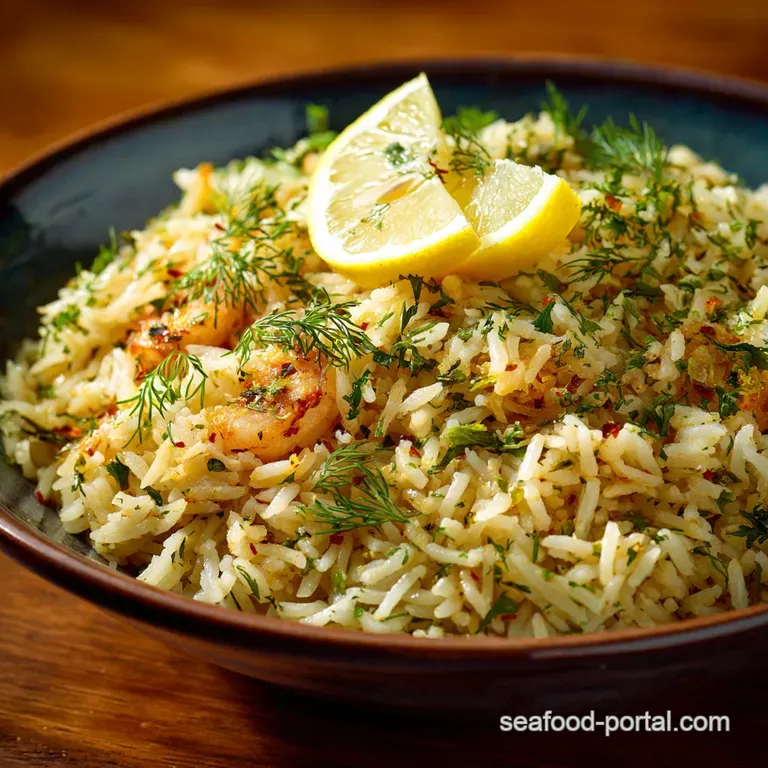
- Introducing The Bright Side: Your New Favorite Mediterranean Side Pilaf
- Flavor Chemistry Breakdown: Why This Mediterranean Lemon Dill Basmati Rice Works
- Essential Components for Mediterranean Lemon Dill Basmati Rice
- Substitutions and Ingredient Deep Dive
- Preparing the Perfect Pilaf: Step-by-Step Method
- Troubleshooting Your Lemon Dill Basmati Rice: Expert Tips and Fixes
- The Best Pairings for Mediterranean Lemon Dill Basmati Rice
- Making Ahead: Storage and Reheating Guidelines
- Recipe FAQs
- 📝 Recipe Card
Introducing The Bright Side: Your New Favorite Mediterranean Side Pilaf
Seriously, stop what you are doing right now and smell this rice. This Mediterranean Lemon Dill Basmati Rice is pure sunshine on a plate, smelling ridiculously fresh the moment you fluff it up. The texture is absolutely key; every Basmati grain stands proudly alone, coated in zesty lemon oil and bright, clean dill.
It just hits differently than heavy, buttery rice sides, trust me.
When the weeknight chaos hits, I need a side dish that takes zero brainpower but tastes completely gourmet. This Lemon Dill Rice Recipe is my secret weapon; it uses ingredients you likely already have and comes together faster than ordering takeout.
It's cheap, incredibly versatile, and transforms even the most basic piece of grilled fish into something special. This side dish is truly a lifesaver.
Forget everything you thought you knew about bland, sticky rice that clumps together. We are making the fluffiest, most vibrant Basmati Rice With Lemon And Dill possible, and I’m going to share all the tiny, crucial tricks that make it utterly foolproof.
Let’s dive into the details and get this vibrant Mediterranean side dish cooking.
Flavor Chemistry Breakdown: Why This Mediterranean Lemon Dill Basmati Rice Works
Capturing the Sun-Drenched Flavors of the Aegean
The magic here is simple chemistry: we use the oil and zest to carry the intense lemon flavor, saving the actual juice until the very end. The lemon peel's natural oils are water soluble, meaning they infuse into the fat during the initial sauté, laying a foundational brightness.
If you add all the juice early, the acidity dulls when cooked and you lose that fresh zing .
Basmati vs. Traditional Pilaf: A Texture Comparison
Basmati is inherently better for this dish because of its long, slender grain structure, which contains less starch than, say, Arborio or even Jasmine. When cooked properly using the pilaf method (toasting the grains first), the rice expands in length, resulting in a significantly lighter and fluffier finished product.
It gives that lovely, separate grain texture we are looking for.
The Unexpected Versatility of Zesty Lemon Dill
Dill and lemon are culinary soulmates, a pairing used across the entire Eastern Mediterranean. Dill offers a grassy, slightly anis like note that cuts through richness beautifully, while the lemon zest provides instant high notes of acidity and aroma.
This contrast makes the rice exceptionally versatile for pairing with savory proteins or simple roasted vegetables.
Achieving the Fluffiest Texture: The Secret to Separate Grains
The absolute key to fluffy rice is controlling the starch and the steam. We control the starch by rinsing the rice rigorously before cooking. We control the steam by using a tight fitting lid and resisting the temptation to peek, creating an evenly pressurized, perfectly moist environment inside the pot.
Balancing Acidity and Herbaceous Notes
The fresh herbs dill and parsley must be stirred in after the cooking and resting process is complete. Heating delicate herbs for 15 minutes turns them brown and tastes muddy.
Adding them raw at the end ensures their flavor remains bright, verdant, and wonderfully fragrant.
Rinsing Basmati: The Science Behind Removing Excess Starch
When you look at Basmati in the bag, the grains are covered in loose, pulverized starch. If you skip rinsing, this excess starch dissolves in the cooking liquid and acts like glue, resulting in sticky, gummy rice. A good 60 second rinse under cold water until the flow is clear guarantees that beautiful, fluffy outcome.
Essential Components for Mediterranean Lemon Dill Basmati Rice
We aren't messing around with fancy gadgets here; we need core ingredients that deliver maximum punch. Using high-quality ingredients means you don't have to add too much fuss. Focus on fresh herbs and good olive oil for the best results in this Mediterranean Lemon Dill Basmati Rice.
| Ingredient | Role in the Dish |
|---|---|
| Basmati Rice | Fluffiness and nutty aroma base. |
| Fresh Dill | The defining, grassy, bright flavor. |
| Lemon Zest | Pungent, concentrated citrus oil for aroma. |
| Shallot & Garlic | Aromatic foundation, sautéed for sweetness. |
| Good Olive Oil | Fat that carries the flavor and prevents sticking. |
| Stock (Warm) | Cooking liquid that adds savory depth. |
Substitutions and Ingredient Deep Dive
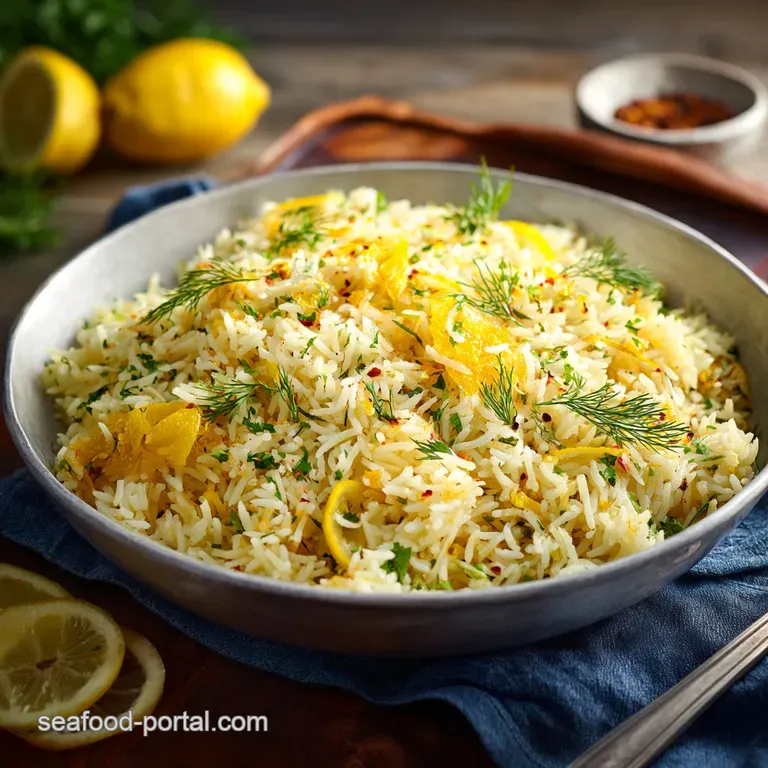
I get it, sometimes you’re out of one thing or maybe you just hate dill (gasp!). Here are my approved swaps for this Easy Lemon Dill Rice Side Dish.
Choosing the Right Olive Oil for Maximum Aroma
You need Extra Virgin Olive Oil here not the light stuff meant only for over high heat searing. We are using the olive oil for flavor and for the sauté, and a good EVOO lends a beautiful, fruity depth that complements the dill.
Substitution: If you don't have EVOO, use 2 tablespoons of avocado oil and 1 tablespoon of unsalted butter for flavor.
Fresh Dill vs. Dried: Why One Is Non-Negotiable
Do not use dried dill in this recipe. Seriously, it tastes like dusty hay. Fresh dill is the absolute heart of this Mediterranean rice pilaf recipe, providing that sharp, grassy punch.
Substitution: If you absolutely cannot find dill, use fresh tarragon for a mild, subtle licorice note, or use twice the amount of fresh parsley and add a tiny pinch of dried oregano.
The Role of Zest vs. Juice in Flavor Layering
Remember the chemistry lesson? We use the zest during the finishing process for those sharp, high notes of flavor. The juice is added after cooking to adjust the final sourness and moisture level.
Substitution: If you don't have fresh lemons, use bottled lemon juice (2 Tbsp), but you must also add 1/4 teaspoon of lemon extract or a dash of finely minced lemon thyme for the aromatic oils that zest provides.
Rice Varieties: Why Basmati Is Preferred Over Jasmine or Arborio
Basmati is preferred for its low starch and wonderful aroma when toasted. Jasmine works in a pinch, but it can be a bit stickier. Substitution: If using long grain white rice instead of Basmati, rinse thoroughly and reduce the liquid slightly (use 2 cups instead of 2 1/4 cups of stock).
Arborio is a hard pass; save that for risotto.
Salt Selection: Enhancing the Brightness of Dill and Lemon
I prefer Kosher salt because it dissolves easily and seasons evenly. The salt is crucial, as it makes the lemon and dill flavors pop. Substitution: If using table salt, cut the amount by half (since it’s denser) and adjust to taste at the end.
Stock vs. Water: Adjusting for Depth of Flavor
Using low-sodium vegetable stock provides savory depth and flavor layering that water simply cannot match. It’s worth the small extra cost. Substitution: If using water, make sure you add a pinch of bouillon powder or a half teaspoon more salt to compensate for the lost flavor base.
Preparing the Perfect Pilaf: step-by-step Method
The Sauté and Bloom Stage (Toasting the Rice)
After rinsing and draining your rice, heat the olive oil and sauté your finely diced shallots and minced garlic until translucent about 4 minutes. Then, add the rice and stir continuously for 2 full minutes.
This toasting step is called toadage in the pilaf world, and it seals the grain, preventing it from bursting and becoming mushy during cooking.
The Simmering Sweet Spot: Water Ratio Mastery
Once you've added the warm stock, salt, and pepper, bring it to a roaring boil. This is the moment to verify your liquid level. As soon as it hits that rolling boil, reduce the heat to the absolute lowest setting possible.
The liquid-to-rice ratio (1.5 cups rice to 2.25 cups liquid) is perfect for Basmati, assuming a tight lid seal.
The Critical Ten-Minute Rest (Never Lift the Lid!)
You have to be militant about this rule. Once that lid goes on, do not touch it for the 15 minute simmer time, and then do not lift it for the crucial 10 minute resting period afterward. That steam retention finishes the cooking and prevents a soggy bottom and dry top layer.
I once lifted the lid at 5 minutes to "check," and the rice was totally unevenly cooked. Don't be me!
Maximizing the Zest and Juice Flavor at the Finish
After the full 10 minute rest, lift the lid (finally!). Immediately sprinkle the fresh dill, parsley, and lemon zest over the rice. Add the lemon juice last. Use a fork not a spoon to gently fluff and fold the ingredients together from the bottom.
This preserves the delicate grains and distributes the fresh, vibrant flavor evenly.
Troubleshooting Your Lemon Dill Basmati Rice: Expert Tips and Fixes
Preventing Mushy Rice: When to Check Doneness
Mushy rice is usually caused by two things: not rinsing, or too much liquid added after the initial boil. If your rice is mushy, next time reduce the liquid by 1/4 cup and make sure your pot lid is truly tight.
If it's done cooking but still seems too wet, simply leave the lid off for 5 minutes after resting; the residual heat will evaporate the excess moisture.
Fixing Over Salted or Under Seasoned Rice
If you over salted it, don't panic. Gently stir in a tablespoon of plain Greek yogurt or sour cream (if you don't mind the dairy) or add another tablespoon of fresh, unsalted olive oil and fluff again.
If it is under seasoned, add salt and a touch more lemon juice, then let it rest for another 3 minutes with the lid on to allow the new seasonings to permeate.
The Best Pairings for Mediterranean Lemon Dill Basmati Rice
This vibrant Mediterranean Lemon Dill Basmati Rice is designed to be a flexible canvas that brightens any meal. It’s excellent served warm or at room temperature, which is a massive bonus for picnics or buffets.
Serving Suggestions: Elevated Side Salad Alternatives
I often swap out a boring green salad for a generous scoop of this rice. For a truly Mediterranean vibe, mix in toasted pine nuts and a handful of chopped Kalamata olives just before serving. It’s fantastic alongside simple roasted vegetables like cherry tomatoes and asparagus.
Complementary Protein and Vegetable Pairings
Because of the zesty, bright flavor profile, this rice is truly stellar with seafood. It's the perfect accompaniment to my famous Fathers Day Seafood Recipes: Big Daddy Prawns with Lemon Garlic Butter or a beautiful fillet of Lemon Garlic Butter Tilapia: Quick 20 Minute Weeknight Dinner . If you prefer something heartier, serve it next to grilled lamb kebabs or roasted chickpeas.
Suggested Wine and Beverage Matches
You need a crisp white wine that matches the acidity of the lemon. Think un-oaked options like a dry Greek Assyrtiko, a classic Sauvignon Blanc, or an Italian Pinot Grigio. For non-alcoholic options, a sparkling water with cucumber and mint is refreshing.
Making Ahead: Storage and Reheating Guidelines
Safe Refrigeration and Shelf Life Guidelines
This rice holds up beautifully in the fridge for up to 4 days when stored in an airtight container. Make sure you cool it quickly and completely before sealing it up, never leaving it out at room temperature for more than 2 hours to avoid bacterial growth.
Freezing Cooked Basmati: Is It Recommended?
But does it freeze well? You bet! While freshly cooked rice is always best, this pilaf freezes perfectly for up to 3 months . Portion it into zip-top bags, squeezing out all the air, and lay them flat in the freezer.
Reheating Without Drying Out the Grains
Reheating can be tricky because rice tends to dry out. For best results, place the desired portion in a microwave safe bowl with a teaspoon of water or stock sprinkled over the top. Cover the bowl loosely with plastic wrap and microwave on medium heat for 60 90 seconds.
The trapped steam will hydrate the grains beautifully. You can also reheat gently in a covered saucepan over very low heat, adding a splash of olive oil to loosen the grains.
Recipe FAQs
Why is my Mediterranean Basmati rice mushy or sticky?
Mushiness is typically caused by excess starch or moisture. Ensure you rinse the Basmati rice thoroughly before use until the water runs completely clear, as this removes surface starches that cause stickiness.
Also, always strictly adhere to the liquid-to-rice ratio specified, and make sure your pot lid is sealed tightly during the simmering phase to maintain the correct internal moisture balance.
Can I use a different type of rice, like long grain or brown rice?
While you can substitute, Basmati is highly recommended for its light, fluffy texture. If using regular long grain white rice, the cooking time will be similar, but for brown rice, you must adjust the technique.
Brown rice will require increasing the liquid by about 25% and extending the cooking time by at least 15 to 20 minutes to cook fully.
My finished pilaf isn't tasting very lemony. How can I boost the flavor?
For maximum brightness, ensure you add the fresh lemon juice only after the rice has finished cooking and rested, as heat dulls the sharp acidity. Make sure you are also using the zest, as it holds the majority of the lemon’s aromatic oils.
If the flavor still feels muted, stir in another teaspoon of fresh juice or a tiny pinch of salt just before serving.
Do I really need to sauté the rice (the pilaf method) before adding the liquid?
Yes, the quick sauté is a crucial step in the pilaf method. This lightly toasts the rice grains in olive oil, enhancing their nutty flavor and helping them hold their structure.
The toasting step seals the exterior of the grain, preventing the starch from leaching out during simmering, which is the key to achieving that desirable fluffy, non-sticky texture.
Can I make this Mediterranean rice vegan or dairy-free?
This recipe is naturally dairy-free due to the use of olive oil, and it is easily made 100% vegan. Simply ensure you use high-quality vegetable broth or even just water instead of chicken broth for the cooking liquid. The bright flavors from the lemon and dill are strong enough that you won't miss the animal stock.
How should I store leftovers, and is freezing an option?
Leftovers should be cooled quickly and stored in an airtight container in the refrigerator for up to 3 to 4 days. While you can technically freeze cooked rice, this pilaf, particularly because of the fresh herbs and zesty additions, tends to lose its fluffy texture and vibrant flavor upon thawing and reheating.
It is best consumed fresh.
I don't have fresh dill. What is the best substitution?
Fresh dill provides a unique, anise like flavor that is central to this dish, but fresh parsley or chives offer a decent substitute if needed. If you must use dried dill, use only one-third of the amount called for fresh, as dried herbs are significantly more potent.
Add the dried herb with the cooking liquid rather than stirring it in at the end.
Lemon Dill Basmati Rice Pilaf Side Dish
Ingredients:
Instructions:
Nutrition Facts:
| Calories | 273 kcal |
|---|---|
| Protein | 5.4 g |
| Fat | 11.7 g |
| Carbs | 32.9 g |
