How to Cook King Crab Legs: Garlic Butter Steamed

- Time: Active 5 minutes, Passive 10 minutes, Total 15 minutes
- Flavor/Texture Hook: Silky, buttery meat with a satisfying shell shatter
- Perfect for: Luxury date nights or an impressive holiday feast
- Mastering the Best Way How to Cook King Crab Legs
- The Scientific Secret to Tender and Sweet Crab Meat
- Precision Timing and Ratios for Flawless Results
- Sourcing the Elements for Your Seafood Feast
- Essential Tools for Success and Stress Free Cracking
- Steaming and Saucing with Complete Confidence
- Fixing Common Preparation and Texture Obstacles
- Creative Flavor Twists and Regional Variations
- Scaling the Recipe for Any Crowd
- Guidelines for Optimal Storage and Quality Reheating
- Perfect Sides to Accompany Your Coastal Dinner
- Recipe FAQs
- 📝 Recipe Card
Mastering the Best Way How to Cook King Crab Legs
I remember the first time I splurged on Alaskan King Crab. I was so nervous about ruining such an expensive ingredient that I almost over researched it into oblivion. The truth is, most King Crab you buy is already cooked on the boat and flash frozen to preserve that "fresh off the dock" sweetness.
You aren't really "cooking" it from scratch; you're gently reheating it to preserve that delicate, flaky texture. If you've ever had crab that was tough or impossible to peel, it was likely boiled to death.
We're going to skip the big pot of boiling water today because it washes away the flavor. Instead, we are using steam to lock in the moisture and a garlic butter sauce that will make your kitchen smell like a high end coastal bistro.
Trust me, once you hear that first "crack" of a perfectly steamed leg, you'll never go back to the old way.
The goal here is a contrast of temperatures and textures: the hot, tender meat dipped into a velvety, garlic heavy butter with a bright hit of lemon. It's decadent but surprisingly simple to pull off. Let's get into the specifics so you can stop worrying and start cracking.
The Scientific Secret to Tender and Sweet Crab Meat
Most people think of heat as a way to "cook," but with King Crab, heat is a vehicle for hydration. Since the meat is already cooked, we are dealing with protein structures that are already set.
If we apply aggressive, direct heat (like hard boiling), those proteins contract and squeeze out all their moisture, leaving you with something that feels like a rubber band.
The Science of Why it WorksProtein Denaturation: Gentle steam provides enough energy to loosen the chilled proteins without causing them to tighten further and expel water.
The humid environment prevents the meat from drying out through evaporation, maintaining the "succulent" mouthfeel we crave.
| Thickness | Internal Temp | Rest Time | Visual Cue |
|---|---|---|---|
| Small/Medium | 145°F | 2 mins | Opaque and steaming |
| Jumbo/Colossal | 145°F | 3 mins | Shell is hot to the touch |
| Extra Large | 145°F | 3 mins | Meat pulls away from shell |
The thickness of your crab legs will dictate how long they need to sit in that steam bath. If you are using our How to cook recipe for frozen legs, keep in mind that the ice crystals need a moment to melt before the meat can actually begin to warm through. Giving the crab a few minutes to rest after steaming allows the remaining heat to move toward the center of the thicker joints without overcooking the thinner tips.
Precision Timing and Ratios for Flawless Results
Getting the timing right is the difference between a meal people talk about for years and a pricey mistake. Because we are working with 2 lbs King Crab Legs (Wild caught Alaskan preferred), we need to ensure the steam reaches the center of those thick clusters.
If you crowd the pot too much, the steam can't circulate, leading to cold spots in your dinner.
Sourcing the Elements for Your Seafood Feast
Selecting your ingredients is half the battle. When you're standing at the seafood counter, look for legs that don't have excessive ice crystals or "freezer burn" on the exposed meat at the joints.
You want those 2 lbs King Crab Legs to look bright and feel heavy for their size, which indicates they are full of meat rather than hollow.
Component Analysis
| Ingredient | Science Role | Pro Secret |
|---|---|---|
| European Butter | Fat Emulsion | Use butter with higher fat content for a silkier, thicker dip that clings to the meat. |
| Sea Salt | Flavor Catalyst | Salt in the steaming water seasons the meat from the inside out as the steam penetrates the shell. |
| Garlic Paste | Aromatic Base | Mincing garlic into a paste ensures it melts into the butter rather than leaving crunchy, raw bits. |
The butter choice is actually more important than people realize. Standard grocery store butter has a higher water content, which can cause your sauce to "break" or separate. By choosing a high-quality European style butter, you get a much richer flavor profile that balances the natural saltiness of the Alaskan waters.
Essential Tools for Success and Stress Free Cracking
You don't need a professional kitchen, but a few specific tools will make this experience much more enjoyable. A large stockpot with a steamer basket is your best friend here. If you don't have a steamer basket, you can scrunch up some aluminum foil into balls and place them at the bottom of the pot to keep the crab legs elevated above the water.
- Kitchen Shears: Forget the wooden mallets; they just make a mess. Use heavy duty shears to snip down the side of the shell.
- Large Stockpot: You need enough room for the steam to move freely around the 2 lbs of legs.
- Small Saucepan: For the garlic butter heavy bottomed pans are best to prevent the garlic from scorching.
- Lemon Squeezer: To get every drop of that 1 tsp Fresh Lemon Juice without the seeds.
Steaming and Saucing with Complete Confidence
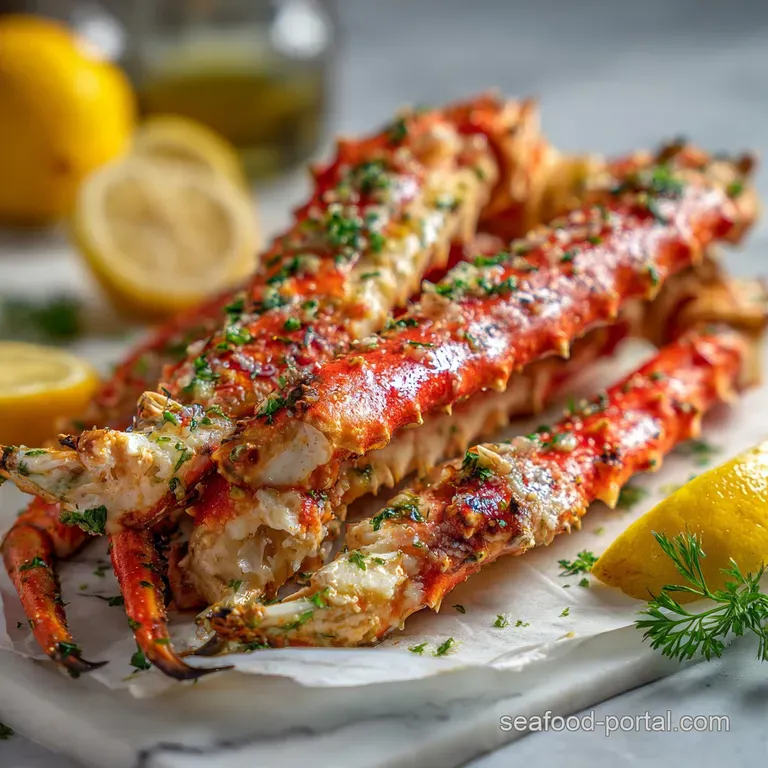
Ready to get started? We’re going to move quickly because this recipe only takes about 15 minutes from start to finish. If you’re wondering how to cook frozen king crab legs oven style instead, you can find that over on my Crab Legs with recipe page, but today we are sticking to the classic steam method for maximum juiciness.
- Prepare the pot. Add 2 cups Water, 1 tbsp Sea Salt, and the lemon rounds to your stockpot. Note: The lemon and salt infuse the steam with flavor.
- Insert the basket. Place your steamer basket inside, ensuring the water level is just below the bottom of the basket.
- Arrange the crab. Place the 2 lbs King Crab Legs in the basket. Bend them at the joints to fit them in without forcing the lid.
- Steam. Cover the pot tightly and bring to a boil. Steam for 5 to 10 minutes until the shells are bright red and fragrant.
- Start the butter. While the crab steams, melt 1/2 cup Unsalted Butter in a small saucepan over low heat.
- Infuse aromas. Add 4 cloves Garlic (minced into a paste) and 1/2 tsp Old Bay or Smoked Paprika to the butter. Note: Keep the heat low so the garlic softens but doesn't brown.
- Emulsify. Whisk in 1 tsp Fresh Lemon Juice. Watch for the butter to slightly thicken and become glossy.
- Finish the sauce. Stir in 1 tbsp Fresh Parsley and remove from heat immediately.
- Rest the crab. Use tongs to remove the legs and let them sit for 2 minutes. This lets the juices redistribute.
- Serve. Crack the shells and serve the meat immediately with the warm garlic butter for dipping.
Chef Tip: To make the shells even easier to open, give them a quick "shock" in a bowl of ice water for 30 seconds immediately after steaming. This causes the meat to slightly pull away from the inner shell wall, making it slide out in one perfect piece.
Fixing Common Preparation and Texture Obstacles
Even with a simple recipe, things can go sideways. The most common heartbreak is "waterlogged" meat, which happens when you boil the crab instead of steaming it. If you find the meat is stuck to the shell, it's usually a sign that it was frozen and thawed too many times before it got to you, or it was overcooked.
Why Your Crab Meat is Rubbery
When you apply heat for too long, the proteins in the crab tighten up like a wrung out sponge. Since King Crab is already cooked, you are essentially "double cooking" it. Stick to the 5 to 10 minute window if the shell is hot and the aroma is filling the room, it's done.
Why Your Butter Sauce Separated
If your butter looks oily and has clear yellow liquid at the bottom, the emulsion has "broken." This usually happens because the heat was too high or you added the lemon juice too quickly.
| Problem | Root Cause | Solution |
|---|---|---|
| Watery Meat | Boiling instead of steaming | Use a steamer basket to keep crab above the water line. |
| Bitter Garlic | Heat was too high | Sauté garlic on low heat only until fragrant, never brown. |
| Cold Centers | Overcrowding the pot | Steam in two batches or use a larger pot for better circulation. |
Common Mistakes Checklist
- ✓ Never skip the salt in the steaming water; it’s your only chance to season the meat inside the shell.
- ✓ Avoid using margarine; the high water content will ruin the dipping experience.
- ✓ Don't peek! Every time you lift the lid, you lose the steam pressure needed for even heating.
- ✓ Use kitchen shears instead of crackers to avoid getting shell fragments in the tender meat.
- ✓ Pat the legs dry after removing them from the steamer so the butter sticks to the meat rather than sliding off.
Creative Flavor Twists and Regional Variations
Once you've mastered the basic easy king crab legs recipe, you can start playing with the flavor profile. While I love the classic garlic butter, sometimes a little spice or a different acid can change the whole mood of the meal.
The Spicy Cajun Kick
Substitute the Old Bay with a heavy hand of Cajun seasoning and add a splash of hot sauce to the butter. This transforms the dish into something reminiscent of a Low Country boil. If you want to go all out, check out my How to Make recipe for a full spread.
dairy-free Alternative
If you can't do butter, high-quality extra virgin olive oil works surprisingly well. Infuse it with the garlic and parsley just like you would with the butter. The flavor is more "bright" and Mediterranean, which pairs beautifully with the sweet crab.
| Original Ingredient | Substitute | Why It Works |
|---|---|---|
| Unsalted Butter | Ghee (Clarified Butter) | Higher smoke point and more intense buttery flavor. Note: Doesn't contain milk solids. |
| Old Bay | Smoked Paprika | Provides the color and earthiness without the celery salt punch. |
| Fresh Parsley | Chives | Adds a delicate onion like finish that cuts through the rich fat. |
Scaling the Recipe for Any Crowd
King Crab is the ultimate party food, but you have to be smart about your pot space. If you are scaling up to 4 or 6 lbs, don't try to cram it all into one pot. The steam needs to touch every surface of the shell to heat the meat through.
- Scaling Up (2x or more): Work in batches. Keep the first batch warm in an oven set to 150°F, covered with a damp paper towel to prevent drying.
- Scaling Down: If you're just cooking for one, you can actually use a large skillet with a lid. Just add a half inch of water and lay the legs flat.
| Servings | Ingredient Adjustments | Pan Size | Cook Time |
|---|---|---|---|
| 2 People | 1 lb crab, 1/4 cup butter | 6 qt Pot | 6-8 mins |
| 4 People | 2 lbs crab, 1/2 cup butter | 10 qt Pot | 8-10 mins |
| 8 People | 4 lbs crab, 1 cup butter | Two 10 qt Pots | 10-12 mins |
Guidelines for Optimal Storage and Quality Reheating
If you happen to have leftovers (a rare occurrence in my house!), you have to be careful with how you store them. Crab meat picks up odors from the fridge very easily.
- Storage: Keep the meat in the shell if possible. Wrap tightly in plastic wrap and then place in an airtight container. Use within 2 days.
- Freezing: I don't recommend re freezing once the crab has been steamed. The texture becomes grainy and loses its "snap."
- Reheating: Avoid the microwave at all costs! It will turn the meat into rubber. Instead, wrap the legs in a foil pouch with a tablespoon of water and a pat of butter. Heat in a 350°F oven for 10 minutes until just warmed through.
- Zero Waste: Don't throw those shells away! They make the most incredible seafood stock. Simmer the empty shells with onion, celery, and a bit of thyme for an hour. Strain it and use it as a base for a Crab Imperial Recipe or a creamy bisque.
Perfect Sides to Accompany Your Coastal Dinner
When you have something as rich as King Crab with garlic butter, you want sides that provide balance. Think about acidity and crunch. A simple arugula salad with a lemon vinaigrette is my go to. The peppery bite of the greens cuts right through the heavy butter.
If you want something more substantial, roasted fingerling potatoes are brilliant for soaking up any leftover sauce on your plate. Or, keep it classic with some corn on the cob. Steaming the corn in the same pot as the crab adds a subtle sweetness to the kernels that is absolutely divine.
Just remember: the crab is the star. Keep everything else simple and let that wild Alaskan flavor shine.
And there you have it! That's everything I've learned from years of trial, error, and a lot of melted butter. It might seem intimidating at first, but once you realize it's just a 15 minute steam and dip situation, you'll be the hero of every dinner party you host. Right then, let's get that water boiling!

Recipe FAQs
What is the best method for cooking king crab legs?
Steaming is the best method. It gently reheats the pre-cooked crab, locking in moisture and preserving its delicate flavor and texture without making it rubbery. Boiling can leach flavor and result in a watery texture.
Is it better to cook king crab legs frozen or thawed?
Frozen is generally preferred. While you can cook thawed legs, frozen crab legs are often flash frozen at sea, preserving their freshness. If cooking from frozen, allow a few extra minutes for the ice crystals to melt before the meat heats through.
Is it better to steam or boil crab legs?
Steaming is significantly better than boiling. Steaming uses moist heat to gently warm the crab, retaining its natural juices and sweet flavor. Boiling submerges the crab in water, which can dilute the flavor and lead to a less desirable texture.
How to cook king crab legs without a steamer?
Create a makeshift steamer using a large pot. Place a heatproof rack or crumpled aluminum foil balls at the bottom of a large pot, ensuring they are above the water line. Add about 2 inches of water, bring to a boil, then place the crab legs on the rack and cover tightly to trap the steam.
How long should I steam king crab legs?
Steam for 5 to 10 minutes. The exact time depends on the size of the legs. They are done when the shells turn bright red and the meat is opaque and hot throughout. Avoid overcooking to prevent a tough texture.
Can I reheat pre-cooked king crab legs?
Yes, but do so gently. Steaming or a quick oven bake at 350°F wrapped in foil with a little butter and water is best. Avoid microwaving, as it can quickly overcook the crab and make the meat tough and dry.
What is the best sauce to serve with king crab legs?
A simple garlic butter sauce is classic and delicious. Melted European butter infused with fresh minced garlic, a hint of lemon juice, and fresh parsley complements the sweet crab meat without overpowering it. This pairing is similar to the flavor profile in our Garlicky Shrimp Scampi: The Easiest Way how to cook shrimp!.
King Crab Legs Recipe
Ingredients:
Instructions:
Nutrition Facts:
| Calories | 323 calories |
|---|---|
| Protein | 21.6 g |
| Fat | 25.1 g |
| Carbs | 1.8 g |
| Fiber | 0.2 g |
| Sugar | 0.4 g |
| Sodium | 785 mg |
