Juicy Grilled Haddock Recipe: Smoky Lemon Butter
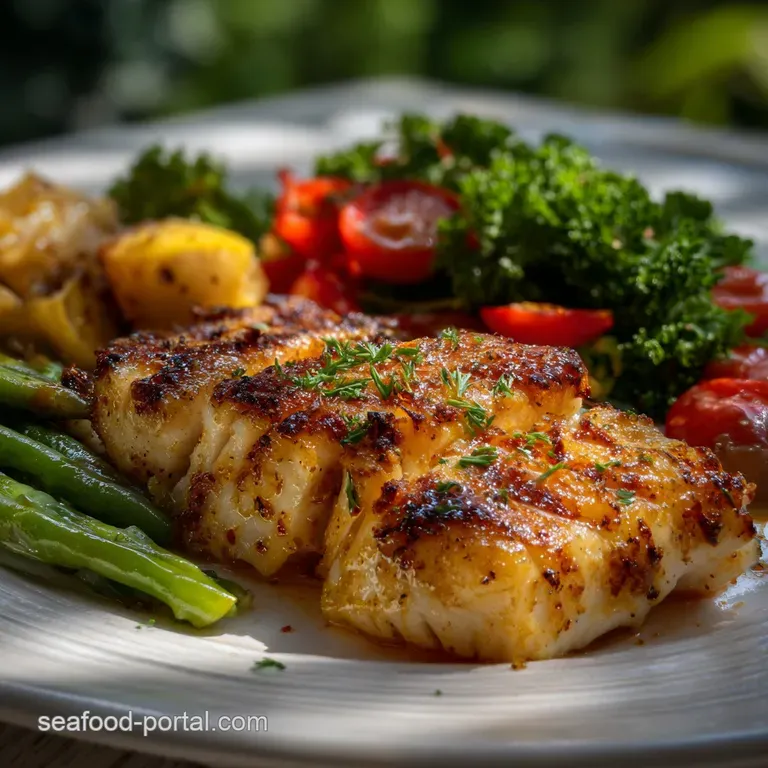
- Effort/Time: 20 minutes total (10 minutes active prep).
- Flavor Hook: Smoky paprika meets zesty lemon-garlic butter sizzle.
- Perfect for: High-protein, weeknight-friendly outdoor dining.
Mastering the Juicy Grilled Haddock Recipe: No More Dry Fish
Nothing ruins a summer evening like haddock sticking to the grates and tearing into unappetizing shreds. We have all been there staring at a "grilled" dinner that looks more like fish scraps because the lean protein bonded to the metal.
It’s frustrating, messy, and usually results in a piece of fish as dry as a chalkboard.
I once ruined a four pound haul of fresh haddock by trying to flip it too early on a cold grill. That rubbery, bland disaster forced me to study the thermodynamics of seafood. Trust me, once you understand how surface moisture and grate temperature interact, you will never serve a dry fillet again.
The secret to this Juicy Grilled Haddock Recipe lies in the rapid protein denaturation that occurs when 1.5 lbs Fresh Haddock Fillets hit a properly seasoned Weber Grill. We are aiming for a specific chemical reaction that creates a non-stick barrier. Let's crack on and get that perfect sizzle.
The Science of Why it Works
- Maillard Reaction: High heat triggers a chemical reaction between amino acids and reducing sugars, creating a savory crust that releases naturally from the grill.
- Lipid Barrier: Coating the 1.5 lbs Fresh Haddock Fillets in 2 tbsp Extra Virgin Olive Oil creates a hydrophobic layer, preventing the fish's moisture from evaporating into the air.
- Protein Denaturation: Rapid heat causes the fish's coiled proteins to unwind and rebond, but the short 10 minute cook time prevents them from squeezing out all internal juices.
- Thermal Momentum: Residual heat continues to cook the fish even after it's pulled from the flames, ensuring the center reaches 145°F without overcooking the exterior.
The Science Behind 1.5 lbs Fresh Haddock Fillets
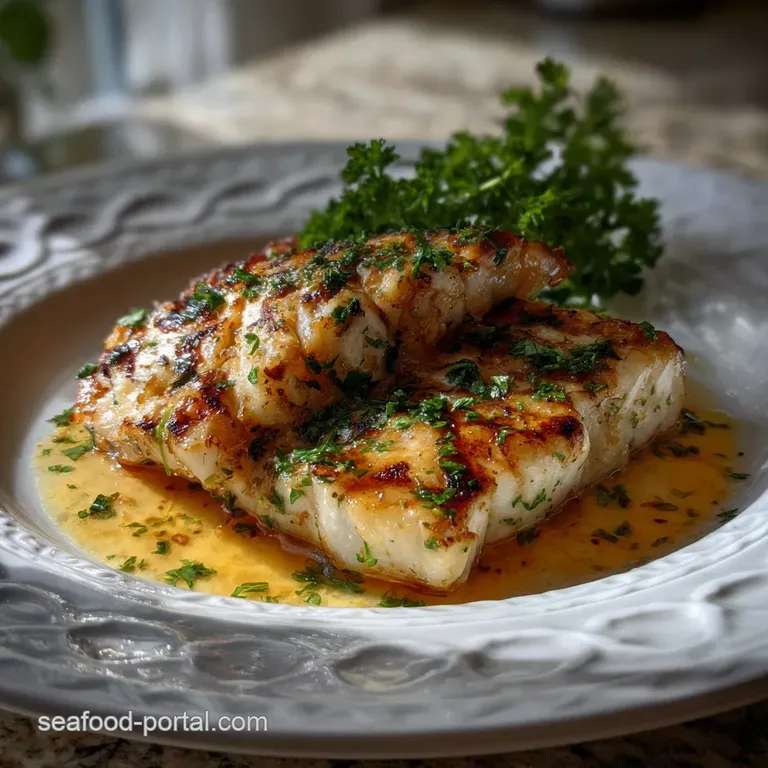
- What It Does
- Provides a lean, high protein base with a delicate, flakey texture.
- The Chemistry
- Haddock consists of short muscle fibers called myotomes, held together by fragile connective tissue (collagen).
- Why This Matters
- Because haddock has less collagen than beef, it reaches the "shatter" point of tenderness much faster, requiring precise timing to stay moist.
The Science Behind 1 tsp Fresh Lemon Zest
- What It Does
- Acts as a bright aromatic and flavor enhancer.
- The Chemistry
- The zest contains limonene and citral, volatile oils that evaporate when heated to provide an olfactory experience.
- Why This Matters
- Using zest instead of just juice prevents the citric acid from prematurely "cooking" the fish (denaturing proteins) before it hits the grill.
The Science Behind 1 tsp Smoked Paprika
- What It Does
- Adds deep color and a wood fired aroma.
- The Chemistry
- Smoked paprika contains carotenoids like capsanthin which are fat-soluble.
- Why This Matters
- Dissolving the paprika in the 2 tbsp Extra Virgin Olive Oil ensures even color distribution and a more intense flavor profile across this Juicy Grilled Haddock Recipe.
Ingredients & Substitutions
To achieve the best results with this Grilled Haddock Recipe, use high-quality staples like Colavita Extra Virgin Olive Oil and McCormick Smoked Paprika.
| Original Ingredient | Substitute | Why It Works |
|---|---|---|
| 1.5 lbs Fresh Haddock Fillets | Fresh Cod Fillets | Similar flake structure and moisture content. |
| 2 tbsp Extra Virgin Olive Oil | Avocado Oil | Higher smoke point; very neutral flavor profile. |
| 1 tsp Garlic Powder | Granulated Garlic | Similar flavor; slightly coarser texture prevents clumping. |
| 1/2 tsp Sea Salt | Diamond Crystal Kosher Salt | Larger flakes provide better coverage and easier "pinch" control. |
| 1 tbsp Fresh Parsley | Fresh Cilantro | Changes the profile to a more citrusy/earthy finish. |
| 2 tbsp Salted Butter | Ghee (Clarified Butter) | Higher smoke point; provides the same velvety mouthfeel. |
Instructions for the Juicy Grilled Haddock Recipe
Clean and oil the Weber Grill grates.Note: Removing carbon buildup reduces the surface area available for the protein to bond to the metal.
Pat the 1.5 lbs Fresh Haddock Fillets dry.Note: Surface moisture causes steaming; a dry surface is required for the Maillard reaction to occur.
Mix oil, paprika, garlic, onion powder, and zest.Note: Creating a slurry ensures the fat-soluble compounds in the spices are fully activated.
Brush the mixture onto the Haddock Recipe fillets.Note: The oil acts as a heat conductor, transferring energy evenly across the uneven surface of the fish.
Preheat the grill to 400°F (Medium High). Note: High initial heat causes immediate protein contraction, creating a "sear" that aids in flipping.
Place fish on the grates, skin side down.Note: If skinless, use a Lodge Cast Iron Grill Pan to protect the delicate flesh.
Grill for 4 5 minutes without moving. Note: Moving the fish too early will cause it to tear before the crust has formed.
Flip carefully using a fish spatula.Note: A thin, flexible spatula can slide under the protein without breaking the delicate myotome structure.
Cook for another 3 4 minutes. Note: The fish is done when it reaches an internal temperature of 145°F on a Thermapen.
Drizzle with 2 tbsp Salted Butter, melted.Note: The fats in the butter provide a velvety finish and carry the flavors of the remaining spices.
While the fish is finishing, you might want to whip up the Best Garlic Butter Sauce for Pizza: 10 Minute Recipe which, despite its name, is a phenomenal technical match for this Juicy Grilled Haddock.
Common Mistakes
| Problem | Why It Happens | The Fix | Pro Protocol |
|---|---|---|---|
| Fish Tearing | Flip attempted too early. | Wait for the fish to "release" naturally. | Use a laser thermometer to ensure grates are 400°F+. |
| Rubbery Texture | Overcooking beyond 150°F. | Pull fish at 140°F for carry over cooking. | Use a Thermoworks instant read probe every 60 seconds. |
| Bland Flavor | Spices didn't penetrate. | Apply the rub at least 10 minutes before. | Use "Diamond Crystal" salt for deeper penetration. |
Common Myths about Haddock On The Grill
Myth: You should only grill haddock in foil packets. Truth: Foil prevents the Maillard reaction. Grilling directly on the grates provides a superior "shatter" crust and smoky depth that foil steaming cannot replicate.
Myth: Frozen haddock is always inferior for a Juicy Grilled Haddock Recipe. Truth: high-quality flash frozen haddock often has better cell structure than "fresh" fish that has sat in a display case for three days.
Just thaw completely and pat dry to ensure the Haddock On The Grill doesn't steam.
Storage, Freezing, and Reheating
Storage: Store leftovers in a shallow Glasslock container in the fridge for up to 2 days. The acidity from the 1 Fresh Lemon helps preserve the flesh, but the texture will firm up significantly over time.
Freezing: I do not recommend freezing this Juicy Grilled Haddock Recipe after cooking. The delicate protein fibers will undergo "ice crystal shearing" upon thawing, resulting in a mushy texture. If you must, wrap tightly in plastic and use within 1 month.
Reheating: Avoid the microwave; it makes fish rubbery. Reheat in a Lodge Cast Iron Skillet over low heat with a teaspoon of water and a lid to create a gentle steam sauna. This restores the velvety mouthfeel without further toughening the proteins.
Variations and Pairings
For a complete meal, this Juicy Grilled Haddock Recipe pairs beautifully with a light pasta dish. If you find your pasta clumping while the fish is on the grill, check out my guide on Unstirred Pasta Recipe How to Fix Unstirred Pasta: Master the Clump!.
- Mediterranean
- Swap paprika for dried oregano and add kalamata olives.
- Cajun
- Use a heavy hand with cayenne and thyme for Bbq Haddock.
- Citrus Herb
- Double the 1 tsp Fresh Lemon Zest and use fresh dill instead of parsley.
This Juicy Grilled Haddock is a lighter alternative to heavier seafood dishes, like my Cozy Clam Chowder Soup Recipe Classic: Smoky & Thick Finish, making it the ideal centerpiece for a summer cookout.
Enjoy your Juicy Grilled Haddock Recipe! Whether you are making Haddock Recipes On The Grill for a crowd or just a quick dinner for two, these technical steps ensure a perfect, flaky result every time.
Haddock Recipes Grilled correctly will change how you view "difficult" seafood forever. Now go fire up that grill!

Recipe FAQs
What is the ideal internal temperature for grilled haddock?
145°F (63°C) for safety and texture. Haddock flakes easily when it hits this temperature, indicating denatured proteins. Overcooking past 150°F guarantees dryness, regardless of prior marinade.
Does marinating time affect haddock juiciness?
Myth: Longer acid marinades tenderize white fish effectively. Reality: Acidic marinades (like straight lemon juice) actually begin to "cook" or cure the delicate proteins quickly, leading to a tougher, drier texture if left for over 30 minutes.
Can I substitute haddock with cod for this recipe?
Yes, cod is an acceptable substitute. Cod possesses a slightly firmer, flakier structure than haddock, requiring marginally less grilling time on the high heat sear. You might prefer using the technique detailed in our Fish and Chips: Ultimate Crispy Homemade Recipe for a quick sear.
How thick should the fish fillets be for optimal results?
One inch (2.5 cm) thickness is optimal. Thicker fillets can withstand the intense direct heat necessary for a good sear without instantly drying out the center. Thinner cuts require indirect heat placement sooner.
Is using foil necessary when grilling haddock?
No, foil is generally discouraged here. The lipid based barrier and high heat sear method rely on direct grate contact for smoky flavor and crust development. Foil traps steam, which results in a texture similar to poaching.
Why are my grill grates sticking to the fish?
Proteins bonded to the metal due to insufficient lubrication. High heat causes fish muscle fibers to adhere tightly to bare metal as surface moisture evaporates. Adhesion is prevented by oiling the grates after preheating and using a fat barrier (like butter or oil) directly on the fish.
- Ensure grates are thoroughly cleaned
- Use high smoke point oil (canola/avocado)
- Preheat grill for minimum 15 minutes
What pairs best with smoky paprika grilled haddock?
A bright, acidic sauce cuts the richness perfectly. The zesty, mayonnaise based profile provides necessary counterpoint to the smoky fish fat. Consider serving this alongside our Sauce for Crab Cakes: Zesty Tartar moulade Recipe.
Juicy Grilled Haddock Recipe
Ingredients:
Instructions:
Nutrition Facts:
| Calories | 248 calories |
|---|---|
| Protein | 33.5 g |
| Fat | 10.8 g |
| Carbs | 2.4 g |
| Fiber | 0.7 g |
| Sugar | 0.5 g |
| Sodium | 515 mg |
