Honey Salmon: Sticky Honey Garlic Glazed Salmon Recipe in 20 Minutes
- The Weeknight Hero: Why This 20 Minute Sticky Honey Salmon Works
- Essential Ingredients for Sticky Honey Salmon Success
- Mastering the Technique: Step-by-Step Honey Garlic Salmon Preparation
- Troubleshooting Your Glaze: Pro Tips from the Kitchen
- Elevating the Plate: Perfect Pairings for Your Honey Salmon Meal
- Maximizing Freshness: Storing and Reheating Honey Salmon
- Recipe FAQs
- 📝 Recipe Card
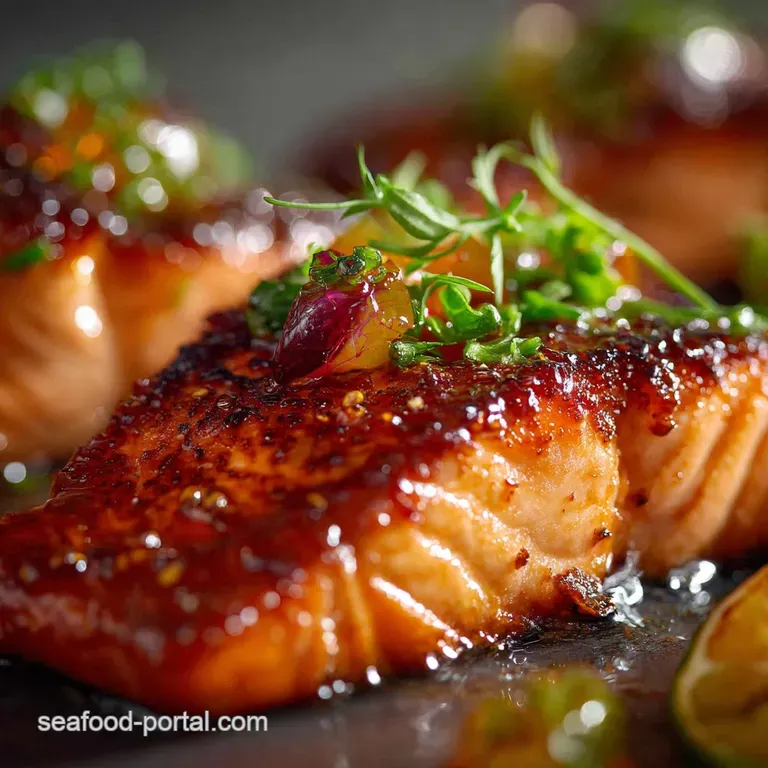
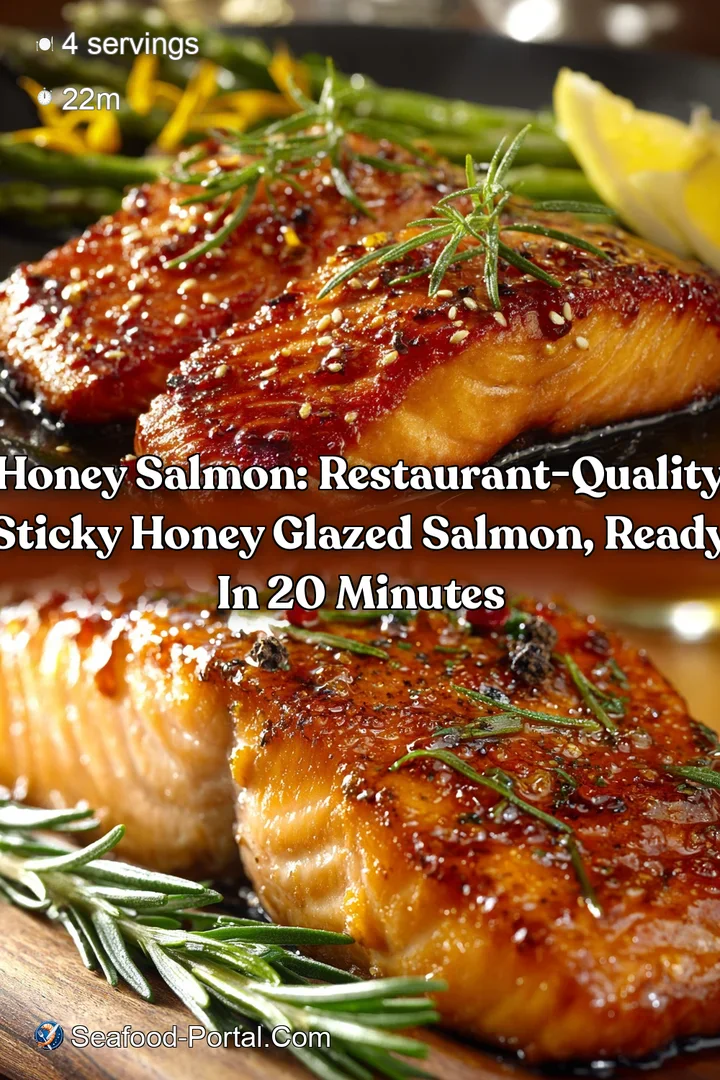
That sticky, glossy glaze hitting the heat of the oven smells unbelievably good, right? The honey and garlic caramelize into this deeply savory, slightly sweet crust that just locks in the moisture of the fish. This isn't one of those dull, dry baked salmon recipes; this is pure, unadulterated flavor magic.
This recipe is my absolute weeknight hero when I’m running on fumes and the takeaway menu looks tempting. It takes maybe ten minutes of active prep, uses pantry staples you already have, and tastes like something you paid way too much for at a nice restaurant.
Fast, easy, and incredibly healthy it’s the ultimate culinary trifecta.
If you’ve struggled to get a truly sticky, flavorful coating on your fish before, you’re in the right place. We are going to nail the timing and the technique to ensure every bite of this Honey Salmon is perfectly flaky and coated in a vibrant, sticky glaze. Let's crack on and get this done.
The Weeknight Hero: Why This 20 Minute Sticky Honey Salmon Works
The reason this specific Honey Glazed Salmon Recipe works so well comes down to two things: controlled heat and balanced flavor chemistry. We use a over high heat oven bake followed by a rapid blast under the broiler to caramelize the sugars quickly.
This dual approach ensures the salmon cooks through perfectly before the glaze has a chance to burn.
Flavor Science: Achieving the Perfect Glaze and Texture
The goal isn't just sweet; the goal is complex and sticky. We use a generous amount of honey for that intense sweetness, but we balance it aggressively with soy sauce for umami saltiness and rice vinegar for essential tang.
This push pull between sweet, salty, and sour is why this dish doesn't taste like dessert. It’s rich, dynamic, and perfectly savory.
From Prep to Plate in Under 20 Minutes
This recipe moves fast because the baking time is so short. Similar to my Teriyaki Salmon: 20 Minute Weeknight Dinner with Sticky Glaze method, we get the oven ripping hot so the fish cooks quickly and stays juicy. Measuring and stirring the glaze takes five minutes, and the rest is hands off while the oven does the work.
Is Salmon Healthy? The Nutritional Powerhouse
Yes! Even though we are using honey, this is still a fantastic healthy meal option. Salmon is packed with protein and those essential Omega-3 fatty acids your brain loves, making it excellent for fast, nutritious weeknight dinners. Consider this an indulgent treat that actually benefits your body.
The Role of Rice Vinegar in Balancing Sweetness
I need you to promise me something: Do not skip the rice vinegar. Without that tablespoon of acidity, the honey dominates the flavor profile, resulting in a cloyingly sweet dish. The vinegar slices through the richness, brightens the glaze, and keeps the whole dish tasting fresh and light.
How to Get That Sticky, Caramelized Broil Finish
This is the secret sauce literally and figuratively. The final step is a 90 second broil that takes the sugars in the Hot Honey Salmon Recipe Easy from gooey to gorgeously caramelized and sticky. It creates a dark, lacquered surface that is visually stunning and texturally perfect.
Why Baking is Superior for Fatty Fish Like Salmon
While pan-searing is fantastic for achieving crispy skin (which I adore, like in my Sockeye Salmon Recipe: Crispy Skin Pan-Seared with Brown Butter ), baking is superior for fillets covered in a thick, sugar heavy glaze. Baking keeps the ambient heat stable, preventing the high sugar content from burning before the thickest part of the fish is cooked.
Essential Ingredients for Sticky Honey Salmon Success
The ingredients for this Honey Marinade For Salmon are simple, but quality matters. Since there are so few components, make sure your garlic and ginger are fresh!
Choosing the Best Salmon Cut (Fillets vs. Sides)
For this Honey Salmon Recipe Oven, I strongly recommend four individual center cut fillets, about 6 ounces each. These cook more evenly than one giant side of salmon and are easier to manage when you are glazing and flipping. If you use thin tail pieces, you'll need to reduce your cooking time dramatically.
Substitutions for Soy Sauce and Honey
Life happens, and sometimes you just don’t have the exact ingredient on hand. Here are the substitutes I approve of:
| Ingredient | Standard | Substitution | Pro Tip |
|---|---|---|---|
| Soy Sauce | Low-Sodium Soy | Tamari or Coconut Aminos | Tamari is your best bet for a deeper flavor. |
| Honey | Runny Honey | Pure Maple Syrup | Maple provides similar sweetness but with an earthier flavor. |
| Rice Vinegar | Standard White | White Wine Vinegar | Use slightly less, as it can be sharper than rice vinegar. |
| Olive Oil | Standard Oil | Grapeseed or Avocado Oil | Neutral oils work best for the high baking temp. |
The Pungent Duo: Fresh Garlic and Ginger
Please, for the love of good cooking, use fresh garlic and ginger. The granulated stuff won't give you the pungent, aromatic depth that makes this dish sing. These two ingredients are critical for the overall "Asian fusion" vibe.
Measurement Conversions (US Customary vs. Metric)
Because we are dealing with high sugar glazes, precise measurements are key to avoiding a burned mess. Follow the measurements exactly, especially the 1/4 cup ratio for the honey and soy.
Mastering the Technique: step-by-step Honey Garlic Salmon Preparation
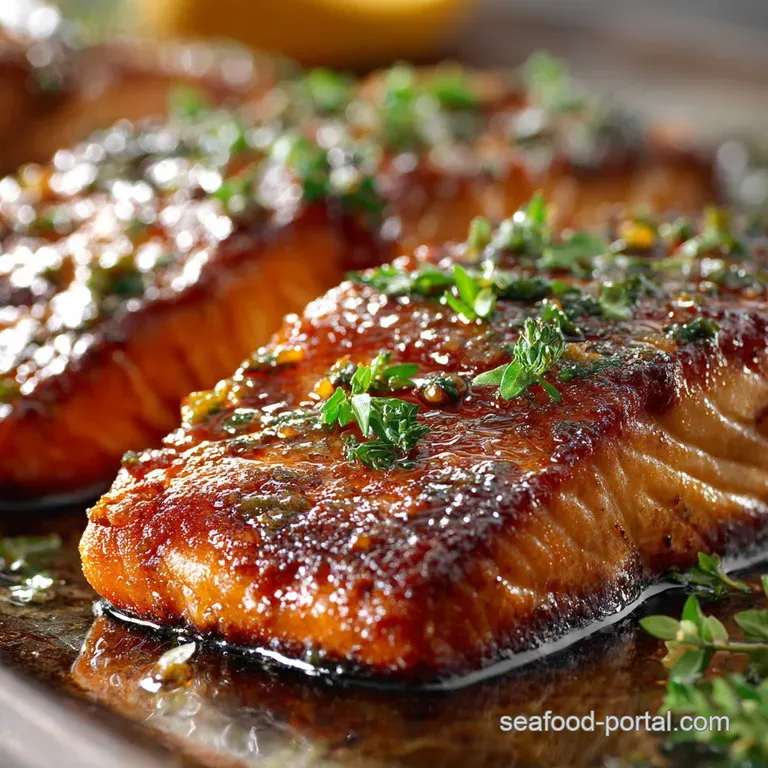
This process is designed to ensure maximum stickiness and a perfectly cooked piece of fish.
- Prepare the Glaze Base: In a small bowl, whisk together the soy sauce, honey, minced garlic, grated ginger, rice vinegar, and water/stock. Crucially, reserve half of this raw mixture in a separate bowl this is your basting glaze.
- Thicken the Finishing Glaze: Pour the remaining half of the mixture into a small saucepan. Simmer over medium heat for 2– 3 minutes until it slightly reduces and coats the back of a spoon. This thicker mixture is the finishing glaze and will give you that beautiful shine. Set aside.
- Prep the Salmon: Preheat your oven to 400°F (200°C). Line a baking sheet with parchment paper, brush it with oil, and place the salmon skin side down. Pat the fillets bone dry; this is essential for texture! Season lightly with salt and pepper.
- Initial Bake and Baste: Bake the salmon for 5– 6 minutes. Remove the tray and brush the tops of the fillets generously with the reserved, uncooked basting glaze. Return to the oven and cook for a further 3– 4 minutes.
- Glaze and Finish: Switch the oven to the broiler setting (grill) on high. Place the tray about 6 inches from the heat for 1– 2 minutes, watching constantly until the surface bubbles and turns a deep, sticky brown.
- Serve: Pull the salmon out immediately. Drizzle generously with the reduced, sticky finishing glaze, then add a splash of toasted sesame oil, sesame seeds, and spring onions.
Chef's Note: We simmer half the glaze before we start cooking to reduce it slightly and concentrate the flavors. This thickened portion goes on after the broiler to achieve maximum stickiness and shine.
Troubleshooting Your Glaze: Pro Tips from the Kitchen
We all make mistakes, believe me. I once left the salmon under the broiler for 3 minutes and turned the beautiful glaze into charcoal. Here's how to avoid common pitfalls.
Preparing the 3 Minute Sticky Glaze Base
If your glaze mixture is very thin, especially if you used water instead of stock, make sure you properly simmer down the finishing portion. A minute or two of bubbling ensures the consistency is thick enough to truly coat the fish.
Optimal Oven Temperature and Timing for Flaky Salmon
400°F (200°C) is the sweet spot. For 6 ounce fillets, 10 to 12 minutes total cooking time is usually perfect. If you cook it longer, the delicate fat renders out, and you end up with dry, chalky fish.
Glazing and Broiling for Maximum Stickiness
Don't be shy with the glaze, but also never, ever take your eyes off the broiler. Broilers are inconsistent; 60 seconds can be perfect, and 120 seconds can be a culinary tragedy. Stop the heat the second the glaze starts bubbling violently.
The Internal Temperature Test: Ensuring Perfect Doneness
The most reliable way to know your salmon is done is by using an instant read thermometer. Pull the salmon when it hits 140°F (60°C). It will carry over to 145°F (63°C), resulting in flaky, moist fish every time.
Preventing Your Salmon from Sticking to the Pan
This is simple: use parchment paper or aluminum foil. If you just put the skin side down on an oiled baking sheet, the caramelized sugar will invariably fuse the fish to the pan. Parchment paper guarantees easy lift off.
How to Fix a Glaze That Is Too Runny
If you skipped the simmering step and your glaze looks watery, you have two options. First, toss it back in the saucepan and reduce it for another two minutes. Second, if you need a quick fix, whisk 1/2 teaspoon of cornstarch with 1 teaspoon of cold water, whisk that into your runny glaze, and boil until thickened.
Elevating the Plate: Perfect Pairings for Your Honey Salmon Meal
This flavorful Honey Salmon is quite rich, so you want sides that are either light, sharp, or absorbent.
Light and Fresh Side Dishes (Salad & Veggies)
I love cutting through the sweetness with something green and slightly acidic. Quick blanched asparagus, steamed green beans tossed with lemon zest, or a simple side of sesame dressed cucumber salad are all brilliant choices.
Starch Pairings: Rice, Noodles, and Quinoa
Steamed jasmine rice is the classic choice, soaking up all the extra glaze that inevitably runs off the fish. If you prefer noodles, this glaze tastes amazing paired with light rice noodles or a base similar to what I use in my Salmon Bowls: Miso Ginger Glazed Recipe for Quick Healthy Dinner .
Garnishes to Enhance Flavor and Presentation
The final flourishes truly bring the dish together. The richness of toasted sesame oil should be drizzled on after cooking for maximum aroma. The sliced spring onions add necessary color and a refreshing bite, while sesame seeds provide crunch.
Maximizing Freshness: Storing and Reheating Honey Salmon
Don’t let your gorgeous leftovers go to waste!
Safe Refrigeration and Shelf Life of Cooked Salmon
Cooked salmon should be stored in an airtight container in the fridge and eaten within three days. The high sugar content of the glaze helps preservation slightly, but food safety first!
Best Practices for Reheating Leftovers (Oven vs. Microwave)
If you must reheat, please skip the microwave it turns the edges dry and chewy. The best way is to place the salmon on a lined baking sheet and reheat slowly in an oven set to 300°F (150°C) for about 10 minutes, just until warm throughout.
Can You Freeze Cooked Honey Garlic Salmon?
Technically, yes, you can freeze it for up to two months, wrapped tightly. However, the freezing and thawing process tends to dry out the delicate fish flesh, and the glaze can lose its sticky quality. If you have extra cooked salmon, honestly, I think it’s much better suited for making something like my Salmon Cakes Recipe Easy: Ultra Crispy Pan-Seared Lemon Dill instead.
Recipe FAQs
How do I prevent my Honey Salmon from drying out during cooking?
To ensure moistness, the key is to avoid overbaking the fillet. Salmon is done when it flakes easily with a fork, typically when the internal temperature reaches 145°F (63°C) in the thickest part.
If your oven tends to run hot, consider covering the salmon loosely with foil for the first half of the baking time to trap steam and moisture.
Can I prepare the sticky honey glaze ahead of time, and how should I store it?
Yes, the honey and garlic glaze can be prepared up to three days in advance and stored in an airtight container in the refrigerator. Before using, allow it to come to room temperature so it flows easily when pouring over the salmon.
If the glaze is too thick from refrigeration, stir in a tiny splash of water or rice vinegar to loosen it.
I don't have fresh ginger; what is the best substitute?
If fresh ginger is unavailable, you can substitute it with powdered ground ginger, using about 1/4 teaspoon for every 1 teaspoon of fresh ginger called for in the recipe. Alternatively, a very tiny pinch of red pepper flakes can provide a similar warming depth, though the flavor profile will differ slightly.
Always adjust powdered spices conservatively, as their flavor is much more concentrated.
How can I make this Honey Salmon recipe soy-free or gluten-free?
To make this recipe gluten-free, simply substitute standard soy sauce with Tamari or a certified gluten-free soy sauce. For a completely soy-free option, coconut aminos are an excellent swap, though you may need to add a small pinch of extra salt since they are slightly less salty than traditional soy sauce.
Why isn't my glaze sticky or caramelized enough?
The stickiness comes from the reduction and caramelization of the honey, which requires high heat near the end of the cooking cycle. Ensure you finish the dish by broiling the glazed salmon for the last 1 2 minutes, watching closely to allow the glaze to bubble intensely and thicken slightly.
If your glaze seems watery before baking, reduce it quickly in a small saucepan first to thicken it up.
Can I use this glaze recipe on proteins other than salmon?
Absolutely; this versatile sticky glaze works exceptionally well with other seafood and proteins. It is delicious brushed onto boneless skinless chicken thighs, pork tenderloin slices, or large peeled shrimp.
Be sure to adjust the cooking time based on the protein used, noting that shrimp cooks much faster (3-4 minutes) and chicken will require 20-25 minutes.
What is the proper way to store leftover Honey Salmon and reheat it?
Store any leftover salmon in an airtight container in the refrigerator for up to three days. To reheat without drying it out, place the fillet in an oven or toaster oven set to a low temperature (around 300°F) until warmed through, often 5-7 minutes.
Alternatively, you can flake the cold salmon over salads or use it in sandwiches.
Honey Salmon With Sticky Garlic Glaze
Ingredients:
Instructions:
Nutrition Facts:
| Calories | 573 kcal |
|---|---|
| Protein | 36.3 g |
| Fat | 31.7 g |
| Carbs | 22.8 g |
