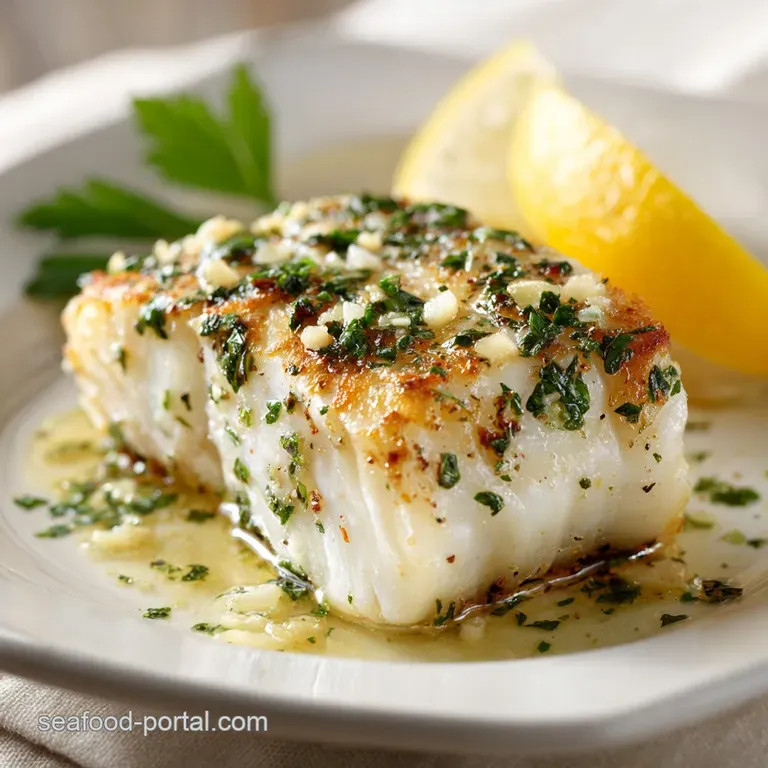
Halibut Fish Recipe with Lemon and Garlic
- Time: Active 10 mins, Passive 12 mins, Total 22 mins
- Flavor/Texture Hook: Flaky, buttery, and zesty
- Perfect for: Elegant weeknight dinners or healthy meal prep
- Savor This Halibut Fish Recipe with Lemon and Garlic
- Flavor Profiles That Actually Work
- Serving Sizes and Time Requirements
- Essential Components for This Dish
- Necessary Tools for Your Kitchen
- Mastering the Cook Step by Step
- Troubleshooting Common Mistakes and Errors
- Creative Swaps for Different Tastes
- Storing Leftovers and Reducing Waste
- Ideas for the Perfect Side
- Recipe FAQs
- 📝 Recipe Card
Savor This Halibut Fish Recipe with Lemon and Garlic
The moment that cold butter hits the hot stainless steel, something magical happens. That sharp, nutty aroma starts wafting through the kitchen, and when you toss in those three cloves of minced garlic, the air fills with a scent that practically pulls people into the room.
I used to be terrified of cooking halibut because it’s so lean; one minute it’s perfect, and the next, it’s as dry as a desert. But once I started using this lemon garlic butter method, everything changed.
This Halibut Fish Recipe with Lemon and Garlic creates a truly unforgettable, flavorful meal. We aren't just tossing fish in a pan; we're building layers of flavor that protect the delicate proteins while adding a massive punch of zest.
You’ll get that beautiful golden exterior and a center that just flakes apart with the gentlest pressure of a fork. It's the kind of meal that feels fancy but actually lets you relax with a glass of wine while the oven does the heavy lifting.
Trust me, we've all been there staring at an expensive piece of fish and hoping we don't ruin it. I once overcooked a beautiful Alaskan fillet so badly it tasted like cardboard. That mistake taught me the importance of the "butter bath" and the precise pull temperature.
Today, we’re skipping the guesswork and focusing on what makes this fish sing.
Flavor Profiles That Actually Work
Protein Denaturation Control: The fat in the 4 tbsp of unsalted butter acts as a thermal buffer, slowing down how fast the heat reaches the delicate fish fibers. This prevents the muscle fibers from tightening too quickly and squeezing out all the moisture.
Acidic Brightening: The 2 tbsp of lemon juice breaks through the heavy fat molecules of the butter, creating a balanced emulsion that coats the tongue without feeling greasy.
Maillard Reaction: Even at lower oven temperatures, the smoked paprika and natural sugars in the garlic create a savory crust that develops deep, earthy notes.
Done ness Precision Guide
| Thickness | Internal Temp | Rest Time | Visual Cue |
|---|---|---|---|
| 0.5 inch | 130°F (54°C) | 2 mins | Opaque throughout |
| 1 inch | 130°F (54°C) | 3 mins | Flakes with fork |
| 1.5 inch | 130°F (54°C) | 5 mins | Center loses translucency |
Getting the temperature right is the difference between a velvety bite and a chalky one. Since we're working with 1 inch thick fillets, that 130°F (54°C) mark is your sweet spot for carryover cooking to bring it to a perfect 135°F (57°C).
Serving Sizes and Time Requirements
Component Science Deep Dive
| Ingredient | Science Role | Pro Secret |
|---|---|---|
| Halibut Fillets | Lean Protein | Pat bone dry to ensure the seasoning sticks and browns rather than steams. |
| high-quality Butter | Fat Emulsifier | Use European style butter for higher fat content and a silkier sauce finish. |
| Fresh Garlic | Aromatic Base | Mince finely so it melts into the sauce without leaving crunchy, bitter bits. |
| Lemon Zest | Essential Oils | Add the zest at the very end to keep the volatile oils from evaporating in the heat. |
Always use fresh lemon here. Bottled juice has a muted, metallic aftertaste that can ruin the clean flavor of the halibut. If you find the sauce too thin, a tiny splash of the pasta water (if serving with noodles) can help it cling to the fish.
Essential Components for This Dish
- 4 halibut fillets: Approx. 170g / 6 oz each, 1 inch thick. Why this? Halibut offers a firm yet flaky texture that holds up well to pan searing.
- Substitute: Pacific Cod (thicker and slightly more fragile).
- 0.5 tsp fine sea salt: To draw out just enough moisture for a sear.
- Substitute: Kosher salt (use 1 tsp for same salinity).
- 0.25 tsp freshly cracked black pepper: For a subtle, floral heat.
- Substitute: White pepper for a more blended look.
- 0.5 tsp smoked paprika: Adds a hint of woodsy depth.
- Substitute: Sweet paprika for less smoke.
- 4 tbsp unsalted high-quality butter: The base for our velvety sauce.
- Substitute: Ghee (higher smoke point, nuttier flavor).
- 3 cloves garlic, minced: Essential for that classic aroma.
- Substitute: 1 tsp garlic paste in a pinch.
- 1 tbsp extra virgin olive oil: Prevents the butter from burning too quickly.
- Substitute: Avocado oil for over high heat stability.
- 2 tbsp freshly squeezed lemon juice: For that necessary acidic "pop."
- Substitute: Lime juice for a more tropical vibe.
- 1 tsp fresh lemon zest: Concentrated citrus aroma.
- 1 tbsp non pareil capers, drained: Adds salty, briny pops of flavor.
- Substitute: Finely chopped green olives.
- 2 tbsp fresh Italian parsley, chopped: For color and a grassy finish.
- Substitute: Fresh dill for a more traditional seafood herb profile.
Necessary Tools for Your Kitchen
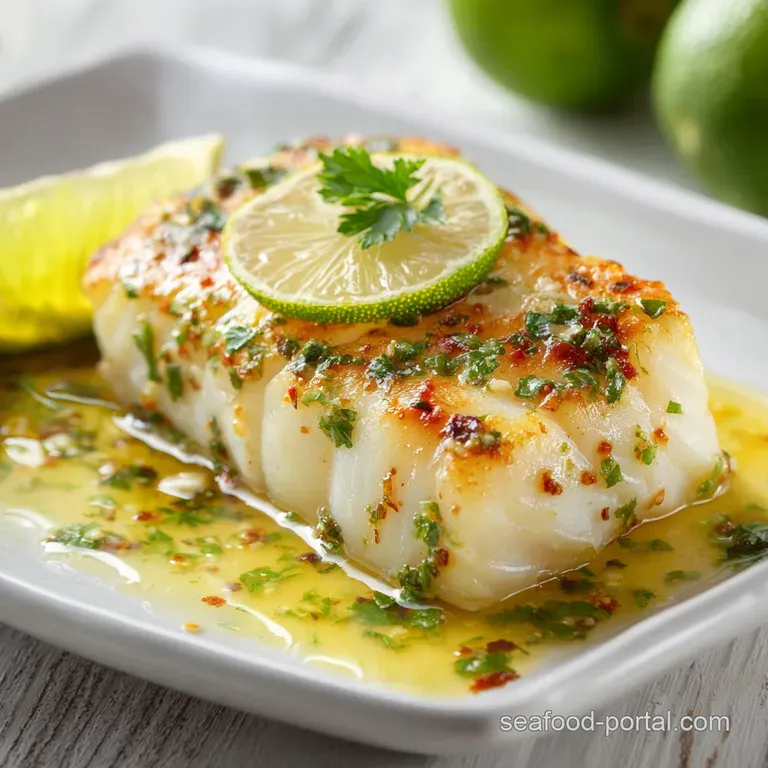
You don't need a professional kitchen, but a heavy bottomed skillet is non negotiable here. I prefer a cast iron or a heavy stainless steel pan (like an All Clad) because they hold heat evenly.
If you use a thin non stick pan, you might find the butter browns too fast or the fish doesn't get that golden "shatter" on the edges.
A fish spatula is also a total lifesaver. It’s thinner and more flexible than a standard turner, meaning you can get under the delicate halibut without breaking it into pieces. And please, use an instant read thermometer. It’s the only way to be 100% sure you aren't overcooking your dinner.
Mastering the Cook step-by-step
- Prep the fish. Pat the 4 halibut fillets completely dry with paper towels. Note: This is the most important step for a good sear.
- Season thoroughly. Sprinkle the salt, black pepper, and smoked paprika over both sides of the fillets.
- Heat the pan. Add 1 tbsp olive oil to the skillet over medium high heat until the oil shimmers and barely wisps smoke.
- Sear the first side. Place fillets in the pan (skin side up if they have skin). Cook for 3 to 4 minutes until a golden brown crust forms.
- Flip carefully. Turn the fillets over using your fish spatula.
- Create the sauce. Drop the 4 tbsp butter and minced garlic into the spaces between the fish. Cook until the butter foam subsides and smells nutty.
- Baste the fish. Use a spoon to pour the bubbling garlic butter over the fillets repeatedly for 2 minutes.
- Add the brighteners. Pour in the 2 tbsp lemon juice and add the capers.
- Finish in the oven. If the fish isn't at 130°F (54°C) yet, pop the whole pan into a 400°F (200°C) oven for 2 to 3 minutes.
- Garnish and serve. Remove from heat, stir in the lemon zest and parsley, and spoon the pan sauce over the top.
Chef's Tip: Freeze your butter for 10 minutes before adding it to the pan. This slows down the browning process, giving the garlic more time to infuse without the milk solids in the butter burning.
Troubleshooting Common Mistakes and Errors
The "Chalky Fish" Syndrome
If your halibut feels tough or dry, it’s almost certainly overcooked. Halibut has very little fat, so once it passes 140°F, the proteins tighten and push out all the juice.
Always pull the fish when it hits 130°F; the residual heat will do the rest of the work while it sits on your plate.
Burnt Garlic Bitterness
Garlic turns bitter the second it goes past golden brown. If your pan is too hot when you add the garlic, it will scorch. If this happens, honestly, it's better to wipe the pan and start the sauce over than to eat bitter fish. To avoid this, lower the heat slightly before adding the butter and aromatics.
| Problem | Root Cause | Solution |
|---|---|---|
| Fish sticking to pan | Pan wasn't hot enough | Wait for oil to shimmer before adding fish. |
| Sauce is breaking | Lemon added too fast | Whisk the sauce vigorously while adding juice. |
| Soggy exterior | Fish was damp | Use more paper towels to dry the surface. |
This recipe is quite similar to the technique I use in my PanSeared Halibut with recipe, where temperature control is everything.
Common Mistakes Checklist
- ✓ Never crowd the pan; cook in batches if your skillet is small to prevent steaming.
- ✓ Don't flip the fish too early; let the crust develop so it releases naturally from the pan.
- ✓ Use unsalted butter so you can control the final sodium level yourself.
- ✓ Avoid over high heat searing with the butter alone; the olive oil helps stabilize it.
Creative Swaps for Different Tastes
If you're looking for a Mediterranean twist, swap the parsley for fresh oregano and add a handful of halved cherry tomatoes to the pan during the basting phase. The tomatoes will blister and release their juices, creating a thicker, more rustic sauce that pairs beautifully with the lemon.
For those who want a bit of crunch, you can press the top of the seasoned fish into a shallow bowl of Panko breadcrumbs before searing. It creates a "shatter" effect on the crust that contrasts beautifully with the velvety interior. If you're out of halibut, this method works perfectly for a Pan Seared Alaskan Cod recipe as well.
Choice Based Cooking Adjustments
- If you want a Low Carb Feast, serve over sautéed zoodles or roasted asparagus.
- If you want Maximum Aroma, add a sprig of fresh thyme to the butter while basting.
- If you want a Quick Cleanup, use a well seasoned cast iron that goes from stove to table.
Storing Leftovers and Reducing Waste
Cooked halibut is best eaten fresh, but you can store leftovers in an airtight container in the fridge for up to 2 days. When reheating, avoid the microwave it will turn the fish into rubber. Instead, place it in a small skillet with a splash of water or more butter, cover it, and warm it gently over low heat.
Don't throw away those lemon peels! If you have leftover lemon halves after juicing, toss them into a jar of white vinegar. After two weeks, you’ll have a fantastic citrus scented cleaner. Any leftover parsley stems can be kept in a freezer bag for the next time you make a seafood stock or soup base.
Ideas for the Perfect Side
Since the sauce is so rich and zesty, I love serving this with something that can soak up every last drop of that garlic butter. A simple bed of jasmine rice or some garlic mashed potatoes works wonders.
If you want to keep it lighter, a crisp arugula salad with a very light vinaigrette provides a nice peppery contrast to the buttery fish.
I usually go for roasted Broccolini or sautéed spinach. The greens stay vibrant and cut through the richness of the butter sauce. Whatever you choose, make sure it's ready to go when the fish comes out, because halibut waits for no one!
Fresh vs. Shortcut Comparison
| Feature | Fresh Garlic & Lemon | Jarred/Bottled Version |
|---|---|---|
| Aroma | Sharp, bright, pungent | Muted, slightly vinegary |
| Texture | Soft, melting bits | Can be mushy or tough |
| Flavor Impact | High "zing" factor | One dimensional sourness |
Using fresh aromatics takes an extra two minutes of prep but changes the entire character of the dish. It's the difference between a "good" dinner and one that people talk about for weeks. If you are really in a rush, you can use high-quality jarred capers, but never compromise on the fresh lemon and garlic.

Recipe FAQs
Can I use frozen halibut fillets instead of fresh?
Yes, but thaw them completely first. Always thaw overnight in the refrigerator to minimize moisture release; patting them extremely dry before seasoning is crucial to achieving a good sear.
What internal temperature signifies perfectly cooked halibut?
Pull the fish from the heat at 130°F (54°C). The residual heat will carry it up to the ideal serving temperature of 135°F (57°C), ensuring a moist, flaky texture.
How do I prevent the butter sauce from burning when basting?
Add a tablespoon of olive oil to the pan initially. The oil has a higher smoke point than butter, stabilizing the fat so the milk solids don't scorch before the garlic infuses.
What is the best way to substitute the lemon juice for a creamier sauce?
Substitute the lemon juice with a splash of dry white wine, then finish with heavy cream. If you enjoyed the flavor balance achieved here, you can see how acid is used to brighten sauces in the Foolproof Lemon Caper recipe.
Is it necessary to use high heat searing before finishing in the oven?
No, but searing develops the best flavor crust. Searing creates a Maillard reaction on the surface, which adds depth; skip this step and just bake if you prefer a softer texture overall.
How do I ensure the fish releases easily from the pan after searing?
Heat the pan properly and never flip too soon. Make sure your oil shimmers, place the seasoned fish down, and let it cook undisturbed for 3 to 4 minutes until a deep golden crust forms, then it will naturally release.
Can I prepare the lemon garlic seasoning blend ahead of time?
Yes, you can season the fish up to four hours ahead of time. Keep the fillets covered tightly in the refrigerator; this allows the salt to penetrate slightly, improving the final texture.
Halibut Lemon Garlic Recipe
Ingredients:
Instructions:
Nutrition Facts:
| Calories | 322 calories |
|---|---|
| Protein | 35.6 g |
| Fat | 18.8 g |
| Carbs | 2.2 g |
| Fiber | 0.4 g |
| Sugar | 0.6 g |
| Sodium | 395 mg |
