Grilled Yellowtail Recipe: Smoky and Juicy Sear

- Effort/Time: 25 minutes total (Low-effort, high-impact).
- Flavor Hook: Smoky char meets a velvety, ginger-garlic soy finish.
- Perfect for: Budget-smart weeknight dinners or a fast-paced dinner party.
- Thermal Precision and Moisture Retention Science
- Precision Temperature Protocol and Production Metrics
- The Chemistry of Umami: Selecting Your Elements
- Tactical Gear for over High heat Surface Searing
- The Atomic Execution of Your Yellowtail Fillets
- Thermal Failure and Texture Recovery Protocols
- Flavor Architecture and Strategic Ingredient Swaps
- Shelf-Life Management and Moisture Recovery Physics
- ⚗️ The Scaling Lab
- Debunking Common Seafood Myths
- Final Flavor Compositions and Pairing Strategies
- Recipe FAQs
- 📝 Recipe Card
Master the Ultimate Grilled Yellowtail Recipe
There is nothing more gut-wrenching than watching a beautiful fillet of fish seize up and turn into a chalky, flavorless brick because the heat was too low or the pan wasn't seasoned.
We’ve all been there standing over the stove, desperately trying to scrape a "shattered" piece of skin off the grates while the kitchen fills with smoke and disappointment.
I once ruined a gorgeous haul of fresh yellowtail by over marinating it in acid, which "cooked" the proteins before they even touched the fire, resulting in a mushy mess that cost me both money and my dignity.
I learned the hard way that the secret isn't a complex marinade, but the physics of thermal shock and moisture management. By ensuring the surface is bone dry and the pan is screaming hot, we trigger the Maillard reaction almost instantly, creating a mahogany colored crust that protects the velvety interior.
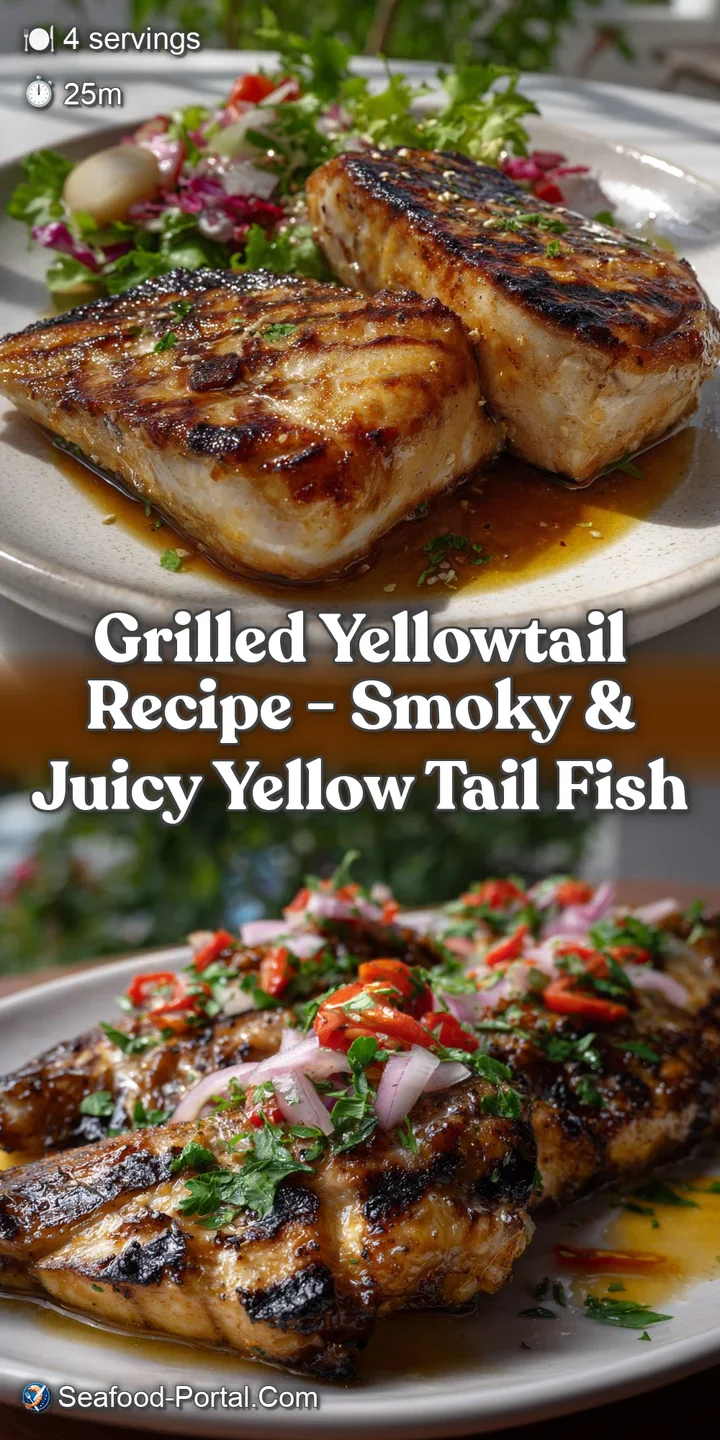
This Grilled Yellowtail Recipe relies on a quick sear to achieve that perfect contrast between a crisp exterior and a succulent, tender center.
The science is simple: we aren't just heating food; we are managing protein denaturation. When you hit the fish with high heat, the outer muscle fibers contract and brown, while the fat between the flakes begins to render, basting the meat from the inside out.
This creates that signature "sizzle" that tells you you’re doing it right. Follow these steps, and you’ll never serve a dry piece of fish again. Mastering this Grilled Yellowtail Recipe is key to weeknight success.
Thermal Precision and Moisture Retention Science
- Maillard Reaction Mastery: High surface heat (above 150°C) reorganizes amino acids and sugars into hundreds of flavor compounds.
- Protein Denaturation Control: Rapid searing prevents the "squeeze" effect where muscle fibers tighten too much and eject internal juices.
- Osmotic Pressure Balance: Using Kikkoman Low-Sodium Soy Sauce ensures flavor penetration without drawing out too much moisture during the short cook time.
- Thermal Mass Retention: Using a heavy bottomed pan like a Lodge Cast Iron Skillet prevents the temperature from plummeting when the cold fish hits the surface. The success of this Grilled Yellowtail Recipe hinges on this temperature control.
Precision Temperature Protocol and Production Metrics
- 1. Surface Temp
- 205°C (400°F) before the fish touches the oil.
- 2. Internal Temp
- Pull the fish at 52°C (125°F) for a medium rare finish (it will rise to 55°C while resting).
- 3. Fillet Weight
- Ensure 170g portions for even heat distribution across the pan.
| Feature | Fast Method (This Recipe) | Classic Slow Grill |
|---|---|---|
| Heat Level | Intense/Direct | Medium/Indirect |
| Texture | Shattering skin, buttery center | Uniformly firm, smoky |
| Time | 10 minutes | 20 25 minutes |
The Chemistry of Umami: Selecting Your Elements
| Ingredient | Chemical/Physical Role (Science) | The Pro Secret (Why This Matters) |
|---|---|---|
| 4 Yellowtail Fillets (170g) | High fat-to-protein ratio for thermal protection | Why this? Higher fat content prevents the fish from drying out at high temperatures. |
| 15ml Mizkan Mirin | Glucose provides rapid caramelization | Why this? Lower burn point than honey, creates a glossy glaze without bitter char. |
| 15ml Kikkoman Soy Sauce | Glutamates trigger umami receptors | Why this? Adds savory depth and essential salt for protein structural stability. |
| 30ml Pompeian EVOO | Heat transfer medium and fat barrier | Why this? Olive oil offers a better flavor profile than neutral oils for Mediterranean style fish. |
For the seasoning, use Diamond Crystal Kosher Salt for its larger crystal size, which allows for better coverage without over salting. If you're looking for a side that matches this level of flavor, a citrus heavy salad or even a side of Authentic Japanese Shrimp recipe inspired rice can round out the meal perfectly. This preparation makes for an excellent centerpiece Grilled Yellowtail Recipe.
Tactical Gear for over High heat Surface Searing
- Lodge Cast Iron Skillet: Essential for maintaining heat when the fish is added.
- Fish Spatula: A thin, flexible metal offset spatula is non-negotiable for getting under the delicate skin without tearing.
- Digital Instant Read Thermometer: The only way to guarantee you don't overcook the 170g fillets.
- Microplane Zester: To get the lemon zest fine enough to emulsify into the oil.
The Atomic Execution of Your Yellowtail Fillets
- Pat dry the 4 Yellowtail fillets (170g each) with paper towels. Note: Excess moisture causes steaming instead of searing.
- Whisk 15ml low-sodium soy sauce, 15ml mirin, and 5ml toasted sesame oil in a small bowl until emulsified.
- Combine 5g flaky sea salt, 2g freshly cracked black pepper, 3g garlic powder, and the zest of 1 lemon in a small dish.
- Coat both sides of the fish with 30ml extra virgin olive oil until glistening and fully shielded.
- Press the dry spice rub into the flesh side of the fish until a visible crust forms.
- Preheat your Lodge Cast Iron Skillet over medium high heat until a drop of water dances and evaporates instantly.
- Lay the fillets into the pan away from you until a loud, aggressive sizzle begins.
- Sear for 4 minutes until the edges turn opaque and a mahogany crust is visible. This searing step is vital for the quality of this Grilled Yellowtail Recipe.
- Flip carefully and brush with the soy-mirin glaze until the sauce bubbles and thickens.
- Cook for 3 more minutes until the internal temperature hits 52°C and the centers feel slightly springy.
Thermal Failure and Texture Recovery Protocols
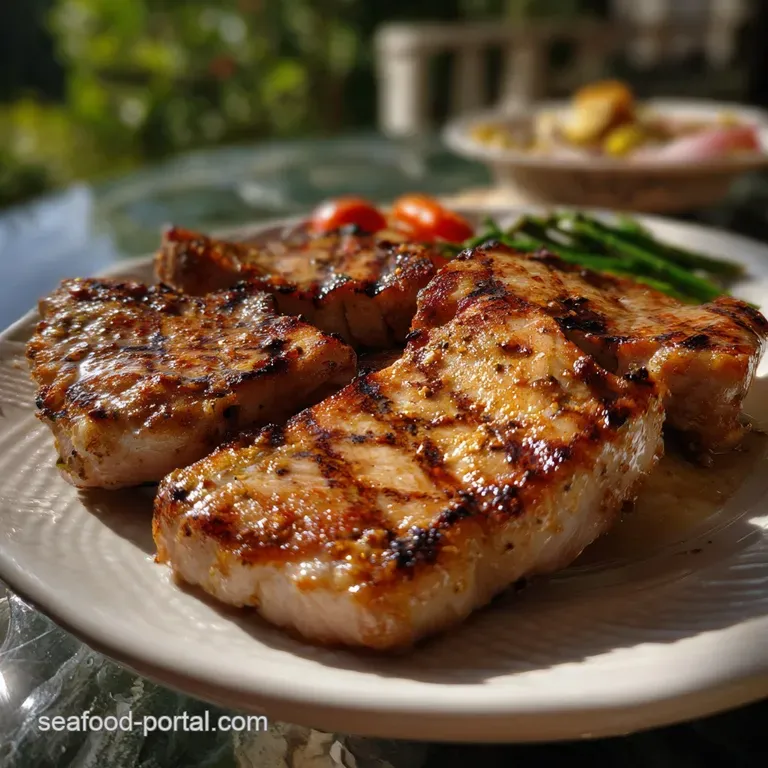
Why Your Yellowtail Recipe: Smoky and Juicy turns out tough: The most common culprit is protein contraction from overcooking. Once the internal temperature exceeds 60°C (140°F), the proteins tighten so much they squeeze out all the moisture, leaving you with "fish jerky." This is a pitfall that the thermal precision in the Grilled Yellowtail Recipe is designed to avoid.
| Problem | Root Cause | The Fix | Pro Protocol |
|---|---|---|---|
| Fish Sticking | Pan not hot enough | Wait for "shimmer" in oil | Use a stainless steel or cast iron pan, never cold. |
| Gray/Bland Exterior | Surface moisture | Use more paper towels | Salt the fish immediately before it hits the pan to avoid drawing out water. |
| Burned Glaze | Added too early | Apply in last 2 mins | Mirin and soy have high sugar; they will scorch if cooked for the full 10 mins. |
Chef's Tip: If your fish does stick, don't force it. The fish will naturally "release" from the pan once the Maillard reaction has sufficiently dehydrated and browned the surface. If it's stuck, it's not done browning!
This is a key takeaway from perfecting the Grilled Yellowtail Recipe.
Flavor Architecture and Strategic Ingredient Swaps
This Recipe: Smoky and Juicy is built on a budget smart foundation. You don't need expensive marinades when you have the right science. If you want to change things up, remember that the goal is to balance salt, fat, and acid. You might even consider serving this with a side of Garlic Butter Sauce recipe if you want to lean into a more decadent, Western flavor profile. The core structure of the Grilled Yellowtail Recipe, however, remains the same.
- Soy Sauce Substitute: Tamari (1:1 ratio) for a gluten-free option with a deeper, richer color.
- Mirin Substitute: 10ml Honey + 5ml Water. This mimics the sugar content but lacks the subtle acidity of mirin.
- Olive Oil Substitute: Grapeseed oil. It has a higher smoke point but won't offer the same floral notes.
- Crispier skin
- Place a heavy press or another pan on top of the fish for the first 2 minutes of searing.
- More "Smoky and Juicy" depth
- Add 1/2 tsp of smoked paprika to the dry rub.
- Brighter finish
- Double the lemon zest and add a splash of yuzu juice to the glaze.
Shelf Life Management and Moisture Recovery Physics
Store leftovers in an airtight glass container for up to 2 days in the fridge. To reheat, avoid the microwave at all costs it vibrates water molecules so violently it ruins the protein structure.
Instead, place the fish in a 150°C oven with 1 tablespoon of water and cover with foil for 8 minutes to create a mini steam chamber. Executing a successful Grilled Yellowtail Recipe means having a plan for leftovers.
💡 ZERO WASTE PHILOSOPHY: Don't discard the lemon carcass! Transform: Char the lemon halves in the pan face down while the fish rests. Science: Heat breaks down the citrus pulp cells, releasing more juice and concentrating the sugars for a smoky, acidic finishing sauce.
This finishing touch elevates the entire Grilled Yellowtail Recipe.
⚗️ The Scaling Lab
- Pan Crowding
- Doubling to 8 fillets in one pan will drop the surface temperature significantly. This leads to steaming rather than searing. Mandatory instruction: Cook in two separate batches or use two pans.
- Flavor Saturation
- Only scale the salt and spices to 1.5x. Salt compounds accumulate on the palate; 2x salt often tastes like 4x salt in a concentrated sear.
- Carry Over Cooking
- A larger mass of hot fish on a platter will retain heat longer. Pull the fish at 50°C (120°F) when doubling, as the collective thermal mass will continue to cook the centers more aggressively than a single fillet would. For a professional outcome, be mindful of these scaling laws when preparing a large batch of Grilled Yellowtail Recipe.
Debunking Common Seafood Myths
Myth: You must flip fish multiple times to cook it evenly. Truth: Flipping more than once destroys the Maillard crust and increases the chance of the fish breaking apart. One flip is all you need for a Yellowtail Recipe: Smoky and Juicy.
Myth: Fresh fish shouldn't smell like anything. Truth: Fresh fish should smell like the ocean briny and clean. If it smells "fishy" (trimethylamine), it's already starting to oxidize.
Following this Grilled Yellowtail Recipe ensures maximum freshness from the start.
Final Flavor Compositions and Pairing Strategies
For a truly Smoky and Juicy experience, pair this yellowtail with something that offers a textural contrast. I love serving this over a bed of blistered snap peas or with a side of Crunchy and Classic recipe style slaw for that extra bite.
The acidity from the lemon zest in this Grilled Yellowtail Recipe cuts through the natural fattiness of the fish, while the mirin provides a subtle sweetness that lingers.
It’s a masterclass in balance that costs a fraction of what you’d pay at a high end bistro, and frankly, yours will probably be better because you controlled the thermal mass yourself. Trust the heat, trust the dry surface, and let the science do the heavy lifting in your kitchen.
Understanding the science behind this Grilled Yellowtail Recipe guarantees repeatable excellence.
Recipe FAQs
What is grilled yellowtail?
Grilled yellowtail is fish seared over high, direct heat. This method applies intense thermal shock to create a crisp exterior crust and a moist, tender interior. The focus is quick cooking to prevent protein denaturation.
What is grilled yellowtail collar?
It is the fatty section immediately behind the gills. This cut is prized for its high omega-3 content and intense, buttery flavor profile.
What does grilled yellowtail taste like?
It is rich, subtly sweet, and profoundly savory. The high fat content yields a luxurious mouthfeel reminiscent of high-quality tuna, enhanced by smoky char notes. If you master techniques for texture control, this flavor is truly maximized; see how the same principle of controlled moisture works in the Crab Imperial Recipe: The Ultimate Chesapeake Classic.
How to bbq yellowtail?
Use indirect heat and a plank for best results on a smoker/BBQ. Direct high heat on a standard grill grate often causes sticking and charring before the center cooks. If you enjoyed mastering the searing technique here, see how the same principle of low-and-slow heating applies to other proteins in our Rhode Island Clam Chowder: Traditional Clear Broth Recipe.
Can you grill yellowtail?
Yes, grilling provides optimal surface flavor development. Yellowtail’s natural oiliness protects it from drying out quickly, making it an excellent candidate for the high heat required for the Maillard reaction.
Should I use skin-on or skin off fillets?
Skin-on provides superior thermal insulation. The skin acts as a protective barrier, preventing the delicate flesh from overcooking before the crust develops. If the skin is compromised, the underlying proteins denature faster, leading to dryness.
Why did my yellowtail stick to the grate?
Sticking occurs because the surface wasn't hot enough. Protein adhesion is immediate when the pan temperature is below the required 150°C for Maillard reaction initiation.
- Preheat the grates for 15 minutes
- Oil the fish, not the grates
- Do not move the fish for 4 minutes
Grilled Yellowtail Recipe Smoky Juicy
Ingredients:
Instructions:
Nutrition Facts:
| Calories | 331 kcal |
|---|---|
| Protein | 39.6 g |
| Fat | 17.1 g |
| Carbs | 2.4 g |
| Fiber | 0.1 g |
| Sugar | 1.6 g |
| Sodium | 728 mg |
