Grilled Octopus at Home with Lemon
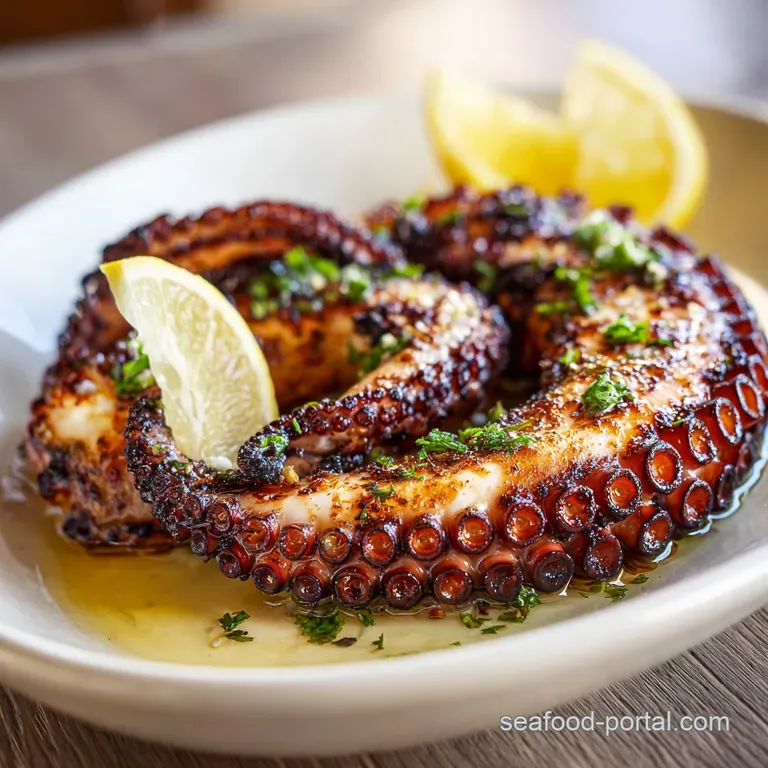
- Time: Active 15 minutes, Passive 1 hours, Total 1 hours 15 mins
- Flavor/Texture Hook: Smoky, charred exterior with a silky, melt in-your mouth interior
- Perfect for: Impressive weekend dinners or Mediterranean themed garden parties
- Master Grilled Octopus at Home with Lemon
- The Science of Collagen Softening
- Critical Recipe Specifications
- Essential Ingredient Deep Dive
- Necessary Kitchen Tools
- Step-by-Step Grilling Guide
- Fixing Common Textural Errors
- Creative Flavor Profile Swaps
- Smart Storage and Reheating
- Perfect Side Dish Pairings
- Myths About Cooking Octopus
- Recipe FAQs
- 📝 Recipe Card
Master Grilled Octopus at Home with Lemon
There is a specific sound that happens when a perfectly tenderized octopus tentacle hits a screaming hot grill pan. It is a sharp, rhythmic sizzle that tells you the moisture is hitting the heat just right. I still remember the first time I tried this in a tiny, salt crusted kitchen in Crete.
The chef didn't use a thermometer or a timer, he just felt the "give" of the meat with his thumb. I tried to replicate it back home and ended up with something that had the texture of a literal garden hose. It was heartbreaking, but it taught me everything about what not to do.
The trick isn't in the grilling itself, but in everything that happens before the meat ever sees a flame. You can't just throw a raw octopus on the grates and hope for the best, because you'll just get chewy rubber. We have to break down those stubborn muscle fibers first.
Once I realized that a gentle braise is the secret bridge between "tough" and "velvety," my kitchen game changed forever. Now, I make this whenever I want to feel like I’m sitting by the Mediterranean again, even if I'm just in my backyard with a pair of tongs.
This recipe is all about layers. We start with a slow simmer in white wine and aromatics to handle the texture, then move to a quick, over high heat sear for that shatter crisp skin. We finish it off with a punchy lemon and garlic dressing that cuts through the richness.
Trust me, once you see those suckers get all crispy and caramelized, you'll never go back to the pre cooked, rubbery stuff from the grocery store.
The Science of Collagen Softening
Understanding the "how" behind this dish makes you a better cook instantly. Octopus is packed with collagen, which is incredibly tough when raw or undercooked.
- Hydrolysis Conversion: Simmering the octopus at a low temperature slowly converts tough collagen into silky gelatin, which is why the meat becomes so tender.
- Thermal Contraction: High heat causes the muscle fibers to tighten instantly, so we only use the grill for a short burst to create the Maillard reaction without toughening the core.
- Acidic Denaturation: The lemon juice in the final stage helps break down any remaining surface proteins, further softening the bite while adding brightness.
- Osmotic Infusion: Allowing the octopus to cool slightly in its braising liquid lets it reabsorb flavorful moisture before it hits the dry heat of the grill.
| Tentacle Thickness | Simmering Time | Grilling Time | Visual Success Cue |
|---|---|---|---|
| Small (under 2cm) | 40 minutes | 2 mins per side | Suckers turn deep purple and crisp |
| Medium (2-4cm) | 60 minutes | 3 mins per side | Skin starts to "shatter" when pressed |
| Large (over 4cm) | 90 minutes | 4 mins per side | Dark charred spots appear on ridges |
Finding the right balance of time is the biggest hurdle for most home cooks. If you go too short, it's bouncy; go too long, and the skin falls off in a slimy mess. I usually stick to the medium timing for a standard 2 lbs whole octopus because it gives that perfect ratio of soft meat to crispy exterior.
Critical Recipe Specifications
| Component | Science Role | Pro Secret |
|---|---|---|
| Whole Octopus | Structural Protein | Freeze it first to break cell walls for extra tenderness |
| Dry White Wine | Acidic Solvent | Use a crisp Sauvignon Blanc to brighten the deep oceanic flavors |
| Extra Virgin Olive Oil | Heat Conductor | Brush it on thick right before grilling to prevent sticking |
| Sea Salt | Moisture Control | Add only at the end to keep the interior fibers from drying out |
Choosing the right octopus is the foundation of the whole meal. If you can find it, frozen is actually better than fresh for beginners because the freezing process acts as a mechanical tenderizer. When the water inside the cells turns to ice, it expands and breaks those tough fibers for you.
It's one of the few times in cooking where "not fresh" is actually a secret advantage.
Similar to the preparation of other seafood, such as my How to Grill Octopus recipe, the goal is to balance the natural brininess with high-quality fats and acids.
Essential Ingredient Deep Dive
For this recipe, we are using the official quantities to ensure that "melted" texture we are after. Every single aromatics in the pot serves a purpose in building that final flavor profile.
- 2 lbs whole octopus, cleaned: The star of the show. Why this? Cleaning removes the bitter beak and ink for a cleaner flavor.
- 0.5 cup dry white wine: For the braising liquid. Why this? Provides acidity to help break down connective tissue during the simmer.
- 1 tablespoon black peppercorns: Whole berries only. Why this? Infuses a subtle, earthy heat without discoloring the meat.
- 2 bay leaves: Dry or fresh works. Why this? Adds a herbal backbone that balances the fishy notes.
- 1 lemon, halved: Used in both the pot and the finish. Why this? Essential for cutting through the richness of the olive oil.
- 0.25 cup extra virgin olive oil: Use the good stuff here. Why this? It creates the crispy "crust" during the over high heat grilling phase.
- 3 cloves garlic, minced: Freshly chopped is best. Why this? Adds an aromatic pungency that pairs perfectly with charred seafood.
- 1 teaspoon dried oregano: The classic Mediterranean herb. Why this? Brings a floral, earthy aroma that reminds you of the coast.
- 0.5 teaspoon sea salt: For finishing. Why this? Enhances all the other flavors without drawing out too much moisture.
- 0.25 teaspoon red chili flakes: Just a hint of spice. Why this? Provides a tiny kick that makes the lemon pop.
If you cannot find a whole octopus, you can use pre cut tentacles, though you may need to reduce the simmering time by about 10 minutes.
| Original Ingredient | Substitute | Why It Works |
|---|---|---|
| White Wine | Verjus or Apple Cider Vinegar | Provides the necessary acidity. Note: Vinegar is much sharper, use half the amount. |
| Dried Oregano | Fresh Thyme | Similar earthy profile. Note: Fresh herbs are less concentrated, so use double. |
| Sea Salt | Smoked Salt | Adds a deeper "campfire" vibe. Note: Can overpower the delicate lemon notes. |
Necessary Kitchen Tools
You don't need a professional kitchen, but a few specific items make this much easier. A large, heavy bottomed pot (like a Dutch oven) is non negotiable for the simmering phase because it holds heat steadily.
You'll also want a set of sturdy metal tongs don't use plastic here, as they'll melt when we get to the over high heat stage.
For the grilling, a cast iron grill pan is my personal favorite because it gives those gorgeous, deep char marks even if you're cooking indoors. If you're heading outside, make sure your grates are scrubbed clean.
Any leftover residue from last week's burgers will stick to the delicate octopus skin and tear it right off. I also recommend a small pastry brush for the marinade; you want to get that garlic oil into every little nook and cranny between the suction cups.
step-by-step Grilling Guide
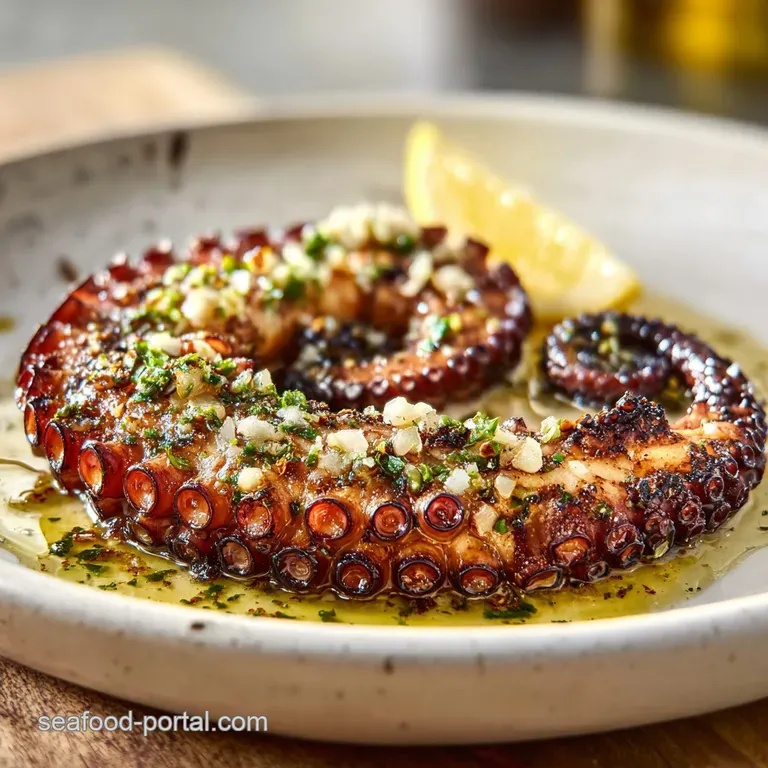
- Place the cleaned 2 lbs octopus in a large pot with 0.5 cup white wine, 1 tbsp peppercorns, 2 bay leaves, and half the lemon. Note: Do not add water; the octopus will release its own flavorful juices.
- Cover and simmer over low heat for 1 hours until a knife slides into the thickest part like butter.
- Remove the pot from the heat and let the octopus cool in the liquid for 15 minutes. Note: This prevents the skin from peeling off instantly.
- While cooling, whisk 0.25 cup olive oil, 3 minced garlic cloves, 1 tsp oregano, and 0.25 tsp chili flakes in a small bowl.
- Drain the octopus and pat it completely dry with paper towels. until the surface feels tacky, not wet.
- Slice the octopus into individual tentacles, leaving the head piece whole if you enjoy it.
- Preheat your grill or cast iron pan over medium high heat for at least 3 minutes.
- Brush each tentacle generously with the garlic oil mixture.
- Grill for 3 minutes per side until the edges are charred and the suckers are crispy.
- Squeeze the remaining lemon half over the hot octopus and sprinkle with 0.5 tsp sea salt before serving.
Chef's Tip: When simmering, don't be tempted to add water. The octopus is about 80% water itself. As it heats up, it will create its own "ocean broth" that is far more flavorful than anything you could add from the tap.
This technique of layering flavors first through the aromatic braise and then through the charred finish is exactly how you get that restaurant quality result. It’s quite similar to the approach used in this How to Make recipe, where the marinade does the heavy lifting before the heat touches the meat.
Fixing Common Textural Errors
The most common heartbreak is "rubber band" octopus. This almost always happens because the simmer was too short. If you pull it out and it feels bouncy when you poke it, put it back in! It needs that time for the collagen to fully transform into gelatin.
Why Your Octopus Skin Peels
If the skin is sliding off in the pan, it’s usually because the octopus was too wet when it hit the oil, or you moved it too much. You have to let it sit undisturbed for at least 2 minutes to develop a "crust" that holds the skin to the meat.
Also, skipping the cooling step in the liquid makes the skin much more fragile.
| Problem | Root Cause | Solution |
|---|---|---|
| Tough/Chewy | Collagen hasn't broken down | Simmer for another 15-20 mins until tender. |
| Skin Falling Off | Surface moisture | Pat dry aggressively and let it rest after braising. |
| Bitter Aftertaste | Charred garlic | Add fresh garlic to the marinade after grilling if you prefer. |
Common Mistakes Checklist
- ✓ Never skip the "pat dry" step; moisture is the enemy of a good char.
- ✓ Ensure the grill is screaming hot before the meat touches the grate.
- ✓ Don't overcrowd the pan, which lowers the temperature and steams the meat.
- ✓ Use a heavy weight (like a second pan) to press the tentacles down for even contact.
- ✓ Always let the octopus cool in its juices to retain maximum moisture.
Creative Flavor Profile Swaps
While the lemon and garlic combo is a total classic, you can definitely branch out once you've nailed the basic technique. If you want something with more of a Spanish vibe, swap the oregano for smoked paprika (Pimentón).
This creates a "Pulpo a la Gallega" style that is incredible with a side of boiled potatoes.
For a more modern twist, I love using a balsamic reduction instead of lemon juice. The sweetness of the vinegar plays off the charred, smoky notes of the grill in a way that feels very upscale.
You can also try a "Keto" version by serving it over a bed of sautéed spinach with extra olive oil and crushed macadamia nuts for crunch.
If you’re feeling adventurous, try a spicy Asian inspired glaze. Replace the oregano and lemon with a mix of soy sauce, ginger, and a dash of honey. The sugars in the honey will caramelize even faster, giving you a dark, sticky crust that is absolutely velvety. This approach reminds me of the bold flavors in this & Flavorful Coral Trout recipe.
Smart Storage and Reheating
Octopus is surprisingly sturdy. You can actually do the braising step up to two days in advance. Just keep the cooked octopus in its liquid in the fridge. When you're ready to eat, pat it dry and head straight to the grilling step.
This makes it a fantastic "fancy" meal for a weeknight because the hard work is already done.
- Fridge: Store in an airtight container for up to 3 days.
- Freezer: You can freeze the braised (but not yet grilled) octopus for up to 2 months. Thaw it completely in the fridge before hitting the grill.
- Reheating: Avoid the microwave! It will turn the meat into a tire. Instead, flash fry it in a hot pan with a little oil for 1-2 minutes until warmed through and the skin crisps back up.
Zero Waste Tip: Don't throw away that purple braising liquid! It is packed with concentrated octopus flavor and gelatin. Strain it and use it as a base for a seafood risotto or a pasta sauce. It’s basically "liquid gold" for any Mediterranean dish.
Perfect Side Dish Pairings
To keep things traditional, I almost always serve this with a side of crispy lemon potatoes or a simple Greek salad. The acidity of the tomatoes and feta provides a great contrast to the smoky, fatty tentacles.
If you want something heartier, a big scoop of creamy polenta or even a white bean purée works wonders.
The beauty of Grilled Octopus at Home with Lemon is its versatility. It can be the star of a full dinner plate or sliced thin and served as part of a tapas spread with some crusty sourdough bread to soak up all that garlic oil.
No matter how you serve it, the key is to keep the sides simple so the complex, charred flavor of the octopus can really shine through.
Myths About Cooking Octopus
One of the biggest myths is that you need to throw a cork in the pot to make the octopus tender. People swear by this "secret," but science tells us a different story. The cork doesn't release any magical enzymes; it’s the consistent, low temperature of the water that does the work.
You can leave the wine cork in the bottle!
Another common misconception is that you have to "scare" the octopus by dipping it in boiling water three times before simmering. While it makes the tentacles curl up into pretty spirals, it doesn't actually affect the final tenderness.
If you want those curls for the "wow" factor, go for it, but don't feel like it's a structural necessity for a good meal.
Finally, some people think you must beat the octopus against a rock (the traditional Greek method). While that does work for fresh off-the boat octopus to break fibers, the freezing and simmering method we use here achieves the exact same result without the manual labor or the mess. Your kitchen walls will thank you.

Recipe FAQs
What are the common mistakes in cooking octopuses?
Failing to simmer long enough. The most frequent error is pulling the octopus before the tough collagen has converted to tender gelatin, resulting in rubbery meat.
What is the secret to tender octopus?
A slow, gentle simmer in liquid. The secret is patiently converting the tough collagen into silky gelatin, usually taking 45 to 90 minutes depending on size, before any high heat searing.
How do you prepare octopus for grilling?
Braise until fork tender, then pat completely dry. After simmering until tender, you must drain the octopus, cool it slightly, and then thoroughly dry the surface so the oil adheres and the grill creates a char, not steam.
What spices enhance the flavor of octopus?
Lemon, garlic, and oregano are essential complements. These Mediterranean staples provide the necessary bright acidity and earthy background to balance the rich, oceanic flavor of the squid.
Is it true I must bang or tenderize the octopus before cooking?
No, this is a common misconception for modern methods. While traditionalists beat the octopus to manually break down fibers, freezing it first achieves a similar mechanical tenderizing effect with less effort.
What liquid should I use for the initial braise?
Use dry white wine and aromatics; avoid adding tap water. The octopus releases its own moisture during simmering, creating a concentrated broth; the wine provides essential acidity to aid in tenderization.
What can I serve with grilled octopus to make a complete meal?
Simple starches or bright salads work best. Serve it alongside creamy polenta or creamy mashed potatoes to soak up the leftover lemon garlic oil; you can find a great base pairing idea in our Dreamy Seafood Sauce recipe, which uses similar aromatic bases.
Grilled Octopus Lemon Recipe
Ingredients:
Instructions:
Nutrition Facts:
| Calories | 318 kcal |
|---|---|
| Protein | 34.5 g |
| Fat | 16.2 g |
| Carbs | 6.8 g |
| Fiber | 0.6 g |
| Sugar | 1.1 g |
| Sodium | 645 mg |
