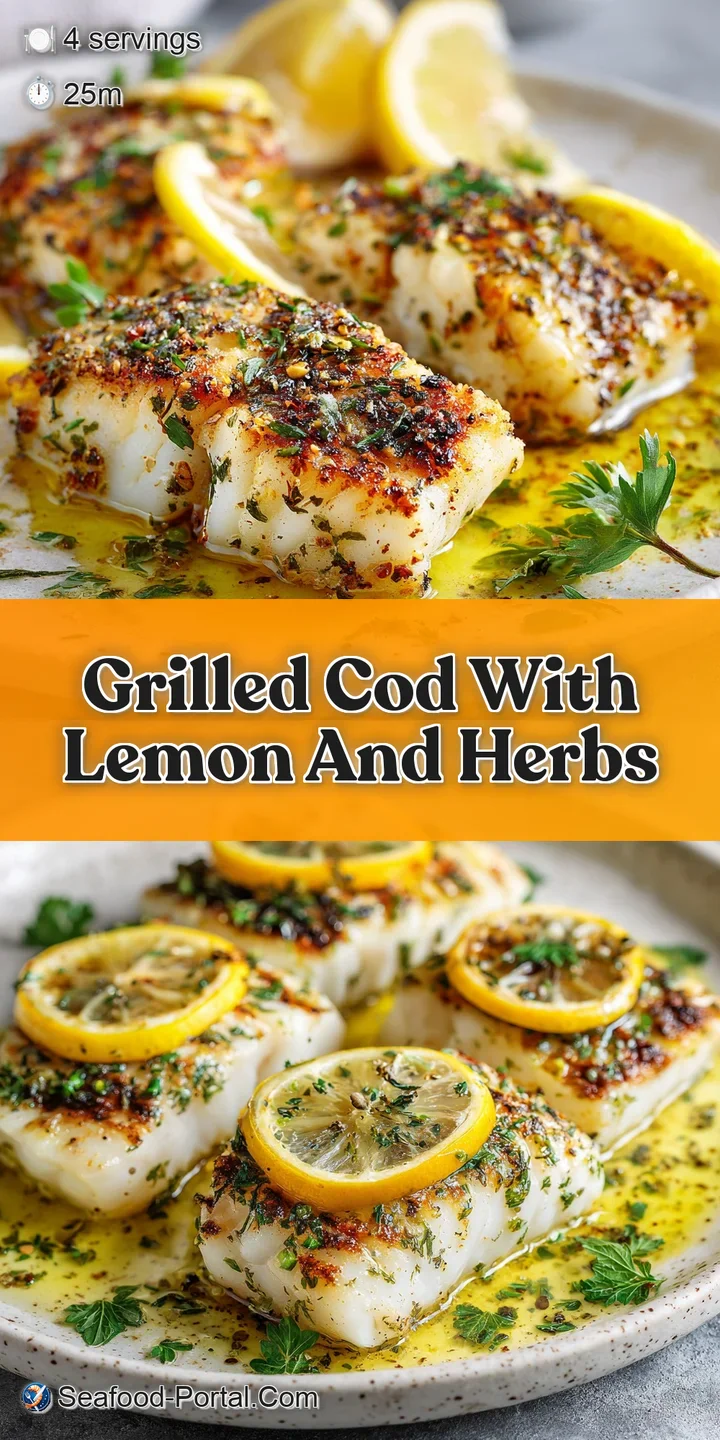
Grilled Cod with Lemon and Herbs
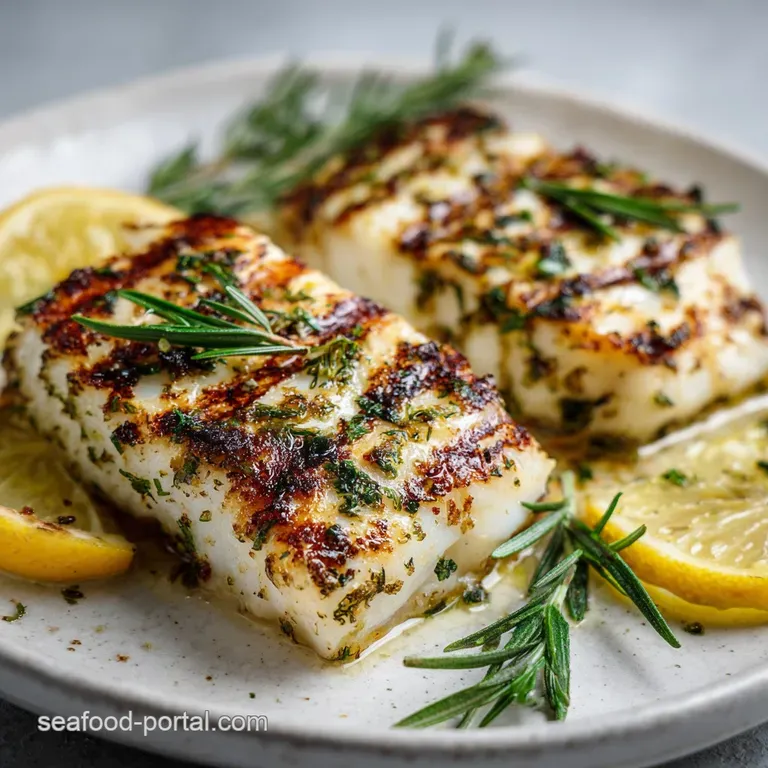
- Time: Active 15 minutes, Passive 10 minutes, Total 25 minutes
- Flavor/Texture Hook: Succulent, flaky white fish with a zesty, charred herb finish
- Perfect for: Low effort weeknight meals, healthy summer entertaining, or beginner friendly seafood prep
- Simple Grilled Cod with Lemon and Herbs
- The Science of Protein Cohesion
- Analyzing Essential Flavor Components
- Selecting Your Prime Ingredients
- Gear for Successful Searing
- Step by Step Cooking Guide
- Resolving Common Texture Issues
- Scaling the Recipe
- Debunking Kitchen Folklore
- Flavor Profiles and Variations
- Freshness and Storage Methods
- Creating the Perfect Plate
- High in Sodium
- Recipe FAQs
- 📝 Recipe Card
Simple Grilled Cod with Lemon and Herbs
The first time I tried to cook white fish over an open flame, it was a total disaster. I stood there, spatula in hand, watching helplessly as half of my dinner literally slipped through the grates and onto the coals. There's a specific, heartbreaking sizzle that happens when good seafood is lost to the fire.
It took me years of "oops" moments and messy grates to realize that cod isn't the enemy, my lack of preparation was.
This grilled cod recipe with lemon and herbs delivers a standout seafood dinner that finally solves the "sticky fish" problem. I remember one humid July evening when everything clicked.
I had patted the fillets bone dry, the grill was screaming hot, and as I laid the fish down, the sound was rhythmic rather than chaotic. The aroma of charred lemon rounds hitting the heat changed my entire perspective on outdoor cooking.
We aren't just tossing fish on a grill and hoping for the best here. We're using a specific combination of high smoke point oils and a bright, aromatic baste to build layers of flavor that don't overwhelm the cod. You'll get that satisfying, slightly firm exterior that gives way to a silky, tender center.
Trust me, once you see those clean grill marks and smell the toasted thyme, you'll never go back to pan frying.
The Science of Protein Cohesion
Understanding why cod behaves the way it does under heat is the secret to never losing a fillet to the grates again. Fish muscle fibers are much shorter than those in beef or chicken, and the "glue" holding them together (collagen) melts at much lower temperatures.
This is why fish flakes so easily, but it's also why it can fall apart if handled too much.
Thermal Sealing: Applying high initial heat causes the surface proteins to undergo the Maillard reaction, creating a structural "crust" that helps the fillet stay intact.
Albumin Regulation: Keeping the heat consistent prevents the "white gunk" (albumin) from being squeezed out too quickly, which preserves the internal moisture and prevents a dry, rubbery texture.
Acid Denaturation: The lemon zest provides flavor without the muscle tightening effect of pure juice, keeping the fish tender while the aromatics permeate the surface.
| Method | Time | Texture | Best For |
|---|---|---|---|
| Outdoor Grill | 8-10 mins | Charred, smokey | Traditional summer BBQ flavor |
| Stovetop Grill Pan | 10-12 mins | Crispy ridges | Year round cooking indoors |
| Cast Iron Skillet | 9 mins | Even golden crust | Maximum surface browning |
Choosing the right method depends on your comfort level with the flame. While the outdoor grill provides that classic char, a heavy cast iron skillet is a fantastic backup if the weather turns. Both methods rely on the same principle: don't touch the fish until it's ready to release naturally.
Analyzing Essential Flavor Components
Before we get to the prep, let's look at why these specific ingredients work together. It's not just about taste; it's about the chemistry of the sear and the preservation of that delicate cod texture.
| Ingredient | Science Role | Pro Secret |
|---|---|---|
| Avocado Oil | High Smoke Point | Brush the fish, not the grates, to prevent oil from burning and tasting bitter. |
| Sea Salt | Protein Binding | Salting 15 minutes early draws out surface moisture, which is the enemy of a good sear. |
| Lemon Zest | Non Reactive Acid | Contains essential oils that provide citrus punch without the "cooking" effect of citric acid. |
| Fresh Thyme | Volatile Oil Release | Thyme oils are heat stable, meaning they won't turn bitter over the high heat of the grill. |
When you combine these, you create a flavor map that hits every note. The cod provides the savory base, the salt enhances the natural sweetness of the seafood, the red pepper flakes add a tiny kick of heat, and the lemon and herbs provide the bright, high notes that cut through the rich olive oil.
Selecting Your Prime Ingredients
For this recipe, quality is everything. Since we aren't hiding the fish under a heavy sauce, every component needs to be fresh. I always look for "Dayboat" cod if possible, as it's typically the freshest catch available at the market.
- 4 Cod fillets: Approximately 6 oz / 170g each. Why this? Thick cut loins hold up better on the grill than thin tail pieces.
- 1.5 tsp Sea salt: Fine grain is best. Why this? Distributes evenly to draw out moisture and season every flake.
- 1 tsp Freshly cracked black pepper: Large shards. Why this? Adds a textured, spicy bite that stands up to the lemon.
- 2 tbsp Avocado oil: Or any over high heat oil. Why this? Prevents sticking at 450°F without smoking or burning.
- 3 tbsp Extra virgin olive oil: Use the good stuff here. Why this? Adds a velvety, peppery finish to the final baste.
- 2 cloves Garlic: Microplaned or finely minced. Why this? Smaller pieces infuse the oil faster without burning into bitter chunks.
- 1 tbsp Fresh lemon zest: From a bright yellow lemon. Why this? Delivers intense citrus aroma without the watery acidity of juice.
- 1 tbsp Fresh parsley: Finely chopped. Why this? Provides a clean, grassy finish that balances the garlic.
- 1 tsp Fresh thyme leaves: Stripped from the stem. Why this? Adds an earthy, woodsy depth that pairs perfectly with grilled seafood.
- 0.5 tsp Red pepper flakes: Adjust to your heat preference. Why this? Just enough "zing" to wake up the palate.
- 1 Lemon: Cut into thick rounds. Why this? These get grilled alongside the fish for a caramelized garnish.
If you find that your local market is out of cod, don't panic. You can easily adapt this by using the techniques found in my How to Make recipe for sea bass, which shares a similar flaky profile.
| Original Ingredient | Substitute | Why It Works |
|---|---|---|
| Cod Fillets | Halibut | Similar firm, white flesh. Note: Halibut is leaner, so don't overcook. |
| Fresh Thyme | Dried Oregano | Half the amount. Adds a more Mediterranean, earthy vibe. |
| Avocado Oil | Grapeseed Oil | Both have high smoke points and neutral flavors. |
| Fresh Parsley | Fresh Cilantro | Changes the profile to a more vibrant, "bright" finish. |
Whenever you swap ingredients, remember that the fat content might change. For example, using a fattier fish like salmon might require a shorter cook time but will be more forgiving if you leave it on the heat for an extra minute.
Gear for Successful Searing
You don't need a professional kitchen, but a few specific tools will make your life much easier. If you're nervous about the fish sticking, a well seasoned cast iron skillet placed directly on the grill grates is a foolproof "cheat code."
- Gas or Charcoal Grill: Set for direct, high heat.
- Long handled Fish Spatula: Flexible metal is essential for getting under the delicate fillets.
- Grill Brush: For cleaning the grates thoroughly before you start.
- Small Glass Bowl: To mix the herb basting oil.
- Internal Meat Thermometer: The only way to guarantee perfectly juicy fish every time.
Chef's Tip: Freeze your lemon for 10 minutes before zesting. It makes the skin firmer, allowing the microplane to shave off only the yellow zest without hitting the bitter white pith.
step-by-step Cooking Guide
Let's get into the actual cooking. The most important thing to remember is patience. Once that fish hits the grate, leave it alone. It will tell you when it's ready to be flipped.
1. The "Firm Up" Prep
Pat the 4 cod fillets dry with paper towels. Sprinkle the 1.5 tsp sea salt and 1 tsp black pepper over both sides. Note: Salt pulls moisture to the surface; patting it dry again right before grilling ensures a better sear.
2. Infusing the Aromatics
In a small bowl, whisk together the 3 tbsp extra virgin olive oil, 2 cloves minced garlic, 1 tbsp lemon zest, 1 tbsp parsley, 1 tsp thyme, and 0.5 tsp red pepper flakes. Note: Letting this sit for 10 minutes allows the flavors to meld.
3. Firing Up the Grate
Preheat your grill to medium high heat (about 400-450°F). Scrub the grates until they are completely free of old food debris.
4. The Searing Phase
Brush the cod fillets with the 2 tbsp avocado oil. Place the fish directly on the grates. Cook for 5 minutes until the edges are opaque and the fish releases easily from the grill.
5. The Finishing Baste
Carefully flip the fillets using a fish spatula. Immediately brush the grilled side generously with the lemon herb oil mixture.
6. The Lemon Char
Place the 1 lemon rounds onto the grill alongside the fish. Cook until the lemon has dark char marks and the fruit softens.
7. Checking for Doneness
Continue grilling the fish for another 3-5 minutes. The fish is done when the internal temperature reaches 145°F and the flesh flakes easily with a fork.
8. The Rest
Remove the fish and charred lemons from the grill. Let the cod rest for 3 minutes before serving. Note: This allows the juices to redistribute so the fish stays moist.
If you find yourself making this often and want to try other techniques, you can see how this compares to our other Fish Recipes which focus on stovetop methods for that perfect brown butter finish.
Resolving Common Texture Issues
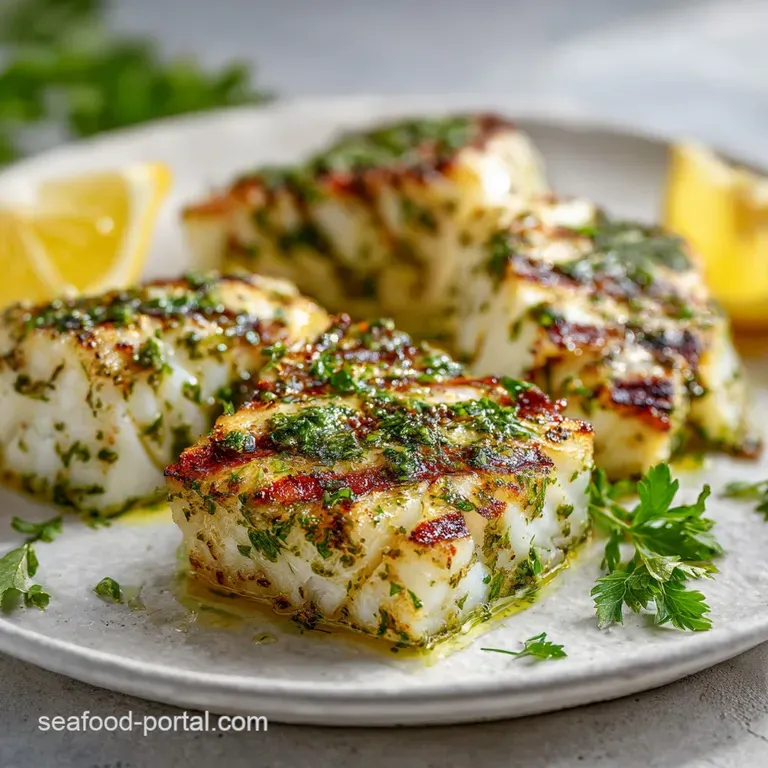
Even the best cooks run into trouble sometimes. Seafood is temperamental, but most issues are caused by either temperature or moisture.
Why is my cod sticking?
Sticking usually happens because the grill wasn't hot enough or the fish was too wet. When cold, wet fish hits a over medium heat grate, the proteins bond to the metal instead of searing. Make sure your grill is preheated for at least 15 minutes, and never skip the paper towel pat down.
Why is the fish rubbery?
Overcooking is the primary culprit here. Cod is very lean, meaning there isn't much fat to keep it moist if it goes past 145°F. Use a thermometer! Also, avoid putting lemon juice on the fish before it hits the grill, as the acid can start to "cook" the proteins, making them tough before they even see a flame.
| Problem | Root Cause | Solution |
|---|---|---|
| Fish falls apart | Grates are dirty or un oiled | Clean grates with a wire brush and use a over high heat oil on the fish. |
| No grill marks | Grill temperature too low | Wait until the grill reaches at least 400°F before adding the fish. |
| Garlic tastes bitter | Garlic burned in the oil | Mince garlic finer and only brush on the herb oil after flipping. |
Common Mistakes Checklist:
- ✓ Skipping the preheat: Always wait for the grill to reach full temperature.
- ✓ Flipping too early: If the fish resists, it’s not ready. Wait another 60 seconds.
- ✓ Using low smoke point oil: Butter or cheap vegetable oil will burn and ruin the flavor.
- ✓ Overcrowding: Leave at least 2 inches between fillets for proper air circulation.
- ✓ Forgetting the rest: Let the fish sit for 3 minutes to lock in the silky texture.
Scaling the Recipe
Adjusting this recipe for a larger crowd or a solo dinner is quite simple, though the physical space on the grill is your biggest constraint.
Downscaling (1-2 People): Cut the ingredients in half, but keep the herb oil measurements the same. It's much easier to have a little extra basting oil than to try and mince half a clove of garlic. Use a smaller section of the grill to maintain heat concentration.
Upscaling (8-10 People): When doubling or tripling the recipe, don't just double the red pepper flakes start with 1.5x the amount and taste. Spices can become overwhelming when scaled linearly. Most importantly, work in batches.
If you crowd the grill, the temperature will drop, and you'll end up steaming the fish rather than grilling it.
| Servings | Cod Amount | Total Herb Oil | Grill Prep |
|---|---|---|---|
| 2 People | 2 Fillets | 2 tbsp | Small direct heat zone |
| 4 People | 4 Fillets | 4 tbsp | Full direct heat zone |
| 8 People | 8 Fillets | 7 tbsp | Work in 2 batches |
Debunking Kitchen Folklore
There are plenty of myths surrounding seafood that make people afraid to try it at home. Let's clear some of those up right now.
Myth: You should only use fresh, never frozen fish for grilling. Truth: high-quality "flash frozen" cod is often fresher than the "fresh" fish that has been sitting in a display case for three days. Just ensure you thaw it completely in the fridge and pat it extremely dry.
Myth: Searing "seals in" the juices. Truth: Searing doesn't create an impermeable barrier. It creates flavor through the Maillard reaction. The juices stay inside because you didn't overcook the internal proteins to the point where they squeezed out all their water.
Myth: You have to oil the grill grates. Truth: Oiling the grates often leads to the oil smoking and polymerizing into a sticky residue. It's much more effective to oil the food itself. This creates a barrier exactly where it's needed without the mess.
Flavor Profiles and Variations
Once you have the basic technique down, you can start playing with the aromatics. The cod is a blank canvas, so it takes well to various global profiles.
The Mediterranean Twist
Swap the thyme for dried oregano and add a tablespoon of briny capers to the basting oil. Serve it alongside some grilled artichokes and a dollop of thick tzatziki for a meal that feels like a Greek vacation.
The "Imperial" Heat
If you like things spicy, increase the red pepper flakes and add a teaspoon of smoked paprika to the oil. This gives the fish a deep, reddish hue and a subtle "char" flavor even if you're using a stovetop pan.
dairy-free vs. Butter Rich
While this recipe uses extra virgin olive oil for a clean, heart healthy finish, you can absolutely swap the finishing oil for melted ghee or browned butter. The milk solids in butter will caramelize on the fish, creating a much richer, nuttier flavor profile.
For a completely different flavor direction, you might try a more complex sauce like the ones found in our Bbq Seafood Sauces recipe, which offers tangier, glaze like options.
Freshness and Storage Methods
Seafood is always best eaten immediately, but life happens. If you have leftovers, they can be repurposed beautifully.
Storage: Keep cooked cod in an airtight container in the fridge for up to 2 days. I don't recommend freezing cooked cod, as the texture becomes quite grainy upon thawing.
Reheating: Avoid the microwave! It will turn your succulent fish into a rubber eraser. Instead, place the fillets in a covered skillet with a splash of water or broth over low heat for 4-5 minutes until just warmed through.
Zero Waste Tip: Don't throw away those charred lemon rounds! Squeeze the remaining juice into a jar with some olive oil and salt to make a "smoked lemon" vinaigrette for your salad the next day.
Any leftover flaked fish makes an incredible base for chilled fish tacos or a high protein addition to a Caesar salad.
Creating the Perfect Plate
To really make this meal shine, think about textures. The cod is soft and flaky, so I love serving it with something that has a bit of a crunch or a toothsome bite.
A quick weeknight side like garlic rubbed grilled sourdough or a crisp cucumber salad works wonders. If you have the grill going anyway, throw on some asparagus spears or halved zucchini. The smoke from the grill will tie the whole plate together.
For a more substantial meal, a bed of lemon zest quinoa or a simple herbed couscous absorbs the leftover basting oil beautifully. No matter what you choose, keep it light the beauty of this cod is its simplicity.
High in Sodium
868 mg mg of sodium per serving (38% % of daily value)
The American Heart Association recommends limiting sodium intake to about 2,300mg per day for most adults. Consider that even seemingly small amounts of sodium can add up throughout the day.
Tips to Reduce Sodium in This Cod Recipe
-
Reduce Sea Salt-25%
The most significant source of sodium is the 1.5 tsp of sea salt. Try reducing it to 0.75 tsp or even 0.5 tsp. Taste and adjust seasonings carefully, adding more only if absolutely necessary.
-
Lemon Power-10%
Enhance the lemon flavor by using the juice of half a lemon in addition to the zest. The acidity brightens the dish and can help compensate for less salt.
-
Spice It Up-5%
Increase the amount of black pepper and red pepper flakes. A little extra spice can distract from the lack of salt and add complexity.
-
Herb Explosion
Use a generous amount of fresh herbs like parsley and thyme. Herbs add flavor depth and aroma without any sodium.
Recipe FAQs
What is the best way to prepare cod for grilling to prevent sticking?
Pat the cod fillets completely dry with paper towels. Sticking often happens when the grill isn't hot enough or the fish is too wet; the proteins bond to the metal instead of searing. Ensure your grill is preheated and then oil the fish itself, not the grates.
How do I know when my grilled cod is cooked through without overcooking it?
Use an internal meat thermometer to check for 145°F. Cod is lean and can easily become rubbery if overcooked. The flesh should also flake easily with a fork when done.
Can I use frozen cod instead of fresh for this recipe?
Yes, high-quality flash frozen cod can be used. Ensure it's thawed completely in the refrigerator and then pat it extremely dry, as moisture is the enemy of a good sear.
What other types of white fish can I grill using this lemon and herb method?
Halibut or sea bass are excellent substitutes. Like cod, these fish have a firm, flaky white flesh that holds up well to grilling. If you enjoyed mastering the technique here, see how the same grilling principles apply in our How to Make the Best Grilled King Prawns with Homemade Pesto.
Why does my grilled fish sometimes fall apart on the grates?
This usually occurs due to dirty or un-oiled grates, or flipping the fish too early. Ensure your grates are scrubbed clean and that the fish is releasing naturally from the grate before attempting to flip it; if it resists, give it another minute.
How should I store leftover grilled cod?
Store cooked cod in an airtight container in the refrigerator for up to 2 days. Avoid microwaving for reheating; instead, warm it gently in a covered skillet with a splash of water or broth over low heat to preserve its texture.
What sides pair well with grilled cod with lemon and herbs?
Serve with something that offers a contrasting texture, like grilled asparagus or a crisp cucumber salad. For a more substantial meal, consider lemon zest quinoa or herbed couscous. This dish also pairs wonderfully with a vibrant Dreamy Seafood Sauce: Your Versatile King of the Sea for an extra layer of flavor.
Grilled Cod Lemon Herbs
Ingredients:
Instructions:
Nutrition Facts:
| Calories | 298 kcal |
|---|---|
| Protein | 31.2 g |
| Fat | 18.4 g |
| Carbs | 1.2 g |
| Fiber | 0.3 g |
| Sugar | 0.2 g |
| Sodium | 868 mg |
