How to Grill Flounder Like a Pro: No Sticking!
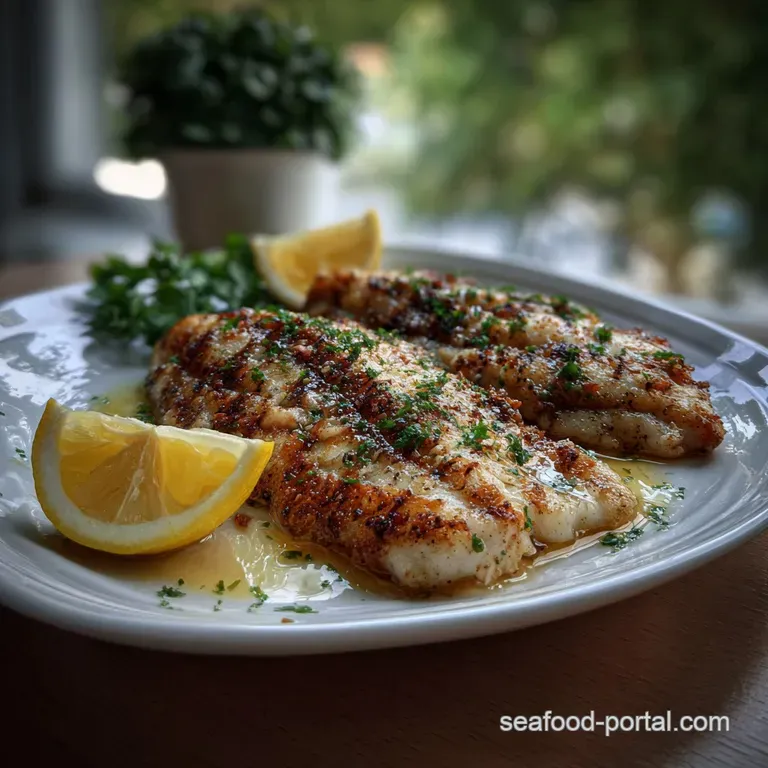
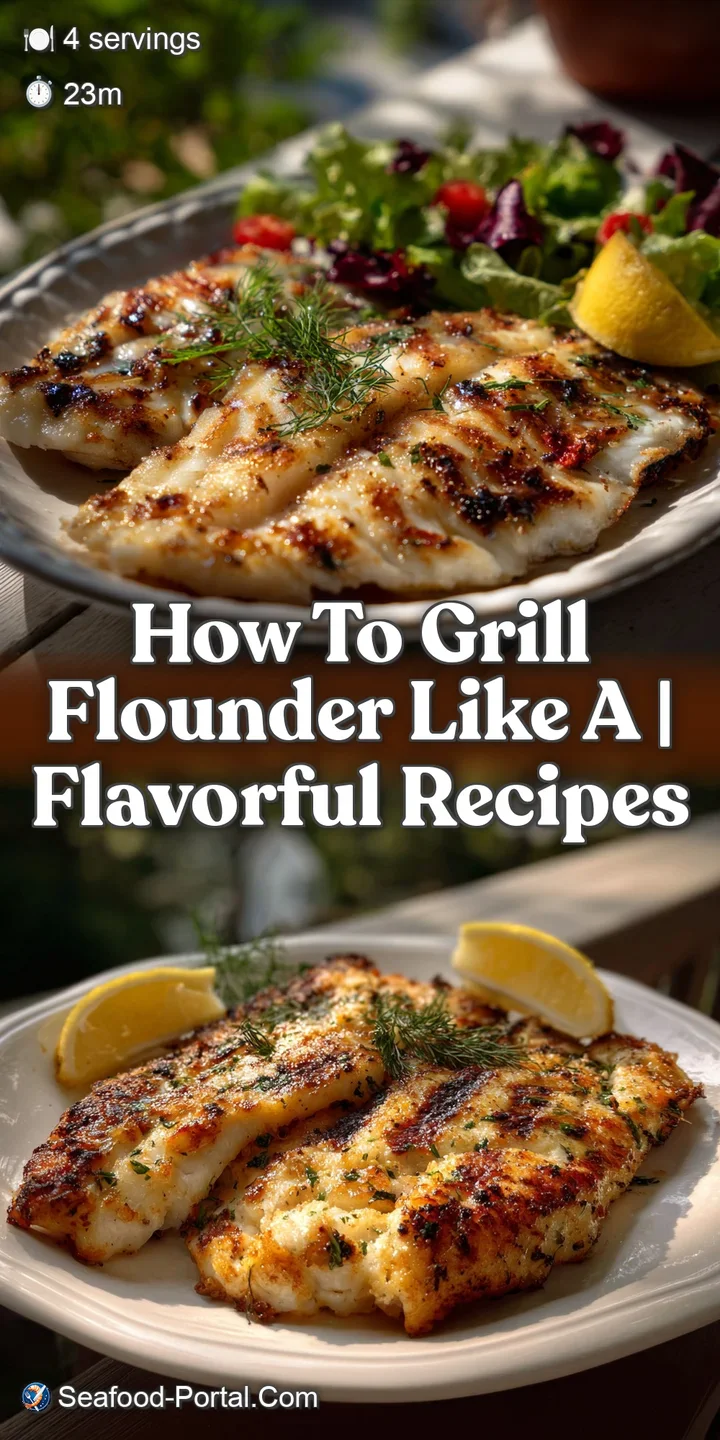
- Effort/Time: Minimal effort; 23 minutes total.
- Flavor Hook: Charred citrus zest meets velvety garlic-infused butter.
- Perfect for: High-protein weeknight dinners or elegant outdoor hosting.
- How to Grill Flounder Like a Pro: The Masterclass
- Why This Works: The Science of Delicate Seafood
- Essential Ingredients and Smart Substitutions
- Step-by-Step: How to Grill Flounder Like a Culinary Expert
- Pro Tips and Mistakes to Avoid
- Storing, Freezing, and Reheating Instructions
- Serving Suggestions and Wine Pairings
- Recipe FAQs
- 📝 Recipe Card
How to Grill Flounder Like a Pro: The Masterclass
The sharp hiss as cold fish hits a searing Lodge Cast Iron Grill Press or grate is the sound of success. For years, I struggled with flounder, watching beautiful fillets shatter into a pile of white flakes because I flipped them too early or didn't understand the heat.
It was a soggy, frustrating mess that made me avoid grilling delicate white fish altogether.
But once I understood the science of protein denaturation and the importance of a high smoke-point barrier, everything changed. We aren't just heating food; we are managing a delicate chemical transition.
When you learn how to grill flounder like a seasoned chef, you stop fighting the grill and start using the physics of heat to your advantage.
Trust me, once you see that golden brown crust form and feel the fish slide effortlessly off the grates, you’ll never go back to pan-searing. Let’s crack on with the technical side of why this method is unbeatable.
Why This Works: The Science of Delicate Seafood
- Protein Coagulation Control: Flounder consists of short muscle fibers (myotomes) held by weak connective tissue (myocommata). High heat quickly denatures these proteins, creating a firm structure before the moisture can evaporate.
- The Maillard Reaction: By patting the 4 Flounder Fillets bone dry, we ensure energy goes into browning amino acids rather than boiling surface water.
- Thermal Barrier: The 2 tbsp Lucini Extra Virgin Olive Oil creates a hydrophobic layer that prevents the fish's proteins from bonding with the metal grates at a molecular level.
Understanding Flounder’s Unique Texture
Flounder is a lean, flatfish with very little collagen compared to salmon or swordfish. This means it lacks the "glue" to hold it together under intense, prolonged heat. When you Grill Flounder Like a Pro, you must respect its fragility by using a "hot and fast" approach.
This isn't a slow roast situation; it's a sprint to achieve a smoky char while the interior remains velvety.
The Power of Lemon Garlic Infusion
Using 1 tbsp fresh lemon juice and 1 tsp lemon zest isn't just for flavor. The citric acid begins a light "cooking" process (similar to ceviche) on the surface, while the 1 tsp Diamond Crystal Kosher Salt draws out just enough moisture to tighten the flesh.
This creates a more resilient fillet that can withstand the flip.
Achieving Smoky Char Without Overcooking
The secret lies in the 8 minute cook time. Because flounder fillets are thin (approx. 6 oz each), the carry over heat is significant. If you wait until the fish looks "done" on the grill, it will be dry by the time it hits the plate.
We pull it when it's just opaque, allowing the Kerrygold Unsalted Butter to finish the job as it rests.
Essential Ingredients and Smart Substitutions
Selecting the Best Flounder Fillets
Look for fillets that are translucent and firm. If they look milky or have a "fishy" odor, the proteins have already begun to break down. For this recipe, 4 Flounder Fillets (170g each) provide the ideal surface area-to-volume ratio for maximum char and internal moisture.
Pantry Staples for the Citrus Herb Rub
We use 1/2 tsp McCormick Sweet Paprika for color and a mild earthy note, along with 1/2 tsp freshly cracked black pepper for a sharp counterpoint to the rich butter. The 1 tbsp fresh parsley and 1/2 tsp dried oregano provide the aromatic "high notes" that cut through the fat.
The Science Behind Extra Virgin Olive Oil
- What It Does
- Acts as a heat transfer medium and lubricant.
- The Chemistry
- The monounsaturated fats in Lucini EVOO have a high enough smoke point for a quick sear while providing a barrier against protein-to-metal bonding.
- Why This Matters
- It prevents "tearing," ensuring your fillet stays whole and visually stunning.
The Science Behind Fresh Lemon Juice
- What It Does
- Brightens flavor and alters protein structure.
- The Chemistry
- Acid induced denaturation tightens the protein network on the surface of the fish.
- Why This Matters
- It creates a "skin like" firmness on skinless fillets, making them easier to handle.
The Science Behind Garlic (Allicin)
- What It Does
- Adds pungent, savory depth.
- The Chemistry
- When the 3 cloves of garlic are minced, the enzyme alliinase converts alliin into allicin, which mellows into sweet, nutty compounds when combined with the 4 tbsp melted butter.
- Why This Matters
- It creates a complex flavor profile that masks any slight "muddiness" common in some flatfish.
Substitutions for Herbs and Aromatics
| Original Ingredient | Substitute | Why It Works |
|---|---|---|
| Sweet Paprika | Smoked Paprika | Adds a deeper, wood fired flavor profile. |
| Fresh Parsley | Fresh Cilantro | Changes the profile to a bright, citrus forward "Baja" style. |
| Unsalted Butter | Ghee (Clarified Butter) | Higher smoke point; safer for very over high heat grilling. |
| Dried Oregano | Dried Thyme | Provides a more floral, earthy aroma that pairs well with lemon. |
step-by-step: How to Grill Flounder Like a Culinary Expert
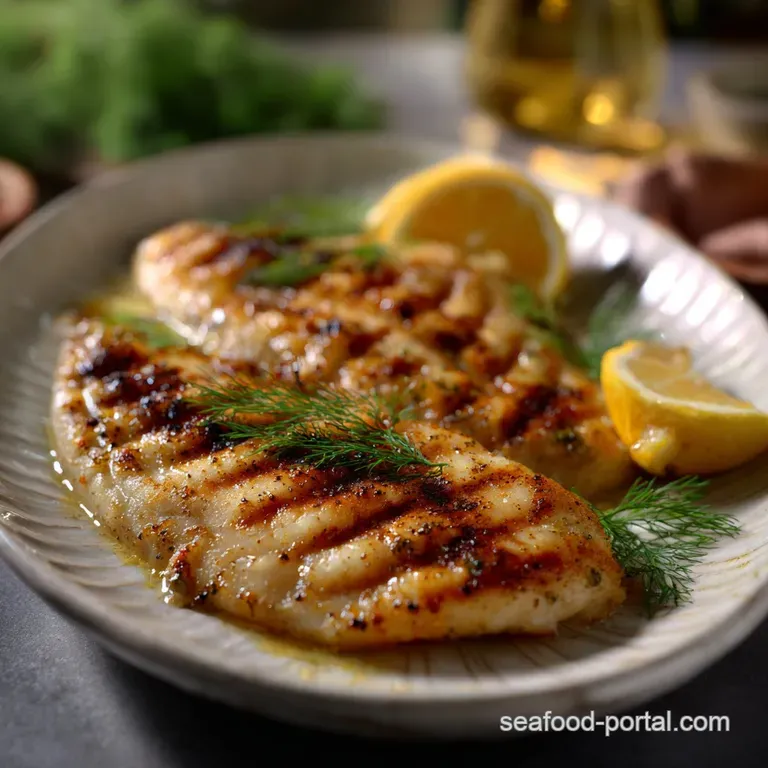
Preparing the Fish and Grill Grates
Clean your Weber Gas Grill or charcoal grates thoroughly with a wire brush. Residual carbon is the primary cause of sticking.
- Dry the Fillets: Use paper towels to remove every trace of moisture from the 4 Flounder Fillets. Note: Surface moisture creates steam, which prevents the Maillard reaction (browning) from occurring.
- Season and Coat: Rub the fillets with 2 tbsp Lucini EVOO, then sprinkle evenly with 1 tsp Diamond Crystal Kosher Salt, 1/2 tsp pepper, and 1/2 tsp paprika. Note: Salt draws out moisture; season immediately before grilling to prevent the fish from becoming "weepy."
- Prepare the Baste: In a small Le Creuset Saucepan, melt 4 tbsp Kerrygold Butter with 3 cloves minced garlic, 1 tbsp lemon juice, 1 tsp zest, 1 tbsp parsley, and 1/2 tsp oregano. Note: Emulsifying the lemon juice into the butter prevents the acid from "breaking" the sauce too quickly.
- Preheat to High: Aim for 400°F to 450°F. Note: High initial heat is required to sear the proteins before they can "seize" onto the grates.
Mastering the Flip with a Grill Basket
If you are new to learning to Grill Flounder Like a Pro, a fish basket is your best friend. If going direct on the grates, use the "No-Touch" rule.
- Place the Fish: Lay the fillets diagonally across the grates. Note: Diagonal placement increases surface contact for better grill marks.
- The First Sear: Cook for 4 minutes without moving them. Note: The fish will naturally release from the grate once the proteins have fully coagulated and charred.
- The Precision Flip: Using a wide Oxo Fish Turner, gently lift and flip. Note: If you feel resistance, wait 30 seconds; the "shatter" happens when you force a flip.
- Baste Generously: Spoon the garlic butter mixture over the charred side of the fish. Note: The fat will flare up slightly, adding a "kiss" of flame licked flavor.
Determining Perfect Doneness and Flakiness
- The Final Sear: Cook for an additional 3–4 minutes. Note: Flounder is done when it reaches an internal temperature of 145°F, or when it flakes easily with a fork.
- Resting Period: Remove to a warm plate and pour any remaining butter sauce over the top. Note: Resting for 2 minutes allows the juices to redistribute, ensuring a "velvety" mouthfeel.
This grilled flounder pairs beautifully with a hearty bowl of Cozy Clam Chowder Soup Recipe Classic: Smoky & Thick Finish if you're looking for a full coastal feast. The smokiness of the grill complements the bacon notes in the chowder.
Pro Tips and Mistakes to Avoid
When learning how to grill flounder like a master, remember that temperature control is everything. If the grill is too cold, the fish will stick. If it's too hot, the butter in your baste will burn and become bitter.
Chef's Tip: Freeze your 4 tbsp of butter for 10 minutes before melting it with the garlic. This slower melt rate allows the garlic to infuse more deeply without the milk solids in the butter browning too quickly (becoming "beurre noisette" prematurely).
Common Pitfalls When Grilling Thin White Fish
| Problem | Root Cause | Solution |
|---|---|---|
| Fish sticks and tears | Grates were cold or dirty | Clean grates while hot; oil the fish, not the grill. |
| Flesh is rubbery | Overcooked (internal temp >150°F) | Use a Thermapen to pull fish at 140°F; carry over hits 145°F. |
| Butter sauce tastes bitter | Garlic burned in the flame | Add the garlic butter baste only after the flip to limit direct flame exposure. |
Common Myths
- Myth: You must leave the skin on to grill flounder.
- Truth: While skin provides a safety net, a properly oiled and seared skinless fillet will develop a "crust" that is just as stable.
- Myth: You should flip the fish multiple times.
- Truth: Every flip increases the chance of the delicate protein structure failing. Flip once, and only once, when you Grill Flounder Like a Pro.
Storing, Freezing, and Reheating Instructions
How to Grill Flounder Like a Pro also means knowing how to handle leftovers. While fresh is best, you can preserve that smoky flavor.
- Storage: Store leftovers in an airtight glass container for up to 2 days. The fats in the butter will solidify; this is normal.
- Freezing: I do not recommend freezing grilled flounder. The delicate cell walls of the fish, already weakened by heat, will rupture during the freezing process, resulting in a "mushy" texture upon thawing.
- Reheating: Avoid the microwave it turns the fish into rubber. Instead, place the fillets in a cold oven and set it to 325°F. As the oven preheats, the fish warms gently. Remove once the butter sizzles.
If you enjoy this texture but want something more substantial, you might want to learn How to Grill Blue Fish Perfectly: Smoky Citrus Flake, which handles higher heat even better due to its higher oil content.
Serving Suggestions and Wine Pairings
How to Grill Flounder Like a Pro Without Tearing
Presentation is key. Serve the fillets on a pre-warmed platter. The contrast of the white flakes against the vibrant 1 tbsp parsley and yellow 1 tsp lemon zest makes the dish pop.
Best Sides and Beverage Pairings for Flounder
- Sides: Grilled asparagus or a light quinoa salad. The acidity in the fish's lemon rub demands a side that isn't overly heavy.
- Wine: A crisp Sauvignon Blanc or a Vermentino. The high acidity and citrus notes in these wines mirror the lemon in the recipe and cut through the richness of the 4 tbsp butter.
- Beer: A light Pilsner or a Wheat Ale. Avoid heavy IPAs, as the hops will overwhelm the delicate flavor of the flounder.
If you find yourself with extra fillets and want a different texture, check out How to Make Fried Cod Fillets: The Crispy Secret for a masterclass in batter based crunch.
Learning how to grill flounder like a pro is about confidence and chemistry. By controlling the moisture, respecting the "natural release" of the proteins, and using high-quality fats like Lucini EVOO and Kerrygold Butter, you transform a simple piece of fish into a technical triumph.
Happy grilling!
Recipe FAQs
What temperature should the grill grates be before searing the flounder?
High heat, around 450°F to 500°F. Searing requires intense, direct heat to rapidly set the exterior proteins and develop char. Insufficient heat causes the delicate flesh to steam and stick irreversibly.
Can I grill frozen flounder fillets without thawing them first?
No. Cooking from frozen results in uneven texture. Frozen fish will cook only partially on the outside before the interior is still raw, creating a textural dichotomy. The rapid heat required will burn the exterior before the core reaches safe temperature.
Is oiling the fish or the grates more critical for non-stick grilling?
Oiling the grates is significantly more critical. Oil applied directly to the hot metal forms a temporary, high temperature barrier between the protein and the grate surface. Oiling the fish often causes the coating to drip away before searing sets the crust.
What is the "natural release" technique for delicate fish?
Let the fish rest undisturbed until it naturally releases. This phenomenon occurs when the protein structure has fully set against the grate and moisture migration stops, signaling readiness. For an alternative preparation emphasizing lemon butter, see our RestaurantQuality Stuffed Flounder Florentine with Lemon Butter Sauce.
What internal temperature must flounder reach to be safe?
145°F (63°C) monitored at the thickest point. This temperature ensures pathogen destruction according to FDA standards, yielding opaque and flaky results. Overcooking rapidly dries the lean flesh, sacrificing the melt-in-your mouth texture.
Should I use olive oil or clarified butter for the initial sear?
Clarified butter provides superior flavor without burning. Olive oil has a lower smoke point than ghee or clarified butter, meaning it burns off before the high heat sear is complete. Clarified butter retains the dairy notes while resisting thermal breakdown.
Myth: Heavy aluminum foil planks prevent sticking better than direct grates.
Myth: Heavy aluminum foil planks prevent sticking better than direct grates. Reality: Foil insulates the fish, preventing direct contact needed for the Maillard reaction and charring, resulting in steamed fish instead of grilled.
This method relies on high heat searing for authentic grilled flavor.
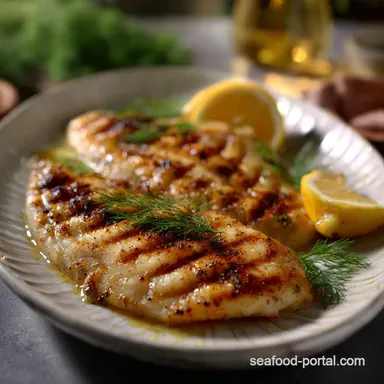
Grill Flounder Like A Pro
Ingredients:
Instructions:
Nutrition Facts:
| Calories | 318 kcal |
|---|---|
| Protein | 32.4 g |
| Fat | 20.2 g |
| Carbs | 1.4 g |
| Fiber | 0.2 g |
| Sugar | 0.1 g |
| Sodium | 615 mg |
