The Perfect Sear Flashgrilled Ahi Tuna Steaks with Zesty Gingersoy Glaze
Mastering the Ultimate Crust on Ahi Tuna
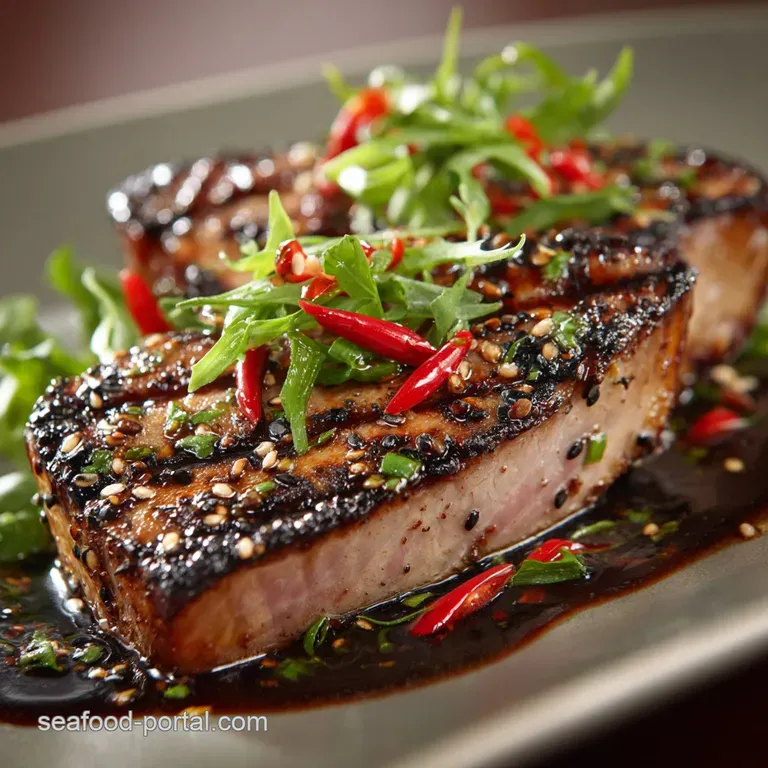
Few dishes possess the instant elegance and clean flavor profile of perfectly executed Ahi tuna. This recipe is dedicated to achieving the holy grail of Grilled Ahi Tuna Steaks : a magnificent, crisp crust on the exterior, often seasoned with a generous layer of black sesame, juxtaposed against a cool, vibrant center.
While the preparation is swift the entire cooking process takes less than ten minutes the technique demands respect. We are employing high heat searing, turning the grill into a culinary blast furnace designed specifically to produce exceptional seared ahi tuna steaks that rival any upscale restaurant offering.
Mastering this method means understanding precision, from ingredient selection to the final, critical moment of resting.
How to Select Restaurant Quality Tuna Steaks
The success of any Fresh Tuna Steak Recipes hinges entirely on the quality of the fish. Since we intentionally aim for a rare or medium rare result, using the absolute freshest product available is non-negotiable.
Always seek out Ahi (often referred to as Yellowfin) tuna labeled as "sushi grade" or "sashimi grade." This designation confirms the fish has been handled, frozen, and stored according to strict guidelines, making it safe for raw consumption.
When selecting the cut, look for steaks that are uniform, bright ruby red (not dull brown or milky), and possess minimal sinew. For optimum results in this high heat Grilled Ahi Tuna Recipe , ensure the steaks are substantial, ideally 1 to 1.25 inches thick.
This thickness provides the necessary thermal buffer, allowing you enough time to develop a crust on the outside without overcooking the delicate interior.
Defining "Blue": Understanding the Perfect Internal Doneness
When cooking tuna quickly over high heat, internal temperature is the only reliable indicator of doneness. Forget the traditional meat thermometer readings; tuna is handled differently.
The ideal finish for these Grilled Ahi Tuna Steaks is rare what some chefs refer to as "blue." This means the center is just warmed, but remains cool, soft, and essentially raw.
For this desired finish, the steak should be pulled from the heat when the internal temperature registers 115° F ( 46° C). If you prefer a slightly warmer, more yielding interior, aim for medium rare, pulling the tuna at 125° F ( 52° C).
Unlike beef or poultry, Ahi tuna benefits from a short but crucial rest period, which allows the heat to equalize throughout the steak, creating a beautiful transition from crust to center.
Essential Components for Flash Grilled Ahi Tuna Steaks
Transitioning to the kitchen and the grill setup, the focus shifts to maximizing heat delivery and minimizing sticking. This recipe requires speed and preparation; the faster the searing process, the more successful your Grilled Tuna Steaks Recipes will be.
Must Have Grill Equipment for High Heat Searing
A perfect sear requires serious heat. Whether you are preparing bbq ahi tuna steaks over charcoal or focusing on grilled ahi tuna steaks on gas grill , the temperature target is screaming hot at least 500° F ( 260° C).
This high heat is achieved most reliably with a quality gas or charcoal unit. On top of that,, a non-stick surface is paramount. Before oiling, the grates must be aggressively cleaned with a stiff wire brush to remove any residual build-up that could cause the fish to tear when flipping.
Finally, an instant read meat thermometer is not merely helpful; it is essential for achieving the precision doneness described above. Confidence in cooking comes from measuring, and on an item that cooks in minutes, that gauge is indispensable.
Swapping Ingredients: Alternatives for the Glaze and Marinade
The quick Ginger Soy Glaze provides a bright, umami rich counterpoint to the clean flavor of the grilled yellowfin tuna steaks . This mixture relies on low-sodium soy sauce, toasted sesame oil, and unseasoned rice vinegar for its base.
If you need to make substitutions, rest assured the recipe remains flexible. Maple syrup or agave nectar can seamlessly replace the honey or brown sugar used to balance the salty acidic elements.
Should rice vinegar be unavailable, apple cider vinegar provides an adequate acidic substitution, though it introduces a slightly fruitier note that subtly alters the traditional Asian profile.
Similarly, while black sesame seeds provide the best visual contrast and texture for the crust, coarsely ground black pepper or dried onion flakes offer acceptable alternatives if necessary.
Prepping the Steaks: Thickness, Temperature, and Moisture Control
Proper preparation ensures the grill heat hits the protein efficiently. As noted, steaks should be between 1 and 1.25 inches thick. Before applying the marinade, it is vital to pat the tuna steaks thoroughly dry using paper towels.
Surface moisture turns to steam when it hits the hot grate, which dramatically cools the cooking surface and prevents the formation of that crisp crust we desire. For optimal results, allow the steaks to marinate in the soy mixture at room temperature for the full 20 minutes before grilling.
Crucially, do not extend this time past 30 minutes; the acid in the vinegar and soy sauce will begin to chemically "cook" the fish, diminishing its delicate texture.
Related Recipes Worth Trying
- SesameCrusted Ahi Tuna Steak Easy PanSeared Perfection in 15 Minutes — Master this Pan Seared Ahi Tuna Steak recipe in under 20 minutes Get the perfect sesame crust and rare centre with this Ahi Tuna Recipe Easy method Minimal...
- Grilled Argentine Red Shrimp with Pistachio Chimic Sweet Smoky and Quick — Try this brilliant Grilled Argentine Red Shrimp with Pistachio Chimic The unique nutty chimichurri elevates sweet prawns into a showstopper ready in under...
- Perfect Seared Ahi Tuna with Marinade Zesty SoySesame Crust — Master the Seared Ahi Tuna with Marinade recipe Achieve a thin flavourpacked crust and rubyred centre in just 35 minutes Our Ahi Tuna Steak Recipe Seared is...
step-by-step Guide to Perfectly Seared Ahi
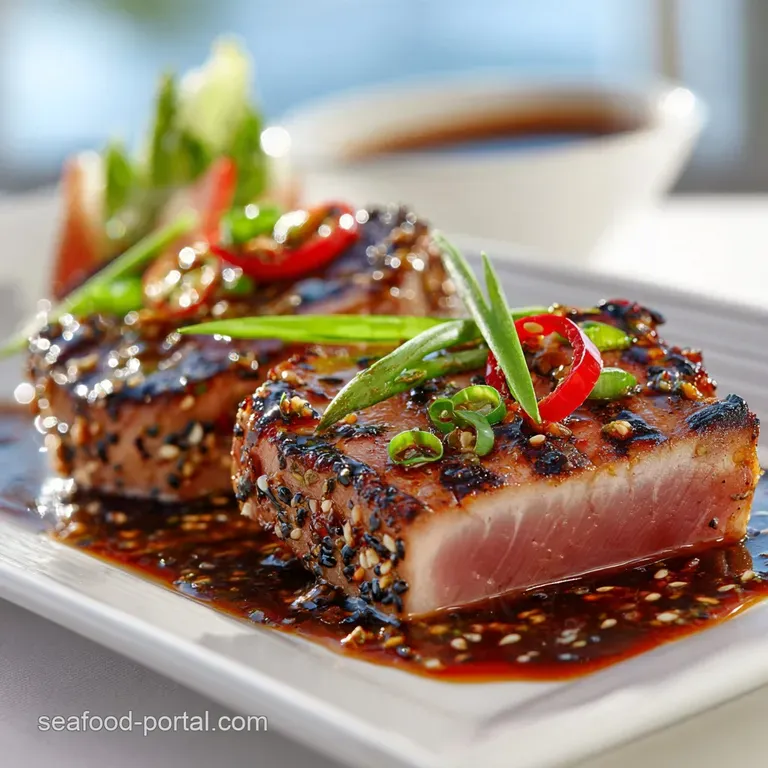
The execution phase is where this Ahi Tuna Steak Recipe separates itself from the rest. Timing is everything, and the process is broken down into three efficient stages: flavor infusion, heat preparation, and rapid searing.
Infusing Flavor: Crafting the Quick Ginger Soy Glaze
The beautiful crust begins with the marinade. To craft the Ginger Soy Glaze, whisk together low-sodium soy sauce, toasted sesame oil, rice vinegar, finely grated fresh ginger, minced garlic, honey, and black pepper.
The most important step here for food safety and presentation is reserving a portion: pour 2 tablespoons of this fresh glaze into a separate container before it touches the raw tuna.
This reserved portion will be gently warmed later and drizzled over the finished, sliced fish, ensuring a pure, clean flavor without cross contamination. The remaining marinade is then used to quickly coat the prepared steaks before they head to the grill.
Achieving Maximum Heat: Setting Up Your Grill for Speed
As established, achieving maximum heat is non-negotiable. If using a gas grill, crank all burners to high and close the lid for at least 10 minutes to reach and maintain a temperature of 500° F ( 260° C) or higher.
After cleaning the grates, use a pair of tongs to carefully rub a folded paper towel dipped in high heat oil (such as grapeseed or avocado) across the hot metal. This final oil application acts as a barrier, preventing the tuna's protein from bonding with the metal and ensuring a clean release and perfect grill marks.
Just before placing the steaks, gently brush them with a light coating of high heat oil and press the black sesame seeds onto the top and bottom surfaces to form the perfect crust.
The 90-Second Rule: Precision Timing for Rare Tuna
When the steaks hit the grate, the clock starts instantly. The total cook time for rare tuna is often under five minutes, requiring absolute precision. Grill the Ahi tuna steaks for 2 to 3 minutes per side. For a cool, rare center, target 2 minutes 30 seconds per side.
If your grill is truly blistering hot, you should see a magnificent sear and crust forming rapidly, confirming the success of your high heat setup. Use a kitchen timer for these critical minutes it is the best tool to prevent overcooking this quick searing fish.
Immediately transfer the steaks to a cutting board and allow them to rest for 5 minutes before slicing against the grain into ½-inch thick pieces. While resting, gently warm the reserved glaze to finish the dish.
Troubleshooting Common Ahi Tuna Grilling Challenges
The main pitfalls when preparing Grilled Ahi Tuna Steaks relate to heat management and timing. The most common complaint is a "dry" steak, which is always the result of overcooking.
Because the margin for error is so small, if you notice the edges are rapidly turning grey and thickening past the quarter inch mark, remove the steak immediately, even if the timing isn't perfect. Another frequent issue is sticking.
If the steaks adhere to the grates, it means the heat wasn't high enough, the grates weren't properly cleaned, or you skipped the oiling step. Always ensure the oil you use (grapeseed or avocado) has a high smoke point so it doesn't burn off before the tuna starts to sear.
Remember: if the grill isn’t giving you a powerful sizzle instantly, your setup needs more time to preheat.
Elevating Your Grilled Ahi Tuna Steaks: Suggested Pairings and Variations
Once you have mastered the searing technique, you can elevate the experience through thoughtful pairings and subtle flavor variations.
Is It Safe? Understanding Food Safety When Eating Rare Fish
Since this recipe requires the tuna’s core to remain rare, understanding food safety is paramount. The risk is minimized by strictly adhering to the requirement of using only certified sushi or sashimi grade tuna. The intense heat of the grill ensures the exterior is fully cooked, eliminating surface bacteria.
However, because the interior remains uncooked, the integrity and handling of the raw product prior to purchase are the primary safety measures. If you have any doubt about the quality or grade of the tuna, or if you prefer the peace of mind, cook the tuna until it reaches medium rare ( 125° F/ 52° C).
Storing Leftovers: How to Keep Cooked Tuna Fresh
Cooked Ahi tuna is best consumed immediately after the 5-minute resting period. However, should you have leftovers, they must be cooled quickly and stored in an airtight container in the refrigerator.
Leftover tuna, especially if it was cooked rare, can be delicious cold the next day, particularly sliced thinly over a salad or incorporated into rice bowls. Consume refrigerated, cooked tuna within two days for the best quality and safety.
Nutritional Profile: Protein and Calorie Breakdown
Tuna is an excellent choice for a healthy, high protein meal. A standard 6 oz serving of these Grilled Ahi Tuna Steaks , prepared using low-sodium soy sauce, typically contains 280 to 310 kilocalories.
Crucially, it delivers a powerful dose of protein, offering 40 to 45 grams per serving, along with beneficial omega-3 fatty acids and minimal saturated fat. The carbohydrate count remains low (4 to 6 grams), making this an ideal dish for nearly any dietary plan focused on clean eating and high nutrient density.
Pairing Perfection: What Side Dishes Go Best with Tuna
The clean, slightly savory flavor of the tuna paired with the zesty Ginger Soy Glaze demands fresh, bright side dishes. Avoid heavy starches or creamy sauces that would overpower the delicate fish.
Excellent companions include a crisp Asian Slaw made with shredded cabbage, carrots, and a light peanut dressing, or a vibrant bed of Coconut Lime Basmati Rice. For beverages, a chilled, dry white wine, such as a crisp New Zealand Sauvignon Blanc, complements the acidity and freshness of the meal beautifully.
Alternatively, a clean, dry Japanese rice lager, like Sapporo, offers a refreshing contrast to the richness of the sesame oil.
Recipe FAQs
Is it really safe to eat the centre raw, and how do I make sure I buy the right tuna for these Grilled Ahi Tuna Steaks?
Absolutely, but only if you use certified sushi or sashimi grade tuna this is non-negotiable! This designation means the tuna has been handled and flash frozen to specific safety standards, making it suitable for raw consumption.
If your local fishmonger gives you a blank look, politely ask if their tuna is certified safe for raw preparation; otherwise, it’s best not to risk it.
Help! How can I tell when my Ahi tuna is perfectly rare? I don't want to ruin this costly bit of fish!
We understand overcooked Ahi is a tragedy! The best guarantee is a reliable instant read thermometer. For the classic rare sear, aim to pull the steaks off the grill when they reach 115°F (46°C).
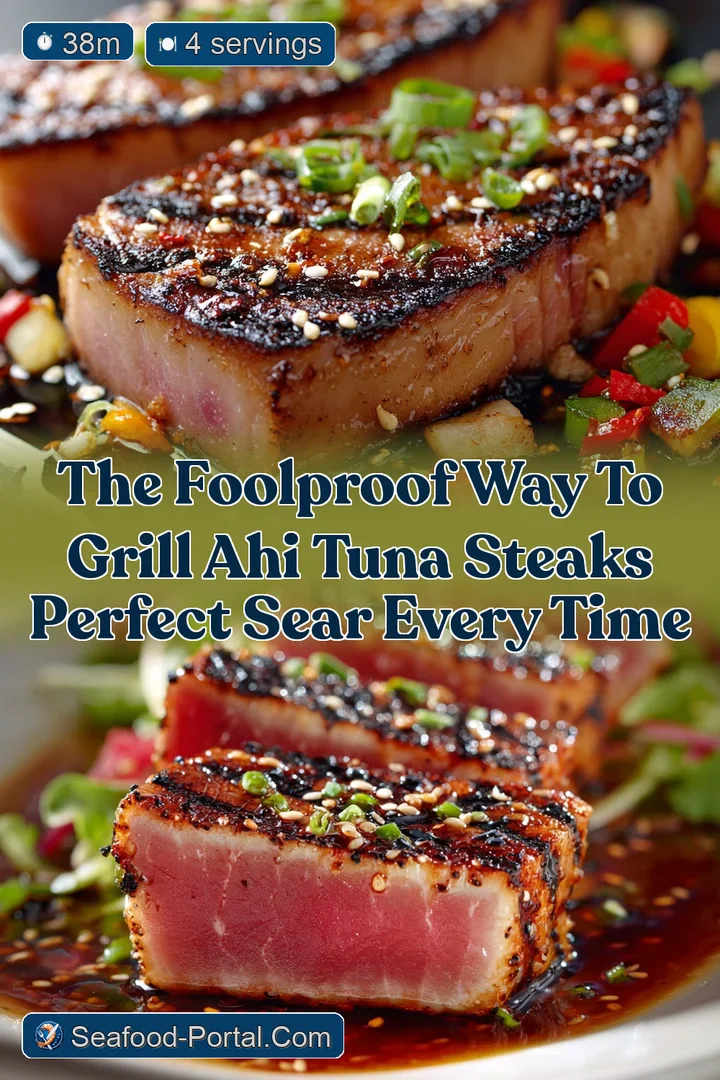
Visually, you should see about a quarter inch white/grey sear ring on the outside, and the rest should remain vibrant red, giving it that luxurious, cool interior.
Can I leave the Ahi to marinate overnight, or will that make it go a bit 'funny'?
That’s a definite no, alas! The acid in the rice vinegar and soy sauce begins to cure the fish almost immediately a process known as denaturation. Leaving it overnight would result in a tough, mealy texture, similar to ceviche, completely spoiling the desired outcome of a flash seared steak.
Stick strictly to the recommended 20-minute marinade time for the best results.
My BBQ is having a breakdown can I still achieve that perfect sear indoors?
No sweat if the British weather or equipment has let you down! Use a heavy cast iron skillet (or griddle pan) set over screaming high heat. Heat the pan until it’s just about smoking, add a splash of high heat oil, and then sear the steaks for 90 seconds per side.
It gives a wonderfully crisp crust that rivals the grill, but do open a window for ventilation!
What's the best way to store any leftover Ahi tuna, and can I eat it the next day?
Freshly seared Ahi tuna is always best eaten straight away, but leftovers can be sliced and stored in an airtight container in the fridge for up to two days. Reheating it is a cardinal sin, as it will dry out instantly, so eat it cold.
Try flaking it into a vibrant Niçoise salad, or cubing it for a quick homemade poke bowl for a superb lunch the next day.
Gingersoy Grilled Ahi Steaks
Ingredients:
Instructions:
Nutrition Facts:
| Calories | 2371 kcal |
|---|---|
| Protein | 18.1 g |
| Fat | 65.2 g |
| Carbs | 70.7 g |
| Fiber | 18.6 g |
| Sodium | 1002 mg |
