Chinese Shrimp Recipe with Garlic: Zesty Stir Fry
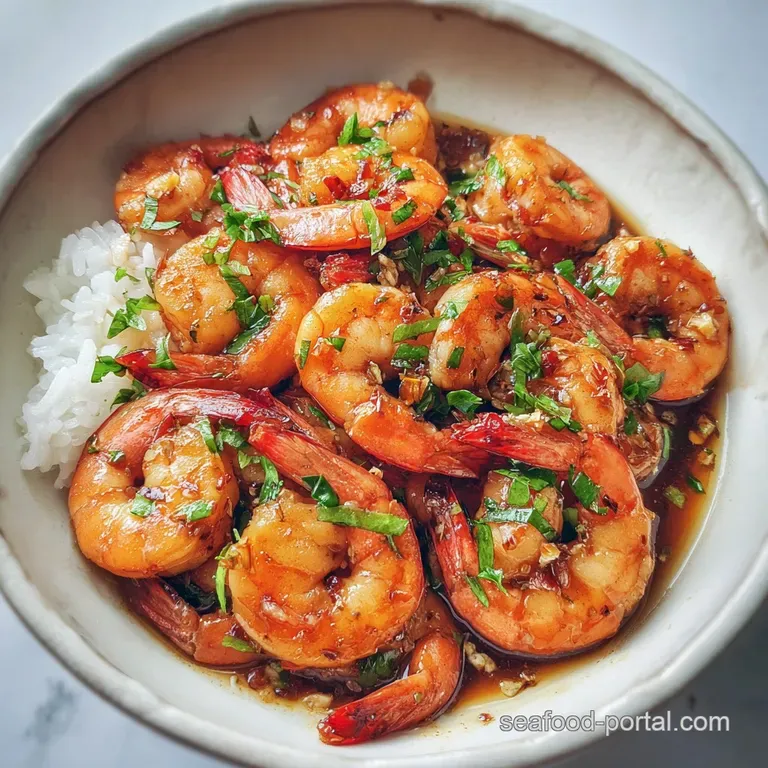
- Time: Active 15 minutes, Passive 5 minutes, Total 20 minutes
- Flavor/Texture Hook: Zesty, velvety, and snap crisp
- Perfect for: Busy weeknights or a better than-takeout Friday treat
- Master This Chinese Shrimp Recipe with Garlic
- The Science of Velvet Shrimp
- Timing Your Perfect Shrimp Stir fry
- Essential Component Deep Dive
- The Flavor Builders and Swaps
- Essential Kitchen Tools Needed
- Steps to a Perfect Stir fry
- Fixing Common Stir Fry Mistakes
- Adjusting for More Guests
- Debunking Stir Fry Misconceptions
- Saving and Reusing Leftovers
- Best Ways to Serve
- High in Sodium ⚠️
- Recipe FAQs
- 📝 Recipe Card
Master This Chinese Shrimp Recipe with Garlic
You know that specific, mouth watering aroma that hits you the second you walk past a neighborhood Chinese kitchen? It’s that sharp, sweet, slightly toasted scent of garlic and ginger meeting a screaming hot wok.
I spent years trying to get that exact "restaurant smell" in my own kitchen, usually ending up with soggy peas or shrimp that felt like chewing on rubber bands. This Chinese Shrimp Recipe with Garlic and Ginger is a guaranteed weeknight dinner winner because it solves those tiny frustrations that usually make home stir fry feel second rate.
The first time I really nailed this, I was cooking in a tiny apartment with a smoke detector that was far too sensitive. I learned the hard way that you don't need a professional grade jet burner to get that glossy, clingy sauce. You just need a bit of science and a lot of heat.
When that garlic hits the oil and begins to sizzle and dance, you know you’re about thirty seconds away from something incredible. It’s all about the timing and the "velveting" technique that keeps the seafood succulent.
We are going for a texture that is silky on the outside and snappy on the inside. Most people overcook shrimp because they’re afraid of undercooking it, but we’re going to use a flash sear method.
By the time the red bell peppers have just started to soften but still keep their bright color, the dish is done. It’s fast, it’s loud, and the sizzle is the best part of the whole process.
The Science of Velvet Shrimp
The Physics of the Flash Sear: Cornstarch creates a microscopic barrier around the protein, which prevents the muscle fibers from tightening too quickly and squeezing out their internal juices. This ensures the shrimp stays velvety and plump even when exposed to intense stir fry temperatures.
Aromatic Emulsification: When the toasted sesame oil meets the soy sauce and sugar, the starch from the marinade helps bind the fats and liquids into a stable, glossy emulsion. This is what allows the sauce to cling to the smooth surface of the shrimp rather than pooling at the bottom of your bowl.
| Thickness | Internal Temp | Rest Time | Visual Cue |
|---|---|---|---|
| Large (16-20) | 145°F | 1 minute | C shape and opaque pink |
| Medium (26-30) | 145°F | 1 minute | Tight curl and bright white |
| Small (41-50) | 145°F | 0 minutes | Instant color change |
If you are looking for more seafood inspiration, this dish pairs wonderfully with a side of Shrimp with Garlic Sauce recipe if you want to compare different regional styles.
Timing Your Perfect Shrimp Stir fry
When we talk about stir fry, the clock is your most important tool. You spend 15 minutes chopping and only 5 minutes actually cooking. This ratio is the secret to why the vegetables stay so vibrant. If you cook them any longer, the snow peas lose their "shatter" and become limp.
We want that bright green pop against the deep red of the peppers.
The sugar in the sauce isn't just for sweetness; it’s there for carmelization. As it hits the hot metal, it undergoes the Maillard reaction, adding a layer of savory depth that salt alone can't provide.
Combined with the white pepper, it creates a subtle heat that tingles the back of your throat without being overwhelming. This is a Shrimp Recipe with Garlic and Ginger that respects the delicate nature of the seafood while surrounding it with bold aromatics.
Essential Component Deep Dive
| Ingredient | Science Role | Pro Secret |
|---|---|---|
| Cornstarch | Texture modifier | Mix it with the shrimp 10 minutes before cooking to create a "velvet" coat. |
| Shaoxing Wine | Aroma catalyst | Pour it around the edges of the pan so it sizzles and burns off the alcohol instantly. |
| Ginger | Enzyme break down | Grate it finely to release the juices that help tenderize the protein. |
| Chili Crisp | Flavor layering | Use a brand with plenty of crunchy bits to add a texture contrast to the silky sauce. |
The ingredients you choose will define the final plate. For the soy sauce, I always reach for a light soy sauce because it provides the saltiness without turning the entire dish a muddy dark brown. We want to see the pink of the shrimp and the green of the scallions.
The Shaoxing wine is the unsung hero here - it provides a fermented depth that is hard to replace with anything else.
The Flavor Builders and Swaps
For this Shrimp Recipe with Garlic and Ginger, we use specific quantities to ensure the balance of salt, sweet, and heat is just right.
- 1 lb Large Shrimp (16-20 count), peeled and deveined Why this? Larger shrimp are harder to overcook and maintain a better snap.
- 1 tsp Cornstarch Why this? Essential for the velveting process and thickening the final sauce.
- 1 tsp Toasted Sesame Oil Why this? Adds a nutty base note that survives the high cooking heat.
- 0.5 tsp Kosher Salt
- 6 cloves Garlic, minced
- 1 tbsp Fresh Ginger, grated
- 2 Scallions, whites and greens separated and sliced
- 1 cup Snow Peas
- 1 Red Bell Pepper, thinly sliced
- 2 tbsp Light Soy Sauce
- 1 tbsp Shaoxing Wine
- 1 tsp Sugar
- 0.25 tsp White Pepper
- 1 tsp Chili Crisp
- 1 tbsp Vegetable Oil
| Original Ingredient | Substitute | Why It Works |
|---|---|---|
| Shaoxing Wine (1 tbsp) | Dry Sherry (1 tbsp) | Similar acidity and fermented depth. Note: Adds a slightly nuttier finish. |
| Snow Peas (1 cup) | Sugar Snap Peas (1 cup) | Provides the same crunch but with a sweeter, thicker pod. |
| Chili Crisp (1 tsp) | Red Pepper Flakes (0.5 tsp) | Adds heat without the extra oil. Note: Lacks the umami crunch of real chili crisp. |
Choosing the right oil is also a big deal. You need something with a high smoke point like vegetable or grapeseed oil. Don't even think about using extra virgin olive oil here - it will burn and turn bitter before the shrimp even hit the pan. If you're looking for another spicy variation, you might enjoy the kick in this Japanese Shrimp Curry recipe.
Essential Kitchen Tools Needed
A wok is the traditional choice, but if you don't have one, a large stainless steel skillet or a cast iron pan (like a Lodge) works beautifully. The key is surface area. You want the shrimp to have space to sear rather than steaming in their own juices.
You will also need a fine microplane or grater for the ginger. Grating the ginger instead of chopping it ensures it melts into the sauce rather than leaving you with woody chunks to bite into.
A sharp chef's knife is non negotiable for getting those red bell peppers into thin, uniform slivers that cook in under a minute.
Steps to a Perfect Stir fry
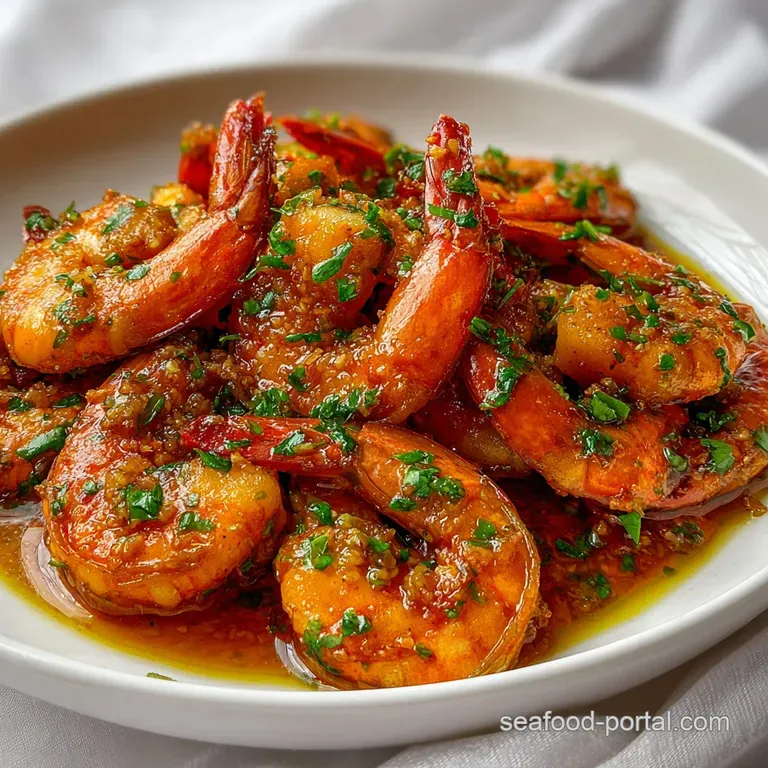
- Prep the shrimp. Pat 1 lb large shrimp dry with paper towels. Note: Dry shrimp sear; wet shrimp steam.
- Velvet the protein. Toss the shrimp with 1 tsp cornstarch, 1 tsp toasted sesame oil, and 0.5 tsp kosher salt. Let sit for 10 minutes.
- Create the sauce. Whisk together 2 tbsp light soy sauce, 1 tbsp Shaoxing wine, 1 tsp sugar, 0.25 tsp white pepper, and 1 tsp chili crisp.
- Heat the pan. Add 1 tbsp vegetable oil to your skillet over high heat until you see a faint wisp of smoke.
- Sear the shrimp. Add the shrimp in a single layer. Cook for 1 minute per side until they turn opaque and pink. Remove from the pan and set aside.
- Sizzle the aromatics. Add the white parts of the 2 scallions, 6 cloves minced garlic, and 1 tbsp grated ginger. Stir fry for 30 seconds until the aroma fills the kitchen.
- Flash cook the veggies. Add 1 cup snow peas and 1 thinly sliced red bell pepper. Stir fry for 1-2 minutes until the colors become vibrantly bright.
- Combine and glaze. Return the shrimp to the pan and pour in the sauce mixture.
- Thicken the sauce. Toss everything together for 30 seconds until the sauce bubbles and turns glossy.
- Finish and garnish. Turn off the heat and stir in the green parts of the scallions.
Chef's Note: If your pan starts to look dry while cooking the vegetables, add a tablespoon of water or chicken stock. This creates steam that cooks the peas through without burning the garlic.
Fixing Common Stir Fry Mistakes
Stir frying is a Recipe with Garlic and Ginger that requires focus. One of the biggest mistakes I used to make was trying to double the recipe in one pan. This drops the temperature of the metal instantly, and instead of a sear, you get a gray, watery mess. Always work in batches if you're feeding a crowd.
Why Is My Sauce Too Thin?
If your sauce looks like soup, it usually means the pan wasn't hot enough to activate the cornstarch. You need a vigorous bubble to get that thickening reaction. Alternatively, you might have had too much moisture on your vegetables.
Why Does My Garlic Taste Bitter?
Garlic burns in the blink of an eye. If you add it to the oil before the shrimp, it will likely be charcoal by the time the dish is done. Always add your garlic and ginger after the initial shrimp sear to keep that sweet, pungent flavor intact.
| Problem | Root Cause | Solution |
|---|---|---|
| Rubber shrimp | Overcooking | Remove shrimp the moment they form a "C" shape. |
| Soggy vegetables | Crowded pan | Cook in batches to maintain high heat. |
| Burnt aromatics | Added too early | Toss in garlic and ginger only after the shrimp are seared. |
Common Mistakes Checklist
- ✓ Always pat your shrimp bone dry before adding the cornstarch.
- ✓ Prep every single ingredient before turning on the stove (it goes too fast to chop as you go).
- ✓ Use a high smoke point oil like vegetable or peanut oil.
- ✓ Don't move the shrimp for at least 45 seconds to let a crust form.
- ✓ Use fresh ginger rather than the powdered stuff for the right aromatic "bite."
Adjusting for More Guests
If you need to scale this recipe up for a dinner party, do not just double everything in the same pan. The thermal mass of the cold shrimp will kill your sear. Instead, double the ingredients but cook the shrimp in two separate batches. You can combine everything at the very end when you add the sauce.
For scaling down, it's quite simple. Just use a smaller pan to ensure the sauce doesn't evaporate too quickly. Since the cook time is so short, you don't need to adjust the timing much, but keep a closer eye on the garlic so it doesn't catch on the smaller surface area.
Debunking Stir Fry Misconceptions
One major myth is that you need a "seasoned" wok to get good results. While a seasoned carbon steel wok adds a specific flavor called "wok hei," you can get 90% of the way there with a standard stainless steel pan as long as you manage your heat correctly.
Another misconception is that more oil equals better flavor. In reality, too much oil makes the dish heavy and masks the delicate flavor of the shrimp. We only use 1 tbsp of vegetable oil because the goal is a light glaze, not a deep fry. The silkiness comes from the cornstarch slurry, not the fat content.
Saving and Reusing Leftovers
Storage: This dish keeps well in the fridge for up to 2 days. Store it in an airtight glass container to keep the garlic scent from migrating to everything else in your refrigerator. I don't recommend freezing this, as the shrimp will become tough and the snow peas will turn to mush when thawed.
Zero Waste: If you have leftover sauce at the bottom of the pan, don't toss it! It’s liquid gold. Toss some cold leftover rice into the pan the next day with a scrambled egg, and you’ve got the perfect base for a quick fried rice.
You can also use the shrimp shells to make a quick seafood stock for future recipes.
Best Ways to Serve
This Chinese Shrimp Recipe with Garlic is best served immediately while the shrimp are still plump and the vegetables have their snap. I always serve this over a bed of fluffy jasmine rice or thin rice noodles to soak up every drop of that garlic ginger sauce.
- If you want more crunch, top the dish with toasted cashews or sesame seeds.
- If you want more heat, add an extra dollop of chili crisp right before serving.
- If you want a fresher finish, a squeeze of fresh lime juice can brighten the heavy soy notes.
For another variation on this theme, you could try my Shrimp Francese Recipe which uses a similar protein but leans into a buttery, lemon focused profile. Both are fantastic ways with Garlic and Ginger that show how versatile seafood can be when you treat it with a little bit of care and a lot of heat. Enjoy the sizzle!
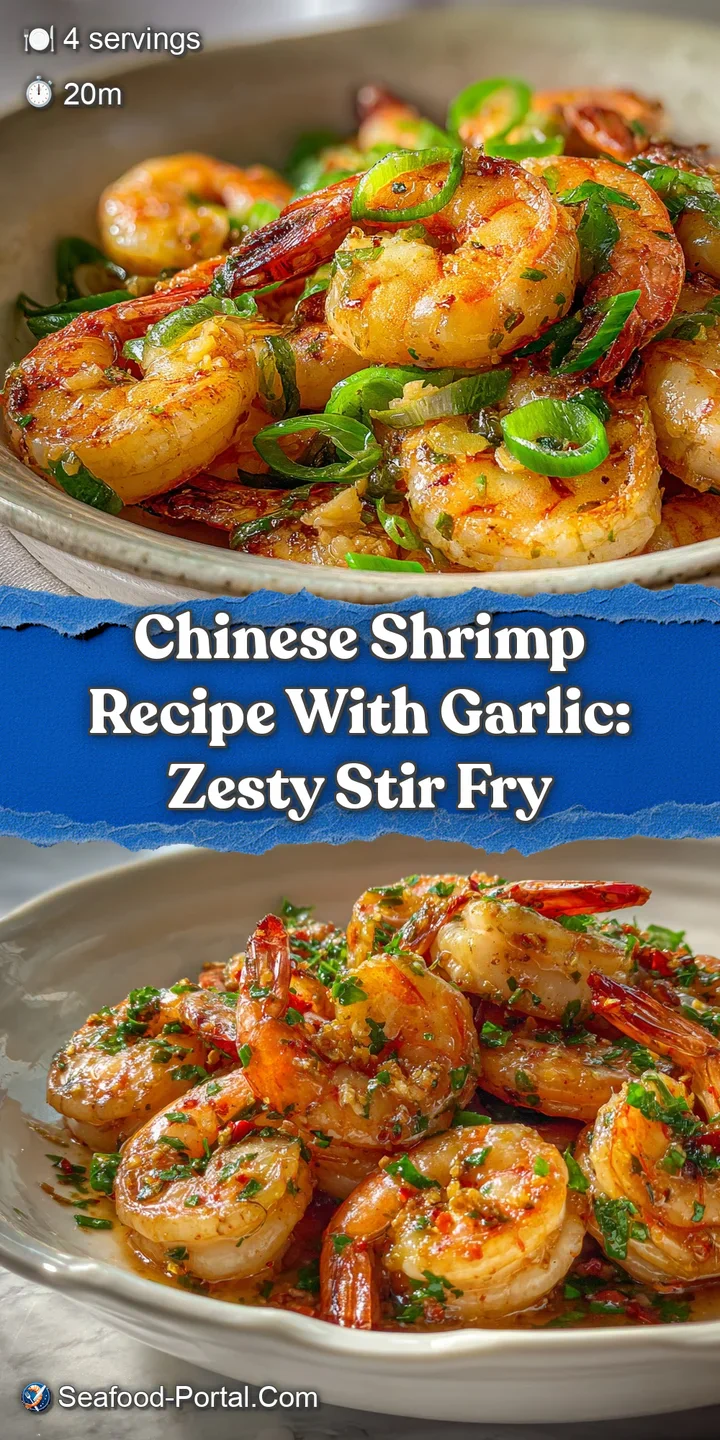
High in Sodium ⚠️
845 mg 845mg of sodium per serving (37% 37% of daily value)
The American Heart Association recommends limiting sodium intake to about 2,300mg per day.
Tips to Reduce Sodium
-
Reduce Added Salt-25%
Eliminate or drastically reduce the 0.5 tsp of kosher salt. Taste the dish before adding any salt, and consider omitting it entirely.
-
Low-Sodium Soy Sauce-20%
Replace the light soy sauce with a reduced sodium or low-sodium soy sauce. This simple swap can significantly lower the sodium content of the dish.
-
Control Chili Crisp-10%
Use chili crisp sparingly, as it often contains added salt. Alternatively, make your own chili oil for greater control over the sodium content.
-
Spice It Up
Enhance the flavor with sodium free herbs, spices, and aromatics! Consider adding more fresh ginger, garlic, white pepper, or a touch of red pepper flakes for heat without the added sodium.
Recipe FAQs
How do Chinese restaurants make shrimp so tender?
They use a technique called "velveting." This involves coating the raw shrimp in a mixture, usually cornstarch and sometimes egg white, which locks in moisture during the high heat cooking process.
This protective layer prevents the muscle fibers from seizing up and becoming tough, ensuring a silky exterior.
Can garlic and ginger be cooked together in the same step?
Yes, but time them carefully. Add the ginger just before the garlic, or slightly before the garlic if you are grating it finely, to ensure they release their aromatics simultaneously before the high heat burns them. If you master the searing process here, you can apply the same temperature control to our Classic Cantonese Ginger recipe for perfect results.
Is Chinese shrimp with garlic sauce healthy?
Generally, yes, but depends on the sauce components. This preparation focuses on fresh seafood, vegetables, and aromatics, keeping it relatively low in fat. Watch out for excess sugar or highly processed oyster sauces if you are concerned about sodium intake.
What's the secret to flavorful shrimp that isn't just salt?
The secret is layering aromatics and using alcohol for depth. Cooking the garlic and ginger over high heat until aromatic, then deglazing with Shaoxing wine, creates complex savory layers. If you enjoy this depth, see how we build complexity through acidity in the Zesty Lemon Garlic recipe.
Why do my vegetables get soggy in the stir fry?
You are likely overcrowding the pan or cooking too slowly. High heat is crucial for achieving a quick sear on the vegetables, which keeps them crisp tender. If you are cooking for more than two people, always cook the shrimp and vegetables in separate batches to maintain the intense temperature.
Should I use cornstarch in the marinade if I am cooking quickly?
Yes, always apply the cornstarch coating before cooking. This process, known as velveting, protects the shrimp from the intense heat, resulting in a superior texture that is smooth rather than tough. If you are looking for a quick weeknight alternative that uses minimal prep, try the technique in our Shrimp and Gnocchi recipe.
How do I stop my garlic from burning before the shrimp is cooked?
Add the garlic after the initial high heat searing of the protein. Sear the shrimp first, remove them from the wok, and then add the garlic and ginger to the remaining hot oil for just 30 seconds until fragrant.
This technique prevents the delicate garlic from turning bitter before the main ingredients are ready.
Garlic Shrimp Chinese Style
Ingredients:
Instructions:
Nutrition Facts:
| Calories | 188 kcal |
|---|---|
| Protein | 22.4 g |
| Fat | 6.8 g |
| Carbs | 7.2 g |
| Fiber | 1.4 g |
| Sugar | 2.8 g |
| Sodium | 845 mg |
