Garlic Olive Oil Sauce for Pizza
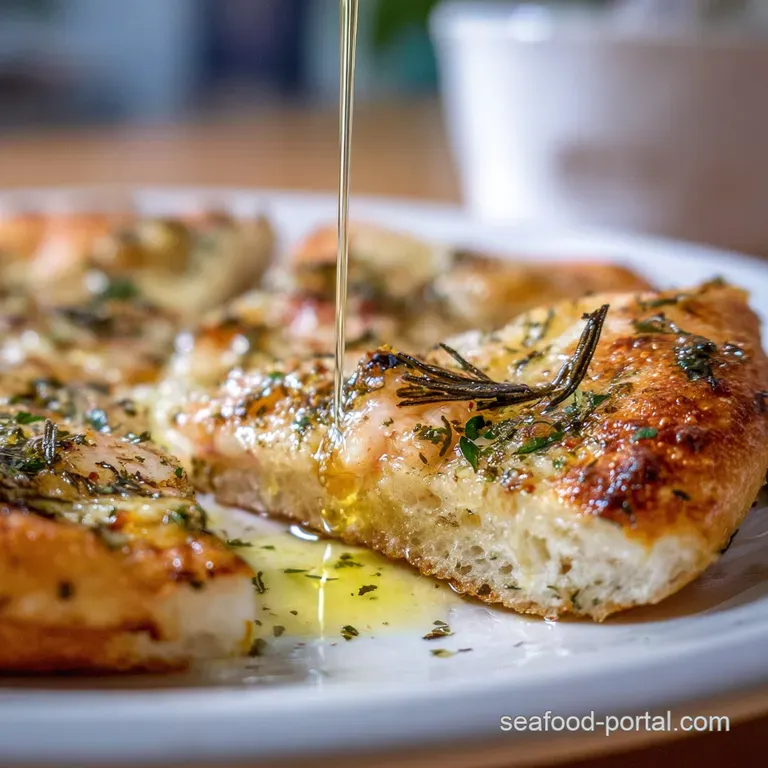
- Time: Active 5 mins, Passive 10 mins, Total 15 mins
- Flavor/Texture Hook: Silky, nutty garlic with a gentle chili warmth
- Perfect for: White pizzas, gourmet flatbreads, and dipping crusts
- Best Garlic Olive Oil Sauce for Pizza Technique
- Why These Flavor Layers Work
- Analyzing Every Essential Component
- Essential Ingredients and Substitutes
- Tools for a Silky Infusion
- Steps for the Perfect Drizzle
- Fixing Common Infusion Mistakes
- Creative Ways to Mix Flavors
- Proper Storage and Zero Waste
- Best Ways to Use Sauce
- Garlic Olive Oil Sauce for Pizza FAQs
- 📝 Recipe Card
Best Garlic Olive Oil Sauce for Pizza Technique
You know that smell? That intoxicating, savory aroma that hits you when you walk past a high end wood fired pizzeria? That is exactly what we are making today. Honestly, once I realized that the secret to those incredible white pizzas wasn't some expensive imported cheese but a properly infused oil, my Friday nights transformed.
I used to just toss raw garlic on my dough and hope for the best, but it always ended up either burnt and bitter or crunchy and harsh. This method fixes all of that. We are talking about a velvety, aromatic drizzle that acts as a flavor foundation for everything from fresh mozzarella to salty prosciutto.
We have all been there, staring at a dry crust wishing for more than just jarred marinara. This recipe is the answer. It is quick, it uses pantry staples, and it makes your kitchen smell like a dream. Let's get into how we layer these flavors so you never settle for a boring slice again.
Why These Flavor Layers Work
To get that restaurant quality finish, we have to treat our ingredients with a bit of respect. It is not just about mixing things in a bowl; it is about how the heat interacts with the aromatics to create a cohesive profile.
- Lipid Infusion: The fats in the extra virgin olive oil act as a solvent, pulling fat soluble flavor compounds out of the garlic and herbs.
- Sulfur Transformation: Gentle heating breaks down harsh Allicin in the garlic, turning it from pungent and sharp to sweet and nutty.
The Science of Why it Works
The cold start method allows for a gradual temperature rise, ensuring the garlic releases its aromatic oils before the exterior can brown. This prevents the formation of bitter nitrogenous compounds that occur when garlic is shocked by high heat.
| Infusion Time | Garlic Texture | Flavor Profile | Best For |
|---|---|---|---|
| 2 mins | Crisp/Raw | Pungent & Sharp | Garlic bread topping |
| 6 mins | Soft/Golden | Sweet & Mellow | White pizza base |
| 10 mins | Very Soft | Toasted & Nutty | Dipping sauce |
The table above shows why timing is everything when you are looking for that specific "pizzeria" vibe. If you go too short, you get that bitey raw garlic taste that lingers for days. Go too long, and you lose the fresh herbaceous notes of the rosemary.
Analyzing Every Essential Component
When we talk about a simple sauce like this, the quality of your components really matters. Since there are only a few ingredients, each one has a big job to do in terms of texture and taste.
| Ingredient | Science Role | Pro Secret |
|---|---|---|
| Extra Virgin Olive Oil | Primary Solvent | Use a "harvest" oil for peppery back notes |
| Fresh Garlic | Aromatic Base | Microplane it to maximize surface area contact |
| Red Pepper Flakes | Heat Catalyst | Add to cold oil to bloom the spice evenly |
The way you prep the garlic is actually the biggest variable here. I used to just mince it with a knife, but switching to a microplane was a total shift for me. It creates a paste like consistency that melts into the oil rather than leaving chunky bits that might burn on your pizza.
Essential Ingredients and Substitutes
Here is exactly what you need to grab from your pantry. Keep it high-quality where you can, especially the oil, because it is the star of the show here.
- 0.5 cup extra virgin olive oil: This is the body of your sauce. Why this? Provides the silky mouthfeel and carries all other flavors.
- 6 large cloves fresh garlic: Must be fresh, not the pre peeled stuff in a jar. Why this? Fresh cloves have the essential oils we need to extract.
- 0.5 tsp red pepper flakes: Adds a tiny hum of heat. Why this? Balances the richness of the oil and cheese.
- 0.25 tsp sea salt: Brings all the flavors into focus.
- 1 small sprig fresh rosemary: For an earthy, woodsy aroma.
- 0.5 tsp dried oregano: That classic "pizza" smell we all love.
- 1 tbsp Pecorino Romano cheese: Finely grated for a salty, umami kick.
If you are looking for something with more body or a different flavor profile, you might want to try this Garlic Butter Sauce recipe instead. It is a bit richer and works wonders on a thicker crust.
| Original Ingredient | Substitute | Why It Works |
|---|---|---|
| Extra Virgin Olive Oil | Avocado Oil | Higher smoke point, but loses the fruity olive flavor |
| Fresh Rosemary | Fresh Thyme | Similar earthy vibe, though slightly more floral |
| Pecorino Romano | Parmesan | Less salty but still provides that essential umami |
Adding the Pecorino at the very end is my little secret. It does not fully melt into the oil, but it creates these tiny salty clusters that pop when you take a bite. It is a massive upgrade over just using salt alone.
Tools for a Silky Infusion
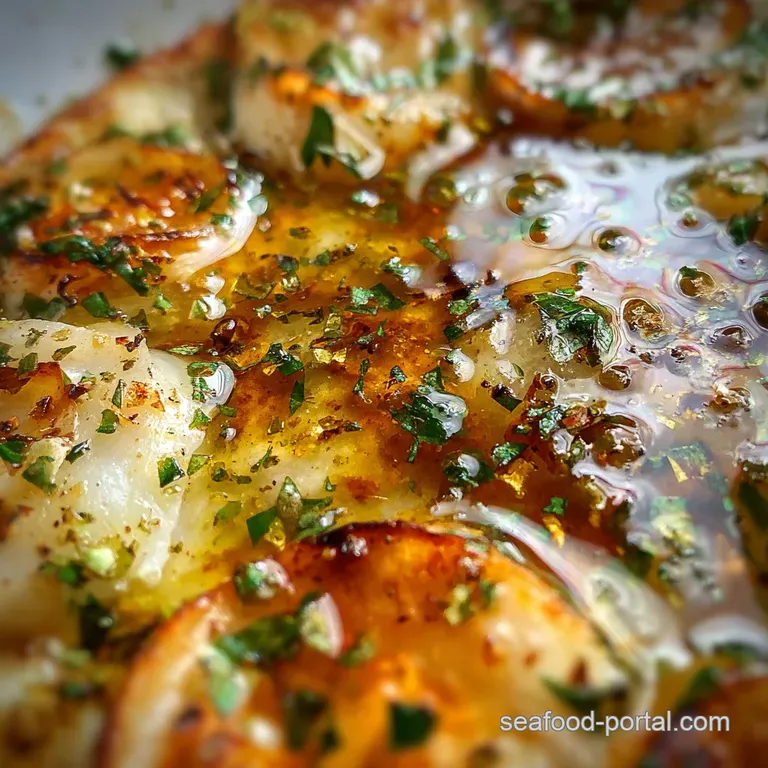
You do not need a laboratory, but a few specific tools make this much easier. I always reach for my smallest stainless steel saucepan. If the pan is too big, the oil spreads too thin and the garlic can scorch before it infuses.
A microplane or a very fine grater is your best friend here. It turns the garlic into a slurry, which is exactly what we want for a smooth Garlic Olive Oil recipe that coats the dough evenly. You will also want a heat proof pastry brush to apply the sauce to your pizza dough.
Steps for the Perfect Drizzle
This process is fast, so make sure you have everything prepped before you turn on the stove. We are going for a gentle "steep" rather than a hard fry.
- Microplane 6 large cloves fresh garlic.Note: This creates a paste that infuses much faster than minced cloves.
- Combine oil and aromatics. Place 0.5 cup extra virgin olive oil, garlic, 0.5 tsp red pepper flakes, and the rosemary sprig in a small cold saucepan.
- Start on low heat. Turn the burner to its lowest setting until the oil begins to tiny bubble around the garlic.
- Infuse slowly. Let it simmer for 8 minutes, swirling occasionally.
- Monitor the color. Cook until the garlic turns a pale straw color and smells nutty.
- Add the dried herbs. Stir in 0.5 tsp dried oregano and 0.25 tsp sea salt.
- Pull from heat. Remove the pan from the burner immediately to stop the cooking process.
- Remove the rosemary. Take out the sprig once the oil has cooled for 2 minutes.
- Finish with cheese. Stir in 1 tbsp Pecorino Romano until it slightly softens into the warm oil.
- Cool and apply. Let it sit for 5 minutes before brushing onto your raw pizza dough.
Chef's Tip: If you want an even deeper flavor, let the sauce sit at room temperature for an hour before using. The flavors will continue to marry as it cools.
Fixing Common Infusion Mistakes
The most common heartbreak with this sauce is burnt garlic. Once it goes past golden and hits dark brown, it becomes incredibly bitter, and there is no saving it. You have to start over.
Why Your Garlic Turned Blue
Sometimes garlic turns a funky blue or green color when it hits acid or heat. This is just a reaction between the sulfur in the garlic and trace minerals in the oil or your cookware. It is totally safe to eat, though it looks a bit wild.
Why the Sauce Smells Burnt
If you smell a sharp, acrid aroma, your heat was too high. Garlic has a very high sugar content and low water content, meaning it scorches in seconds. Always start with a cold pan and use the lowest setting your stove allows.
| Problem | Root Cause | Solution |
|---|---|---|
| Bitter Taste | Garlic overcooked | Strain the oil and try again with lower heat |
| Too Spicy | Pepper flakes bloomed too long | Add more oil to dilute the heat |
| No Flavor | Heat was too low/too fast | Let it steep longer off the heat before using |
While we are on the topic of avoiding disasters, here is a quick checklist to keep you on the right track every time you make this.
- ✓ Always start with a cold pan and cold oil
- ✓ Use a microplane for the garlic to ensure even infusion
- ✓ Never leave the stove - garlic burns in the blink of an eye
- ✓ Remove the rosemary sprig before it starts to fry and turn bitter
- ✓ Add the cheese only after the oil has cooled slightly to prevent clumping
Creative Ways to Mix Flavors
If you want to branch out from the classic profile, this base is incredibly forgiving. I once added a teaspoon of lemon zest right at the end, and it completely changed the vibe of a shrimp pizza I was making.
- For a citrus kick: Add 1 tsp of fresh lemon zest after removing from heat.
- For deep umami: Stir in 1 tsp of anchovy paste while the oil is still warm.
- For a smoky finish: Use smoked sea salt instead of regular sea salt.
If you are scaling this for a big party, keep in mind that you don't need to double the salt and spices linearly. I usually do 1.5x the spices for a 2x oil increase to keep the balance right. For a larger batch, use a slightly wider pan but keep the heat just as low.
Proper Storage and Zero Waste
You can absolutely make this ahead of time. In fact, it's a great meal prep hack. Store it in a glass jar in the fridge for up to 5 days. Just a heads up: the olive oil will solidify in the fridge. Don't panic!
Just let it sit on the counter for 15 minutes or give it a quick 10 second blast in the microwave to bring it back to a liquid state.
Don't you dare throw away any leftover oil. It is basically liquid gold. I love drizzling it over roasted vegetables, tossing it with pasta, or using it as a dip for crusty sourdough bread.
If you have rosemary stems left over, toss them into your compost or use them as skewers for grilled veggies to get every bit of use out of them.
Best Ways to Use Sauce
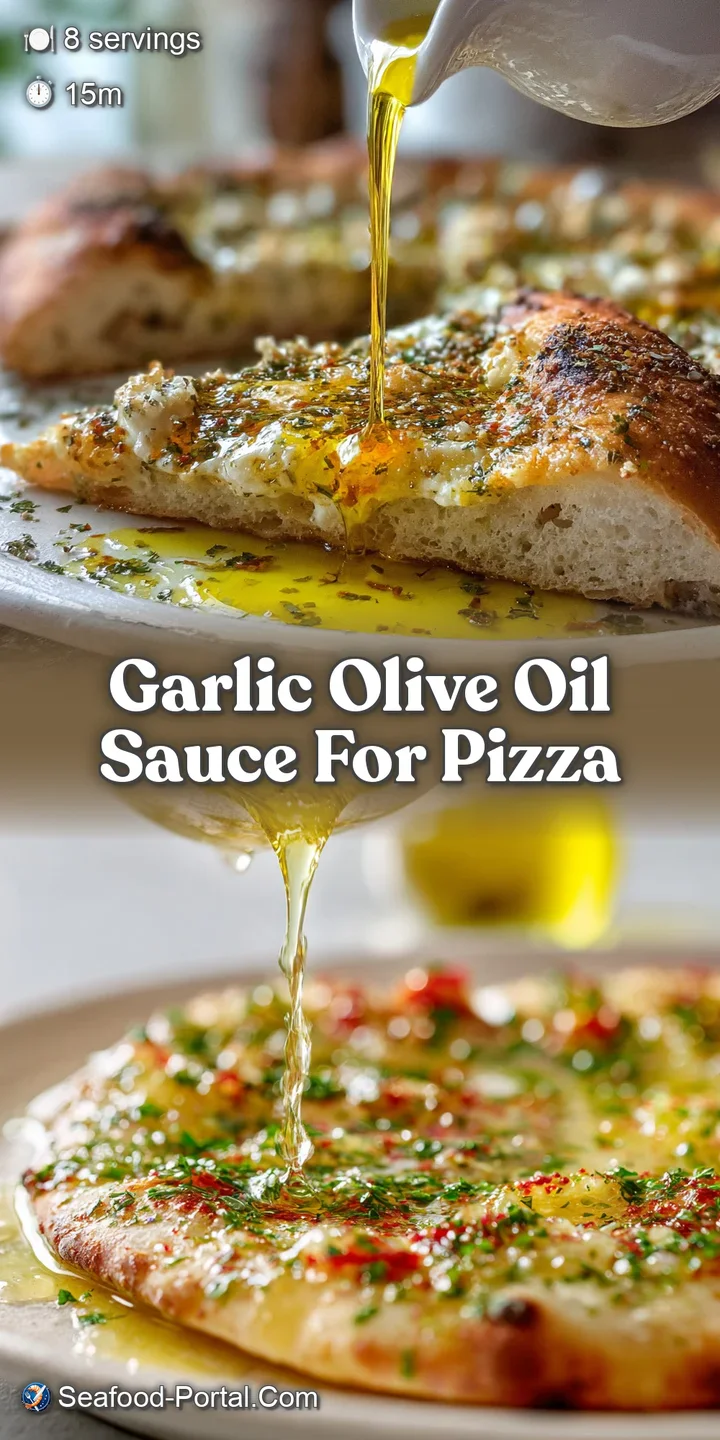
This sauce is the absolute king of the "White Pizza." My favorite combo is brushing this heavily on the dough, then topping with fresh mozzarella, dollops of ricotta, and a handful of fresh arugula after it comes out of the oven.
It also works beautifully as a finisher. Instead of using it as a base, bake your pizza with just cheese and then drizzle this over the top right before serving. The heat from the pizza will wake up all those garlic and rosemary aromas again, creating a sensory experience that your guests won't forget.
If you're doing a seafood pizza, this sauce paired with some sautéed shrimp is a match made in heaven. Just be ready to share the recipe, because people will definitely ask how you got that flavor.
Garlic Olive Oil Sauce for Pizza FAQs
How to make a garlic olive oil sauce?
Start with a cold pan. Combine extra virgin olive oil with microplaned garlic, red pepper flakes, and herbs in a small saucepan before heating gently. This slow infusion prevents bitterness and maximizes flavor extraction.
What is garlic sauce for pizza made of?
Typically olive oil, garlic, and seasonings. The base is usually extra virgin olive oil infused with fresh garlic, often with additions like red pepper flakes, salt, dried oregano, and sometimes a hint of cheese like Pecorino Romano.
How to make creamy garlic sauce for pizza?
Add dairy or emulsify. While this recipe focuses on an oil-based infusion, for a creamier version, you could finish by whisking in a touch of heavy cream or incorporating a bit of finely grated Parmesan cheese at the end, similar to techniques used in Garlic Butter Cream Sauce.
What does olive oil do to pizza sauce?
It acts as the flavor carrier and provides richness. Olive oil infuses with aromatics like garlic, distributing their flavors evenly across the pizza dough. It also provides a silky texture and prevents the crust from drying out.
Can I use dried garlic instead of fresh?
No, stick with fresh. Dried garlic has a different flavor profile and doesn't infuse into oil as effectively as fresh garlic, often leading to a less potent and sometimes slightly bitter result.
How long does garlic olive oil sauce last?
Up to 5 days in the refrigerator. Store it in an airtight container. The olive oil will solidify in the fridge; simply let it warm to room temperature for about 15 minutes or gently microwave for a few seconds to return it to a pourable consistency.
Can I add other herbs to my garlic olive oil pizza sauce?
Yes, experiment with complementary flavors. While rosemary and oregano are classic, you could also infuse basil, thyme, or a pinch of red pepper flakes for added heat. If you enjoy flavorful sauces, check out this Shrimp with Garlic Sauce for inspiration on combining seafood with garlic infusions.
Garlic Olive Oil Pizza Sauce
Ingredients:
Instructions:
Nutrition Facts:
| Calories | 125 kcal |
|---|---|
| Protein | 0.3 g |
| Fat | 13.7 g |
| Carbs | 0.8 g |
| Fiber | 0.1 g |
| Sugar | 0.1 g |
| Sodium | 81 mg |
