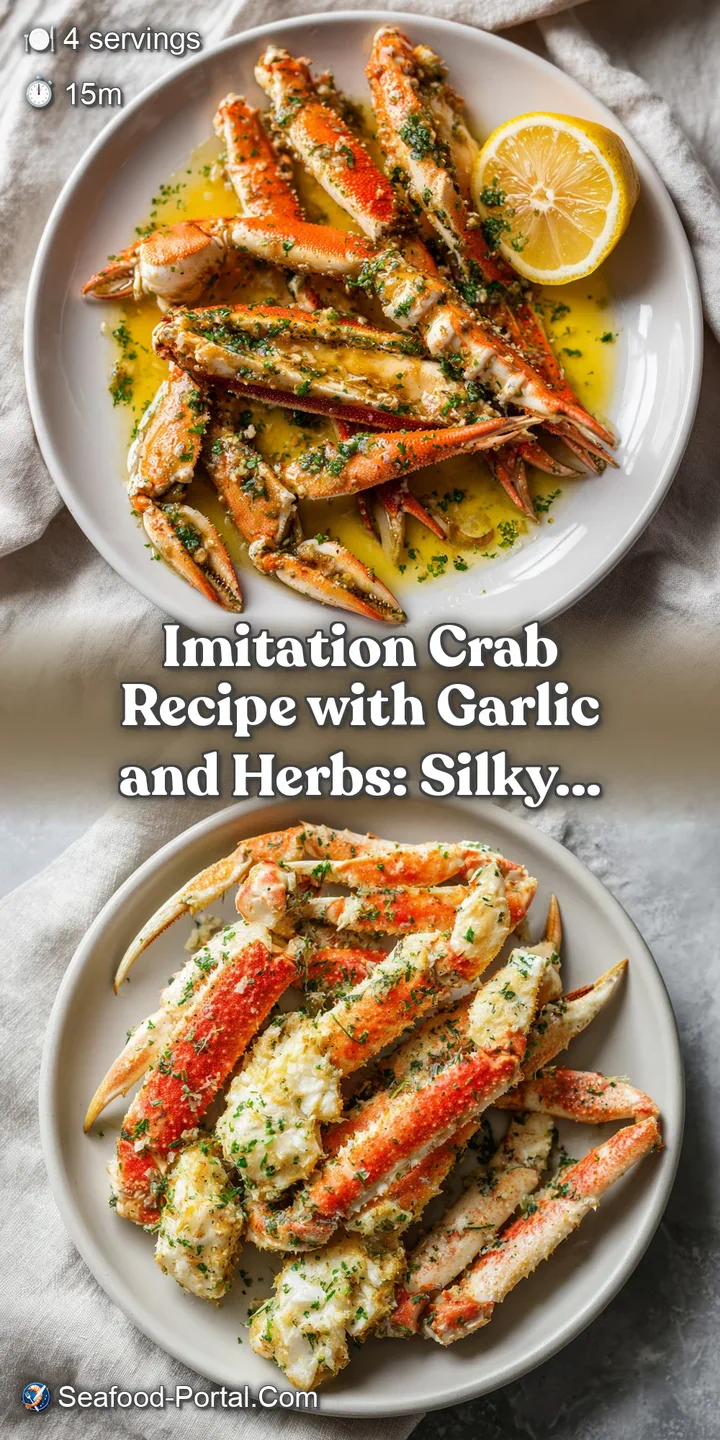
Imitation Crab Recipe with Garlic and Herbs
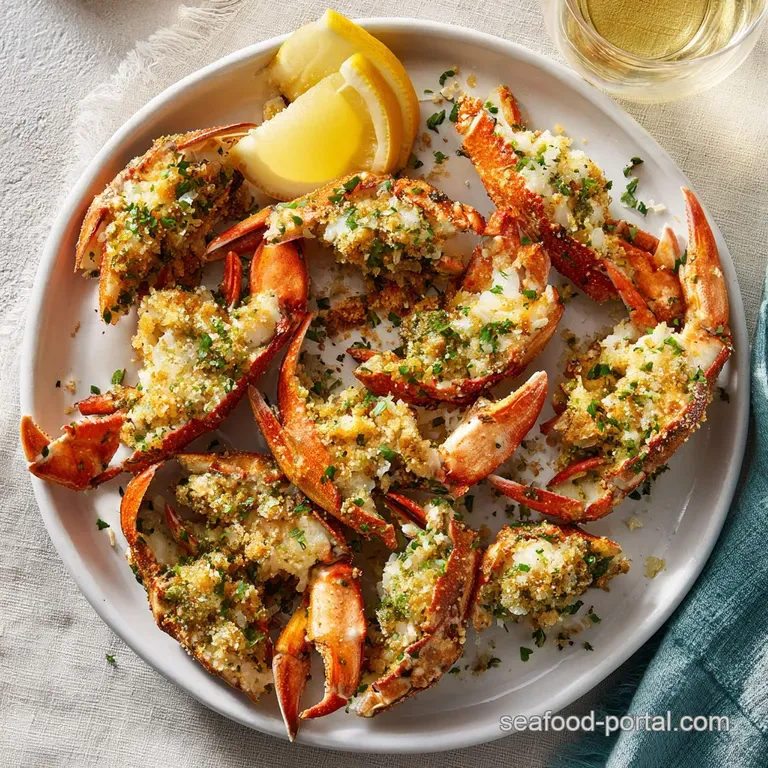
- Time: Active 5 minutes, Passive 10 minutes, Total 15 minutes
- Flavor/Texture Hook: Silky butter sauce with a zesty, herbaceous finish.
- Perfect for: Quick weeknight dinners or a budget-friendly appetizer.
- Simple Imitation Crab Recipe with Garlic and Herbs
- The Science of Lipid Flavor Extraction
- Efficiency Specs for Your Kitchen
- Essential Elements and Smart Swaps
- Essential Tools for Seafood Success
- Master the Sauté in Ten Minutes
- Solutions for Common Cooking Hurdles
- Smart Scaling for Any Group
- Creative Ways to Customize Flavor
- Seafood Kitchen Truths
- Best Practices for Storing Leftovers
- Ideas for the Perfect Presentation
- High in Sodium
- Recipe FAQs
- 📝 Recipe Card
Simple Imitation Crab Recipe with Garlic and Herbs
The sizzle of minced garlic hitting a pool of melting butter is the universal signal that something incredible is about to happen in the kitchen. There is a specific, heady aroma that fills the air when that garlic begins to turn golden, mixing with the bright, floral scent of fresh lemon zest.
Discover the perfect imitation crab recipe with garlic and herbs for a quick, flavorful seafood dish that feels much more expensive than it actually is.
I remember the first time I tried to make something "fancy" with that pack of imitation crab sitting in my fridge. I used to just chop it up cold for a basic salad, but one Tuesday night I was craving something warm and comforting. I decided to treat it like lobster, basting it in a herb heavy butter sauce.
The result was a total revelation, it was silky, savory, and vanished from the plate in about three minutes flat.
We often overlook surimi as just a filler ingredient, but when you treat it with a little respect, it transforms. This recipe is all about those layers, starting with a rich fat base, building with sharp aromatics, and finishing with a punch of fresh green herbs.
It is accessible, fast, and honestly, a bit of a secret weapon for when the pantry is looking thin but your standards are still high.
The Science of Lipid Flavor Extraction
Understanding how fat interacts with aromatics is the key to making this dish pop without it feeling greasy.
- Lipid Infusion: Garlic contains sulfur compounds that are fat soluble, meaning the butter acts as a vehicle to carry that "garlicky" flavor into every fiber of the crab.
- Surimi Structure: Since imitation crab is pre cooked white fish (usually pollock), high heat will make it rubbery, so we use a gentle "warm through" method to preserve the delicate, flaky texture.
- Acid Brightening: The lemon juice doesn't just add flavor, it actually breaks down the richness of the 60g unsalted butter, creating a balanced emulsion that coats the palate rather than feeling heavy.
| Method | Cooking Time | Texture Result | Best For |
|---|---|---|---|
| Sauté (This Recipe) | 10 minutes | Silky and tender | Quick weeknight meals |
| Oven Baked | 20 minutes | Firm with crispy edges | Party appetizers |
| Cold Tossed | 0 minutes | Snappy and dense | Summer pasta salads |
Choosing the right method depends on how much "snap" you want in your seafood. The sauté method described here allows the garlic and 1g red pepper flakes to really permeate the meat while keeping it velvety.
If you prefer a bit of a crunch, the baking method works well, though you lose some of that saucy goodness that pairs so well with crusty bread.
Efficiency Specs for Your Kitchen
When you are working with a 15 minutes total time limit, every second counts. You want to have your 30g garlic minced and your 15g parsley chopped before the heat even touches the pan.
This isn't a recipe where you can prep as you go, because once that butter starts to foam, the window for adding the aromatics is narrow.
| Component | Science Role | Pro Secret |
|---|---|---|
| Extra Virgin Olive Oil | Raises smoke point | Mix with butter to prevent the milk solids from burning too fast. |
| Fresh Lemon Zest | Aromatic intensity | Add to the fat early to release the essential oils before adding the juice. |
| Red Pepper Flakes | Capsaicin heat | Sautéing them in oil "blooms" the spice, making it more vibrant. |
Using a mix of 60g unsalted butter and 15ml extra virgin olive oil is a trick I learned from a chef friend. The oil helps stabilize the butter, allowing you to get that garlic perfectly golden without the butter turning bitter or brown. It makes the whole process much more forgiving for a home cook.
Essential Elements and Smart Swaps
To get that authentic seafood shack vibe, we use a specific blend of herbs and fats. Here is what you need to gather for this imitation crab recipe with garlic and herbs:
- 450g imitation crab: Torn into bite sized pieces. Why this? Tearing creates more surface area for the butter sauce to cling to.
- 60g unsalted butter: The primary flavor carrier.
- 15ml extra virgin olive oil: To balance the fat and prevent burning.
- 30g garlic: Minced finely. Why this? Provides the savory backbone of the entire dish.
- 5ml fresh lemon zest: For that floral, citrus high note.
- 15ml fresh lemon juice: To cut through the richness.
- 15g fresh Italian parsley: Finely chopped.
- 5g fresh dill or chives: Minced. Why this? Dill adds a classic "seafood" aroma that parsley lacks.
- 1g red pepper flakes: For a subtle warmth.
- 1g salt and 1g cracked black pepper: To taste.
| Original Ingredient | Substitute | Why It Works |
|---|---|---|
| Imitation Crab | Cooked Shrimp | Similar cook time, though shrimp is firmer. |
| Fresh Dill | Dried Tarragon | Adds a similar anise like sweetness. Note: Use only 1/3 the amount. |
| Italian Parsley | Fresh Cilantro | Changes the profile to a more "lime garlic" vibe. |
If you find yourself with extra seafood on hand, this buttery base is quite versatile. You can easily adapt this into a Shrimp Crab Pasta recipe by tossing in some fettuccine and a splash of heavy cream at the very end.
Essential Tools for Seafood Success
You don't need a professional kitchen, but a few specific items make this 15 minutes process much smoother.
- Large Skillet: A heavy bottomed stainless steel or cast iron pan is best for even heat distribution.
- Microplane: For getting that 5ml lemon zest super fine so it melts into the sauce.
- Kitchen Shears: If you don't want to tear the crab by hand, shears are the fastest way to get uniform pieces.
Master the Sauté in Ten Minutes
Follow these steps closely to ensure your garlic stays sweet and your "crab" stays tender.
- Prep the protein. Tear the 450g imitation crab into uneven, bite sized pieces. Note: Shaggy edges hold onto more sauce than clean knife cuts.
- Start with a cold pan. Place the 60g butter and 15ml olive oil in the skillet.
- Infuse the fat. Add the 30g minced garlic to the cold butter. Turn the heat to medium low.
- Watch the foam. Gently melt the butter until it begins to bubble and sizzle around the garlic.
- Add aromatics. Stir in the 1g red pepper flakes and 5ml lemon zest. Cook for 1 minute until the garlic is fragrant and pale gold.
- Introduce the crab. Add the imitation crab pieces to the pan.
- Toss and coat. Increase heat to medium and sauté for 3 to 4 minutes until the crab is warmed through and looks glossy.
- Brighten the finish. Pour in the 15ml lemon juice and stir vigorously to emulsify with the butter.
- Herb infusion. Turn off the heat and fold in the 15g parsley and 5g dill.
- Final Seasoning. Sprinkle with 1g salt and 1g black pepper. Serve immediately while the butter is liquid and shimmering.
Solutions for Common Cooking Hurdles
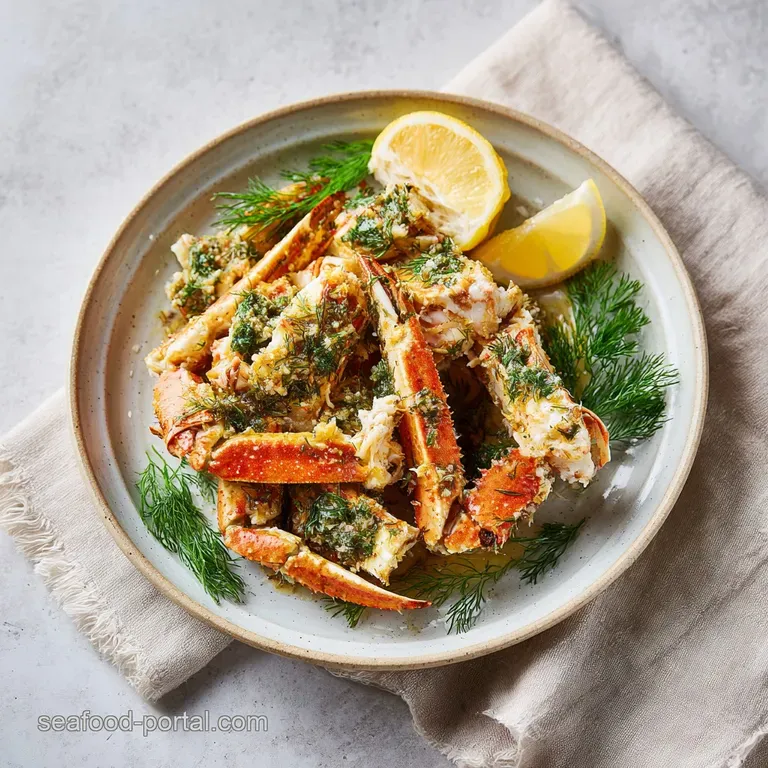
Even with a 15 minutes recipe, things can go sideways if the heat is too high or the ingredients aren't fresh.
The Garlic Turned Bitter
If your heat is too high, garlic goes from sweet to acrid in seconds. Always start with a cold pan or a very low flame. If the garlic turns dark brown or black, it's best to wipe the pan and start over, as that bitterness will ruin the whole batch of butter.
The Crab is Watery
Imitation crab often comes vacuum packed with a bit of excess moisture. If you notice a lot of liquid in the pan, it's because the crab is steaming instead of sautéing. This often happens if you use a Maryland Crab Soup Recipe technique in a sauté pan. To fix this, pat the crab dry with paper towels before it hits the fat.
| Problem | Root Cause | Solution |
|---|---|---|
| Rubbery Texture | Overcooking | Only heat for 4 minutes max; surimi is already cooked. |
| Separated Sauce | Not enough stirring | Stir rapidly when adding lemon juice to create an emulsion. |
| Bland Flavor | Lack of acidity | Add an extra squeeze of lemon or a splash of white wine. |
Common Mistakes Checklist
- ✓ Never use "jarred" minced garlic; the preservatives ruin the delicate herb balance.
- ✓ Don't skip the olive oil; it keeps the butter from burning during the garlic infusion.
- ✓ Use a pan large enough so the crab isn't crowded; this ensures even warming.
- ✓ Add the fresh herbs at the very end with the heat off to keep them vibrant green.
- ✓ Taste a piece before adding the 1g salt; some brands of surimi are saltier than others.
Smart Scaling for Any Group
Adjusting this recipe for a crowd or a solo lunch is easy if you follow a few basic ratios.
- Scaling Down (1-2 Servings): Cut all ingredients in half. Use a smaller 8 inch skillet to prevent the butter from spreading too thin and burning. Reduce the initial garlic sauté time by about 1 minute.
- Scaling Up (8+ Servings): Double the crab and butter, but only increase the salt and red pepper flakes by 1.5x to avoid over seasoning. You will need to work in batches or use a very large flat bottomed wok to ensure every piece gets that buttery "sear."
- Pasta Volume: If turning this into a main meal with 1 lb of pasta, double the 60g butter and 15ml lemon juice to ensure there is enough "sauce" to coat the noodles.
If you are looking for a more intense flavor profile while scaling up, you might want to try making a Boiling Crab Sauce recipe to use as a dipping base alongside this sauté.
Creative Ways to Customize Flavor
Once you have the basic technique down, you can pivot the flavor profile to suit your mood.
The "Imperial" Style
For a richer, more decadent version, mix the sautéed crab with 2 tablespoons of high-quality mayonnaise and a teaspoon of Old Bay seasoning. Transfer it to a small baking dish, top with panko breadcrumbs, and broil at 400°F (200°C) for 3 minutes until the top is a golden, shattering crust.
The Zesty Cream Version
Add 60ml of heavy cream and 1 tablespoon of capers right after the lemon juice. This creates a velvety, piccata style sauce that is incredible over a bed of angel hair pasta or even steamed zucchini noodles for a healthy imitation crab recipe option.
Seafood Kitchen Truths
Let's clear up some of the confusion surrounding this misunderstood ingredient.
Searing imitation crab does not "lock in" juices. Unlike a steak, surimi is a processed fish paste. Searing is strictly for developing surface flavor through the Maillard reaction with the added butter and sugars in the crab. It won't make it "juicier," but it will make it taste more complex.
"Real" crab isn't always better for this specific dish. While fresh lump crab is a luxury, it's very fragile. In a over high heat sauté with heavy garlic, the delicate sweetness of expensive crab can get lost.
The firm, bouncy texture of imitation crab actually holds up better to the vigorous tossing required for this herb infusion.
Best Practices for Storing Leftovers
This dish is best served immediately while the butter is in its liquid, "velvety" state, but you can save leftovers if you're careful.
- Fridge Storage: Keep in an airtight container for up to 2 days. The butter will solidify, so it will look a bit unappealing until reheated.
- Freezing: I don't recommend freezing this once it's cooked. The texture of the surimi becomes spongy and the herbs will turn into dark mush upon thawing.
- Zero Waste Tip: If you have leftover butter and herbs in the pan but no crab left, don't wash it! Toss in a handful of breadcrumbs to soak up the garlic fat, toast them until crunchy, and save them in a jar to sprinkle over salad or pasta the next day.
Ideas for the Perfect Presentation
If you're serving this as an appetizer, presentation is everything. I love to pile the warm, buttery crab into a shallow white bowl to show off the flecks of green parsley and red pepper.
The Classic Scampi Style Serve the crab alongside four thick slices of toasted sourdough bread rubbed with a raw garlic clove. This allows your guests to scoop up the extra garlic herb butter. It's the ultimate "mop up" move that everyone loves.
The Low Carb Healthy Option For a lighter take, serve the garlic and herb mixture inside large butter lettuce leaves or over a bed of sautéed spinach. The heat from the crab will slightly wilt the greens, creating a self made dressing from the lemon and butter.
It’s a brilliant way to keep things fresh and accessible for a quick lunch.
High in Sodium
895 mg mg of sodium per serving (39% % of daily value)
The American Heart Association recommends limiting sodium intake to about 2,300mg per day for overall health.
Tips to Reduce Sodium
-
Choose Real Crab-25%
Imitation crab is very high in sodium. Switching to real crab meat can significantly reduce sodium content.
-
Omit Added Salt-15%
The recipe calls for 1g of added salt. Taste the dish before adding any salt; you might find it's flavorful enough without it, especially considering the sodium in the imitation crab.
-
Lemon Power-10%
Enhance the citrus flavor by using more fresh lemon zest and juice. This will make the dish more flavorful, helping to compensate for the reduction of sodium.
-
Herb Power
Experiment with other fresh herbs like tarragon or chervil in addition to parsley and dill to add more depth of flavor.
Recipe FAQs
What seasonings go on imitation crab?
Garlic, parsley, dill, lemon zest, salt, and pepper are essential. These aromatics infuse the fat base, coating the imitation crab with savory, bright flavor that mimics real seafood preparations.
How to make imitation crab taste good?
Infuse butter with finely minced garlic and fresh herbs before warming the surimi. Treating it gently in a high-quality, flavored fat like a garlic herb butter elevates its texture and masks its processed quality.
What flavors go well with imitation crab?
Citrus, garlic, butter, and fresh green herbs pair exceptionally well. These flavors mimic classic seafood scampi profiles, adding richness and acidity to balance the mild flavor of the surimi.
What herbs and spices go well with crab?
Parsley, dill, and chives are the best fresh herbs for crab flavors. For spice, a small pinch of red pepper flakes or a dash of Old Bay seasoning provides complementary warmth without overpowering the delicate seafood flavor.
Is it true you must use high heat to sear imitation crab?
No, this is a common misconception; use medium low heat initially. Searing develops surface flavor, but high heat applied too early will cause the surimi structure to tighten and become rubbery.
How do I stop my imitation crab from tasting watery when I cook it?
Pat the imitation crab completely dry with paper towels before adding it to the hot fat. Excess moisture steams the crab instead of allowing the garlic butter to properly infuse and coat the pieces, leading to a bland result.
Can I turn this garlic butter preparation into a full pasta dish?
Yes, increase the butter and lemon juice to coat the noodles adequately. If you enjoyed mastering the technique of flavor infusion into the fat here, see how the same principle creates a luxurious coating in our How to Make recipe for a complete meal.
Garlic Herb Imitation Crab
Ingredients:
Instructions:
Nutrition Facts:
| Calories | 268 kcal |
|---|---|
| Protein | 14.2 g |
| Fat | 16.4 g |
| Carbs | 17.4 g |
| Fiber | 0.7 g |
| Sugar | 3.8 g |
| Sodium | 895 mg |
