Garlic Butter Lobster Tails: Broiled Decadence Made Simple
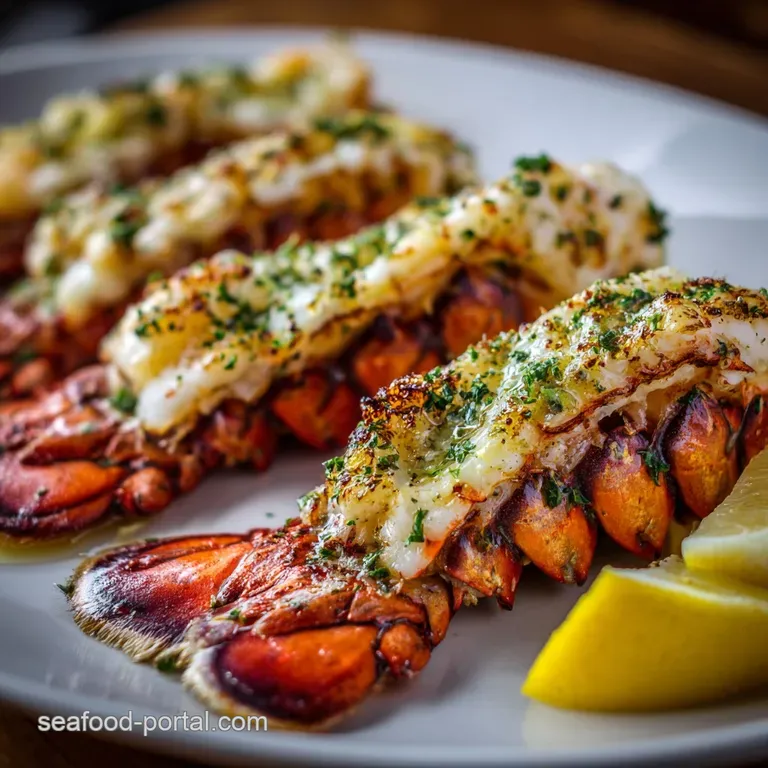
- The Ultimate Broiled Garlic Butter Lobster Tails: Dinner Party Decadence Made Simple
- The Science Behind the Perfect Broiled Texture and Flavor
- Essential Ingredients for Decadent Garlic Butter Lobster Tails
- Step-by-Step Guide: How to Prepare and Broil Lobster Tails
- Chef’s Secrets: Troubleshooting and Avoiding Rubber Lobster
- Storage Solutions: Keeping Leftover Garlic Butter Lobster Tails Fresh
- What to Serve Alongside Your Decadent Lobster Feast
- Recipe FAQs
- 📝 Recipe Card
The Ultimate Broiled Garlic Butter Lobster Tails: Dinner Party Decadence Made Simple
Oh, man. The minute that fragrant steam hits your face, you know you’ve done something brilliant. We're talking about those plump, white curls of lobster meat, drenched in shimmering, ridiculously potent garlic butter.
This isn't complicated cooking; this is maximum flavor return for minimal kitchen stress, and the texture is pure, sweet perfection fudgy yet firm.
Let’s be honest: restaurant lobster tails cost a fortune, and they often taste rubbery anyway. I figured out years ago that making them at home saves you a ton of cash and takes less time than calling for takeout.
Plus, using the broiler is a massive lifesaver because it cooks the meat fast and fierce, ensuring all that sweet moisture stays locked in.
This technique is my go-to for celebrating anything, even making it through a Tuesday. Forget boiling or grilling; we are diving into the butterflied, broiled method. Trust me, once you master the butterfly cut, you are 20 minutes away from feeling like a culinary superstar.
Let’s crack on with the best Garlic Butter Lobster Tails recipe you’ll ever need.
The Science Behind the Perfect Broiled Texture and Flavor
Why do we bother with the broiler, and what’s the big deal about butterflying the tail? It's simple science disguised as luxury. Broiling uses direct, intense heat from above, cooking the lobster extremely quickly.
This prevents the proteins from tightening up too much, which is the exact cause of that sad, squeaky, rubbery texture everyone dreads.
Demystifying the Essential Butterfly Cut Technique
The butterfly cut is non-negotiable here. Why? Because it exposes the maximum surface area of the lobster meat. This means every single crevice gets smothered in that magical garlic butter, and the intense heat cooks the meat evenly without the shell protecting the top.
You need super sharp kitchen shears for this. I learned the hard way that dull shears just mangle the beautiful shell.
What Makes Broiling Superior for Maximum Tenderness?
Broiling is fast and direct, mimicking the high heat of a commercial kitchen. If you tried to bake these, the process would take 25 minutes, and the meat would slowly dry out.
By placing the tails 6 to 8 inches from the heat source, we create a beautiful crust quickly, sealing in the juices while rendering the butter right into the meat. It's truly genius.
The Difference Between Warm Water and Cold Water Lobster Tails
If you see me at the seafood counter, I’m always grabbing cold water tails think Maine, South Africa, or Australia. Warm water lobsters (often from the Caribbean) are sometimes a bit tougher and lack the characteristic sweet, clean flavor of cold water varieties.
For this specific Garlic Butter Lobster Tail Recipe, splurge on the cold water kind. You’ll taste the difference immediately.
Achieving the Ideal Internal Temperature (Avoiding Rubberiness)
The enemy is anything over 145°F (63°C). Once lobster meat goes past this point, the proteins seize up tight. Aim for an internal temperature of 140°F (60° C) when you pull it from the oven. The meat will carry over cook for another minute or two, bringing it to perfect doneness.
Get yourself a simple instant read thermometer; it's the best $15 you’ll ever spend on seafood.
Understanding the Maillard Reaction on Seafood
That beautiful golden pink color on the surface of the exposed meat? That’s the Maillard Reaction at work. The high heat, combined with the small amount of dairy proteins and sugars in the butter, causes delicious browning.
The touch of smoked paprika I add helps deepen this color even further, making your dish visually stunning and tasting complex.
Why Clarified Butter is Optional But Highly Recommended
I sometimes clarify the butter if I’m feeling fancy, mostly because clarified butter (ghee) doesn't have the milk solids that can burn under the broiler. However, for speed, simply melting standard butter and allowing it to cool slightly works perfectly well, especially if you reserve half the mixture to drizzle on later.
If you use standard butter, just watch it like a hawk for black spots.
Essential Ingredients for Decadent Garlic Butter Lobster Tails
The beauty of this recipe is that the lobster is the star, and the garlic butter is the perfect supporting actor. We only need a few simple things, so quality really counts.
| Ingredient | Why I Use It | Smart Substitution |
|---|---|---|
| Cold Water Lobster Tails | Sweeter, cleaner flavor and firmer texture. | Large, butterflied jumbo shrimp work well, though the cook time drastically reduces. |
| Unsalted Butter | Allows you to control the salinity; rich flavor. | Salted butter, but omit the added salt until tasting. Or, high-quality vegan butter. |
| Fresh Garlic | Non-negotiable punchiness; brightness. | If truly desperate, use 1 tsp of good granulated garlic powder, but fresh is infinitely better. |
| Fresh Lemon Juice | Cuts through the richness; essential acidity. | A splash of dry white wine (like Pinot Grigio) or 1 tsp of apple cider vinegar for acidity. |
| Smoked Paprika | Color and a subtle, complex smoky depth. | Regular sweet paprika (for color) or a tiny pinch of chili powder for complexity. |
Selecting the Freshest Lobster Tails: Size and Origin Considerations
I usually go for the 4 5 ounce tails. They cook quickly and evenly. Anything over 8 ounces starts to require much more careful heat management and risks burning the exposed edges before the center is done.
Look for tails that are brightly colored, slightly curled (if frozen), and definitely avoid any that look slimy or smell strongly "fishy."
Elevating the Butter: Choosing Cultured European vs. Standard Salted
European style cultured butter (like Kerrygold) has a higher butterfat content and a richer, slightly tangier flavor profile. If you can get it, use it! It melts into a more luxurious, velvety sauce.
Standard unsalted butter is fine, but that European butter really makes the Garlic Butter Lobster Tail pop.
The Role of Acidity: Lemon Zest vs. Fresh Juice for Brightness
We use fresh lemon juice here because the acidity brightens up the rich butter and seafood. I usually use a bit of the zest, too, if the lemons are organic, since that oil is where the real perfume lives. Just remember to juice first, then zest, unless you want really slippery hands.
Garlic Preparation: Minced, Smashed, or Powdered?
Freshly minced, always. Use a rasp or a very fine mincer. Avoid smashing and roughly chopping, as big chunks of garlic will burn immediately under the broiler, leaving you with a bitter taste. We want the essence of the garlic infused into the butter, not charcoal shards.
Chef’s Note: Want that incredible, intense lobster flavor? I always drizzle a bit of the garlic butter mixture directly into the cavity of the exposed shell before cooking. It bastes the meat from below and keeps the platform moist. Don't skip this.
step-by-step Guide: How to Prepare and Broil Lobster Tails
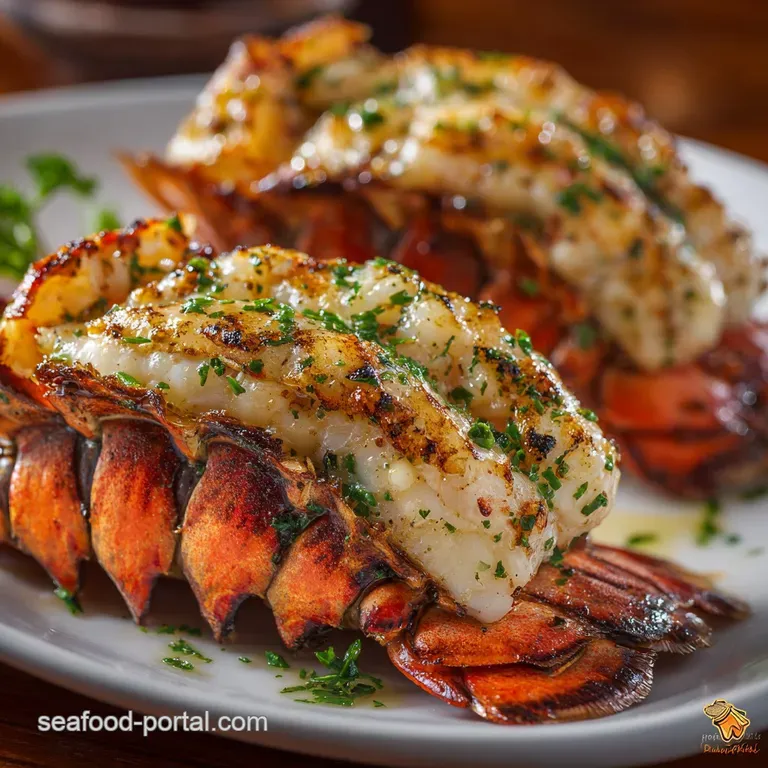
This is the fastest, most effective way to cook truly delicious Garlic Butter Lobster Tails in the oven. Precision is key because the cook time is so short.
Phase 1: Preparing the Compound Garlic Butter Basting Mixture
- Melt the butter gently until just liquid; do not brown it. We need it slightly cooled so the fresh garlic doesn't start cooking immediately.
- In a small bowl, whisk the melted butter with the finely minced garlic, fresh lemon juice, chopped parsley, smoked paprika, salt, and pepper.
- Crucially: Pour half of this mixture into a separate bowl and set it aside. This reserved butter is your finishing sauce.
Phase 2: Prepping the Tails and Setting the Broiler Temperature
- Position your oven rack about 6 to 8 inches below the broiler element. Turn the broiler on high and let it preheat fully.
- Take your thawed tails, rinse them quickly, and pat them dry I mean bone dry . Moisture is the enemy of flavor concentration.
- Using those sharp shears, cut through the top shell, lift the meat, and prop it up on the shell platform. Place them on a wire rack set on a baking sheet; the rack promotes airflow and prevents steaming. If you are struggling with the cut, I have a quick video tutorial linked in my Crab Legs with Garlic Butter Sauce Easy Oven Baked King Crab Recipe post!
Phase 3: The Critical Broiling Time and Basting Schedule
- Using the first half of the garlic butter, liberally brush the exposed lobster meat. Get every side, making sure the butter drips down into the base of the shell.
- Place the baking sheet under the broiler. Broil for 6 to 10 minutes. Do not leave the oven.
- Around the 4 minute mark, check the tails. If they look dry, pull them out quickly and give them one more light basting with the cooking butter mixture (the first half).
Knowing When the Lobster is Fully Cooked (The ‘Pop’ Test)
The shells will be fiery red, and the exposed meat will transform from translucent gray to opaque white/pink. The best way to tell is the "pop" test: gently touch the meat. It should feel firm, not squishy, and almost pop back slightly. If you stick in a thermometer, it should read 140°F (60°C).
If you’re unsure, 1 extra minute is better than serving raw lobster, but 2 extra minutes leads to tragedy.
Chef’s Secrets: Troubleshooting and Avoiding Rubber Lobster
I once served lobster that could have doubled as a tire patch. Awful! These tips ensure you don't make my rookie mistakes.
Mistake Proofing: The Dangers of Overcrowding the Broiler Pan
Lobster needs breathing room. If you overcrowd the pan, the air circulation around the tails is compromised, leading to steaming instead of fierce, direct heat. Keep at least 2 inches between each tail. If you are making 8 tails, use two pans and broil them separately.
Maximizing Flavor: How to Infuse the Garlic Butter Effectively
My secret: Let the garlic sit in the melted butter for about 5 minutes before you brush it on. This allows the heat of the butter to gently temper the raw edge of the garlic, infusing the flavor deeply without starting the actual cooking process. This really elevates the whole dish. You can apply this same infusion trick when making something like my Bay Scallops with Lemon Butter: Speedy Restaurant Quality Sear .
Don't Waste the Shell: Utilizing the Cavity for Extra Moisture
The shell isn't just a serving vehicle. Before you lift the meat, the shell contains residual moisture. When you press the meat down onto the shell platform, ensure the meat doesn't touch the pan below. The shell acts as a buffer, ensuring the intense broiler heat doesn't scorch the delicate underside of the meat.
Storage Solutions: Keeping Leftover Garlic Butter Lobster Tails Fresh
Safe Refrigeration and Immediate Use Guidelines
If you miraculously have leftovers, transfer the cooked lobster meat to an airtight container immediately. It will keep safely in the fridge for up to 3 days. However, lobster is best consumed within 24 hours.
The longer it sits, the tougher the texture tends to become, even when stored correctly.
The Best Way to Reheat Cooked Lobster Meat (Oven vs. Air Fryer)
Never, ever microwave cooked lobster. It turns it into chewing gum instantly. The best method is the low and slow oven approach:
- Wrap the meat tightly in foil (or leave it in the shell, wrapped in foil).
- Add a tiny splash of water or extra garlic butter inside the foil packet to generate steam.
- Reheat in a 300°F (150°C) oven for about 5 to 7 minutes, or until just warmed through.
The air fryer works well too! Set it to 300°F and heat for 3- 5 minutes. This is similar to the rapid heating I use when making Shrimp Kabobs: Sun-Drenched Lemon Garlic Recipe for the Grill , just without the skewer.
Can You Freeze Cooked Lobster Tails?
Yes, but should you? Honestly, no. Freezing cooked lobster meat tends to degrade the texture, making it mushy and stringy when thawed. If you must freeze them, shred the meat and use it within 2 months for something like lobster rolls or a bisque where texture is less critical.
What to Serve Alongside Your Decadent Lobster Feast
Because these Garlic Butter Lobster Tails are so rich and intense, you want sides that are either clean and green, or starchy and luxurious. I love serving this with creamy risotto or some simple roasted asparagus spears tossed with a little olive oil and sea salt.
A simple, crunchy salad is also a fantastic counterpoint to the richness.

Recipe FAQs
How do I know when the lobster tails are perfectly cooked?
Lobster meat is done when it turns opaque white and registers an internal temperature of 140°F (60°C) at the thickest part. Overcooking is the primary cause of tough or rubbery texture, so monitoring the temperature closely is essential for achieving that tender, sweet meat.
Why did my lobster meat turn out tough and rubbery?
A rubbery texture is the definitive sign of overcooked lobster, which causes the proteins to seize up and lose moisture rapidly. Since this recipe utilizes a high heat broiler, ensure you are cooking the tails for only the specified time range (usually 8-10 minutes for medium tails) and do not stray far from the oven during cooking.
Can I use frozen lobster tails, and how should I thaw them?
Yes, frozen tails work perfectly well, but they must be thawed properly before cooking to maintain their texture. Transfer the tails from the freezer to the refrigerator 24 hours before you plan to cook them, or use the faster method of placing them in a sealed bag under cold, running water for about 30 60 minutes.
Should I use salted or unsalted butter for the garlic sauce?
Unsalted butter is generally recommended for the garlic sauce as it gives you complete control over the total sodium content of the dish. If you only have salted butter on hand, simply omit the added salt specified in the recipe and taste the final melted mixture before basting the lobster.
Is the butterfly cut necessary, or can I cook the tails whole?
While you can cook the tails whole, the butterfly cut is highly recommended because it ensures faster and more even cooking under the broiler. More importantly, this preparation allows the savory garlic butter to deeply penetrate the meat, maximizing flavor infusion and moisture retention.
I don't have a broiler. Can I bake or grill the lobster tails instead?
Yes, you can easily adapt this recipe to other cooking methods. If baking, preheat your oven to 400°F (200°C) and bake the butterflied tails for 12 15 minutes, basting with butter halfway through.
For grilling, place the tails shell side down over medium high heat and cook for 8 10 minutes until opaque white.
How should I store and reheat leftover Garlic Butter Lobster Tails?
Store cooked lobster in an airtight container in the refrigerator for up to 2 days; beyond that, the texture begins to degrade. If reheating, the best method is low and slow in a 350°F (175°C) oven with a small pat of butter to prevent drying, or you can serve the cold leftovers diced into salads.
Garlic Butter Lobster Tails Broiled

Ingredients:
Instructions:
Nutrition Facts:
| Calories | 312 kcal |
|---|---|
| Protein | 16.0 g |
| Fat | 27.0 g |
| Carbs | 2.0 g |
