Charred Garlic Butter Grilled Shrimp Skewers
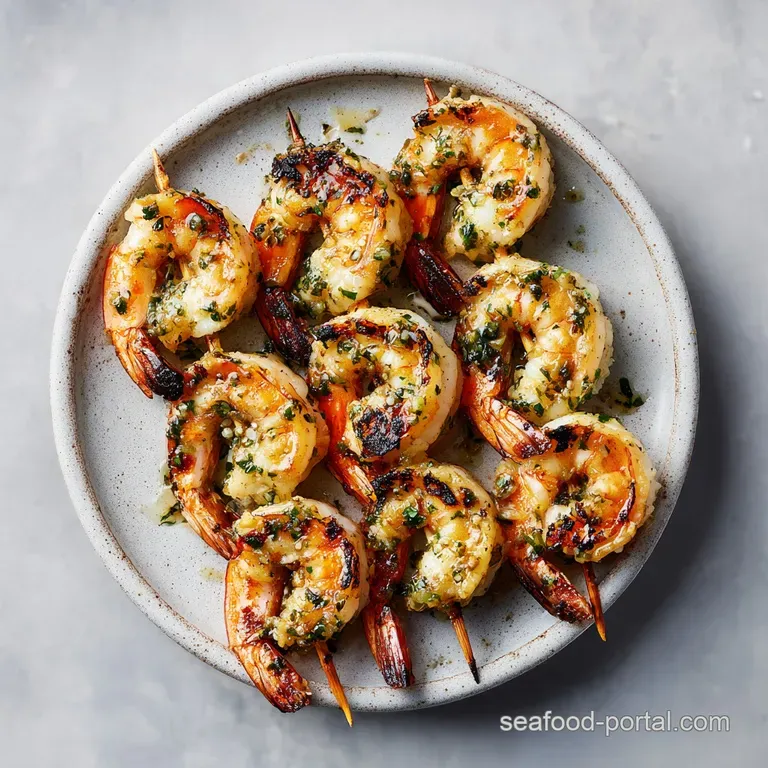
- Time: Active 15 minutes, Passive 6 minutes, Total 21 minutes
- Flavor/Texture Hook: Smoky, garlicky, and incredibly succulent with a crisp exterior snap
- Perfect for: Backyard summer cookouts or a rapid weeknight protein boost
- Secret to Perfect Grilled Shrimp Skewers
- Timing and Serving Essentials
- Ingredient Science and Sourcing
- Sourcing Premium Elements and Substitutes
- Tools for Flawless Grilling
- Grilling Process and Sensory Cues
- Troubleshooting and Expert Techniques
- Scaling Guidelines
- Global Variations and Substitutes
- Culinary Myths
- Storage and Leftover Solutions
- Plating and Pairing Ideas
- Recipe FAQs
- 📝 Recipe Card
Secret to Perfect Grilled Shrimp Skewers
Have you ever wondered why restaurant shrimp always has that distinctive "snap" while the ones we make at home sometimes turn into chewy, rubbery little pucks? It is a question that haunted my kitchen for a long time until I realized we often treat shrimp like they are mini steaks, when they are actually delicate little bundles of protein and water.
If you look closely at a shrimp, you will see it is mostly translucent. The moment that translucency turns opaque, the clock is ticking. One minute too long and you have lost the moisture forever.
I remember one specific evening trying to impress some friends with a massive seafood spread. I left the skewers on the grill for just "one more minute" while I grabbed the serving platter. By the time I got back, they had curled into tight, hard "O" shapes. That was the day I learned the "C" rule.
A shrimp shaped like a "C" is cooked, but a shrimp shaped like an "O" is overcooked. It is a tiny visual cue that changes everything about your dinner.
This recipe is designed to help you avoid those common kitchen heartbreaks. We are going to use a specific double skewer method to make sure they don't spin around like tiny windmills when you try to flip them.
We are also focusing on a marinade that builds layers of flavor without breaking down the delicate meat before it even hits the heat. Get your grill grates cleaned and ready, because these take only 6 minutes to cook, and they disappear even faster.
Timing and Serving Essentials
When we talk about efficiency in the kitchen, these Grilled Shrimp Skewers are the gold standard. You can go from standing in your pantry to sitting at the table in just 21 minutes. This makes it an ideal candidate for those nights when the thought of a long cook feels impossible.
Because we are using 16/20 count shrimp, which are quite large, they have enough surface area to catch the smoke of the grill without drying out in seconds.
The beauty of this dish lies in its rapid turnaround. You spend 15 minutes on the prep, which is mostly just peeling the shrimp and whisking the garlic butter together. Once they hit the grates, it is a fast paced 6 minutes of activity.
You can't walk away to check your phone or pour a glass of wine once the cooking starts. It requires your full attention for those few minutes, but the payoff is a texture that is velvety on the inside and slightly charred on the outside.
Heat Stability: Using a mix of butter and olive oil prevents the garlic from burning too quickly while providing a rich mouthfeel.
Protein Integrity: We wait until the very last second to add the lemon juice. If you marinate shrimp in acid for too long, the acid actually "cooks" the protein (like ceviche), which results in a mushy texture once it hits the actual heat of the grill.
Quick Decision Done ness Guide
| Shrimp Thickness | Internal Temp | Rest Time | Visual Cue |
|---|---|---|---|
| 1.5 cm (Small) | 63°C | 1 minute | Opaque pink, loose "C" shape |
| 2.5 cm (Large) | 63°C | 2 minutes | Firm to touch, white center |
| 3.5 cm (Jumbo) | 63°C | 3 minutes | Slight char, tail turns bright red |
The internal temperature of 63°C is your "sweet spot" for seafood safety and texture. I usually pull mine off the grill about 2 degrees early because the carryover heat will finish the job while you are walking them to the table.
Ingredient Science and Sourcing
Understanding the "why" behind your ingredients helps you make better choices at the grocery store. For this dish, the shrimp is the star, so we want the 16/20 size. This numbering means there are 16 to 20 shrimp per pound.
Anything smaller will cook too fast, and anything larger can sometimes get a bit tough if you aren't careful. I always look for "tail on" because the tail acts as a little handle and adds extra flavor to the oil as it renders.
We use unsalted butter specifically so we can control the seasoning ourselves. Different brands of salted butter have wildly different sodium levels, which can turn your dinner into a salt lick if you aren't careful. Grating the garlic into a paste rather than mincing it is another small but vital step.
This ensures the garlic flavor is evenly distributed in the fat, rather than having big chunks that might burn and turn bitter on the hot grill.
| Component | Science Role | Pro Secret |
|---|---|---|
| Smoked Paprika | Provides depth and color | Use "Pimentón de la Vera" for a truly authentic woody aroma. |
| Garlic Paste | Emulsifies the fat | Grate it on a microplane to release all the essential oils immediately. |
| Lemon Zest | Delivers aroma without acid | Adds the scent of citrus without breaking down the shrimp proteins. |
The olive oil in this recipe acts as a over high heat vehicle for the butter. While butter tastes incredible, it has a low smoke point. By mixing it with extra virgin olive oil, we can get that rich flavor while keeping the fat stable at the 200°C temperatures required for a good sear. This is a classic trick I use in my Garlic Butter Shrimp recipe as well.
Sourcing Premium Elements and Substitutes
To get the best results, start with high-quality seafood. Frozen shrimp is often actually fresher than the "fresh" shrimp at the counter, because it is flash frozen on the boat right after being caught.
If you buy from the display case, you are often buying shrimp that was frozen and then thawed in the store, meaning the clock is already ticking on its freshness.
- 1.5 lbs Large Shrimp: Look for 16/20 count. If you use smaller ones, reduce the cook time to 4 minutes total.
- 4 tbsp Unsalted Butter: Provides that luxurious, velvety coating.
- 2 tbsp Extra Virgin Olive Oil: Keeps the butter from burning and adds a peppery finish.
- 4 cloves Garlic: Grated into a paste for maximum infusion.
- 1 tsp Smoked Paprika: This provides the "grilled" flavor even if you are using a stovetop pan.
- 0.5 tsp Red Pepper Flakes: Adds a gentle hum of heat that doesn't overwhelm.
- 1 tbsp Fresh Lemon Juice: The bright finish that cuts through the fat.
- 1 tsp Lemon Zest: For those floral citrus notes.
- 2 tbsp Fresh Parsley: Always use flat leaf (Italian) parsley for better flavor.
- 0.5 tsp Sea Salt: Enhances all the other flavors.
- 0.25 tsp Cracked Black Pepper: For a foundational bite.
| Original Ingredient | Substitute | Why It Works |
|---|---|---|
| Unsalted Butter | Ghee (Clarified Butter) | Has a much higher smoke point and a deeper, nuttier flavor profile. |
| Smoked Paprika | Chipotle Powder | Adds a similar smokiness but significantly increases the heat level. |
| Fresh Parsley | Fresh Cilantro | Changes the profile to a more vibrant, Latin inspired flavor. |
If you are looking to save a little money, you can often find "Easy Peel" shrimp which are already deveined but still have the shell on. It takes a few extra minutes to remove those shells yourself, but it can save you several dollars per pound compared to the fully cleaned ones.
Tools for Flawless Grilling
You don't need a professional kitchen, but a few specific tools will make this process much smoother. First and foremost, let's talk about skewers. If you are using wooden bamboo skewers, you must soak them in water for at least 30 minutes before threading the shrimp.
If you don't, they will catch fire and snap, leaving your dinner in the coals. I personally prefer flat metal skewers because they prevent the shrimp from spinning when you flip them.
A high-quality grill brush is also essential. Any leftover bits of salmon or burgers from your last cookout will stick to the delicate shrimp and ruin the flavor. You want those grates screaming hot and perfectly clean.
A small silicone basting brush is also useful for applying that extra garlic butter during the final minute of cooking.
- Double Skewers: Use two parallel skewers per row of shrimp. This is the ultimate "pro" move. It locks the shrimp in place so they move as one unit when you flip them.
- Microplane: This is the best tool for the garlic and lemon zest. It creates a fine paste that blends perfectly into the oil.
- Paper Towels: You will need plenty of these. Drying the shrimp is the most important step for a good sear.
If you are cooking indoors, a heavy cast iron grill pan is your best friend. It holds heat beautifully and creates those iconic char marks. If you go this route, make sure your kitchen is well ventilated, because that smoked paprika and garlic will create quite a bit of aromatic smoke as it hits the pan.
Grilling Process and Sensory Cues
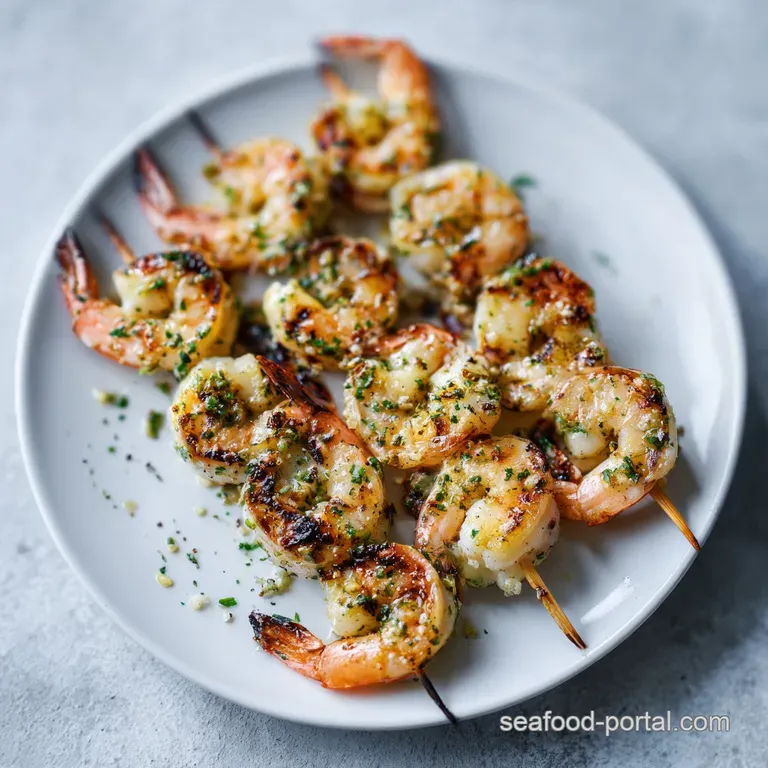
The first thing you should do is pat those shrimp dry. I mean really dry. If there is moisture on the surface, they will steam instead of searing. You want to hear a distinct sizzle the moment they touch the grates. As you whisk the marinade, notice the aroma of the smoked paprika mixing with the garlic.
It should smell earthy and pungent.
Once you add the lemon juice at the end, the marinade will thicken slightly. This is exactly what you want. When you thread the shrimp, pierce them once through the thick head end and once through the tail end. This creates a stable "U" shape that stays put.
- Prep the Shrimp: Remove them from the fridge and pat completely dry with double layers of paper towels. Note: Dry surface = better crust.
- Mix the Base: In a small bowl, whisk the melted butter, olive oil, garlic paste, smoked paprika, red pepper flakes, sea salt, and black pepper.
- Brighten It Up: Whisk in the fresh lemon juice and zest right before you start threading. Note: This prevents the acid from "cooking" the shrimp early.
- The Double Thread: Thread the shrimp onto skewers, using two parallel skewers to prevent spinning.
- Fire Up the Grill: Preheat to medium high heat (about 200°C) and lightly oil the grates.
- The First Sear: Place skewers on the grill and cook for 2-3 minutes until the edges turn pink and opaque.
- The Flip: Turn the skewers and cook for another 2-3 minutes.
- The Butter Baste: Brush with the remaining garlic butter during that final minute until you smell the garlic toasting.
- The Finish: Remove from heat immediately when the shrimp form a loose "C" shape.
- Garnish: Sprinkle with fresh parsley and serve while steaming hot.
When you are grilling, keep an eye on the color. Shrimp go from gray to a beautiful vibrant orange pink. The moment the center of the thickest part is no longer translucent, they are done. If you see the shrimp pulling into a tight circle, get them off the heat immediately.
They are telling you they are starting to dry out.
Troubleshooting and Expert Techniques
The most common issue people face with Grilled Shrimp Skewers is sticking. This usually happens for two reasons: the grill wasn't hot enough, or the shrimp were too wet. A cold grill grate will "grab" the protein, whereas a hot one will sear it and naturally release it.
If you try to flip a skewer and it feels stuck, give it another 30 seconds. Often, the food will release itself once the crust has formed.
Another pitfall is flare ups. Because we are using butter and oil, some fat will inevitably drip into the flames. If a fire starts, don't panic and don't pour water on it. Simply move the skewers to a "cool zone" on the grill (an area with no direct flame) until the flare up dies down.
Why Your Shrimp Is Rubbery
If your shrimp feels like a bouncy ball, it is simply overcooked. The proteins in shrimp are very short, and they contract quickly under heat. Once they contract fully, they squeeze out all the moisture, leaving behind a rubbery mesh. Always aim for that "C" shape.
If the head and tail are touching, it is an "O", and it is over.
Solving Grilling Hurdles
| Problem | Root Cause | Solution |
|---|---|---|
| Shrimp tastes bitter | Garlic burned on the grill | Grate garlic finer and only baste during the final 60 seconds of cooking. |
| Uneven cooking | Shrimp are touching too closely | Leave a 5mm gap between each shrimp on the skewer for air circulation. |
| Bland flavor | Not enough salt in the marinade | Sea salt is heavy; ensure you use the full 0.5 tsp and sprinkle extra at the end. |
Common Mistakes Checklist
- ✓ Never skip the pat dry step; wet shrimp will never get those crispy edges.
- ✓ Do not marinate for longer than 15 minutes, or the texture will become grainy.
- ✓ Avoid over crowding the skewers; heat needs to circulate around the entire shrimp.
- ✓ Always preheat your grill for at least 10 minutes before the shrimp touch the grates.
- ✓ Keep a "cool zone" on your grill for emergencies if flare ups occur.
Scaling Guidelines
If you are cooking for a crowd, you can easily double or triple this recipe. However, there are a few things to keep in mind. When scaling up, do not just double the red pepper flakes. Spices tend to intensify in larger batches, so I usually go with 1.5x the spices for a 2x batch of shrimp.
You can always add more at the end, but you can't take it away.
- Scaling Down (1-2 people): Use a smaller bowl for the marinade to ensure the shrimp are well coated. You can use a toaster oven or a small cast iron skillet for the cook.
- Scaling Up (8-10 people): Work in batches. If you put 20 skewers on the grill at once, the temperature of the grates will drop significantly, leading to steaming. Cook half, keep them warm under foil, and then cook the second half.
- The 1.5x Rule: For salt and pepper, increase by 1.5 times when doubling the main protein to avoid over seasoning.
If you are doing a massive batch, you might want to consider Spicy Citrus Grilled Shrimp as a secondary flavor profile to give your guests some variety. It uses many of the same base ingredients but shifts the flavor towards a more tropical vibe.
Global Variations and Substitutes
One of the reasons I love Grilled Shrimp Skewers so much is how adaptable they are. You can take this basic technique and move it all over the world just by swapping a few spices. The method stays exactly the same, which makes it a very powerful tool in your cooking arsenal.
- Mediterranean Style: Swap the smoked paprika for dried oregano and add a tablespoon of capers to the finished butter sauce. Serve with a side of feta cheese.
- Asian Inspired: Replace the butter with sesame oil and the lemon with lime juice. Add a splash of soy sauce and some grated ginger to the marinade.
- Latin Heat: Use chipotle powder instead of paprika and finish with a heavy handful of fresh cilantro and a squeeze of charred lime.
Budget Friendly Alternatives
| Premium | Budget | Flavor Impact | Savings |
|---|---|---|---|
| Fresh Jumbo Shrimp | Frozen Large Shrimp | Negligible if thawed properly in the fridge. | Save $5-7 per lb |
| Extra Virgin Olive Oil | Grapeseed Oil | Less peppery, but handles high heat even better. | Save $0.15 per tbsp |
| Fresh Garlic Bulbs | Pre peeled Garlic | Slightly less pungent but saves significant prep time. | Save 5 mins prep |
Culinary Myths
There is a long standing myth that you should leave the shells on to "seal in the juices." While the shell does provide a bit of a buffer against the heat, it also prevents the marinade from actually touching the meat. For these skewers, we want that garlic butter to penetrate the shrimp.
By peeling them but leaving the tail on, we get the best of both worlds: maximum flavor infusion and a beautiful presentation.
Another common misconception is that you need to soak metal skewers. You don't! Metal skewers are great because they actually conduct heat into the center of the shrimp, helping them cook more evenly from the inside out. Just be careful, because those metal handles will be extremely hot!
Always use tongs or a grill mitt when handling them.
Storage and Leftover Solutions
Shrimp is best eaten the moment it comes off the grill, but if you have leftovers, they can be stored in the fridge for up to 2 days. I don't recommend reheating them in the microwave, as they will turn into rubber instantly.
Instead, eat them cold on a salad or toss them into a hot pasta dish at the very last second just to warm them through.
- Fridge: Store in an airtight container for 48 hours.
- Freezer: I don't recommend freezing cooked shrimp, as the texture suffers significantly upon thawing.
- Zero Waste Tip: Don't throw away those shrimp shells! Throw them in a bag in the freezer. When you have a pound of them, simmer them with some onion, celery, and water for 20 minutes to make a spectacular seafood stock for risotto or chowder.
Plating and Pairing Ideas
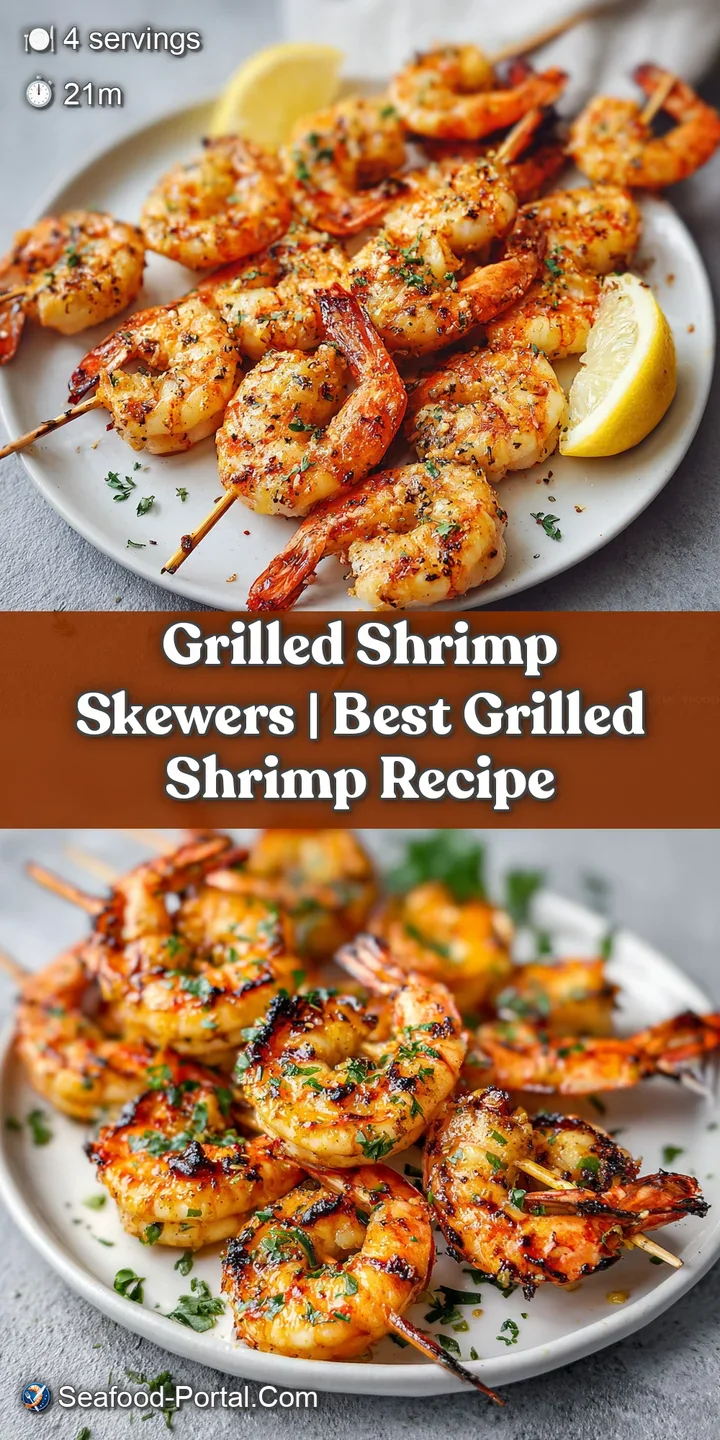
To serve these, I like to pile the skewers high on a wooden board or a large white platter. The contrast of the charred orange shrimp against the bright green parsley is stunning. Provide a few extra lemon wedges on the side, as some people love that extra hit of acid.
- The Classic Side: A simple bed of fluffy jasmine rice or a quick quinoa salad works wonders to soak up all that extra garlic butter.
- The Low Carb Option: Serve over a bed of sautéed zucchini noodles or a crisp arugula salad with a light vinaigrette.
- The Drink Pairing: A crisp, cold Sauvignon Blanc or a light pilsner beer will cut through the richness of the butter perfectly.
If you really want to go all out, serve these alongside a small bowl of my Chilled Shrimp Cocktail Sauce. The cold, spicy horseradish in the sauce provides an incredible contrast to the warm, smoky grilled shrimp. It's a flavor combination that always gets people talking at parties. Just remember to keep it simple the shrimp are so flavorful on their own that they don't need much help!
Recipe FAQs
What is a good marinade for shrimp skewers on the grill?
Use a mixture of melted butter, olive oil, garlic paste, smoked paprika, red pepper flakes, sea salt, and black pepper. Whisk in fresh lemon juice and zest immediately before threading to keep the marinade balanced and prevent protein denaturation.
What does Texas Roadhouse put on their grilled shrimp?
They use a signature garlic butter based seasoning blend. While their specific recipe is proprietary, you can achieve a similar flavor profile by brushing your skewers with the melted butter, garlic paste, and lemon mixture during the final minute of grilling.
What are some tips for grilling shrimp kabobs?
Thread the shrimp using a double skewer method to prevent them from spinning on the stick. Pierce through both the head and tail ends to hold the shrimp flat against the heat, ensuring even cooking.
What is the secret to grilling shrimp?
The secret is moisture control and high heat. Pat the shrimp completely dry with paper towels before seasoning to ensure a perfect sear, and if you enjoyed mastering this high heat searing technique, see how we apply the same principle to our Cantonese style lobster.
How to keep shrimp from sticking to the grill?
Preheat your grill to medium high heat (400°F) and brush the grates lightly with oil. If you feel resistance when trying to flip, wait another 30 seconds; the shrimp will naturally release from the grate once a proper crust has formed.
Is it true I should let the shrimp marinate for several hours?
No, this is a common misconception. Because this marinade contains lemon juice, marinating for more than a few minutes will cause the acid to start "cooking" the shrimp, leading to a mealy, rubbery texture.
How to serve leftover grilled shrimp?
Eat them cold over a fresh salad or toss them into a hot pasta dish at the very last second. Never reheat shrimp in the microwave, as the high heat will instantly turn the delicate protein into rubber.
Garlic Butter Grilled Shrimp Skewers
Ingredients:
Instructions:
Nutrition Facts:
| Calories | 334 kcal |
|---|---|
| Protein | 34.4 g |
| Fat | 19.2 g |
| Carbs | 2.1 g |
| Fiber | 0.4 g |
| Sugar | 0.3 g |
| Sodium | 348 mg |
