Fried Branzino: Restaurant Quality
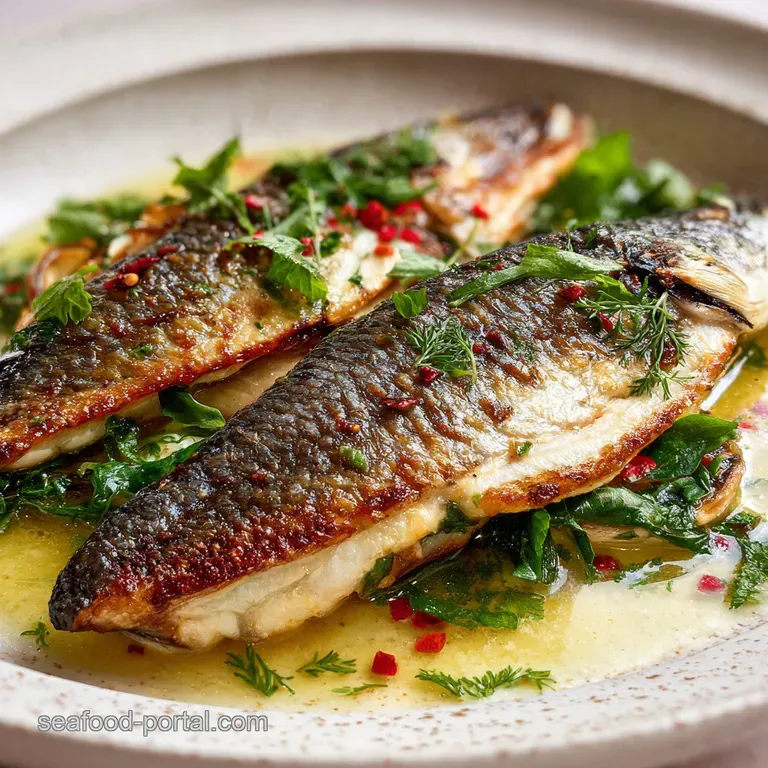
- Time: Active 10 mins, Passive 8 mins, Total 18 mins
- Flavor/Texture Hook: Shatter crisp skin paired with velvety, buttery flesh.
- Perfect for: An impressive date night or a fast, nutritious weeknight dinner.
- Unlock the Secrets to Making Fried Branzino with Crispy Skin
- Why This Simple Seafood Technique Works
- Everything Needed for a Flawless Branzino Filet
- Mastering the Art of Pan Frying Fish
- Solving Common Searing and Texture Issues
- Adjusting the Recipe for Different Quantities
- Traditional Seafood Preparation Myths
- Practical Storage and Waste Reduction
- Perfect Pairings for Mediterranean Fish
- Fried Branzino Recipe FAQs
- 📝 Recipe Card
Unlock the Secrets to Making Fried Branzino with Crispy Skin
Picture this: your kitchen is filled with the bright, zesty aroma of lemon and the earthy scent of toasted thyme. There is a rhythmic, steady hiss from the pan that tells you the sear is exactly where it needs to be.
When you finally plate the fish, the skin doesn't just look golden it crackles like parchment when your fork touches it. That first bite is a contrast of textures that makes you wonder why you ever bothered ordering fish at a bistro.
I used to be terrified of cooking skin on fish. I’ve lived through the trauma of beautiful filets sticking to the pan, leaving the best part behind in a charred mess. It was heartbreaking and, frankly, quite messy to clean up.
But after years of experimenting and a few deep dives into kitchen physics, I realized that achieving a world class result with Fried Branzino isn't about luck. It is about moisture management and choosing the right fat for the job.
We are going to walk through the exact steps I use to get that elusive, potato chip style crunch every single time. There are no complicated techniques or expensive gadgets required here. Once you understand how heat interacts with the proteins and the skin, you will be able to replicate this effortlessly.
Trust me, once you master the "press and sear" method, you’ll never go back to plain baked fish again.
Why This Simple Seafood Technique Works
The Science of Why it Works
High thermal conductivity in grapeseed oil creates an immediate sear that rapidly dehydrates the skin’s surface for a shatter crisp texture. Simultaneously, the Maillard reaction between proteins and sugars creates complex savory flavor compounds while the delicate flesh remains moist through gentle indirect heat.
- Mechanical Dehydration: Pressing the fish flat against the hot pan prevents the skin from curling, ensuring every millimeter of surface area makes contact for even browning.
- Protein Denaturation: Starting with a cold ish pan vs. a screaming hot one allows the proteins to tighten slowly, reducing the amount of moisture squeezed out of the cells.
- Butter Basting Emulsion: Finishing with butter adds a velvety mouthfeel and introduces milk solids that brown and cling to the nooks and crannies of the seared skin.
- Aromatic Infusion: The essential oils in the garlic and thyme are fat soluble, meaning they migrate into the butter and then into the fish for deep, layered flavor.
| Thickness | Internal Temp | Rest Time | Visual Cue |
|---|---|---|---|
| 0.5 inch | 145°F | 2 mins | Flesh is opaque and flakes easily |
| 0.75 inch | 145°F | 3 mins | Center of the thickest part is white |
| 1.0 inch | 145°F | 4 mins | Side of the filet feels firm to touch |
The table above is your primary guide for ensuring you don't overcook your delicate filets. Since branzino is quite lean, even thirty seconds too long in the pan can turn it from silky to dry.
I always suggest pulling the fish off the heat when it hits 140°F, as carryover cooking will bring it to the finish line while it rests on your plate.
Everything Needed for a Flawless Branzino Filet
When you are making Fried Branzino, the quality of your ingredients speaks volumes. You aren't hiding behind a heavy sauce or breading, so every component needs to earn its spot in the pan. I prefer using grapeseed oil because it has a high smoke point and a neutral profile that doesn't compete with the fish.
| Component | Science Role | Pro Secret |
|---|---|---|
| Grapeseed Oil | High Smoke Point | Prevents the oil from breaking down and tasting acrid at high searing temps. |
| Unsalted Butter | Maillard Reaction | The milk solids caramelize during the final minute, adding nuttiness and a golden hue. |
| Fresh Thyme | Lipid Soluble Flavor | The heat of the oil ruptures the herb's cells, releasing oils that flavor the entire dish. |
| Sea Salt | Osmotic Draw | Pulls moisture to the surface where it can be wiped away, ensuring a better crunch. |
It is worth noting that the choice of salt matters more than you might think. Fine sea salt dissolves quickly and penetrates the skin, whereas large flakes might stay on the surface and create "wet spots" that prevent even crisping. If you enjoy a bit of heat, you might try the seasoning profile found in my Spicy Southern Fried recipe, though for branzino, I usually keep it classic with just salt and pepper.
Ingredients & Substitutes
- 2 large branzino filets (7 oz each): Look for clear, bright skin and firm flesh. Why this? Branzino is mild, sweet, and has a high skin to flesh ratio for crunch.
- Substitute: Red Snapper or Sea Bream (Orata).
- 2 tbsp grapeseed oil: Essential for the over high heat phase. Why this? It handles high heat without smoking or adding unwanted flavors.
- Substitute: Avocado oil or refined light olive oil.
- 0.5 tsp fine sea salt: Use for both seasoning and moisture removal. Why this? Fine grains dissolve instantly for better surface dehydration.
- Substitute: Kosher salt (use 1 tsp).
- 0.25 tsp freshly cracked black pepper: For a subtle bite. Why this? Freshly ground oils are more aromatic than pre ground pepper.
- Substitute: White pepper for a cleaner look.
- 2 tbsp unsalted butter: For the finishing baste. Why this? Adds richness and helps achieve a deep golden color.
- Substitute: Ghee (if you need a higher smoke point).
- 2 cloves garlic, crushed: For a mellow, savory background note. Why this? Crushing releases the juices without burning like minced garlic would.
- Substitute: Garlic infused oil for a milder touch.
- 1 sprig fresh thyme: Provides an earthy contrast to the citrus. Why this? Thyme stands up well to the heat of the butter baste.
- Substitute: Fresh rosemary or oregano.
- 1 lemon: Half for slices, half for juice. Why this? The acidity cuts through the fat of the butter and oil.
- Substitute: Lime for a more tropical, sharp acidity.
Mastering the Art of Pan Frying Fish
Chef's Tip: Freeze your butter for 10 minutes before adding it to the pan. This allows it to melt more slowly, giving you a longer window to baste the fish before the milk solids turn from brown to burnt.
- Dry the filets. Use paper towels to press firmly on both sides of the fish. Note: Moisture is the enemy of a crispy sear; any dampness will steam the fish instead of frying it.
- Season the skin. Sprinkle the salt and pepper over the skin side only at first. Note: Salt helps draw out deep seated moisture from the skin's pores.
- Heat the pan. Add 2 tbsp grapeseed oil to a heavy skillet over medium high heat. Wait for the oil to shimmer and show thin wisps of smoke.
- Place the fish. Lay the filets in the pan, skin side down, moving away from you to avoid splashes. Note: You should hear a vigorous, sharp sizzle immediately.
- Apply pressure. Use a flexible spatula to press the filets flat for the first 30 seconds. This prevents the natural curling of the skin.
- Maintain the sear. Cook for 4 to 5 minutes without moving the fish. Watch for the edges of the skin to turn opaque and golden brown.
- Flip carefully. Turn the filets over once the skin is "shatter crisp." Note: The fish should release naturally from the pan once the crust has formed.
- Introduce aromatics. Lower the heat to medium. Add 2 tbsp unsalted butter, 2 crushed garlic cloves, and 1 sprig of thyme. The butter will froth and smell intensely nutty.
- Baste the skin. Tilt the pan and spoon the bubbling butter over the skin for 2 minutes. The aroma should be a mix of toasted herbs and caramelized milk solids.
- Finish and rest. Squeeze the lemon juice over the filets and remove them from the pan. Let rest for 2 minutes to allow juices to redistribute.
Solving Common Searing and Texture Issues
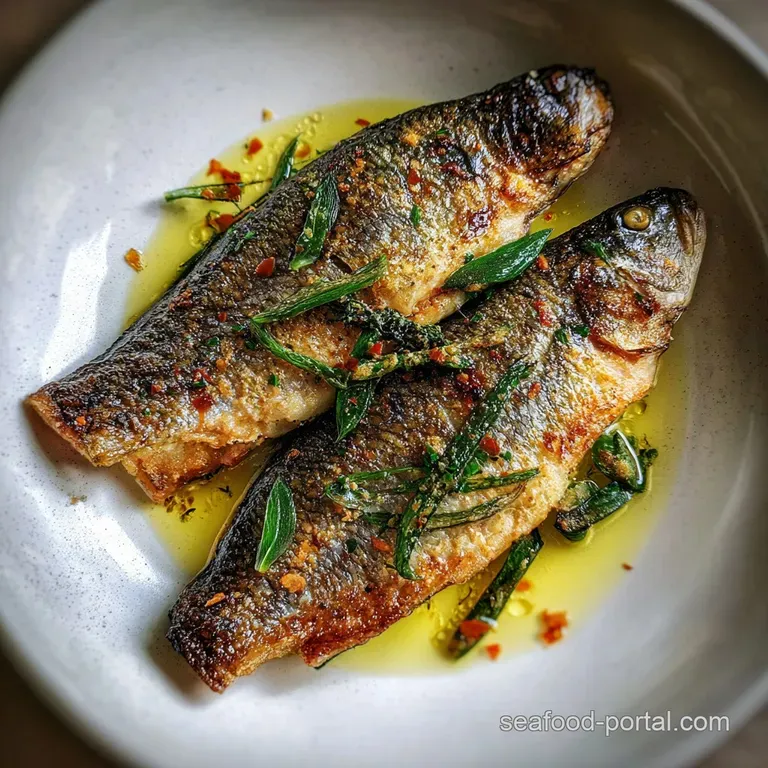
One of the biggest hurdles when making Fried Branzino is the "soggy skin syndrome." If your fish comes out limp, it's almost always a temperature issue or a moisture issue. Many people are afraid to let the pan get hot enough, but remember: the oil needs to be shimmering.
If it isn't hot, the skin will just absorb the oil and become greasy.
Why Your Fish Skin Sticks
This usually happens because the pan wasn't "primed" or the fish was moved too early. When the protein in the skin hits the hot pan, it initially bonds to the metal. As the moisture evaporates and the skin crisps, it naturally pulls away. If you try to force it with a spatula, you'll tear the delicate meat.
Patience is your best friend here.
Why Your Fish is Dry
If the skin is great but the meat is chalky, you've overstayed your welcome in the pan. Branzino is thin, and the heat carries through it very quickly. This is why we do 80% of the cooking on the skin side. It acts as a protective shield, letting the flesh cook gently by conduction rather than direct searing.
| Problem | Root Cause | Solution |
|---|---|---|
| Skin is rubbery | Pan was not hot enough | Wait for the oil to shimmer/smoke before adding fish. |
| Fish curled up | Not pressed during initial sear | Use a spatula to hold the fish flat for the first 30 seconds. |
| Bitter aftertaste | Burnt garlic or butter | Add aromatics only after lowering the heat for the final phase. |
Common Mistakes Checklist:
- ✓ Skipping the drying step even a drop of water can ruin the sear.
- ✓ Crowding the pan if the filets are too close, they will steam each other.
- ✓ Using a thin, cheap pan heavy bottomed pans like cast iron or stainless steel hold heat better.
- ✓ Moving the fish too soon let the Maillard reaction do its work before flipping.
- ✓ Forgetting to rest the fish resting allows the muscle fibers to relax and hold onto their moisture.
Similar to the technique I use in my Chicken Fried Steak recipe, the key is a consistent, high energy environment for the initial crust formation. Once that's set, you can back off the heat to finish the interior.
Adjusting the Recipe for Different Quantities
Scaling this recipe is fairly straightforward because each filet is its own self contained unit. However, the most important thing to remember when doubling the recipe is pan space. If you are making four filets instead of two, you might be tempted to squeeze them all into one 12 inch skillet. Don't do it!
You'll drop the temperature of the oil too much, and you'll end up with steamed, sad fish.
For scaling down to a single serving, you can use a smaller 8 inch skillet. Reduce the oil to 1 tablespoon and use 1 tablespoon of butter. Since there's less mass in the pan, the butter will brown much faster, so keep a very close eye on it during the basting phase.
You might even want to turn the heat off entirely before adding the butter.
When scaling up for a dinner party, I recommend working in batches. Keep the first batch in a warm oven (around 200°F) on a wire rack while you finish the second. Placing the fish on a rack instead of a plate prevents the bottom from getting soggy.
Use fresh oil for each batch to ensure the flavor remains clean and bright.
| Method | Time | Texture | Best For |
|---|---|---|---|
| Stovetop (Pan Fry) | 8 minutes | Shatter crisp skin, silky flesh | Quick, high-quality dinners |
| Oven (Broil) | 6 minutes | Bubbled skin, firmer flesh | Large batches/meal prep |
| Air Fryer | 10 minutes | Very dry/crispy skin, slightly drier meat | Low oil preference |
Traditional Seafood Preparation Myths
Myth: You should wash fish under cold water before cooking. The truth is that washing fish actually increases the risk of cross contamination in your kitchen and makes it much harder to get a crispy skin. Any surface bacteria are killed by the high heat of the pan anyway.
The best "cleaning" you can do is a thorough pat down with a clean paper towel to remove excess moisture and surface proteins.
Myth: Fresh fish should never smell "fishy." While a strong, ammonia like odor is a bad sign, fresh sea fish will always have a faint, briny scent of the ocean. Branzino, specifically, has a very clean, sweet aroma when fresh.
If it smells like nothing at all, it might have been frozen and thawed several times, which can degrade the texture of the skin.
Myth: You must use flour to get a crispy skin. Actually, flour often leads to a gummy or "doughy" interface between the skin and the meat if not done perfectly. For Fried Branzino, the skin has enough natural collagen and fat to become incredibly crispy on its own.
By skipping the flour, you get a much cleaner, more "honest" sear that highlights the natural flavor of the Mediterranean sea.
Practical Storage and Waste Reduction
Storage Guidelines: Fried Branzino is definitely best enjoyed immediately while the skin is at its peak "shatter" stage. However, if you have leftovers, store them in an airtight container in the fridge for up to 2 days. To reheat, avoid the microwave at all costs! It will turn the fish into rubber.
Instead, place the filet in a dry pan over medium heat, skin side down, until the skin crisps back up and the fish is warmed through.
Zero Waste Tips: Don't toss those lemon rinds or the herb stems! You can toss the used lemon halves and thyme stems into a pot of water to simmer as a natural kitchen deodorizer. If you bought whole fish and filleted them yourself, the bones and heads make an incredible, delicate fish stock.
Simmer them with some onion, celery, and white wine for 20 minutes for a base that rivals any professional kitchen's fumet.
Perfect Pairings for Mediterranean Fish
When it comes to serving Fried Branzino, I like to keep the sides bright and light. A simple arugula salad with a shaved fennel and citrus vinaigrette provides the perfect acidic counterpoint to the buttery fish. If you want something heartier, a bed of lemon herb couscous or some crispy smashed potatoes works wonders.
The potatoes are especially great because they echo the crunch of the fish skin.
If you’re looking for a more traditional comfort food vibe, this fish actually pairs surprisingly well with the sides usually reserved for a Southern Fried Catfish recipe. A cold, tangy coleslaw or even some hushpuppies can turn this elegant filet into a fun, casual weekend lunch. Just make sure whatever you serve doesn't overshadow the delicate, sweet flavor of the branzino itself.
Finally,, consider the wine. A crisp, high acid white like a Vermentino or a Sauvignon Blanc is the classic choice. The acidity in the wine acts much like the lemon juice in the recipe, cutting through the richness of the butter baste and cleansing your palate between those glorious, crunchy bites.
It’s the kind of meal that makes you want to linger at the table just a little bit longer.
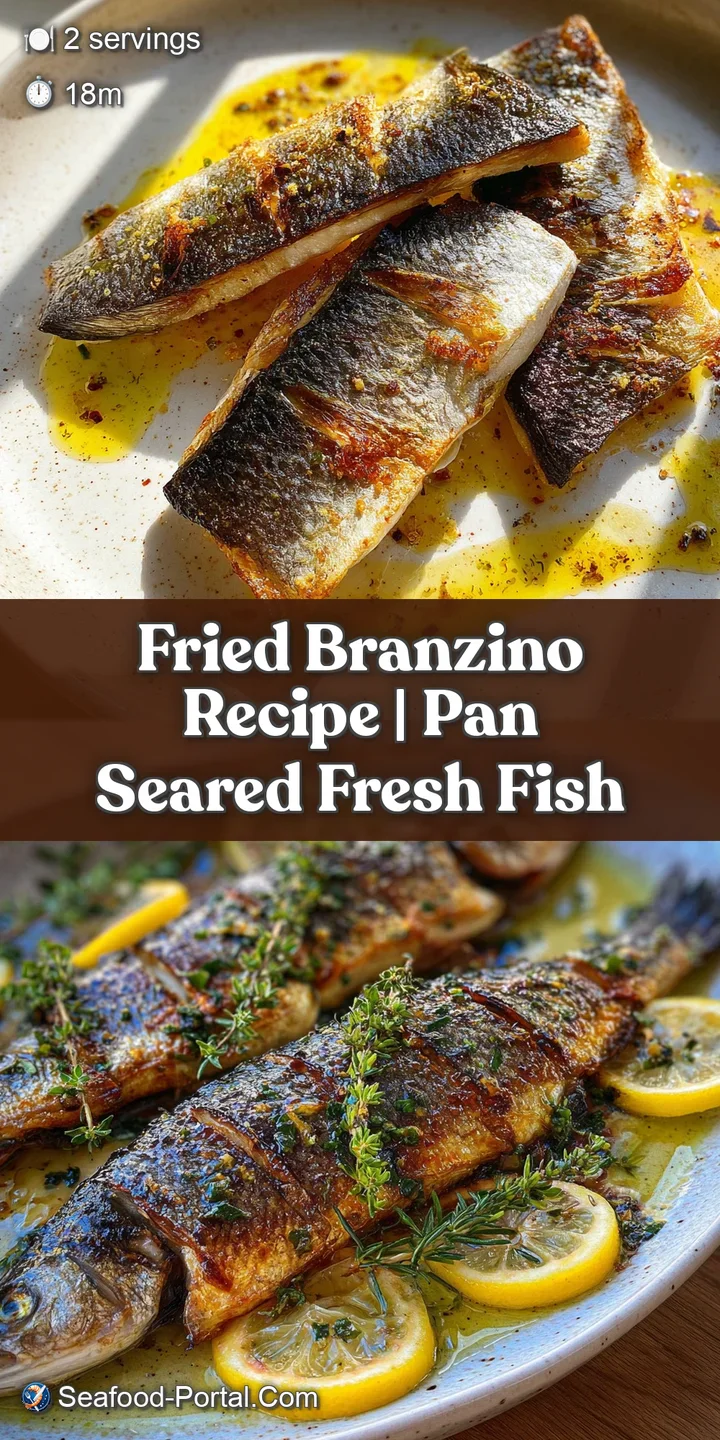
Fried Branzino Recipe FAQs
What is the best oil to use for pan-frying branzino?
Grapeseed oil is ideal for pan-frying branzino. It has a high smoke point, meaning it can withstand the high heat required for achieving crispy skin without burning or breaking down. This ensures a clean sear and prevents any off-flavors from developing.
How do I prevent branzino skin from sticking to the pan?
Ensure the pan and oil are sufficiently hot and don't move the fish too soon. Wait until the oil shimmers and shows wisps of smoke before adding the fish, and resist the urge to flip it for at least 4-5 minutes. Patience allows the crust to form and the skin to naturally release from the pan.
Why is my branzino skin rubbery instead of crispy?
The pan was likely not hot enough when the fish was added. If the oil isn't shimmering and hot, the skin will steam rather than fry, leading to a rubbery texture. Always wait for the oil to reach the proper searing temperature before introducing the fish.
My branzino flesh is dry, but the skin is crispy. What went wrong?
You likely cooked the fish for too long. Branzino is a lean fish, and its delicate flesh cooks very quickly. Focus on cooking primarily on the skin side, allowing the residual heat to finish the flesh gently.
Pull the fish off the heat when it reaches around 140°F, as it will continue to cook while resting.
Can I use flour on the branzino skin for extra crispiness?
No, flour is not necessary and can sometimes lead to a gummy texture. The natural collagen and fat in branzino skin are sufficient to achieve a beautiful crispness on their own. Skipping the flour ensures a cleaner, more direct sear that highlights the fish's natural flavor and texture.
How should I store leftover fried branzino?
Store leftovers in an airtight container in the refrigerator for up to 2 days, and avoid microwaving. To reheat, place the fish skin side down in a dry skillet over medium heat until the skin crisps up again. This method will help revive the texture much better than a microwave.
What are good side dishes to serve with fried branzino?
Bright and acidic sides complement fried branzino well. Consider a simple arugula salad with a citrus vinaigrette, lemon herb couscous, or crispy smashed potatoes. These light accompaniments cut through the richness of the butter baste and echo the crispiness of the fish skin, similar to how sides pair with a Southern Fried Catfish.
Fried Branzino Recipe
Ingredients:
Instructions:
Nutrition Facts:
| Calories | 432 kcal |
|---|---|
| Protein | 36.2 g |
| Fat | 31.4 g |
| Carbs | 1.8 g |
| Fiber | 0.4 g |
| Sugar | 0.6 g |
| Sodium | 615 mg |
