Tuna Poke Bowl: the Ultimate Fresh Ahi Recipe and Marinade
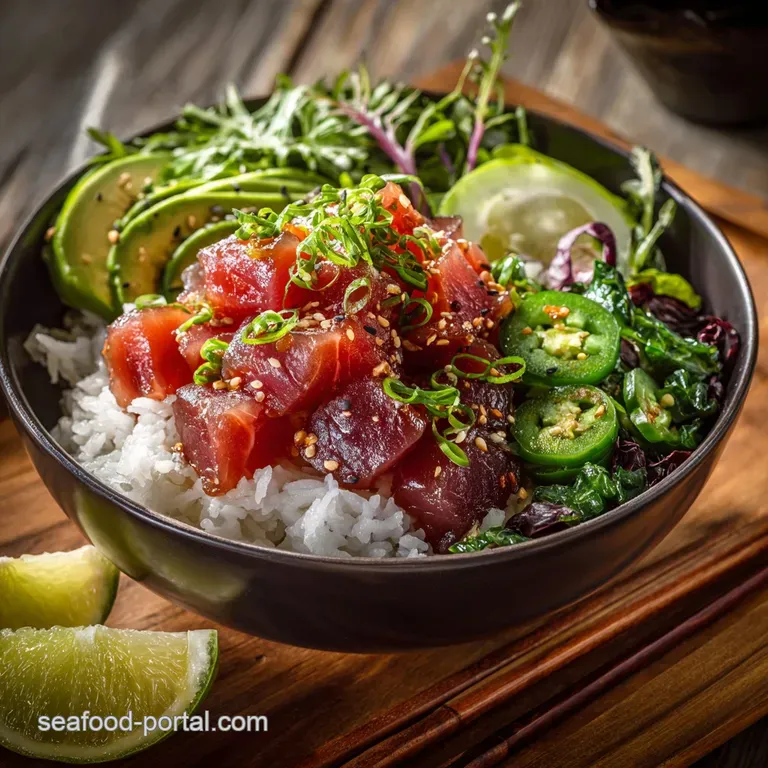
- The Ultimate Ahi Poke Bowl: A Guide to Hawaiian Freshness
- The Flavor Science: Achieving the Perfect Balance in Your Tuna Poke Bowl
- Essential Elements: Selecting and Prepping Your Poke Ingredients
- Building Your Bowl: Step-by-Step Guide to the Perfect Prep
- Troubleshooting Your Tuna Poke Bowl: Expert Tips for Success
- Shelf Life and Safety: Storing Leftover Poke
- Elevating the Experience: The Best Side Dishes and Garnishes
- Recipe FAQs
- 📝 Recipe Card
The Ultimate Ahi Poke Bowl: A Guide to Hawaiian Freshness
The moment that cold, silky cube of Ahi tuna hits your tongue, you get it. The nutty scent of toasted sesame oil mixes with the bright zing of fresh ginger and cool rice. It’s an absolute flavor explosion, totally unlike eating a heavy, mayo laden dish like a Panera Tuna Salad Sandwich: The Light, Fresh Copycat Recipe .
This Tuna Poke Bowl Recipe is my summer lifesaver, honestly. You barely turn the stove on, the prep takes about 15 minutes, and it feels incredibly healthy and satisfying all at once. If you’re tired of boring weeknight dinners or just craving that fresh, vibrant kick, this is your answer.
We aren't just dumping soy sauce onto fish here; we are building layers of flavor and texture, which is the real secret to a high ranking poke bowl. I’m sharing all the tricks I learned (mostly through failed, soggy attempts) to guarantee you get perfect, restaurant quality results every single time.
Let’s get that rice rinsing, friend.
The Flavor Science: Achieving the Perfect Balance in Your Tuna Poke Bowl
This recipe works because we focus entirely on contrast and quality. Because there’s no cooking involved, every ingredient is spotlighted. We need the cold temperature of the fish versus the warmth of the rice, the crunch of the toppings versus the smoothness of the avocado. That’s the entire game.
Understanding the Authentic Poke (The 'Slice' Method)
"Poke" literally translates to "to slice or cut into pieces" in Hawaiian. We aren’t talking about thin slices for sushi or massive fillets. Consistency is key here. Dicing the tuna into uniform 1 inch cubes ensures that every single piece marinates evenly, maximizing that surface flavor without curing the center too deeply.
Why Sashimi Grade Tuna is Non-Negotiable
Okay, real talk: using any old tuna fillet from the grocery store is a recipe for disaster and potentially worse. You must source high-quality fish labeled specifically as "sashimi grade" or "sushi grade." I once tried to save five bucks and bought regular sushi quality salmon instead of sashimi grade Ahi, and the texture was mushy and wrong.
Don't repeat my mistakes; the quality of your fresh tuna is 99% of the dish.
The Essential Components of a Classic Bowl
A truly great Tuna Poke Bowl relies on four pillars: the cool, fluffy base (rice), the vibrant, marinated protein (Ahi tuna), the aromatic sauce (the marinade), and the textural crunch (toppings). Skipping any component means you end up with a sad, flat dish. We want flavor, texture, and color.
Umami Synergy: Soy, Sesame Oil, and Nori
Umami is the depth of flavor you crave, and we hit it hard here. Good quality, low-sodium soy sauce provides the salty foundation, but it’s the toasted sesame oil that brings that rich, nutty complexity.
Finally, the sheets of dried nori seaweed crumble on top, offering a subtle minerality that pulls the whole dish toward the sea.
The Role of Texture: Crunch vs. Silkiness
If everything in your bowl is soft (rice, avocado, marinated tuna), the dish quickly becomes monotonous. We combat this by adding thinly sliced onion for bite and the satisfying pop of shelled edamame. The combination of silken fish and fresh snap is what keeps this dish addictive.
Marination Timing: Maximizing Flavor Without 'Cooking' the Fish
This is the most common place where beginners fail their Fresh Tuna Poke Bowl . Soy sauce is high in salt, and salt starts the curing process. If you marinate your Ahi for hours, you end up with firm, slightly chewy ceviche instead of silky, delicate poke. Thirty minutes is the perfect amount of time to infuse flavor without radically changing the tuna's luxurious texture.
Essential Elements: Selecting and Prepping Your Poke Ingredients
Sourcing the Best Ahi: Criteria for Sashimi Quality
When shopping for sashimi grade Ahi, look for a deep red, almost burgundy color. It should be firm to the touch, and it absolutely should not smell overly "fishy." If you can’t get Ahi (yellowfin), quality salmon is an acceptable substitute. If you're feeling adventurous and want another raw seafood idea, check out my recipe for Ahi Tuna Ceviche: Easy, Zesty Recipe with Mango Avocado .
The Pungent Punch: Mastering the Onion Prep (Scallions vs. Maui Onion)
We use two types of onion for different results. The finely diced sweet onion (like Maui or Vidalia) goes into the marinade because it softens slightly and penetrates the fish cubes.
The green onions (scallions) are reserved almost entirely for the garnish, giving that fresh, pungent, herbaceous finish right before serving.
Base Layer Options: Perfecting the Sushi Rice
Don't skip rinsing your rice! Seriously, rinse it in a sieve under cold water until the water runs totally clear. This washes away excess starch, guaranteeing light, fluffy, individual grains instead of a dense, gluggy brick. Once cooked, we season it immediately while hot with that classic vinegar/sugar/salt mixture.
Liquid Gold: Selecting Quality Soy Sauce and Toasted Sesame Oil
For the marinade, use low-sodium soy sauce. Regular soy can overpower the delicate tuna. The sesame oil must be toasted; the raw version tastes thin and flat. This simple combination is the backbone of the best Tuna Poke Bowl Marinade .
| If You Don't Have... | Use This Instead... | Notes |
|---|---|---|
| Ahi Tuna | Sashimi grade Salmon or cooked, chilled Prawns/Shrimp | Salmon has a richer fat content and is a fantastic alternative. |
| Soy Sauce | Tamari or Coconut Aminos | Tamari is gluten-free; Coconut Aminos significantly lowers the sodium. |
| Sushi Rice | Jasmine Rice or Quinoa | Quinoa offers a great nutritional boost but needs a robust seasoning mix. |
| Avocado | Diced Cucumber or Diced Mango | Cucumber provides the requisite crunch; mango adds a lovely, tropical sweetness. |
Building Your Bowl: step-by-step Guide to the Perfect Prep
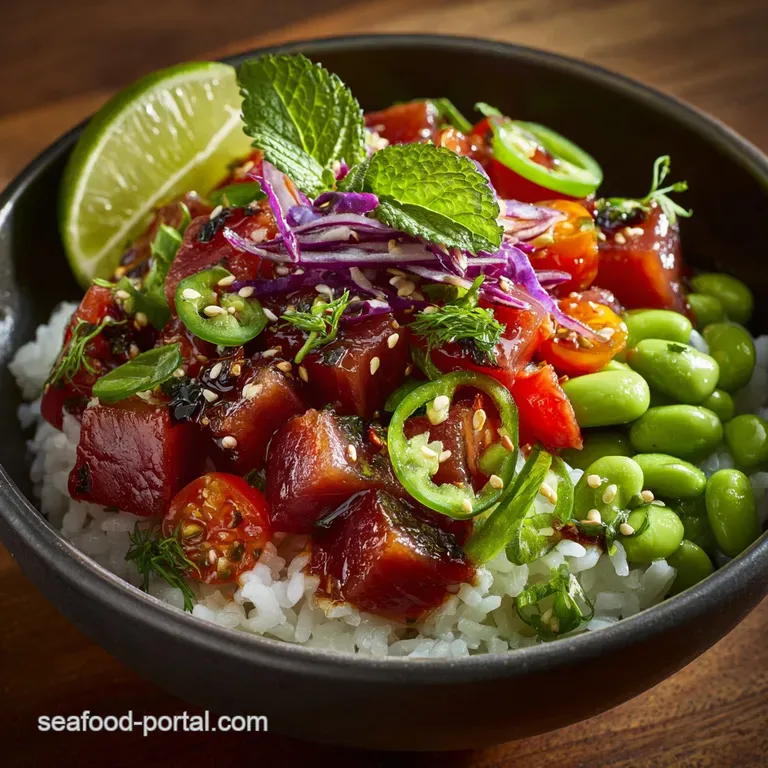
Dicing the Tuna: Achieving Uniform Cubes
Pat your chilled tuna block completely dry. Use your sharpest knife this is key for clean cuts, not squashed edges. Cut the tuna first into half inch-thick planks, and then slice those planks into uniform 1 inch cubes. Keep the fish cold throughout this process.
Creating the Vinaigrette: The Optimal Sauce Ratio
In a non-reactive bowl (glass or stainless steel), whisk together the soy sauce, toasted sesame oil, grated fresh ginger, and a pinch of chili flakes. Taste it now! It should be savory, nutty, and highly aromatic. This balance is critical for the ultimate Tuna Poke Bowl Sauce .
The Gentle Toss: Ensuring Even Coating
Add your diced Ahi tuna and the finely diced sweet onion to the bowl. Now, listen closely: you are folding, not mixing vigorously. Use a rubber spatula to gently fold the marinade over the fish until every piece is coated. Do not mash the fish!
Immediately cover the bowl and refrigerate for 30 minutes.
Assembly Sequence: Layering the Components for Maximum Impact
Start by placing the cooled, seasoned rice into the bowl. Next, gently spoon the marinated tuna mixture onto the center. Arrange the colorful toppings avocado slices, edamame, and cucumber around the tuna. Finish with a final drizzle of the remaining green onion and crumbled nori.
Chef’s Note: The poke should always be served slightly colder than room temperature. If you need to keep the components chilled while guests arrive, set your main mixing bowl inside a larger bowl filled with ice.
Troubleshooting Your Tuna Poke Bowl: Expert Tips for Success
Common Mistake: Over Marinating and Texture Loss
As mentioned, the salt in the soy sauce begins to cure the fish, making the tuna tough and chewy if left too long. If you must prep ahead, only mix the marinade (sauce and onions) separately. Add the actual tuna no more than 60 minutes before serving.
Temperature Control: Keeping the Tuna Ice Cold
The pleasure of poke is the contrast between the warm rice and the cold, pristine fish. If your kitchen is hot, move quickly. Always store the tuna in the fridge right up until the moment you dice it, and return the marinated cubes immediately after tossing.
Adjusting Seasoning: Salty vs. Acidic Correction
If you find the marinade too salty (common if you used regular soy sauce), a tiny squeeze of fresh lime juice can cut through that heavy salinity. If it tastes dull, a pinch more salt or a dash more sesame oil usually fixes it. Trust your tastebuds, they are usually right.
Food Safety Guidelines for Raw Fish
This isn't negotiable: only buy sashimi grade fish from a source you trust completely. Once purchased, consume it within 24 hours. The risk isn't worth taking on something you pulled from the bottom shelf discount bin.
Shelf Life and Safety: Storing Leftover Poke
Best Practices for Refrigeration (Separate Components)
The sad truth is that a fully assembled poke bowl does not store well. The marinated tuna should be eaten within 12 hours of assembly, maximum. If you have leftovers, store the marinated tuna in an airtight container separately from the rice and toppings.
The rice will dry out quickly in the fridge, but you can revive it with a quick spritz of water and a microwave warm-up.
Can You Freeze Poke? (Spoiler: No, and why)
Absolutely not. Freezing raw fish changes the structure of the water molecules within the cells. When it thaws, the tuna will release that water, resulting in a mushy, tough, and frankly unappetizing texture. If you have too much tuna, consider searing the leftovers for a quick Healthy Tuna Recipe later, or turn it into a fantastic Classic Tuna Melt Sandwich: The Ultimate Crispy, Golden Grilled Recipe instead.
Elevating the Experience: The Best Side Dishes and Garnishes
Don’t stop at the required toppings; this is where you customize your ultimate bowl! I love adding a little zing to my Easy Tuna Dinners .
- Extra Crunch: Crispy fried shallots or garlic chips are game changers.
- Heat: Japanese Togarashi spice blend adds both heat and sesame crunch.
- Creaminess: A simple drizzle of spicy mayo (Sriracha mixed with Japanese Kewpie mayo) is always a hit.
- Side Pairing: Keep it light. A bowl of warm miso soup or some simple pickled ginger (gari) is traditional and refreshing.
If you enjoy the flavor profile of this Fresh Tuna Poke Bowl , you should totally try my Mexican Tilapia Bowls: Zesty Chipotle Fish with Avocado Crema next week. They share that same vibrant, fresh, layered quality but are fully cooked! Enjoy your poke!
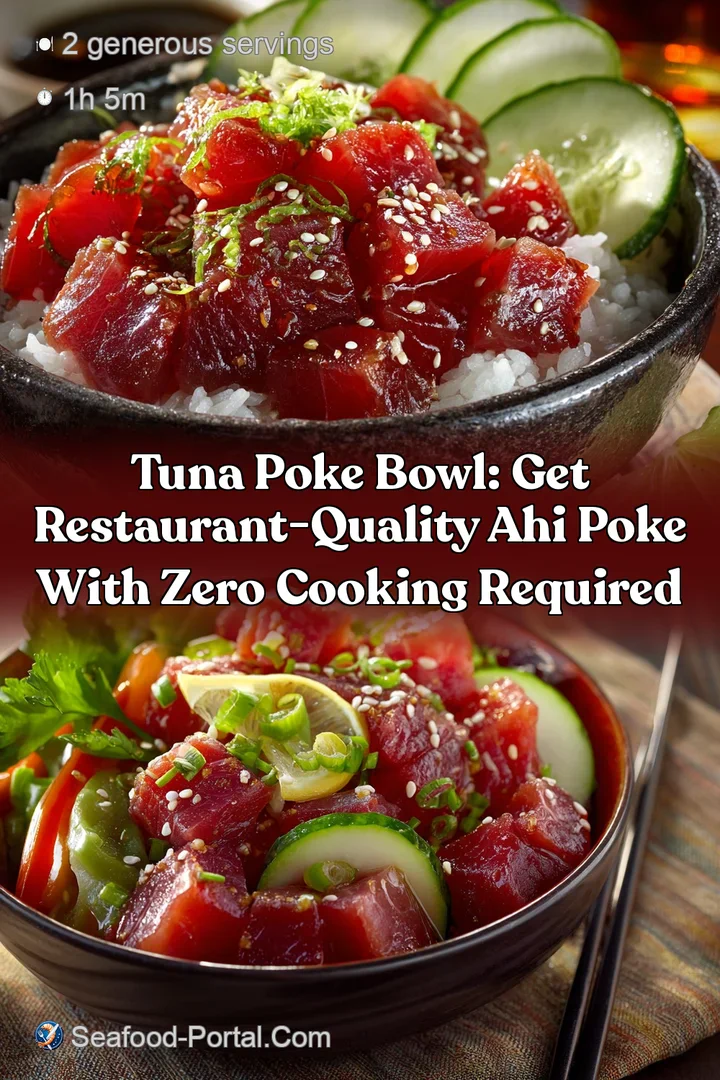
Recipe FAQs
How do I ensure the tuna I use is safe to eat raw?
You must use only "sashimi grade," "sushi grade," or "Ahi for Poke" tuna purchased from a reputable fishmonger. Ensure the fish is kept very cold and prepared immediately after purchase, as regular supermarket tuna steaks are generally not suitable for raw consumption.
My poke marinade tastes too salty. How can I fix it?
The saltiness is likely due to the soy sauce. Balance this by adding a teaspoon of honey, maple syrup, or brown sugar to counteract the sodium, along with a squeeze of fresh lime juice to brighten the flavor. If the texture allows, dicing in some fresh avocado can also mellow the overall seasoning.
Can I substitute the Ahi tuna with other types of fish or protein?
Absolutely. high-quality salmon (sashimi grade) is an excellent, common substitution, offering a richer flavor and texture. For non-seafood alternatives, try cooked shrimp, thinly sliced scallops, or firm tofu marinated similarly for a delicious vegetarian option.
How long can I safely store prepared Tuna Poke?
Tuna Poke is best eaten immediately or within 15 30 minutes of marinating. If necessary, you can store the marinated fish in the refrigerator for up to 4 hours, but the acid and salt in the marinade will begin to "cook" the fish, affecting the texture. Never attempt to store raw poke overnight.
Why did my tuna become mushy after marinating?
Mushiness usually results from marinating the tuna for too long, as the sodium in the soy sauce breaks down the protein structure of the fish. Ensure your tuna is cut into clean, uniform cubes (about 1 inch) and limit the total marinade time to 30 minutes maximum before plating and serving.
What is the best type of rice to use, and can I use brown rice?
Japanese short grain white rice (sushi rice) is traditional because its sticky texture provides the perfect base for the toppings and sauce. While you can certainly use brown rice for health benefits, ensure it is cooked and seasoned well with rice vinegar, sugar, and salt to create a flavorful foundation.
What are some popular toppings or additions I can use for variation?
Classic additions include thinly sliced avocado, shelled edamame, and crunchy seaweed snacks (nori). For an extra kick, try adding crispy fried shallots, crushed macadamia nuts for texture, or a drizzle of spicy mayo made from sriracha blended with Kewpie mayonnaise.
Fresh Ahi Tuna Poke Bowl Recipe
Ingredients:
Instructions:
Nutrition Facts:
| Calories | 351 kcal |
|---|---|
| Protein | 17.0 g |
| Fat | 16.6 g |
| Carbs | 33.7 g |
