Baked Grouper Recipe That Never Fails: Juicy Flakes
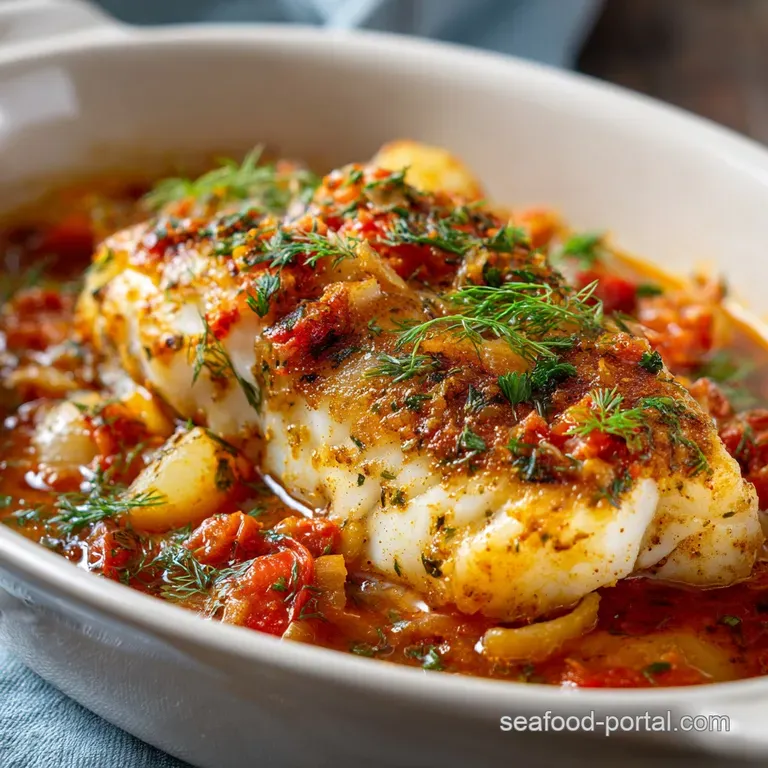
- Time: Active 10 minutes, Passive 12 minutes, Total 22 minutes
- Flavor/Texture Hook: Silky, garlic infused flakes with a smoky finish
- Perfect for: Stress free weeknight dinners or showing off at a Friday night dinner party
Thermal Mastery and Moisture Secrets
Cooking fish is essentially a race against evaporation. Because grouper has very little intramuscular fat compared to something like salmon, we have to provide a "fat jacket" to protect the moisture. The melted butter doesn't just add flavor, it acts as a thermal insulator.
It slows down the rate at which heat penetrates the center of the fillet, allowing the outside to develop flavor without the inside becoming overdone.
The Physics of the Flake: Heat causes the collagen between the muscle fibers to dissolve into gelatin at exactly 140°F (60°C).
If you push past 150°F (65°C), those fibers tighten up and squeeze out all the moisture like a wrung out sponge.
1. The Thermal Carryover Effect
Most people make the mistake of cooking fish until it looks "done" in the oven. By the time you get it to the table, the residual heat has pushed the internal temperature up another 5 or 10 degrees, leading to a dry result.
We pull the fish when it is just shy of its final temperature, letting the resting period finish the job perfectly.
2. The Lipidic Moisture Seal
By mixing the smoked paprika and garlic into the butter before applying it, we create a suspension. This thick mixture coats the surface area of the 1.5 lbs grouper fillets, filling in the microscopic gaps in the flesh.
This prevents the natural juices from escaping into the dry air of the oven, keeping everything velvety.
3. The Surface Area Strategy
The thickness of your fillet dictates your success. Grouper can vary from half an inch to two inches thick. If you have an uneven piece, I always suggest tucking the thinner "tail" end under itself. This creates a uniform thickness across the pan, ensuring every bite finishes cooking at the exact same moment.
| Thickness | Internal Temp | Rest Time | Visual Cue |
|---|---|---|---|
| 0.5 inch | 140°F | 2 mins | Opaque throughout |
| 1.0 inch | 142°F | 3 mins | Flakes with a fork |
| 1.5 inch | 145°F | 5 mins | Center is firm |
If you are looking for a different texture profile, perhaps something with a bit more crunch on top, you might find inspiration in my Almondine Fish recipe. It uses a similar logic of protecting the fish with fat, but adds a layer of toasted nuts for a completely different sensory experience.
Analyzing the Flavor Foundation
When we talk about the components of this dish, it's not just about what is in the pan, it is about what those ingredients do on a molecular level. We are using a very short list of items, so the quality of each one matters immensely.
Don't grab the bottled garlic paste from the store, it has a bitter, acidic aftertaste that will ruin the delicate sweetness of the grouper.
| Ingredient | Science Role | Pro Secret |
|---|---|---|
| Unsalted Butter | Moisture barrier | Melt it slowly to keep the milk solids intact |
| Smoked Paprika | Emulsifier | Blooms in fat to release oil soluble color |
| Fresh Lemon | Denaturant | The acid cuts through the heavy butter fat |
| Sea Salt | Protein binder | Draws out a tiny bit of moisture to help spices stick |
Using unsalted butter is a non negotiable for me because it allows us to control the seasoning precisely. Different brands of salted butter have wildly varying salt levels, and with a lean fish like grouper, over salting is a one way trip to a ruined meal. We want the salt to enhance the fish, not mask it.
Vital Statistics and Timing
Before we get the oven going, let's look at the numbers. Precision is what separates a good cook from a great one. You are working with 1.5 lbs grouper fillets, which is the perfect amount for 4 servings.
This weight allows the fish to occupy enough space on the baking sheet to prevent the butter from burning on the empty metal surfaces.
- Weight
- 1.5 lbs grouper fillets (cut into 4 equal portions)
- Fat
- 3 tbsp unsalted butter, melted
- Aromatics
- 2 cloves garlic, minced into a paste
- Spice
- 1 tsp smoked paprika
- Seasoning
- 0.5 tsp sea salt and 0.25 tsp cracked black pepper
- Finish
- 1 large lemon and 1 tbsp fresh parsley, finely chopped
Right then, let's talk about the lemon. Most people just squeeze it on at the end, but I want you to zest half of it into the butter mixture first. The oils in the zest are where the true "lemon" flavor lives, while the juice provides the acidity.
Using both gives you a multi dimensional brightness that juice alone can't match.
Essential Tools for Success
You don't need a kitchen full of gadgets for this baked grouper recipe that never fails, but a few specific items make the process much smoother. First and foremost, a heavy rimmed baking sheet is better than a glass baking dish.
Metal conducts heat faster, which helps the bottom of the fish cook at the same rate as the top.
- Lodge Cast Iron or Heavy Sheet Pan: Provides even heat distribution.
- Microplane: Essential for turning those garlic cloves into a fine paste.
- Instant read Thermometer: The only way to guarantee you won't overcook the fish.
- Pastry Brush: To evenly distribute the garlic butter "jacket."
Chef Tip: Freeze your butter for 10 minutes before melting it. It sounds counter intuitive, but cold butter that is quickly melted over low heat maintains a better emulsion, which helps it stick to the fish rather than just running off onto the pan.
step-by-step Cooking Guide
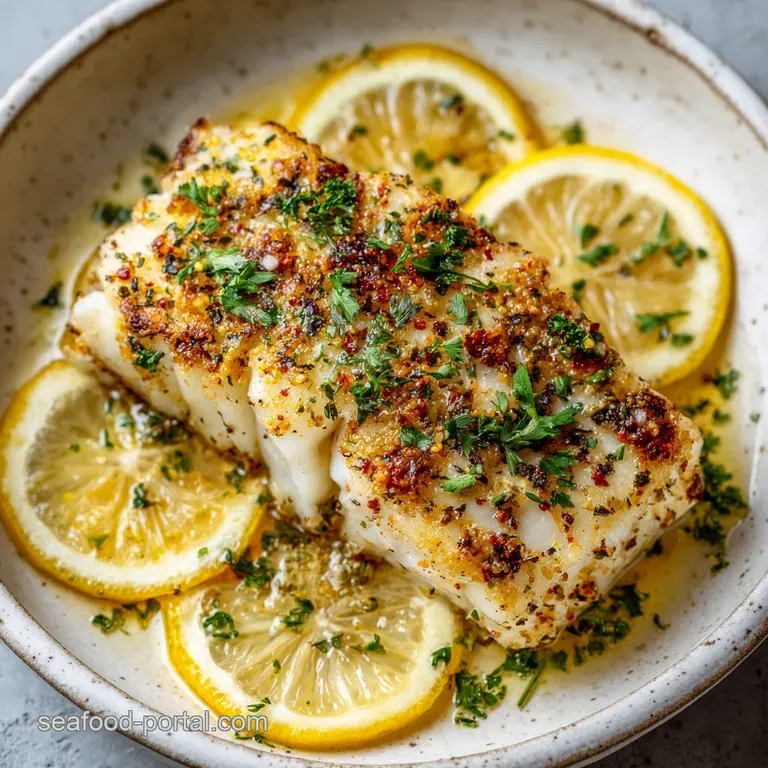
Now, let's get into the actual process. Follow these steps closely, and pay attention to the smell of the kitchen as you go. It's your best indicator of how things are progressing.
- Preheat and Prep. Set your oven to 400°F (200°C). Take your 1.5 lbs grouper fillets out of the fridge 15 minutes before cooking. Note: This takes the chill off and ensures the center cooks at the same rate as the edges.
- Dry the Fish. Use paper towels to pat the fillets completely dry. Until the surface looks matte and not shiny. This is the secret to getting the butter to stick.
- Make the Infusion. Melt the 3 tbsp unsalted butter. Whisk in the 2 cloves garlic paste, 1 tsp smoked paprika, 0.5 tsp sea salt, and 0.25 tsp cracked black pepper.
- Aroma Checkpoint 1. You should smell the garlic becoming fragrant but not toasted. If it smells burnt, you've overheated the butter.
- Apply the Coat. Lay the fillets on your baking sheet. Use a pastry brush to paint the butter mixture over the top and sides of each piece. Note: Ensure every nook and cranny is covered to seal in moisture.
- Bake the Fish. Place the tray on the center rack. Bake for 10 to 12 minutes. Until the fish is opaque and the butter is gently bubbling around the edges.
- Aroma Checkpoint 2. About 8 minutes in, the smoked paprika will fill the air. It should smell like a savory, smoky spice rack, not scorched earth.
- Check for Doneness. Use your thermometer to hit 145°F (63°C) or use a fork to see if the thickest part flakes easily.
- The Citrus Finish. Remove from the oven and immediately squeeze the 1 large lemon over the fillets. Until you hear a faint hiss as the juice hits the pan.
- Rest and Garnish. Let the fish sit for 3 minutes on the warm tray. Sprinkle with the 1 tbsp fresh parsley and serve.
If you find yourself enjoying the simplicity of this oven method, you should definitely try the Classic Twice Baked recipe for a side dish. The oven timing works out perfectly if you start the potatoes first, and the creamy texture of the potato is the ultimate partner for the flaky fish.
Troubleshooting and Expert Fixes
Even with a foolproof recipe, things can go sideways. The most common issue I hear about is the fish being "watery." This usually happens because the fish was previously frozen and not drained properly, or the oven wasn't hot enough to evaporate the surface moisture quickly.
Why Your Fish is Tough
If your grouper feels bouncy or rubbery, it stayed in the oven too long. Protein fibers are like tiny rubber bands; the more heat you apply, the tighter they stretch. Once they snap, the moisture is gone forever. Always use a thermometer to avoid this.
| Problem | Root Cause | Solution |
|---|---|---|
| Fish is mushy | Fillet was too thin | Reduce cook time by 3 minutes next time |
| Butter is burnt | Pan was too thin | Use a heavier baking sheet or parchment paper |
| Spices are clumpy | Butter was too hot | Let butter cool for 1 minute before adding spices |
Common Mistakes Checklist
- ✓ Not patting the fish dry (the butter will slide right off).
- ✓ Using pre minced garlic from a jar (it tastes like chemicals).
- ✓ Overcrowding the pan (this steams the fish instead of roasting it).
- ✓ Skipping the resting period (the juices will run out the moment you cut it).
- ✓ Forgetting to zest the lemon (you lose half the flavor).
Creative Flavor Variations
Once you've nailed the basic baked grouper recipe that never fails, you can start playing with the aromatics. The technique remains the same, but the "flavor jacket" can change. For a Mediterranean twist, swap the paprika for dried oregano and add a tablespoon of drained capers to the butter.
The salty pop of the capers against the sweet fish is incredible.
1. The "Shattering Crust" Variation
If you want some texture, mix 1/4 cup of Panko breadcrumbs with the garlic butter. Press it firmly onto the top of the fish before baking. The butter will toast the crumbs into a golden, crunchy shell that shatters when you bite into it.
2. The Spicy Citrus Kick
Swap the smoked paprika for chipotle powder and use lime juice instead of lemon. This version pairs perfectly with a fresh mango salsa or a side of cilantro lime rice. It’s a total winner for a summer dinner on the patio.
| Method | Time | Texture | Best For |
|---|---|---|---|
| Stovetop | 8 mins | Crispy edges | Smaller, thinner fillets |
| Oven Baked | 12 mins | Even, tender | Thick, center cut fillets |
Storage and Sustainability
If you happen to have leftovers, which is rare in my house, you need to store them carefully. Seafood doesn't love being reheated, as the double cooking process almost always leads to dryness. Store the fillets in an airtight container in the fridge for up to 2 days.
To reheat, don't use the microwave. Instead, put the fish in a small pan with a splash of water or a knob of butter, cover it with foil, and warm it in a 300°F (150°C) oven for about 8 minutes.
This gentle steam bath brings it back to life without turning it into leather.
Zero Waste Tip: Don't throw away those lemon halves or the parsley stems! Throw the lemon rinds into a pot of boiling water to deodorize your kitchen after cooking fish. The parsley stems can be tucked into a freezer bag for the next time you make a vegetable or seafood stock.
Perfect Side Dish Pairings
Because this grouper is so rich and buttery, you want sides that offer some contrast. A crisp, acidic slaw or a pile of roasted asparagus works beautifully. The goal is to have something that cleanses the palate between those decadent, garlic heavy bites of fish.
If you are going for a full "steakhouse at home" vibe, I highly recommend serving this alongside my Classic Homemade Baked recipe. The sweetness of the beans and the smoky notes of the grouper create a surprising but deeply satisfying flavor profile that feels like a real celebration.
If you want a lighter meal, try these: For a low carb option, serve over a bed of sautéed spinach with extra lemon. For a classic pairing, go with wild rice pilaf and toasted almonds. For a bit of heat, serve with roasted broccoli tossed in chili flakes.
This baked grouper recipe that never fails has become a staple in my rotation because it removes the guesswork. You aren't standing over a hot stove wondering if the middle is raw; you're letting the oven and the thermometer do the heavy lifting.
Give it a shot this week, and let me know how that first bite of perfectly flaked fish treats you. Happy cooking!
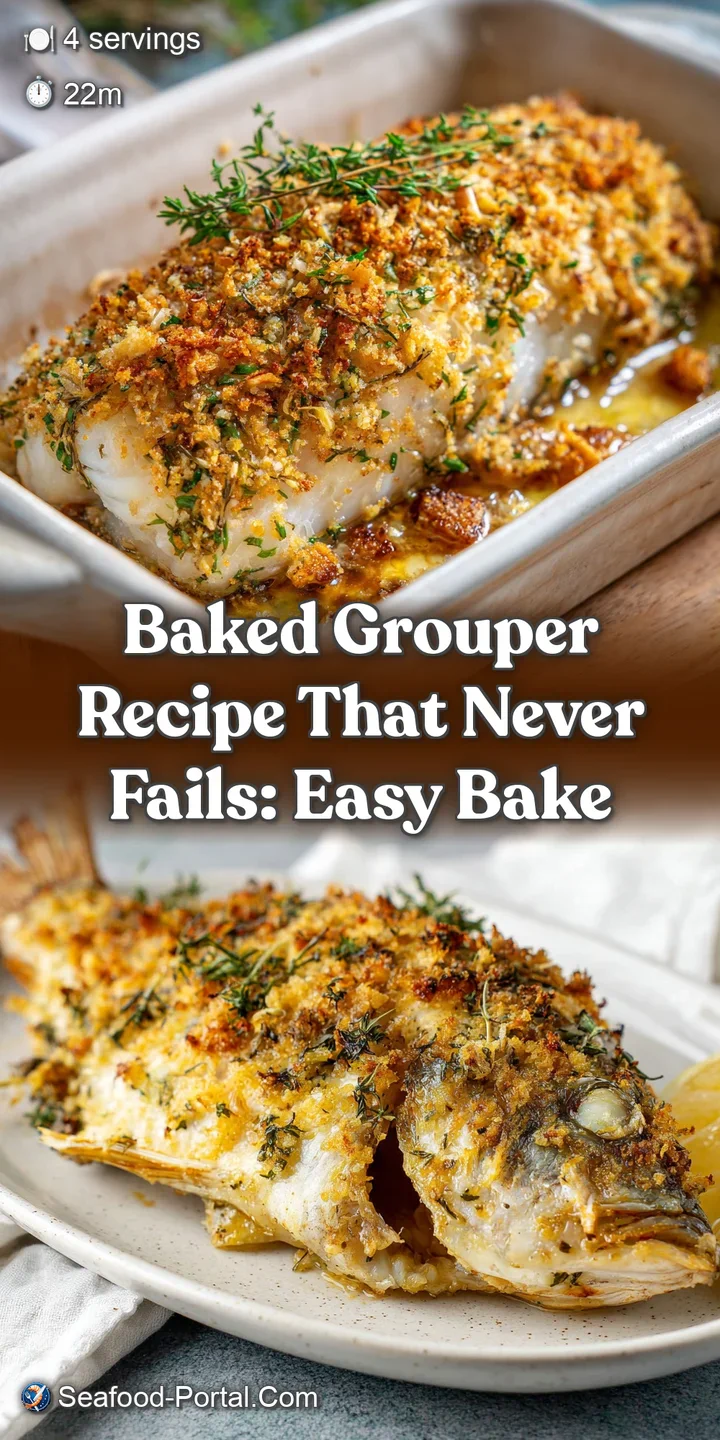
Recipe FAQs
What temperature is best for baking grouper?
400°F (200°C) is ideal for this recipe. This higher heat quickly sets the outside butter jacket, creating flavor insulation while allowing the interior to reach doneness without drying out.
Should grouper be cooked all the way through in the oven?
No, pull it slightly early to account for carryover heat. You want to remove the fish when it hits about 140°F internally; the residual heat will raise it another 3 5 degrees while resting, ensuring it is perfectly moist.
Should fish be covered or uncovered when baking in the oven?
Uncovered is necessary for crisping the butter coating. Covering the fish will trap steam, causing the beautiful butter crust to soften and result in steamed, rather than baked, flesh.
How long should a fish be in the oven at 400 degrees?
Expect 10 to 12 minutes for standard one-inch thick fillets. Always check the internal temperature with a thermometer rather than relying strictly on time, as fillet thickness is the biggest variable.
What is the absolute secret to keeping lean fish like grouper from drying out?
The secret is creating a stable lipid barrier before baking. Melting butter with aromatics and brushing it thickly over the fillet acts as a thermal insulator, preventing rapid moisture loss.
If I use frozen grouper, do I need to alter the baking time?
Yes, you must thaw and pat it completely dry first. Thawed fish releases excess moisture during cooking, leading to a watery result; if you must bake from semi frozen, add 3 4 minutes, but results will vary widely.
Why does my garlic butter burn before the fish is done?
False. Your oven or butter temperature is too high initially. If you master controlling the low-heat application of fat in recipes, you will avoid scorching; try applying the butter only after letting it cool for one minute out of the direct heat.
Foolproof Baked Grouper Recipe
Ingredients:
Instructions:
Nutrition Facts:
| Calories | 234 kcal |
|---|---|
| Protein | 33.2 g |
| Fat | 10.2 g |
| Carbs | 1.4 g |
| Fiber | 0.3 g |
| Sugar | 0.4 g |
| Sodium | 388 mg |
