Flounder Fish Recipe with Lemon and Garlic
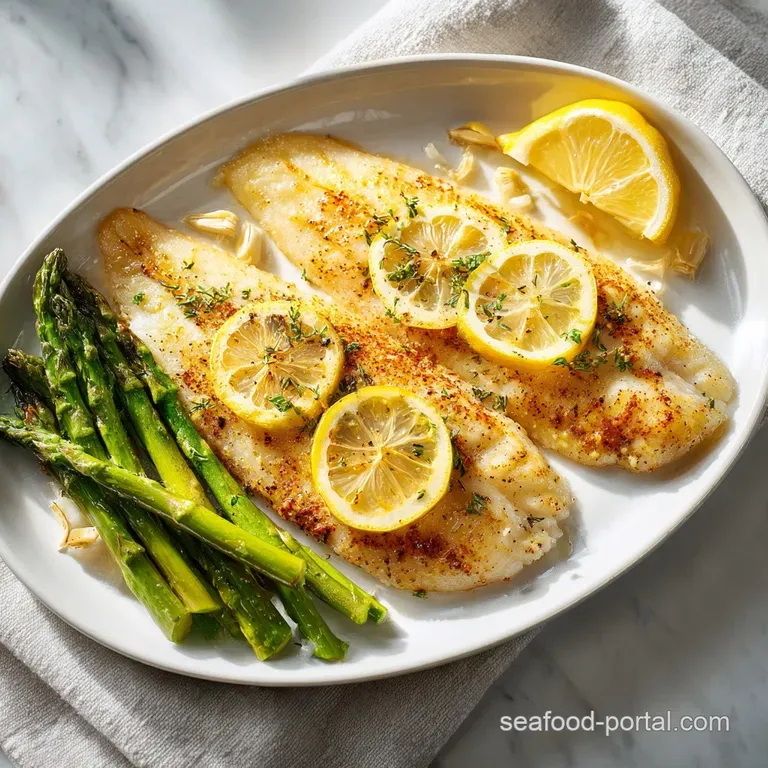
- Time: Active 5 minutes, Passive 10 minutes, Total 15 minutes
- Flavor/Texture Hook: Flaky, buttery fillets with a zesty, garlic infused golden crust
- Perfect for: A fast weeknight luxury or a light summer date night dinner
- The One Step Most People Skip
- Ingredient Deep Dive for Peak Flavor
- Essential Gear for a Golden Crust
- Bringing the Flavors Together
- Avoiding Common Pan Searing Mistakes
- Making This Recipe Fit Your Lifestyle
- Best Practices for Keeping Leftovers Fresh
- Finding the Ideal Sides for Fish
- Recipe FAQs
- 📝 Recipe Card
The One Step Most People Skip
Many home cooks struggle with fish sticking to the pan or turning out soggy, but the secret isn't in a fancy pan it's in the moisture.
Surface Dryness: If the fish is damp, the heat of the pan spends its energy evaporating that water (steaming the fish) instead of browning the proteins. By patting the fillets bone dry, you allow the oil to instantly create a crisp, protective barrier that keeps the interior juicy.
The Cold Butter Rule: Adding chilled butter at the very end, rather than melted or room temperature butter, is what creates that velvety, glossy sauce. The cold fat incorporates slowly into the lemon juice, forming a stable emulsion that clings to the fish instead of separating into a greasy puddle.
Method Comparison: Fast vs Classic
| Method | Time | Texture | Best For |
|---|---|---|---|
| over High heat Sear (This Recipe) | 10 minutes | Crispy skin, tender flakes | Weeknight dinners |
| Slow Poaching | 25 minutes | Uniformly soft, buttery | Meal prep / Cold salads |
| Oven Baking | 15 minutes | Soft, no crust | Large batches |
Choosing the over high heat sear for this Flounder Fish Recipe with Lemon and Garlic ensures you get that contrast between the golden exterior and the meltingly soft middle. While poaching is great for some dishes, flounder is so thin that it benefits from the structure a quick sear provides.
Ingredient Deep Dive for Peak Flavor
Understanding how these specific components interact is the difference between a "good" fish and one you'll crave every week.
| Component | Science Role | Pro Secret |
|---|---|---|
| Flounder Fillets | Lean protein source | Look for translucent, firm flesh with no "fishy" odor |
| Unsalted Butter | Emulsifying fat | Keep it cubed in the fridge until the very last second |
| Smoked Paprika | Maillard enhancer | Adds a subtle earthiness that mimics a wood fired grill |
| Lemon Zest | Volatile aromatic | Add it at the end; heat kills the bright citrus oils |
The chemistry here is all about balancing the delicate nature of the flounder with aggressive, bright flavors. The olive oil handles the over high heat searing, while the butter provides the luxurious mouthfeel we all love.
Essential Gear for a Golden Crust
To make this Flounder Fish Recipe with Lemon and Garlic, you don't need a kitchen full of gadgets, but two things are non negotiable. First, a large non stick skillet or a well seasoned cast iron pan is vital.
Flounder is fragile; if it sticks, the fillet will tear, and you'll lose all that beautiful crust. Second, a fish spatula which is thinner and more flexible than a standard spatula is your best friend here. It slides under the delicate fillets without breaking them.
If you don't have a fish spatula, a very thin metal turner will work in a pinch. Just avoid thick plastic spatulas, as they tend to push the fish around rather than getting underneath it. You'll also want some heavy duty paper towels. We're going to use more than you think to get that fish perfectly dry.
Bringing the Flavors Together
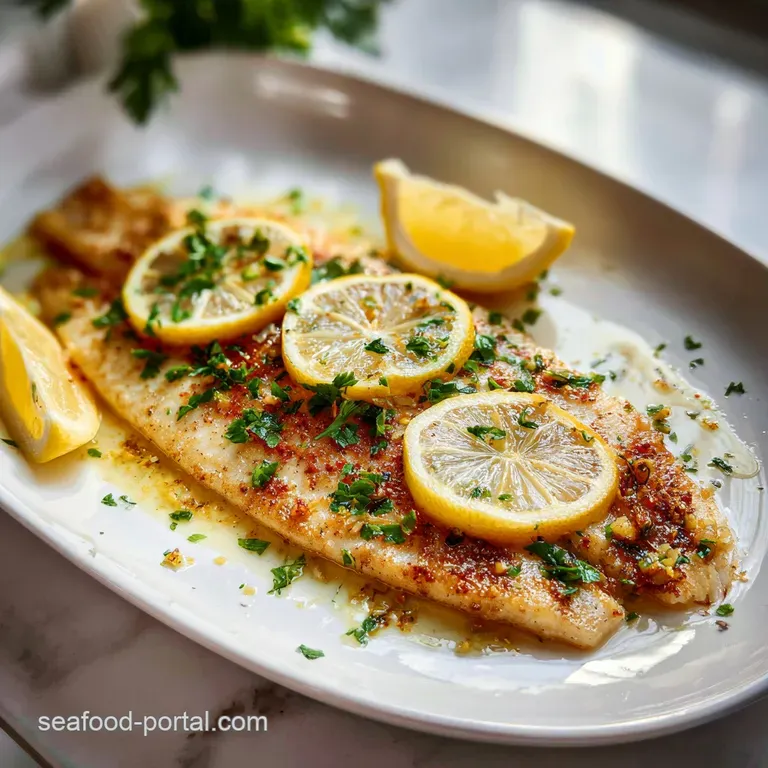
Let's walk through the process of turning these simple ingredients into a masterpiece. Remember, the total cook time is only 10 minutes, so have everything prepped and ready next to the stove.
step-by-step Instructions
- Prep the fish. Take your 1.5 lbs of fresh flounder fillets and pat them extremely dry with paper towels on both sides. Note: This is the most important step for a crispy finish.
- Season well. Dust both sides of the fillets with 0.5 tsp sea salt, 0.25 tsp freshly cracked black pepper, and 1 tsp smoked paprika. Smell the earthy spice mix as it hits the protein.
- Heat the pan. Add 2 tbsp extra virgin olive oil to your skillet over medium high heat. Wait until the oil is shimmering and just starting to faintly smoke.
- The first sear. Carefully lay the fillets in the pan, placing them away from you to avoid oil splatters.
- Develop the crust. Let the fish cook for 2–3 minutes. Listen for a steady, rhythmic sizzle. Do not move them until they release easily from the pan.
- The flip. Use your fish spatula to gently turn the fillets. They should be golden brown and slightly curled at the edges.
- Aromatics. Reduce the heat to medium. Drop in 4 cloves of minced garlic. Cook for 30 seconds until the scent of toasted garlic fills the room.
- Deglaze. Squeeze the juice of one large lemon directly over the fish. It will hiss and steam this is perfect.
- The velvet finish. Add 3 tbsp of chilled, cubed butter and 0.5 tsp red pepper flakes. Swirl the pan until the butter melts into a creamy, yellow sauce.
- Garnish and serve. Spoon that bubbling sauce over the fillets for 60 seconds. Top with fresh parsley and lemon zest. serve immediately while the fish is flaky and the sauce is warm.
Chef's Tip: If your fillets are very thin, they might only need 90 seconds on the first side. Always trust your eyes over the clock!
Avoiding Common Pan Searing Mistakes
Even with a simple Flounder Fish Recipe with Lemon and Garlic, things can go sideways if you're not careful. The most common heartbreak is "The Crowding Mistake." If you try to fit too much fish into one pan, the temperature of the oil drops instantly.
Instead of searing, the fish begins to release its own juices and essentially boils in the pan. Work in batches if you need to; the first batch will stay warm on a plate for the few minutes it takes to finish the second.
Identifying the "Done" Point
Flounder cooks incredibly fast. You'll know it's done when the flesh changes from translucent to opaque and flakes easily when poked with a fork. If it feels "rubbery," it's actually undercooked. If it's falling apart into tiny grains, it's slightly over.
Aim for that sweet spot where the flakes are large and glistening.
Quick Fix Table
| Problem | Root Cause | Solution |
|---|---|---|
| Fish is sticking | Pan wasn't hot enough | Wait for the oil to shimmer before adding fish |
| Garlic tastes bitter | Garlic burnt | Add garlic only after flipping the fish and lowering heat |
| Sauce is greasy | Butter was too warm | Use butter straight from the fridge and swirl constantly |
- ✓ Always pat the fish dry right before seasoning.
- ✓ Use a high smoke point oil like extra virgin olive oil or avocado oil.
- ✓ Don't flip the fish more than once; it's too delicate for flipping back and forth.
- ✓ Keep the lemon zest for the very end to preserve its bright, floral scent.
Making This Recipe Fit Your Lifestyle
We all have different pantry staples, and luckily, this dish is quite forgiving. If you're out of flounder, this method works beautifully with other thin white fish. You could even use this technique for a pan seared fresh skate fish if you're feeling adventurous.
| Original Ingredient | Substitute | Why It Works |
|---|---|---|
| Flounder Fillets | Dover Sole or Tilapia | Similar thickness and mild flavor profile |
| Extra Virgin Olive Oil | Ghee (Clarified Butter) | High smoke point with a rich, toasted flavor |
| Italian Parsley | Fresh Chives | Adds a mild onion brightness instead of herbal notes |
Dietary Adaptations
For those following a Keto or Low Carb lifestyle, this recipe is naturally a winner with only 2.1g of carbs per serving. If you are dairy-free, you can swap the butter for a high-quality vegan butter stick or simply use a bit more olive oil and a splash of silky smooth homemade fish stock to create the sauce's body.
Best Practices for Keeping Leftovers Fresh
Seafood is always best eaten the moment it leaves the pan, but life happens. If you have leftovers of this Flounder Fish Recipe with Lemon and Garlic, store them in an airtight container in the fridge for up to 2 days.
To reheat, avoid the microwave at all costs! It will turn your beautiful fish into a rubbery mess. Instead, place the fillets in a cold skillet with a tiny splash of water or broth, cover with a lid, and warm over low heat for 3-4 minutes. This "steam reheat" method keeps the fish moist.
I don't recommend freezing cooked flounder, as the delicate texture breaks down significantly during the thawing process.
Zero Waste Tip: Don't throw away those squeezed lemon halves! Toss them into a pot of boiling water with your pasta or use them to scrub your wooden cutting board to remove any lingering garlic scents.
Finding the Ideal Sides for Fish
When it comes to pairings, think about balance. Since this Flounder Fish Recipe with Lemon and Garlic is rich and buttery, you want something to cut through that fat. A crisp, green salad with a simple vinaigrette is a classic choice.
If you want something heartier, serve the fish over a bed of garlicky sautéed spinach or alongside some roasted asparagus. For a starch, a light jasmine rice or even some crusty sourdough bread is perfect for soaking up every last drop of that lemon butter sauce. If you're looking for a more traditional comfort meal, this fish also pairs unexpectedly well with a classic cornmeal catfish fry style side of hushpuppies or coleslaw.
A Note on Kitchen Myths
One myth I hear constantly is that you should "wash" your fish before cooking. Please, don't do this! Not only does it spread bacteria around your sink, but it makes it impossible to get the fish dry enough for a proper sear. The heat of the pan will take care of any safety concerns.
Another myth is that you can't use butter for searing. While true for over high heat steak, we use a mix of oil and late addition butter here specifically to get the flavor of butter without the burnt milk solids.
This recipe is proof that you don't need a pantry full of exotic ingredients to make something truly special. It's about technique, timing, and a little bit of love for the ingredients. Happy cooking!
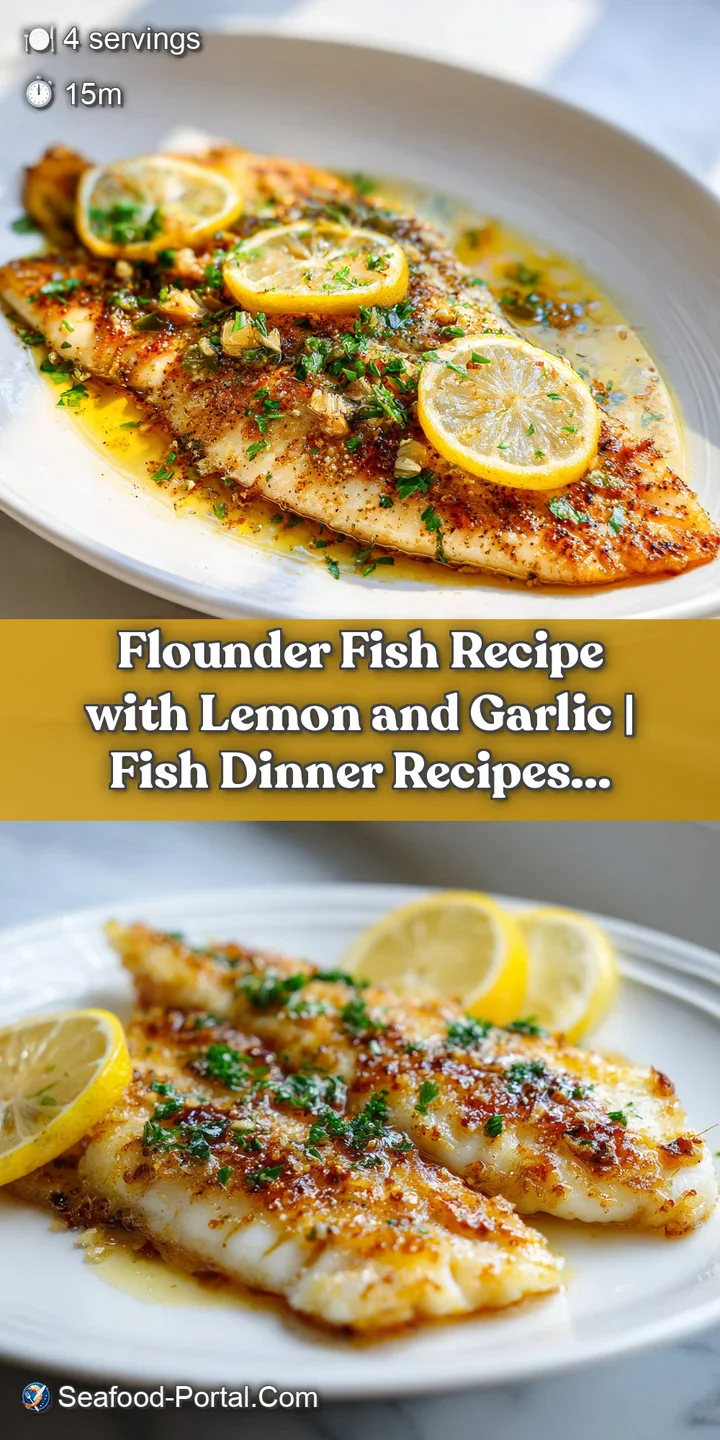
Recipe FAQs
Is it true I must soak flounder in milk before cooking to remove fishiness?
No, this is a common misconception. Fresh flounder has a naturally mild, delicate flavor that does not require soaking, and patting the fillets extremely dry with paper towels is the only preparation needed to ensure a perfect golden crust.
How to prevent the fish from falling apart during the flip?
Wait until a golden crust forms before attempting to turn the fillets. Cooking undisturbed for 2 3 minutes over medium high heat allows the proteins to set, making it much easier to flip the fish gently using a fish spatula.
How to achieve the best butter sauce consistency?
Swirl the pan gently as the chilled butter cubes melt into the lemon juice. If you enjoyed mastering this emulsification technique, you can apply the same principle to achieve a glossy finish in our Garlic Shrimp Scampi recipe.
Can I use dried parsley instead of fresh?
No, stick with fresh Italian parsley. Fresh herbs provide a bright, aromatic finish that complements the lemon zest and garlic without the musty, concentrated flavor often found in dried alternatives.
How to tell when the flounder is fully cooked?
Check for opaque, flaky flesh that separates easily with a fork. The fillets should be cooked through after searing for 2 3 minutes per side and basting with the butter sauce for an additional 60 seconds.
How to store leftovers properly?
Place in an airtight container and refrigerate for no more than one day. Flounder is a delicate white fish that loses its texture quickly, so it is best enjoyed immediately after the 10-minute cooking process.
Is high heat necessary for this recipe?
Yes, medium high heat is essential to achieve the signature crispy exterior. This temperature range provides the quick sear needed to create a contrast with the tender, flaky interior within the total 10-minute cook time.
Flounder With Lemon Garlic
Ingredients:
Instructions:
Nutrition Facts:
| Calories | 298 kcal |
|---|---|
| Protein | 32.2 g |
| Fat | 17.3 g |
| Carbs | 2.1 g |
| Fiber | 0.4 g |
| Sugar | 0.3 g |
| Sodium | 312 mg |
