Flounder Stuffed with Crabmeat in Lemon-Herb Butter (Ready in 40 Minutes)
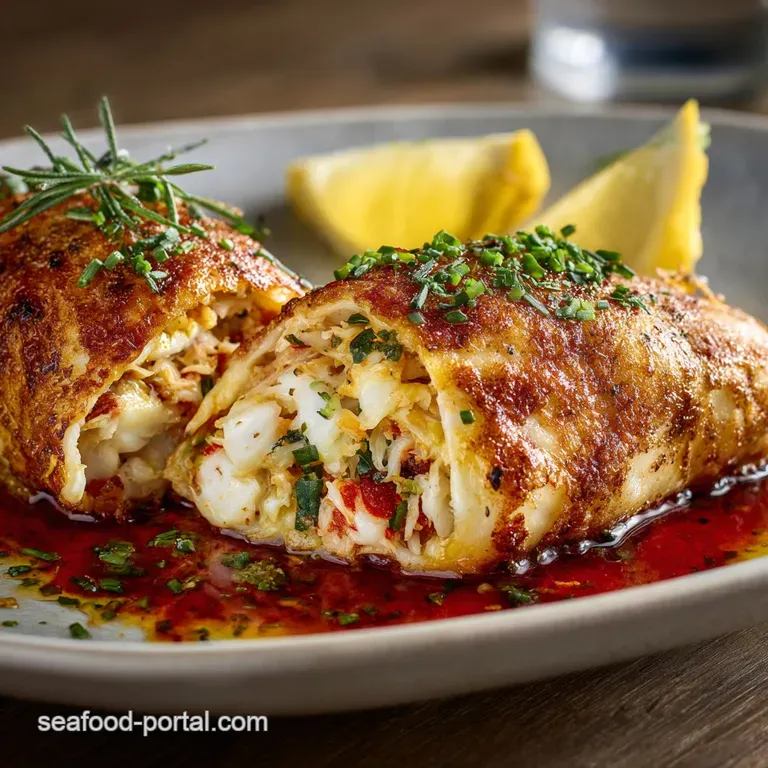
- The Ultimate Seafood Classic: Flounder Stuffed with Crabmeat
- The Science of Success: Why Crab and Flounder Are the Perfect Pairing
- Essential Ingredients for the Best Flounder Stuffed with Crabmeat
- Rolling and Baking: Step-by-Step Guide to Flounder Roulades
- Troubleshooting Your Flounder: Chef’s Tips and Common Preparation Mistakes
- Preparation, Storage, and Reheating Guide
- Elegant Pairings: What to Serve Alongside Your Stuffed Flounder
- Recipe FAQs
- 📝 Recipe Card
The Ultimate Seafood Classic: Flounder Stuffed with Crabmeat
Have you ever smelled something so completely elegant that it makes you feel like you should be wearing a tuxedo? That’s exactly what happens when this Flounder Stuffed with Crabmeat comes out of the oven, trust me. The aroma of sweet crab, bright lemon zest, and melting butter is absolutely intoxicating.
The delicate, perfectly white fish gently flakes away, revealing a luxurious crab filling that is totally spot on.
I know what you're thinking: fancy seafood is complicated and expensive. Nope! This Stuffed Flounder Recipe is the ultimate lifesaver for date night or when the in-laws surprise you. It looks incredibly impressive, yet requires maybe 20 minutes of actual hands-on work.
It’s affordable elegance that transforms a mild fish into a restaurant quality meal.
We are going to focus on nailing the texture of the crab stuffing it needs to be moist and flavorful, never crumbly or dry. Forget heavy cream sauces that overwhelm everything. This version focuses on a bright, herby binder and a simple lemon drizzle. Let’s stop talking and get rolling!
The Science of Success: Why Crab and Flounder Are the Perfect Pairing
Why Choose Delicate Flounder Fillets for Stuffing?
Flounder is a fantastic choice because its mild flavor won't compete with the richness of the crab filling. Since the fillets are naturally thin, they cook incredibly fast and are super pliable, making them easy to roll into neat little packages.
The thinness of the fish also ensures the entire dish is cooked through in under 20 minutes.
What to Expect: Texture, Elevation, and the Final Flavor Profile
The beauty of this dish is the textural contrast. You get the soft, flaky steamed texture of the baked flounder against the slightly firm, chunky bite of the lump crabmeat. We use a bright lemon butter finish to cut through the inherent richness of the crab, keeping every bite incredibly clean and balanced.
It truly elevates the entire dining experience.
Balancing Sweetness: The Role of Lump Crabmeat in the Filling
We always use lump or high-quality backfin crabmeat when making Crab Stuffed Flounder. Why? Because these grades maintain those beautiful chunks during mixing and baking, providing sweet little bursts of flavor.
That natural sweetness is crucial for standing up to the tang of the Dijon mustard and lemon zest we add for complexity.
The Lemon Herb Blend: Cutting Through Richness for a Bright Finish
If you make a mistake with seafood, it usually involves too much richness without any lift. The key to our light, irresistible crab stuffing is the herb blend parsley, shallots, and lemon zest. This vibrant mix ensures the filling remains bright and savory, not heavy or muddy.
It’s an essential component to keeping the entire dish light and elegant.
Achieving the Perfect Bake: Ensuring Moist Fish and Cooked Stuffing
Since we’re dealing with thin fillets, rolling them is actually a protective measure. When you roll the flounder around the filling, the fish acts as an insulating layer, ensuring it steams gently instead of drying out.
Baking at a hot temperature, 400°F (200°C), guarantees a fast cook, leaving you with tender fish and perfectly warmed stuffing.
Essential Ingredients for the Best Flounder Stuffed with Crabmeat
Selecting the Highest Quality Flounder Fillets
Look for fillets that are consistently thin, about four to six ounces each. Thinner fillets roll easily and prevent the stuffing from spilling out. If your flounder fillets seem thick, you might need to butterfly them gently to create a thinner surface.
Always pat the fish bone dry before you start seasoning and stuffing.
Crabmeat Grades Explained: Which Type Works Best for Stuffing?
When making Fish Stuffed with Crabmeat, the grade matters. Jumbo Lump is gorgeous but often too expensive for baking. Stick with Lump or Backfin crabmeat. Backfin is often the best budget compromise, providing good texture and flavor.
Just be sure to pick through it meticulously for any stray shell fragments it happens!
Structuring the Filling: Using Panko Breadcrumbs and Binder Options
Our goal is a stuffing that holds its shape but doesn't feel like dense meatloaf. That's why Panko breadcrumbs are non-negotiable here; they absorb moisture without turning into paste, keeping the filling light and fluffy.
A touch of mayonnaise acts as our creamy binder, providing necessary fat and moisture while avoiding a heavy sauce.
Necessary Substitutions and Ingredient Prep Notes
Life happens, and sometimes you don’t have exactly what the recipe demands. Here are my go-to swaps for this Flounder With Crabmeat recipe:
| Ingredient | Substitute | Chef’s Prep Note |
|---|---|---|
| Flounder Fillets | Dover Sole or large, thin Tilapia fillets. | If using Tilapia, check out my recipe for Mexican Tilapia Bowls: Zesty Chipotle Fish with Avocado Crema . |
| Lump Crabmeat | high-quality imitation crab (reduce mayo slightly). | Ensure it's very finely chopped and well drained. |
| Shallot | Half of a small, finely minced yellow onion. | Sauté until fully transparent to remove any harsh bite. |
| Dijon Mustard | Whole grain mustard (will add texture). | Avoid spicy brown mustard; it overpowers the crab. |
Rolling and Baking: step-by-step Guide to Flounder Roulades
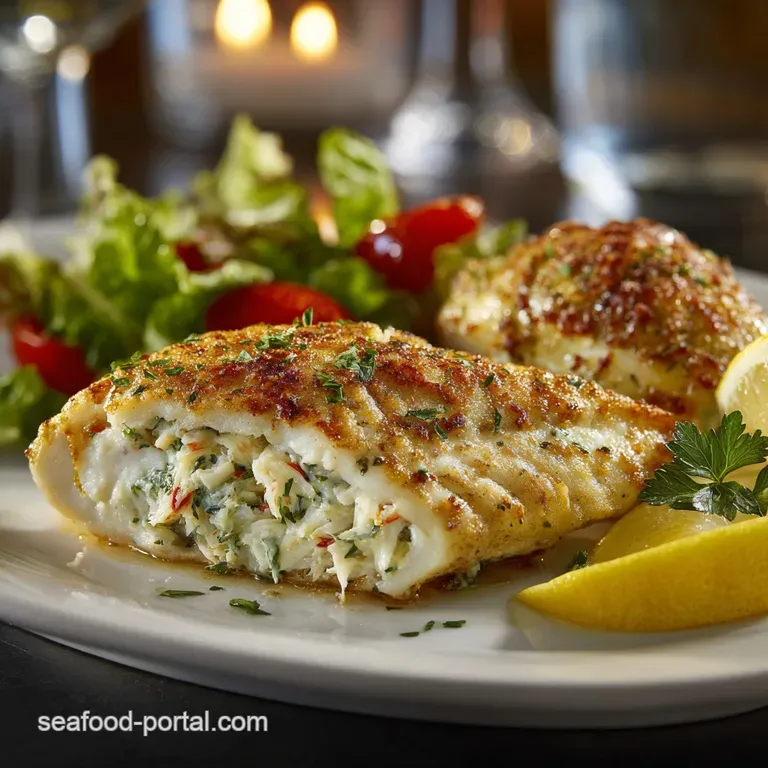
Preparing the Aromatic Lemon Herb Crab Stuffing
First, gently sauté your minced shallots in butter until they are soft and fragrant; this step concentrates their sweetness. Let them cool slightly before proceeding. In a bowl, combine the drained crab, Panko, and the cooled shallots. Add the mayo, Dijon, lemon zest, and parsley.
Chef's Note: When combining the stuffing, treat the crab like spun glass. Use a spatula and fold, fold, fold. We are mixing, not mashing. This is how we keep those gorgeous lumps intact, making this the best Stuffed Flounder Recipe you'll ever make.
The Flounder Roll Technique: How to Secure the Filling without Tearing
Pat your fillets dry once more and season both sides thoroughly with salt and pepper. Lay one fillet flat on your cutting board. Place a generous spoonful of the stuffing (about 2 oz) on the widest end of the fillet. Roll tightly and purposefully toward the narrow end of the fish.
Secure the roll with one or two sturdy wooden toothpicks.
Baking Time and Temperature Calibration for Seafood Safety
Preheat your oven to 400°F (200°C) and arrange the prepared Flounder Stuffed with Crabmeat rolls seam side down in a lightly oiled baking dish. Bake for 15 to 18 minutes.
The fish is ready when the internal temperature hits 145°F (63°C), or when the fish looks opaque and flakes easily with a fork.
The Finishing Touch: Preparing the Simple Lemon Butter Drizzle
While the fish rests, melt your butter in a tiny saucepan over the lowest heat setting. As soon as it’s melted, remove it from the heat immediately. Stir in the fresh lemon juice and chopped dill or parsley if you prefer.
Whisk it quickly; this technique keeps the sauce smooth and prevents the butter from separating. Drizzle generously over the warm stuffed flounder before serving!
Troubleshooting Your Flounder: Chef’s Tips and Common Preparation Mistakes
Preventing the Stuffing from Crumbling or Seeping Out
The biggest failure point in Flounder Stuffed with Crabmeat is a wet stuffing mix. If your crabmeat wasn't thoroughly drained, the stuffing will turn watery during baking and seep out, leaving a sad puddle in your dish. Always press the crabmeat between paper towels to remove excess moisture before mixing.
The Secret to Moist Flounder: Don't Overcook the Seafood!
Flounder is incredibly lean and forgives nothing. Even 90 seconds too long can turn it rubbery. Since we are baking the fish, it will continue to cook slightly even after removal, so pull it out of the oven the second it hits 145°F.
Seriously, watch the clock and use a thermometer; it’s the only way to guarantee perfection.
Addressing Excess Moisture in the Crab Mix Before Rolling
I once made the mistake of adding cold, watery shallots to my filling, and the resulting mess was a disaster. If your stuffing feels too loose, simply add an extra teaspoon of Panko and let it sit for five minutes. The Panko will absorb the excess moisture and firm up the mix, making the rolling process much simpler.
Preparation, Storage, and Reheating Guide
Can I Assemble the Flounder Ahead of Time? (make-ahead Prep)
This is a fantastic make-ahead meal! You can assemble the Flounder Stuffed with Crabmeat rolls fully (including securing them with toothpicks) and place them tightly covered in the baking dish. They will hold perfectly in the fridge for up to 12 hours.
Just know that you might need to add 3 to 5 minutes to the baking time since they start cold.
Safe Storage of Cooked Stuffed Flounder
If you have any glorious leftovers, store them in an airtight container in the refrigerator. They will stay fresh and delicious for about three days. They don't freeze particularly well because of the delicate texture of the flounder, so try to enjoy them within that window.
Reheating the Rolls
You need to reheat this gently to preserve the fish texture. Absolutely avoid the microwave ; it will make the flounder tough and the crab rubbery. Reheat the stuffed flounder in a 300°F (150°C) oven for about 10– 12 minutes, just until warmed through.
This maintains the flaky texture of the fish beautifully.
Elegant Pairings: What to Serve Alongside Your Stuffed Flounder
This elegant main dish demands light, fresh sides that don't overpower the delicate crab. I love serving it with a simple side of buttery, roasted asparagus or green beans sautéed with almonds. If you want a starch, creamy saffron risotto is my number one choice for a decadent feel.
For a completely different texture profile, you could make a batch of Cod Cakes: The Best Crispy Fish Cake Recipe with Flaky Cod for variety, but they should really be appetizers here!
Wine Pairings: Crisp Whites That Complement Citrus and Crab
Because the dish is bright, rich, and features citrus, you need a wine with high acidity. A crisp, unoaked white is your best bet every time. Think Sancerre, Pinot Grigio, or a bone dry Muscadet. These wines cut through the richness of the crab and butter beautifully.
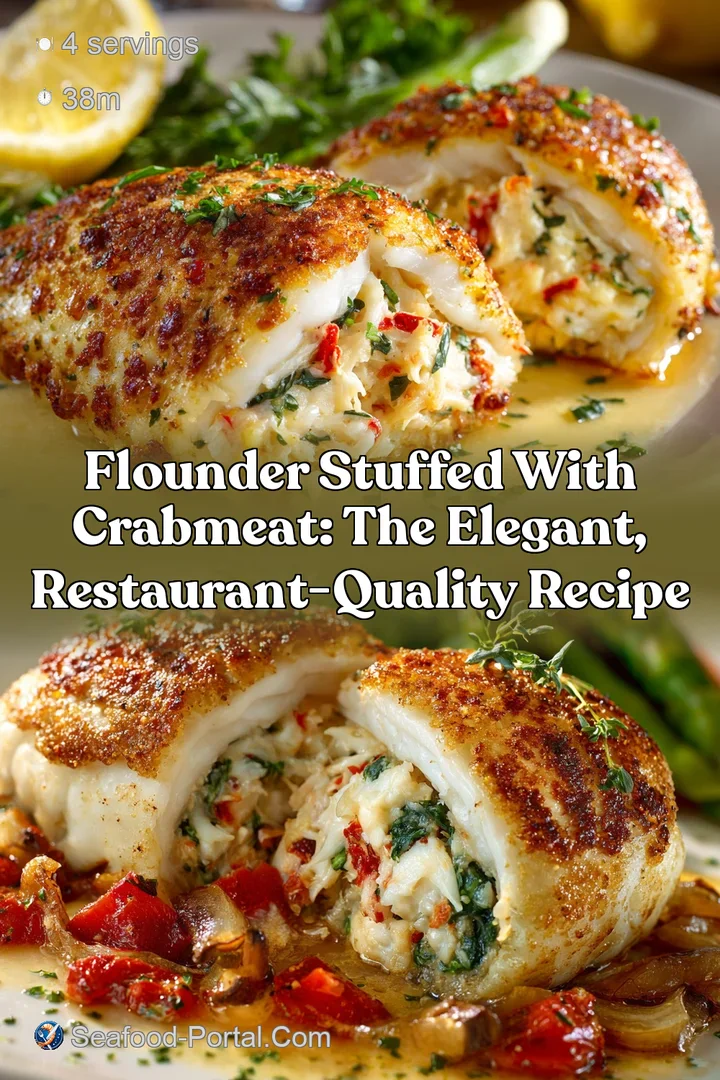
Recipe FAQs
Why did my stuffed flounder turn out dry or rubbery?
Flounder is a very thin and delicate fish, making it highly susceptible to overcooking which leads to dryness. Ensure your oven is accurately preheated and remove the fish immediately once the internal temperature hits 145°F (63°C).
Basting the fish with the lemon butter sauce halfway through baking can also help keep the delicate fillets moist and rich.
Can I use a different type of fish if flounder is unavailable?
Yes, any thin, mild white fish will work well for stuffing, such as sole (Dover or Lemon) or tilapia. These fish share a similar flaky texture and mild flavor profile.
If you use a slightly thicker fillet, like cod or haddock, you may need to gently butterfly it before rolling and increase the baking time by a few minutes.
What is the best type of crabmeat for the stuffing?
Lump or Jumbo Lump crabmeat provides the best texture and the purest, sweetest flavor necessary for a luxurious stuffing. While cheaper varieties can be used, they may lack the desired structure.
It is critical to use good quality, pasteurized crabmeat and drain it well before mixing to prevent the stuffing from becoming watery during baking.
How do I ensure the crab stuffing stays inside the fillet while baking?
The key is to not overstuff the fillets; use only about two tablespoons of filling per roll. Gently roll the fillet tightly and secure it either with a piece of kitchen twine or a small wooden toothpick.
If you are simply folding the fillet over the stuffing (rather than rolling), place the seam side down in a lightly oiled baking dish to hold the shape.
Can this dish be assembled and prepared ahead of time?
Yes, you can assemble the stuffed flounder rolls up to 12 hours in advance. Place the assembled, unbaked portions in the baking dish, cover tightly with plastic wrap, and refrigerate.
When ready to bake, add 5 to 7 minutes to the cooking time since they will be starting from a cold temperature, ensuring they reach 145°F (63°C).
How do I know when the stuffed flounder is fully cooked?
The fish is done when the internal temperature of the thickest part of the fish (not the stuffing) registers 145°F (63°C) on an instant read thermometer. The flesh should be completely opaque and should flake easily when tested with a fork.
The crab stuffing itself will be hot throughout, often bubbling slightly around the edges, but focus on the fish’s doneness to prevent dryness.
Can I freeze leftover stuffed flounder?
While cooked leftovers can technically be frozen, it is generally not recommended for optimal culinary quality. The delicate texture of the flounder tends to become mushy and excessively watery upon thawing and reheating.
If you must freeze, ensure the fish is tightly wrapped and use within one month. The dish is best enjoyed fresh or refrigerated for up to three days.
Flounder Stuffed With Crabmeat Recipe
Ingredients:
Instructions:
Nutrition Facts:
| Calories | 279 kcal |
|---|---|
| Protein | 13.5 g |
| Fat | 18.5 g |
| Carbs | 14.3 g |
