Classic Tuna Casserole: the Elevated Queen of Comfort
- The Queen of Comfort: Why We Updated Classic Tuna Casserole
- The Science of Satisfaction: Why This Classic Tuna Casserole Recipe Works
- Essential Components: Ingredients and Smart Swaps for Tuna Noodle Casserole
- Method: How to Build the Ultimate Creamy Tuna Casserole (Step-by-Step)
- Troubleshooting and Tips for a Perfect Result
- Make-Ahead Guide: Storing, Reheating, and Freezing Classic Tuna Casserole
- Perfect Pairings: What to Serve Alongside Tuna Casserole
- Recipe FAQs
- 📝 Recipe Card
The Queen of Comfort: Why We Updated Classic Tuna Casserole
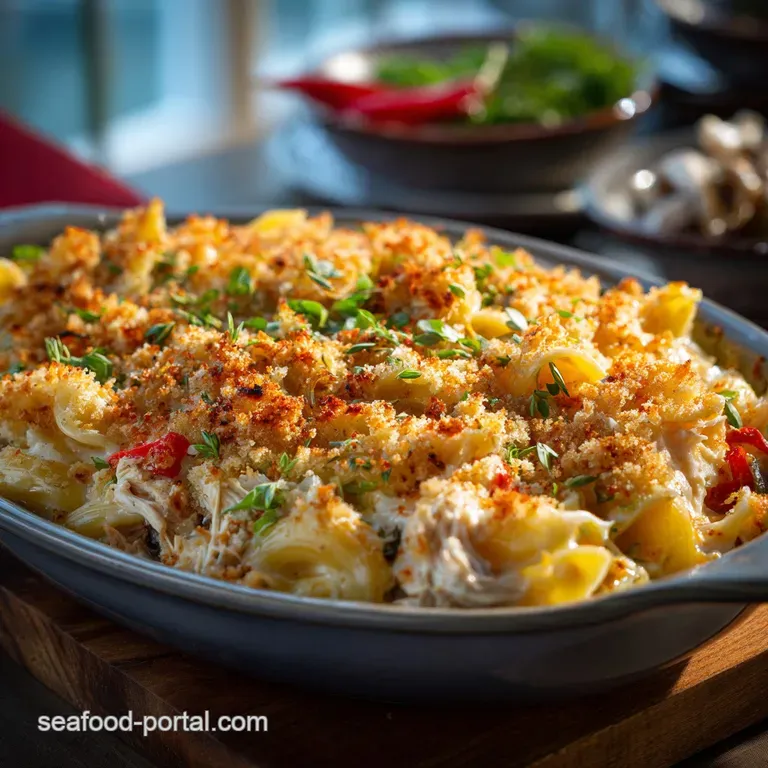
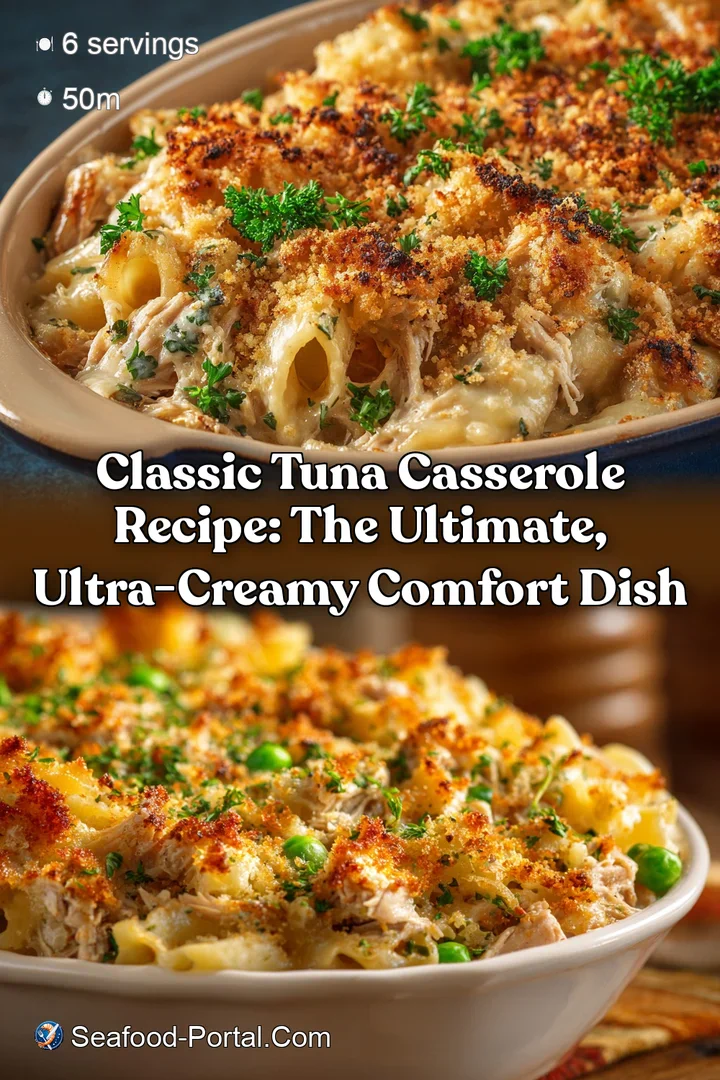
Let’s be real: sometimes you just need a big, warm hug in a dish. That’s what classic tuna casserole delivers, hitting all the right nostalgic notes. When this comes out of the oven, the smell alone is enough to transport you back to childhood it’s that irresistible blend of salty cheese, sweet peas, and buttery, toasted crunch.
This isn't fancy food, but it is pure lifesaver food. It’s incredibly fast, delightfully inexpensive, and you probably have almost all the necessary ingredients hiding in your pantry right now.
Seriously, the moment I realize I forgot to thaw dinner, this Classic Tuna Casserole saves the day.
We are updating the classic recipe, though. We’re ditching the canned, condensed soup base (no judgment, but we can do better!) and building a luxurious, unbelievably creamy sauce from scratch. Trust me, learning to make a basic roux is a culinary superpower, and it makes this dish transcendent.
Let’s crack on.
The Science of Satisfaction: Why This Classic Tuna Casserole Recipe Works
Ditching the Can: The Case for a Homemade Béchamel Base
The shortcut of condensed soup is tempting, but it often brings a metallic flavor and too much sodium. By creating a homemade Béchamel (a fancy word for a milk based white sauce), you gain total control over texture and seasoning.
We start with a buttery roux that simple mixture of cooked fat and flour which ensures the sauce thickens perfectly without turning pasty or bland. The difference is night and day.
A Timeless Dish: Revisiting the Appeal of Noodle Casseroles
Casseroles stick around for a reason. They manage moisture and flavor beautifully, allowing the ingredients to mingle and intensify as they bake. They are the definition of low-effort, high reward cooking. You throw everything in a dish, slide it into the oven, and wait for that bubbling golden goodness to appear.
Prep Time Promise: How Long This Easy Weeknight Meal Takes
This recipe keeps the promise of being a fast weeknight meal. Active prep time is genuinely minimal; we’re only looking at about 15 minutes to dice the aromatics and build the sauce. While the noodles boil, you're building the foundation. It’s beautifully efficient cooking.
The Three Textures: Creaminess, Al Dente Noodles, and Crunchy Topping
A great casserole needs textural contrast, otherwise, it just becomes a monotonous mush. We address this crucial point in three ways: the intensely creamy tuna casserole sauce, the slightly undercooked (and therefore toothsome) egg noodles, and that essential, aggressively crunchy topping.
The mix of soft interior and crisp exterior is non-negotiable for satisfaction.
Umami Depth: Maximizing Flavor from Tinned Tuna and Cheese
Tuna can sometimes be a little flat, so we rely on supporting players to boost the savory profile. Dijon mustard and a dash of Worcestershire sauce are key flavor builders here. They don’t make the dish taste spicy or sour, but they cut through the heavy dairy and unlock the savory, salty depths of the tuna and cheddar.
Moisture Management: Preventing a Dry or Soupy Casserole
One common mistake is a dry casserole, or worse, one that leaks liquid after baking. We fix this by slightly undercooking the noodles, allowing them to absorb excess moisture in the oven.
Trust me on this: using chicken stock along with the milk also adds needed volume and prevents the Béchamel from becoming too thick or gluey.
Essential Components: Ingredients and Smart Swaps for Tuna Noodle Casserole
Choosing Your Catch: Tinned Tuna Types (Oil vs. Water)
I generally prefer quality tuna packed in olive oil (like Italian tuna), provided you drain it meticulously. It offers a richer flavor than water packed. However, water packed tuna works just fine for this classic tuna casserole recipe , especially if you are watching fat content.
The critical step is draining it completely. You could use high-quality canned salmon here, too; it swaps 1:1 and adds gorgeous pink color.
Building the Roux: Butter, Flour, and Milk Ratios for the Perfect Sauce
The sauce starts with equal parts butter and flour, creating the roux. The flour must cook for at least a minute to eliminate that raw, chalky taste. We use whole milk because the fat content contributes to incredible creaminess, but you can certainly use half and half for an even richer result.
| Ingredient | My Preference | Smart Substitute |
|---|---|---|
| Milk | Whole Milk | Half and Half, Oat Milk (for dairy-free) |
| Cheddar | Sharp Cheddar | Monterey Jack, Gruyère, or Colby |
| Egg Noodles | Medium width | Penne, Elbow Macaroni, or gluten-free Pasta |
| Dijon Mustard | Essential | A squeeze of lemon juice (less depth, but adds brightness) |
Noodle Choice: Why Egg Noodles Are Optimal (And Alternatives)
Egg noodles are the traditional choice for a reason. They are tender and mild, absorbing the rich, creamy sauce without competing with the tuna. Their shape also holds the sauce beautifully. If you don't have them, use any short pasta shape penne or shells work wonderfully.
The Crispy Crown: Elevating the Casserole Topping
The crunch is everything, right? Panko breadcrumbs provide a fantastic, light, and very crisp texture, especially when tossed in melted butter and Parmesan. But honestly, this is a fun place to play around. My favorite slightly trashy tip?
Crush up some Ritz crackers or potato chips (crisps!) for a seriously satisfying, salty crust.
Method: How to Build the Ultimate Creamy Tuna Casserole (step-by-step)

Step 1: Boiling and Prepping the Pasta
First, get your oven preheating to 375°F (190°C) and grease your 9x13 dish. Next, boil the salted water for the noodles. Cook them until they are just shy of al dente — undercook them by a solid two minutes.
Drain them immediately and toss them with a tiny drizzle of oil to keep them from sticking while you make the sauce.
Step 2: Mastering the Béchamel and Cheese Incorporation
Start by melting the butter for your roux in a large saucepan over medium heat. Sauté the diced onion and celery until they are soft and smelling wonderfully aromatic, about 5– 7 minutes.
Sprinkle in the flour, and cook that mixture (the roux) for a full minute, stirring constantly; this banishes the raw flour taste.
Chef's Note: Whisk in the milk and stock slowly, ensuring you fully incorporate the liquid bit by bit to avoid lumps. If you get lumps, take the pan off the heat and whisk aggressively until smooth before returning it.
Let the sauce simmer gently until it thickens enough to coat the back of a spoon. Pull the pan off the heat! Stir in the Dijon and Worcestershire, followed by the grated cheddar, until the sauce is silky and totally homogeneous.
Step 3: Folding and Assembling the Casserole Base
Now for the fun part: folding everything together. Add the drained tuna (give it an extra press in the colander!), the frozen peas, and the undercooked noodles directly into the saucepan with the sauce. Fold gently until everything is coated and the peas are distributed.
Pour this mixture into your prepared casserole dish.
Step 4: Baking for a Golden, Bubbling Finish
In a small bowl, quickly mix the Panko, melted butter, and Parmesan. Sprinkle that perfect crumbly mixture evenly over the top of the noodle base. Bake for 25– 30 minutes until the edges are bubbling vigorously and the topping is deeply golden brown.
Give it 5 to 10 minutes to rest on the counter; it allows the sauce to set up and prevents scalding your mouth.
Troubleshooting and Tips for a Perfect Result
Avoiding the Grainy Sauce: Temperature Control for the Béchamel
A grainy sauce happens when you either add cold cheese to very hot, boiling milk, or when the milk boils after the cheese is added. The key is gentle heat. Always remove the saucepan from the heat before stirring in the cheese.
If the cheese isn't melting, the residual heat isn't enough, but it’s safer to put it back on very low heat for 30 seconds than to let it boil.
Salt Balance: Seasoning the Sauce Before and After Combining Tuna
Tuna straight from the can, especially water packed, tends to be quite salty already. Similarly, sharp cheddar and stock contribute sodium. Seasoning is critical here! Do not heavily salt the sauce before adding the tuna and cheese.
Taste the final mixed casserole base before pouring it into the dish, and adjust the salt then. It’s much easier to add salt than to take it away.
make-ahead Guide: Storing, Reheating, and Freezing Classic Tuna Casserole
Freezing Instructions: Cooked vs. Uncooked Assembly
This is fantastic for meal prep! I prefer freezing the casserole before baking it. Assemble the full dish, including the topping, but skip the baking step. Cover it tightly with plastic wrap, then foil, and label it. It keeps well for up to three months.
When you want to bake it, thaw it overnight in the fridge, remove the plastic wrap, and bake as directed, maybe adding an extra 5– 10 minutes since it will be chilled.
Safe Storage Duration: Refrigeration Guidelines
Leftovers store beautifully. Cover the baked casserole tightly and store it in the fridge for up to 3 or 4 days. It thickens up considerably once chilled, which is great for portion control.
Reheating Casserole: The Best Technique for Retaining Creaminess
The microwave works for quick reheating, but it often dries out the topping and can make the edges tough. For best results, cover the leftovers loosely with foil and reheat them in a 300°F (150°C) oven for 15– 20 minutes.
If the sauce looks too tight, splash a spoonful of milk over the top before reheating.
Perfect Pairings: What to Serve Alongside Tuna Casserole
Cutting the Richness: Crisp Green Salads and Vinaigrettes
Because this casserole is rich, creamy, and carb heavy, you absolutely need something sharp and fresh alongside it. A simple green salad dressed with a bright, vinegary vinaigrette is the perfect counterpoint. It acts like a palate cleanser. Sometimes, when I want a lighter seafood option, I'll totally switch gears and make a Tuna Poke Bowl Recipe: Fresh, Fast, and Easy Ahi Poke at Home instead, but for this heavy meal, a sharp salad is a must.
Simple Vegetable Sides for Balance
Steamed asparagus or quick blanched green beans, simply dressed with a squeeze of lemon and a tiny bit of flaky salt, provide great color and balance. Peas are already integrated, so focus on something long and green!
Bread Service: Crusty Sourdough for Mopping Up Sauce
If you’re feeling extra indulgent, serve this with slices of crusty sourdough or a simple piece of garlic toast. You need something sturdy to mop up every last drop of that creamy, cheesy sauce. Honestly, if you love this dish, you should try my recipe for the Classic Tuna Melt Sandwich: The Ultimate Crispy, Golden Grilled Recipe sometime it captures that same cheesy tuna comfort in sandwich form.
Recipe FAQs
Why is my Tuna Casserole dry or too thick?
Dryness usually means the sauce cooked down too much before being mixed, or the noodles absorbed excess liquid while sitting. If the mixture seems too thick before baking, simply stir in an extra splash of milk or broth (about 1/4 cup) to restore the creamy consistency.
Ensure your noodles are only cooked al dente, as they will finish absorbing liquid and softening in the oven.
Can I assemble this casserole ahead of time and bake it later?
Yes, you can assemble the casserole completely up to 24 hours in advance. Cover it tightly with plastic wrap or foil and refrigerate immediately after mixing. Allow the dish to sit on the counter for 20-30 minutes before baking to take the chill off, and you may need to add 5-10 minutes to the total baking time.
What is the best substitution for egg noodles?
Medium sized pasta shapes that hold creamy sauces well are the best substitutes. Penne, rotini, or elbow macaroni work excellently, providing the necessary hearty bite. Ensure that whichever pasta you choose is cooked until just shy of al dente according to package directions before mixing it into the sauce.
I don't have Panko breadcrumbs. What are good topping alternatives?
The key to a great casserole topping is crunch and butteriness. Crushed butter crackers (like Ritz), plain dry breadcrumbs mixed with melted butter, or even crushed potato chips are wonderful alternatives.
For an easy savory option, use crispy fried onions (often called French fried onions) for the last 5 minutes of baking.
Can I substitute the tuna for a different protein?
Absolutely; this rich sauce base works wonderfully with other proteins. Canned or cooked salmon, or shredded cooked rotisserie chicken, are excellent, easy swaps. Use the same 12 14-ounce quantity specified for the tuna, ensuring the substitute protein is fully cooked and flaked before adding.
How should I store leftovers, and can I freeze the casserole?
Leftovers should be refrigerated in an airtight container for up to three days. While freezing is possible, the texture of creamy sauces sometimes breaks down upon thawing and reheating.
If you choose to freeze, cool the casserole completely after baking, wrap it tightly, and freeze for up to two months; thaw overnight in the refrigerator before reheating.
Elevated Classic Tuna Casserole Recipe

Ingredients:
Instructions:
Nutrition Facts:
| Calories | 460 calories |
|---|---|
| Fat | 24 g |
| Fiber | 3 g |
