Poached Cod: the Effortlessly Elegant Method
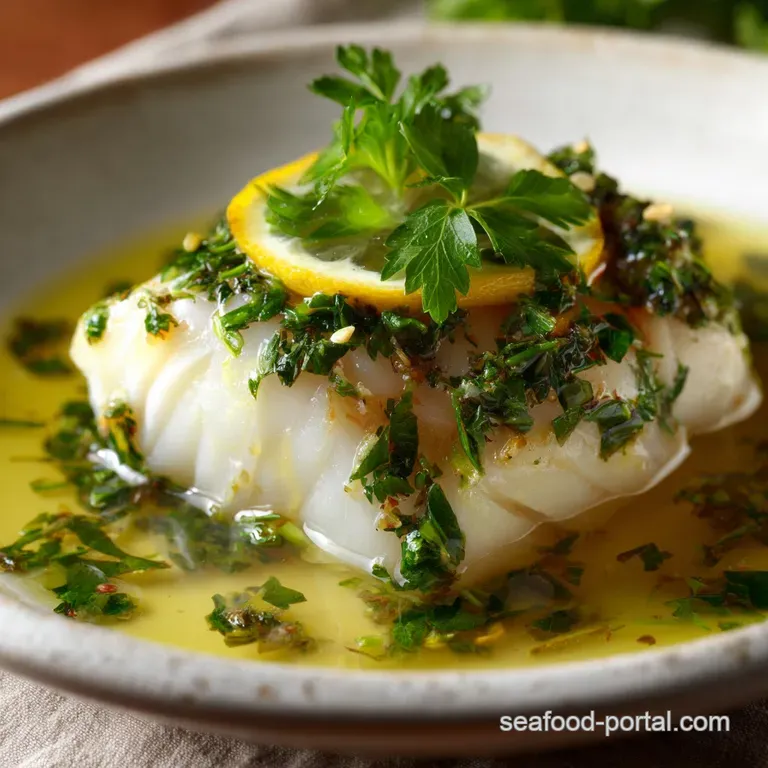
- The Ultimate Guide to Perfectly Poached Cod
- Mastering Moisture: The Science Behind Tender Fish
- Essential Components for the Herb-Infused Poaching Liquid
- Step-by-Step Guide: Gently Preparing the Poached Cod Fillets
- Troubleshooting Poaching: Achieving the Perfect Flake Every Time
- Handling Leftovers: Storage, Reheating, and Reuse
- Complete the Plate: Elegant Pairings for Poached Fish
- Recipe FAQs
- 📝 Recipe Card
The Ultimate Guide to Perfectly Poached Cod
You know that feeling when you slice into fish and it just shatters into silken, tender flakes? That’s what we’re aiming for today. This isn't your grandma’s boiled fish, trust me.
When done right, the aroma of lemon, dill, and white wine wafts up, hinting at the clean, delicate flavour that defines truly great Poached Cod .
For years, I was afraid of cooking fish, always ending up with something dry and sad. Then I discovered poaching. It’s the ultimate weeknight saviour because it’s ridiculously fast, requires almost zero fat, and is nearly impossible to mess up if you follow one crucial temperature rule.
It’s elegant, healthy, and makes clean eating deliciously easy.
Forget everything you thought you knew about cooking white fish. We're talking maximum flavour infusion and zero stress. Let’s dive into the foolproof secrets behind the best Poached Cod recipe you'll ever make.
Mastering Moisture: The Science Behind Tender Fish
When I look back at my biggest cooking disasters, 90% involved overheating protein. But poaching is different; it forces you to slow down. This method uses gentle heat to cook the fish evenly, ensuring that the cod stays incredibly moist and delicate.
Why Poaching is the Healthiest Way to Cook Cod
Seriously, this method is a nutritional powerhouse. Because you're cooking the fish directly in an aromatic liquid instead of oil or butter (though we love butter, of course), you minimize added fats while still maximizing flavour.
It’s the definition of clean cooking, making healthy Poached Cod an absolute staple in my kitchen.
Defining the Ideal Texture: Silken and Flaky
What makes poached fish so special? Texture. We are looking for fish that is opaque throughout but separates easily into thick, luxurious flakes that almost creamy texture. Achieving this perfect consistency is the entire goal of slow poaching.
Understanding the Herb & Lemon Broth Base
The secret weapon here is the court bouillon , or what I call the "quick flavour bath." It's essentially a highly seasoned, acidic liquid that not only cooks the fish but permeates every layer with zest and herbal brightness.
This base is essential for transforming plain cod into flavour packed Poached Cod .
A Note on Equipment: Shallow vs. Deep Pans
This is critical: use a shallow, wide pan, like a sauté pan. Why? You want the liquid level to be low enough that the heat distributes quickly and evenly. A deep pot might require too much liquid, diluting the precious flavour base we're building.
Plus, a shallow pan makes lifting out the delicate fillets much easier!
The Magic of Low-Temperature Cooking (Preventing Protein Coagulation)
Think of fish muscle like tiny ropes of protein. When you hit them with high, dry heat (like frying), those ropes tighten up fast, squeezing out all the moisture that’s how you get tough, rubbery cod.
Poaching works by keeping the temperature low (160 180°F), allowing the proteins to set slowly and gently, keeping the moisture locked inside the resulting beautiful, soft Poached Cod .
Flavor Infusion: How the Aromatic Liquid Penetrates the Cod
Because the fish is submerged in the warm, flavourful liquid for the entire cooking process, the aromatics don’t just sit on the surface. The lemon, dill, and wine (or stock) slowly seep into the flesh as it cooks. It's a culinary hug, really. You get deeply seasoned fish without needing a heavy marinade.
Essential Components for the Herb Infused Poaching Liquid
We're building a simple, bright broth. Don't overthink this step, but don't skimp on the aromatics either. The quality of your Poached Cod is entirely dependent on the quality of the poaching liquid.
Selecting the Best Cod Fillets (Skin On vs. Off)
I usually go skin off for poaching, just for ease of eating. If you use skin-on, ensure the skin is thoroughly scaled and clean. Crucially, choose fillets that are relatively thick (1.5 inches) and uniform in size so they cook simultaneously.
If you have thicker fillets, the cooking time for the Poached Cod will need adjustment.
Building the Aromatic Base: Herbs That Enhance the Cod
For me, dill and cod are soulmates. They just work. We pair the dill with parsley and fresh lemon slices for brightness. A bay leaf adds a necessary earthy depth.
Substitutions for the Broth and Seasoning
You can totally customize this base depending on what’s in your fridge.
| Ingredient | My Suggestion | Viable Substitute |
|---|---|---|
| Dry White Wine | Sauvignon Blanc | Extra stock + 1 tbsp Apple Cider Vinegar |
| Dill | Fresh is best | Tarragon or Thyme (adjust quantity slightly) |
| Shallot | Sliced thin | Quarter of a yellow onion or 2 celery sticks |
| Water/Stock | Veg Stock (low sodium) | Coconut milk (for a creamy curry style Poached Cod ) |
Chef's Note: If you want a truly refined look, feel free to switch to neutral fish like tilapia or use different cuts. I’ve even adapted this broth when making delicate Lobster Dishes: Tender Butter Poached Tails with Saffron Risotto — the base flavour profile is so versatile.
Water Temperature Matters: Starting Points for the Liquid
Never start poaching in cold water. You must bring your liquid to a gentle simmer (the aromatic steep step) before you introduce the cod. This prevents the outside from becoming tough while waiting for the center to warm up. Remember, tiny bubbles are your friend.
step-by-step Guide: Gently Preparing the Poached Cod Fillets
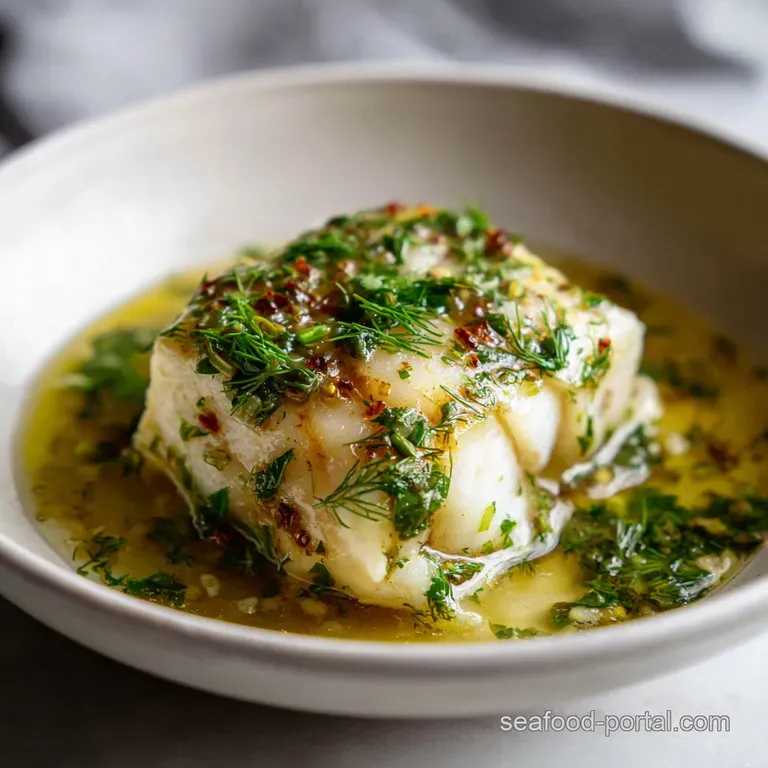
Ready? Let’s crack on. This whole process takes about 20 minutes start-to-finish.
Preparing the Court Bouillon Base (Quick Version)
Toss all your aromatics shallots, garlic, lemon, herbs, wine, and stock into the shallow pan. Bring it up to a low simmer over medium heat. Let it steep for five full minutes, dropping the heat slightly.
This is where the magic happens, giving you that deeply flavourful liquid necessary for great Poached Cod .
The Gentle Submersion: When to Introduce the Fish
Once the liquid is simmering beautifully (and measures between 160°F and 180°F), slide your seasoned cod fillets into the bath. They should be mostly submerged. If they aren't, add a splash of hot water until they are almost covered.
Monitoring Doneness Without Poking or Probing
Resist the urge to poke it repeatedly! The colour change is your best visual clue: the translucent, pearly flesh turns uniformly opaque white. If you have a thermometer, aim for 145°F (63°C) internal temp.
After about 8 minutes, you can also gently press the top of the fillet; if it flakes slightly, it's done.
Resting and Serving Directly from the Broth
Use a slotted spatula to transfer the Poached Cod immediately to a warm plate. Do not let it sit too long in the hot liquid once cooked, or it will continue cooking and dry out. Garnish with some fresh dill and serve! This simple recipe for Poached Cod is an absolute joy. If you love quick fish dinners, this is as fast as my Chinese Steamed Cod Fish: Flaky Fillet in Under 25 Mins !
Troubleshooting Poaching: Achieving the Perfect Flake Every Time
I once made the mistake of trying to poach six large fillets in one pan. They all stuck together and the liquid dropped in temp, giving me sad, half cooked fish. Learn from my errors!
The Thermometer is Your Friend: Maintaining 160-180°F (71-82°C)
This is the non-negotiable step for flawless Poached Cod . If you don't have an instant read thermometer, watch the surface of the liquid like a hawk. You should see occasional, gentle steam, but never a furious roll. If the liquid boils, remove it from the heat immediately.
Preventing Fillet Breakage During Transfer
Cod is notoriously delicate when cooked. To prevent the beautiful fillet from breaking apart when you move it from the pan to the plate, use a large, wide slotted fish slice or two smaller spatulas used in tandem. Scoop from underneath, supporting the entire length of the fish.
Addressing Unevenly Sized Cod Portions
If one fillet is noticeably thicker than the other, place the thicker end closest to the hottest part of the pan (usually the centre) or give the thicker fillet a 2 minute head start before adding the thinner one. Consistency matters for perfect Poached Cod results.
Mistake Alert: Why You Should Never Let the Liquid Boil
Boiling liquid equals disaster. It hits the delicate exterior of the cod too hard, resulting in a rubbery crust while the center might still be undercooked. If your liquid starts boiling aggressively, take the pan completely off the heat for 30 seconds until it calms down.
Poaching is all about patience and gentle heat.
Handling Leftovers: Storage, Reheating, and Reuse
Poached fish is glorious, but how do we handle the inevitable extra portion?
Safely Storing Cooked Cod in the Refrigerator
Once cooked, cool the Poached Cod quickly and store it in an airtight container in the refrigerator. It is best eaten within 2 to 3 days. I love flaking leftovers into a quick seafood salad the next day.
Reheating Poached Fish: The Microwave is Forbidden
Please, for the love of food, do not microwave poached fish. It will instantly dry out and smell terrible. To reheat, place the fish in a small, covered dish and warm it gently in an oven set very low (around 250°F / 120°C) until just warm, or better yet, flake it and eat it cold.
You can also briefly immerse it in a little reserved warm poaching liquid.
Complete the Plate: Elegant Pairings for Poached Fish
This clean, simple Poached Cod serves as a perfect blank canvas, ready to be paired with just about anything.
For a luxurious finish, I drizzle the fish with high-quality olive oil and a final squeeze of fresh lemon juice. Serving it alongside creamy risotto or mashed parsnips balances the light texture of the cod perfectly. If you are feeling extra healthy, some steamed green beans and a bright vinaigrette are spot on.
And if you have any leftover lemon and herbs, they make a fantastic base for a quick cocktail though you might prefer to stick to wine or try the classic Cape Cod Drink: The Quintessential 2 Minute Refresher ! This truly is one of the best ways to enjoy light, delicious seafood recipes. Enjoy your perfectly executed Poached Cod !
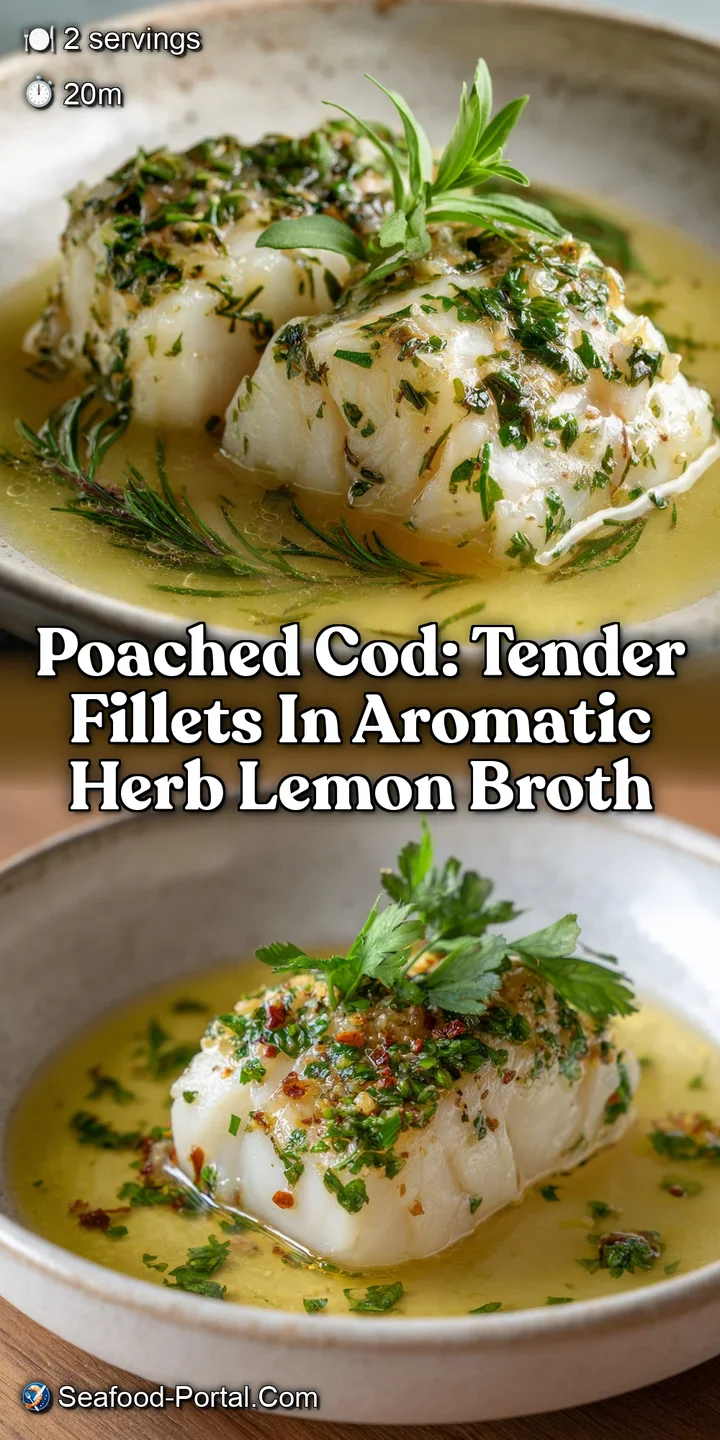
Recipe FAQs
Why did my poached cod turn out rubbery or tough?
This is usually due to overheating the poaching liquid or cooking the fish for too long. Ensure the liquid maintains a very gentle simmer, often described as a 'shiver,' ideally between 160°F and 180°F (71°C to 82°C).
Can I use frozen cod fillets for this recipe?
Yes, but you must thaw the cod completely before poaching. Place the frozen fish in the refrigerator overnight, or use the cold water method, ensuring they are patted dry afterwards.
What is the ideal temperature for the poaching liquid?
The ideal temperature range is 160°F to 180°F (71°C to 82°C). This gentle heat ensures the fish proteins don't seize up, resulting in tender, moist flakes.
How do I know exactly when the cod is perfectly cooked?
The cod is done when the internal temperature reaches 145°F (63°C). Visually, the fish should look completely opaque throughout and flake easily when tested gently with a fork at the thickest part.
Can I reuse the poaching liquid (Herb & Lemon Broth)?
Yes, the poaching liquid is full of flavour and can be strained and cooled for future use in sauces or soups, provided it is used within 2-3 days. If you use it again to poach fish, you may need to replenish some of the seasoning and water.
What other types of fish can I poach using this method?
This poaching technique works beautifully for other firm, white fish like haddock, pollock, or halibut, though cooking times might vary slightly depending on thickness. Thicker steaks, like salmon, also benefit greatly from gentle poaching.
How long can I store leftover poached cod?
Leftover poached cod should be stored in an airtight container in the refrigerator and consumed within 3 days. It is delicious served cold, flaked into salads, or mixed into a quick fish spread.
Elegant Poached Cod In Broth
Ingredients:
Instructions:
Nutrition Facts:
| Calories | 346 kcal |
|---|---|
| Protein | 14.7 g |
| Fat | 13.5 g |
| Carbs | 26.8 g |
