Shrimp Francese: Quick Zesty Classic with Lemon-Butter Sauce
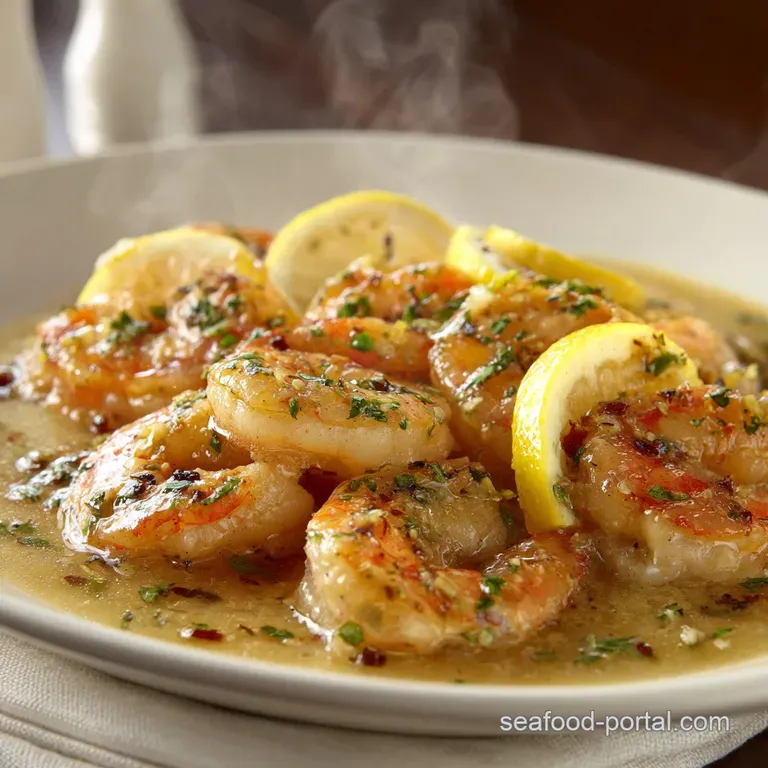
- Unlocking the Secret of Zesty Shrimp Francese
- Essential Ingredients for Authentic Shrimp Francese
- Pan-Frying Perfection: Step-by-Step Method
- Mastering the Technique: Expert Chef’s Tips and Troubleshooting
- Handling Leftovers: Storage, Reheating, and Freezing Guide
- Recipe FAQs: Zesty Shrimp Francese
- 📝 Recipe Card
Unlocking the Secret of Zesty Shrimp Francese
When that perfect golden brown shrimp hits the searing hot pan, and you pour in the wine, the aroma is honestly electric. It’s that sharp, zesty perfume of fresh lemon juice mixing with rich butter and a slight boozy reduction.
The resulting crust is delicate, thin, and unbelievably light, nothing like the heavy, deep fried coatings you sometimes see. This dish is pure elegance, hiding in plain sight.
I used to think that dishes this good were reserved for fancy Italian American restaurants back East. Turns out, this recipe is one of my absolute weeknight saviors. You can have this gorgeous, bright, and deeply flavorful meal on the table in under 35 minutes.
It’s perfect for impressing guests or just treating yourself when you're totally slammed.
Stop settling for soggy crusts and broken, oily sauces, seriously. We are going to nail the technique that makes Shrimp Francese truly shine. If you follow these steps especially the ones about the butter emulsion you’ll achieve that restaurant quality gloss and zing right in your own kitchen.
Let’s crack on.
What is Francese (And How It Differs from Piccata)?
Francese is, essentially, a technique that produces a specific, luxurious crust and a bright, glossy sauce. The name means "French," but the dish is 100% Italian American, originating primarily in New York and New Jersey kitchens.
The core concept is dipping the protein in flour then in an egg wash, which gives it that characteristic delicate, golden puff.
Many people confuse this dish with Shrimp Scampi or Piccata, but the difference lies entirely in the coating. Shrimp Scampi relies on garlic and wine without any batter; Piccata uses flour and often features capers. Francese, however, uses the egg bath to create that signature, tender crust.
The flour first, egg-second approach is the essential secret to its texture.
Why Shrimp is the Ideal Protein for Francese
Shrimp are the absolute MVP for the Francese style. Why? Because they cook incredibly fast. You need a quick cooking protein since the crust is so delicate. Unlike veal or thinner chicken cutlets, which require slightly longer sear times, shrimp are done in about 90 seconds per side.
This speed ensures the egg coating achieves that beautiful, flash fried golden color without overcooking the protein inside. If you want a quick guide on achieving perfect texture, check out my tips for Chinese Shrimp: The Secret to Restaurant Quality Velveted Prawns , as the goal for tenderness is similar here.
The East Coast Origins of Italian American Francese
Francese is a fantastic example of culinary evolution. While its name nods to French cooking techniques (specifically the light egg dredging, common in French preparations), the bright lemon and wine profile is distinctly Italian American.
It became hugely popular in the mid-20th century along the northeastern US corridor. It’s not about authentic Italian food; it’s about authentic New York Italian American cuisine.
The richness of the butter and the brightness of the citrus perfectly encapsulate that specific regional cuisine. This is a dish born of immigrant ingenuity, finding ways to make simple ingredients taste incredibly expensive.
Essential Ingredients for Authentic Shrimp Francese
Every component in this recipe plays a crucial role. Don't skip the fresh lemon juice, and please, use good wine. A recipe with so few ingredients really highlights the quality of what you put in.
Sourcing the Best Shrimp (Size, Tail-On vs. Tail Off)
For Francese, I prefer large (21/25 count) or jumbo shrimp. You want a piece of seafood substantial enough to hold the crust. Whether you keep the tails on or off is completely up to you.
I usually leave the tails on for presentation it looks fancier but take them off if I’m serving this over pasta because it’s easier to eat.
Chef’s Note: Always buy pre-peeled and deveined frozen shrimp if you need to save time. Just make sure they are fully thawed under cold running water and aggressively patted dry before coating.
| Ingredient | My Recommendation | Substitution |
|---|---|---|
| Shrimp | Large (21/25), peeled, deveined. | Large scallops (sear for 2- 3 mins per side) or cod fillets (cut thin). |
| All-Purpose Flour | Standard AP Flour | Rice flour or certified gluten-free flour blend. |
| Large Eggs | Fresh, free range | Liquid egg whites (adjust texture with a splash of milk). |
| Dry White Wine | Pinot Grigio or Sauvignon Blanc | Low-sodium chicken stock (same amount) + a splash of white wine vinegar. |
| Unsalted Butter | high-quality, cold sticks | dairy-free plant based butter sticks. |
| Lemon Juice | Freshly squeezed, please! | Bottled lemon juice works in a pinch, but the flavour isn't as vibrant. |
Understanding the Batter Components (Flour vs. Egg)
The sequential coating is the key here. The flour provides a dry surface that allows the egg to stick properly. The egg, once it hits the hot fat, puffs up slightly and creates that incredibly tender, crêpe like texture.
It's the egg layer that distinguishes Francese from the simple dusted fry of Piccata.
If you skip the flour, the egg wash will simply slide right off the wet shrimp. Trust me, I learned that lesson the messy way when I was first experimenting!
Wine Alternatives and Non-Alcoholic Options
Please use a wine that you would actually drink. Never use "cooking wine." I love a crisp Pinot Grigio because it’s light and acidic, which cuts through the richness of the butter perfectly. The alcohol will cook off during the reduction phase, leaving behind only the complex flavour molecules.
If you need a non-alcoholic option, simply replace the wine with an equal amount of good quality, low-sodium chicken stock. You can add half a teaspoon of white wine vinegar to the stock to try and mimic some of the necessary acidity the wine provides.
Fresh Herbs and Zest: Enhancing the Citrus Finish
I am a purist when it comes to Francese: parsley, parsley, parsley. It adds a crucial fresh, clean finish that balances the richness of the butter. I like to fold it in at the very end.
You can also use a microplane to add a tiny bit of lemon zest right before serving. Just remember: Zest the yellow part only. The white pith underneath is bitter, and nobody wants that competing with our gorgeous zesty sauce.
Pan-Frying Perfection: step-by-step Method
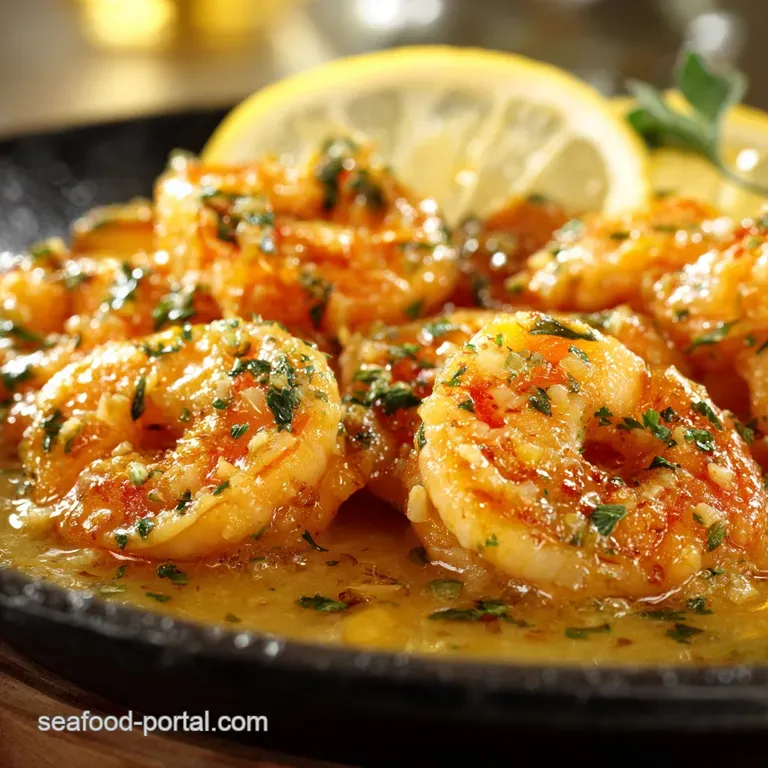
This entire process moves fast once the pan is hot. Have all your dredging stations set up and your sauce ingredients measured before you turn on the burner. Mise en place is your best friend here.
Preparation: Deveining, Dredging, and Dipping
First, dry those shrimp like your life depends on it! Then, season your flour and your egg wash separately; this ensures every layer has flavor. The flour dusting should be light shake off the excess! When you dip the shrimp into the egg wash, coat it quickly but completely.
Place the coated shrimp on a clean, dry plate, ready for the skillet.
Searing the Shrimp: Achieving the Flash Fry Golden Crust
You need a medium high heat. I use a mix of olive oil and butter because the oil raises the smoke point of the butter, preventing it from burning immediately. The butter gives you that deep golden color and rich flavor.
Do not crowd the pan. This is a non-negotiable step. If you cram too many shrimp in, the pan temperature drops instantly, the shrimp starts to steam instead of sear, and you get a soggy, pale mess.
Cook in two or three batches, searing 1.5 to 2 minutes per side until that crust is brilliantly golden. Remove and set aside.
Building the Signature Lemon Butter Sauce
Once the shrimp are resting, we use that flavorful pan. Add the wine and scrape up all those beautiful brown bits that’s the fonds , and it’s pure flavor gold. Reduce the wine by half. Then add the chicken stock and fresh lemon juice.
Let this simmer gently for two minutes until it thickens slightly.
Now for the magic. Reduce the heat to low, or even take the pan off the burner entirely. You are going to whisk in those cubes of cold, unsalted butter one at a time. Whisk continuously until each piece is melted and emulsified before adding the next.
This creates a glossy, thick, perfect monté au beurre .
Combining and Glazing the Shrimp
Return the gorgeous seared shrimp to the sauce and toss gently just until they are coated and warmed through. Don’t let them sit and simmer, or the delicate crust will turn mushy. Stir in your fresh parsley and serve immediately. It really is that fast!
Mastering the Technique: Expert Chef’s Tips and Troubleshooting
This is where I save you from the mistakes I made so you can get perfect results the first time.
Why Your Batter Might Be Sliding Off (Temperature Control)
If your crust falls off the shrimp, you likely didn't dry the shrimp thoroughly enough initially, or your pan wasn't hot enough. A quick, hot sear sets the egg crust instantly. If the temperature is too low, the egg has time to leach moisture, causing it to steam and slip away from the shrimp surface.
Preventing the Sauce from Breaking or Separating
The main reason the lemon butter sauce breaks into an oily, thin mess is heat. If you boil the sauce after adding the butter, the emulsion will separate. The key to a stable, glossy sauce is low heat and COLD butter. The cold butter helps stabilize the sauce as you whisk it in.
If your sauce looks like it’s breaking, remove the pan completely from the heat and try whisking in one more cube of cold butter.
The Right Fat for Searing: Clarified Butter vs. Oil
While I use olive oil and unsalted butter in the main recipe, if you are nervous about burning the butter solids, you can absolutely use clarified butter (ghee). Ghee is pure butterfat and has a higher smoke point. It delivers that crucial butter flavor without the risk of scorching the milk solids.
Classic Starch Pairings (Pasta vs. Rice)
Shrimp Francese sauce begs to be soaked up by something fantastic. Classic pairings include linguine or angel hair pasta nothing too thick, please, or it overpowers the dish.
If you’re feeling decadent, I sometimes serve this over Creamy Grits. While it’s not traditional Francese, the richness works beautifully, similar to how the classic New Orleans Shrimp And Grits Recipe: Creamy Restaurant Quality operates. A simple steamed white rice also works for soaking up that citrusy liquid.
Ideal Green Vegetable Sides (Asparagus or Green Beans)
Since the Francese sauce is already so bright, you want a simple vegetable that brings a little color and crunch. Sautéed asparagus spears or blanched green beans tossed with a touch of salt are perfect. Keep it simple and let the lemon butter sauce be the star.
Wine Recommendations: Crisp Whites to Complement the Citrus
This dish calls for a high acid white wine. Stick with what you used for the recipe Pinot Grigio, Sauvignon Blanc, or perhaps a dry Albariño. Their crisp minerality and citrus notes will perfectly cut through the butter’s richness and echo the lemon in the sauce.
Handling Leftovers: Storage, Reheating, and Freezing Guide
Handling Leftovers: Storage, Reheating, and Freezing Guide
You bet this makes great leftovers, though the texture changes slightly. It’s hard to beat it fresh, but sometimes you just have too much food.
Store leftover Shrimp Francese in an airtight container in the refrigerator for up to 3 days. When you reheat it, the crust will be softer, as it will have absorbed the sauce. Do not use the microwave! This will turn the shrimp rubbery.
The best way to reheat is on the stovetop. Put the leftovers in a skillet over low heat and add a splash of chicken stock or water. Cover the pan and let it steam gently until warmed through, about 5 minutes.
If the sauce has tightened, whisk in a final small knob of cold butter for freshness right before serving.
I don't recommend freezing Francese. Freezing and thawing seafood, especially with a delicate egg crust, will completely ruin the texture of the shrimp and the coating. If you want to freeze anything, only freeze the sauce before adding the final butter.
You can whip up a batch of the lemon reduction and freeze it for up to two months, adding fresh butter and shrimp later.
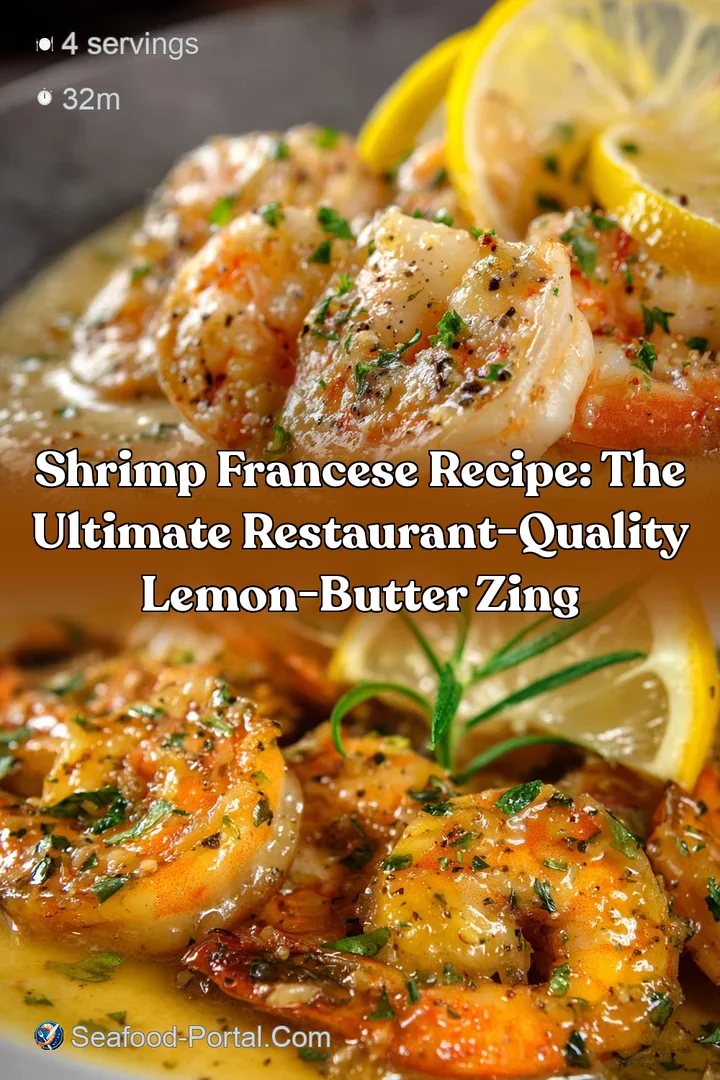
Recipe FAQs: Zesty Shrimp Francese
Why is the delicate egg crust falling off my shrimp?
The primary culprit is moisture. Ensure the shrimp are thoroughly patted dry before dredging in the flour, which helps the egg adhere better. Additionally, avoid letting the battered shrimp sit too long before cooking, as this allows the moisture to seep out and loosen the crust.
Can I omit the white wine from the sauce, and what should I use instead?
Yes, you can substitute the dry white wine with an equal amount of good quality chicken broth or vegetable stock. Since the wine contributes essential acidity, make sure to add an extra squeeze of fresh lemon juice to the sauce to balance the flavors.
My Francese sauce is too thin and watery. How do I thicken it quickly?
Your heat might have been too low during the reduction phase. Increase the heat to a rapid simmer to boil the liquid down quickly, or whisk in a tiny slurry (a teaspoon of cornstarch mixed with a teaspoon of cold water) just before the final addition of butter for an immediate, silky thickness.
I don't have shrimp. Can I use a different protein for this Francese recipe?
Absolutely. Francese is an adaptable classic traditionally made with thinly pounded chicken breasts or veal cutlets. Simply use the same flour and egg batter procedure, but adjust the pan-frying time to ensure the protein reaches an internal temperature of 165°F.
How do I prevent the shrimp from getting soggy after adding them to the sauce?
Francese is best enjoyed immediately upon serving. If you must hold the dish, try adding the cooked shrimp back into the sauce only for the final 30 seconds of cooking, or plate the shrimp first and spoon the sauce directly over them to preserve the crispness of the coating.
Can I make this Zesty Shrimp Francese recipe gluten-free?
Yes, making it gluten-free is very easy. Simply substitute the all-purpose flour used for dredging with a measure for-measure gluten-free flour blend. Also, ensure that any chicken stock you use in the sauce is certified gluten-free to maintain the integrity of the dish.
What is the best way to store and reheat leftover Shrimp Francese?
Store leftovers in an airtight container in the refrigerator for up to three days. For the best result, reheat gently in a skillet over low heat until warmed through, adding a splash of chicken broth or water if the sauce appears too tight. Avoid microwaving, as it tends to make the shrimp rubbery.
Easy Zesty Shrimp Francese
Ingredients:
Instructions:
Nutrition Facts:
| Calories | 965 kcal |
|---|---|
| Protein | 82.2 g |
| Fat | 39.1 g |
| Carbs | 59.5 g |
