Tuna Dip Pâté: the Classic British Deli Recipe (10 Minute Prep)
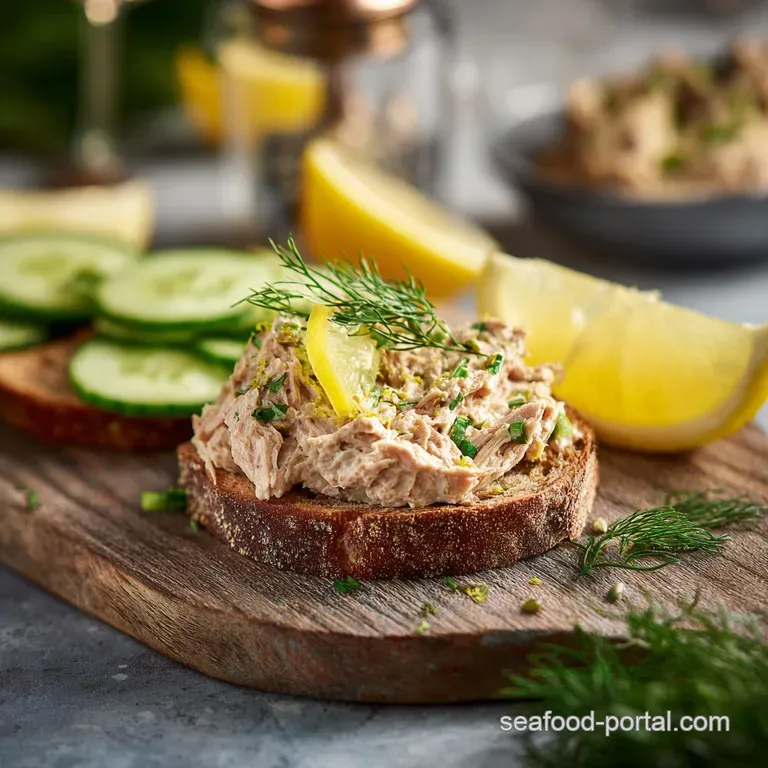
- Introducing the Elevated Tuna Dip Pâté: A Deli Classic
- The Science of Texture: Why This Tuna Pâté is Superior
- Ingredients for the Classic Tuna Dip Pâté and Smart Swaps
- Step-by-Step Guide: Crafting the Perfect Herb Pâté
- Chef's Corner: Tips, Tricks, and Troubleshooting Your Tuna Dip
- Making Ahead: Storage and Freezing the Tuna Pâté
- Sophisticated Pairings: How to Serve Your Tuna Pâté
- Recipe FAQs
- 📝 Recipe Card
Introducing the Elevated Tuna Dip Pâté: A Deli Classic
Forget those sad, wet tuna dips you suffered through at office potlucks and picnics past. This is a complete re-write of the classic, transforming simple canned fish into a lush, herb flecked spread that feels incredibly sophisticated.
When you smell the fresh dill mixed with that sharp lemon zest, you immediately know this [Tuna Dip] is different. It’s rich, cooling, and unbelievably creamy, far surpassing the standard deli counter version.
Honestly, how often do you need a ridiculously fast [Tuna Appetizer] that relies almost entirely on pantry staples? This recipe is the ultimate kitchen lifesaver, rescuing dinner when you’re short on time and always proving a huge hit as a quick starter.
It’s easily one of the cheapest, most satisfying spreads you can make.
We aren't making watery tuna salad; we are crafting a proper, texture rich [Tuna Spread], mimicking the very best pâté you’d find at a sharp British deli. Let’s ditch the bland methods and dive into the secrets of making this superior, texture focused spread.
What Defines the "British Deli" Pâté Style?
The key difference between a pâté and a typical American tuna salad is texture and richness. American versions often rely on large chunks of celery and heaps of plain mayonnaise, sometimes resulting in a weepy, chunky mess.
The pâté style, however, demands a smoother, fully emulsified base where the celery and onion are diced so finely they nearly dissolve into the dip, providing structure without being obtrusive. This creates a dense, luxurious mouthfeel, perfect for coating crackers and toasted bread.
It’s dense, not sloppy.
The Essential Tools for Achieving Pâté Consistency
Since this is a no-cook recipe, the equipment is mercifully simple. You definitely need a sturdy knife for mincing the aromatics finely, and critically, you need a fine mesh sieve.
That sieve is your secret weapon, ensuring you press every last drop of liquid out of the canned tuna. A spatula or fork works fine for mixing, but if you want that truly velvety, restaurant style texture, you can pulse the final mixture twice in a food processor but watch it closely ; you want smooth texture, not baby food.
Yield and Prep Time Overview for This Recipe
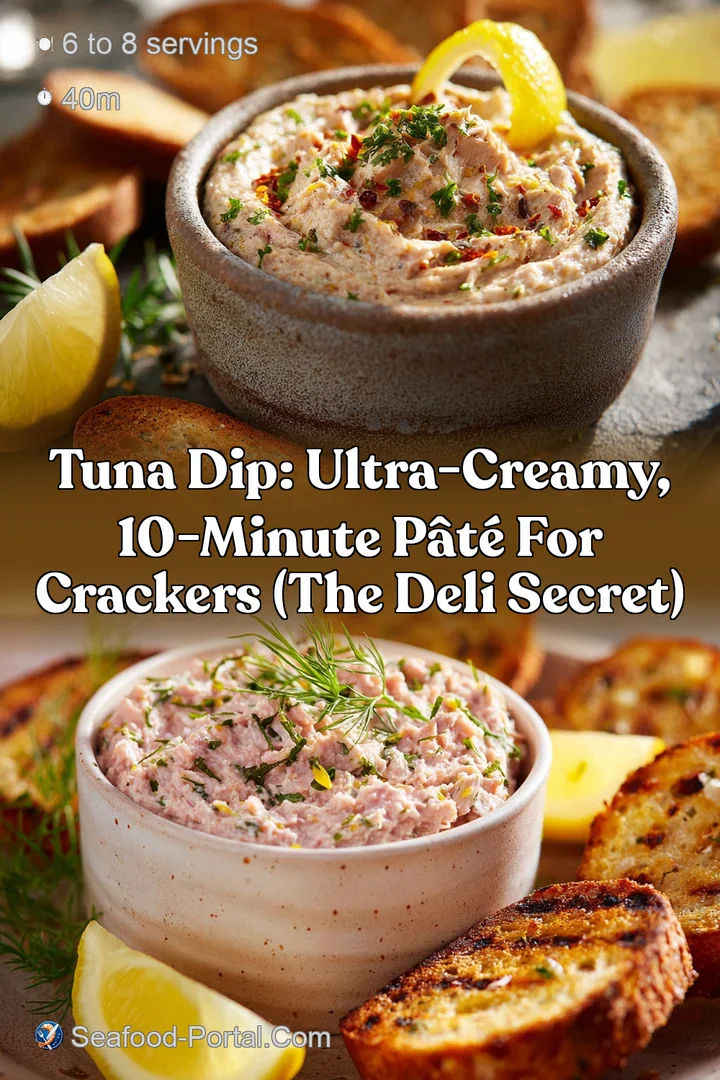
This recipe is designed to be ridiculously fast. You can be spreading this deliciousness on a cracker in under 15 minutes, not including the crucial chilling time. It yields about 3 cups, which is perfect for serving 6 to 8 people as a generous appetizer.
| Stage | Estimate |
|---|---|
| Active Prep Time: | 10 minutes (Chopping the celery is the longest bit!) |
| Chilling Time (Minimum): | 30 minutes (Required for flavor integration) |
| Total Time: | 40 minutes |
The Science of Texture: Why This Tuna Pâté is Superior
The reason most homemade [Easy Tuna Dip Recipes] fail is purely due to liquid imbalance. Canned tuna, even when packed in oil, contains residual water that dilutes the mayonnaise, leading to a thin, sad dip. We solve this by ruthlessly draining the tuna (more on that later).
Next,, we use the magic combination of mayonnaise and crème fraîche. Mayo provides stability and richness, while crème fraîche (or sour cream) adds necessary tang and luxurious body without making the mixture taste greasy.
This dairy combination helps the spread hold its shape beautifully when chilled, giving it that firm pâté quality.
Ingredients for the Classic Tuna Dip Pâté and Smart Swaps
I believe in quality ingredients, especially since there are so few of them here. Always use full fat everything if you want the best flavor payoff.
Balancing Oil vs. Water Content in Canned Tuna
This recipe works best with oil-packed tuna . Why? The oil locks in flavor far better than water does. However, we must eliminate the excess oil so the texture isn't slick.
The Critical Emulsification Step for Richness
We rely on good quality, full fat mayonnaise for stability. I know some folks hate mayo, but in this specific [Tuna Dip Recipe], it’s essential for binding everything together beautifully.
Choosing the Best Quality Canned Tuna (Oil or Spring Water)
I insist on oil-packed tuna (ideally olive oil) for depth. Water packed is fine if you're counting calories, but you lose a lot of that foundational flavor; be prepared to add an extra splash of olive oil to compensate.
Essential Fresh Herbs for Maximum Flavor
Dill and chives are non-negotiable for this classic flavour profile. They offer brightness and sharpness that cuts through the richness of the dairy. Dried herbs just won’t give you that vibrant, fresh hit.
Dairy Alternatives for a Creamier Base
We use crème fraîche for its slight acidity and incredibly creamy texture.
Flavor Boosters: Capers, Shallots, and Zest
Capers provide that necessary punch of salinity and brine, while the finely minced red onion or shallot offers a clean, sharp bite. Never skip the Worcestershire sauce; it’s an umami bomb that grounds the whole dish.
| Ingredient | My Top Pick | Smart Substitute |
|---|---|---|
| Tuna | Oil-Packed Skipjack | Water Packed Albacore (Drained extra dry!) |
| Crème Fraîche | Full Fat | Full Fat Sour Cream, or Cream Cheese (softened) for a richer [Tuna Dip with Cream Cheese] spread. |
| Mayonnaise | Japanese Mayo (Kewpie) | Vegan Mayo (if needed, but note flavor change) |
| Capers | Brined Capers | Finely chopped Cornichons (Gherkins) |
| Red Onion/Shallot | Shallot | Green Onion (Scallions) for milder flavor |
| Fresh Dill | Fresh Dill | Fresh Parsley (less ideal, but works in a pinch) |
step-by-step Guide: Crafting the Perfect Herb Pâté
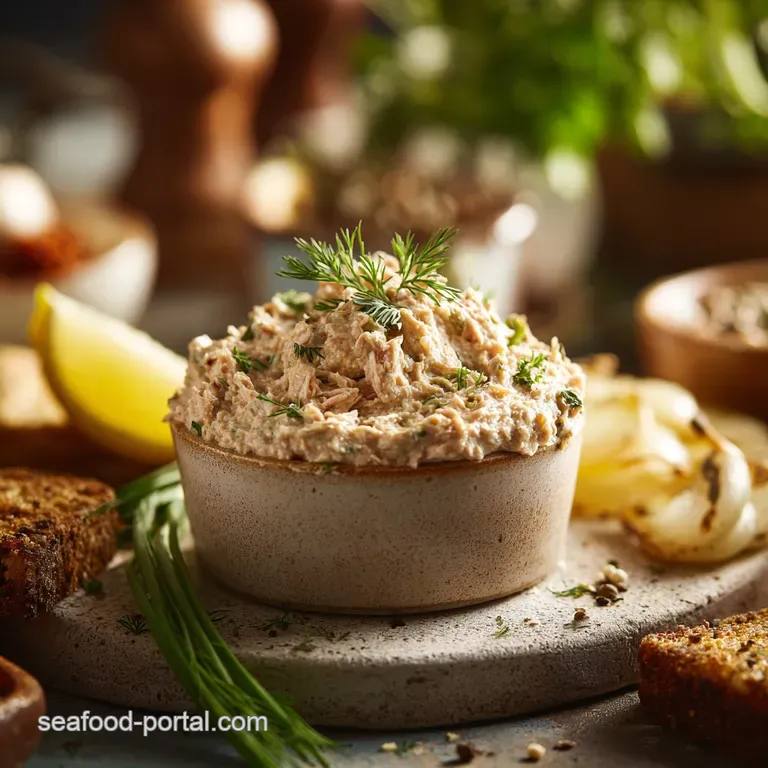
This process is straightforward, but attention to detail makes all the difference. Get your cutting board ready.
1. Draining the Tuna: The Non-Negotiable First Step
Open your cans of tuna and dump the contents into a fine mesh sieve set over a sink or bowl. This is critical. Use the back of a large spoon or a spatula to press down firmly on the tuna, squeezing out every last bit of oil or water. We need that tuna dry, dry, dry!
2. Achieving the Ideal Smooth vs. Chunky Texture
In a medium bowl, combine the mayonnaise, crème fraîche, lemon juice, Worcestershire sauce, salt, and pepper. Whisk this until the base is perfectly smooth. Stir in the finely diced celery, minced onion, and chopped capers. Now, add the drained tuna.
Using a fork, break the tuna up only slightly; I prefer mine with small, delicate flakes, not a fine paste.
Chef's Note: If you prefer a 100% smooth pâté (like true liver pâté), you can transfer the mixture to a food processor and pulse 2 3 times until it achieves a velvety consistency. But for maximum texture, just use a fork.
3. The Final Seasoning and Resting Phase
Fold in the fresh dill and about half of your chopped chives. Taste the mixture. This is where you adjust the acidity and saltiness! Does it need more lemon juice to brighten it? Is it punchy enough? Trust your palate.
Once seasoned perfectly, transfer the [Tuna Dipping Sauce] to an airtight container. Refrigerate for at least 30 minutes seriously, this step is non-negotiable for flavour development.
Chef's Corner: Tips, Tricks, and Troubleshooting Your Tuna Dip
I have been making versions of tuna dip since I was a teenager, and trust me, I've had some epic fails.
How to Fix an Overly Salty Pâté
Did you get heavy handed with the capers or salt? Don't panic. To neutralize an overly salty dip, grate in a tiny amount of raw potato (about 1 teaspoon) and let it rest for 10 minutes; the starch absorbs some saltiness.
Or, even better, add a touch more dairy (a tablespoon of crème fraîche or plain Greek yogurt) and a small squeeze of fresh lemon juice.
Preventing a "Weepy" or Separated Dip
The primary cause of a weepy dip is insufficient draining of the tuna. The second cause is chilling too quickly or not chilling long enough. The fix: If you see liquid pooling, remove the dip from the fridge, mix in a tablespoon of extra mayonnaise or cream cheese, and re-chill it tightly.
Why Chilling is Non-Negotiable for Flavor Development
Chilling allows the fats (mayo/crème fraîche) to firm up, giving the pâté its structure, but more importantly, it lets the sharp flavors of the lemon, onion, and herbs truly meld together. If you skip this, the dip will taste disjointed and sharp.
Making Ahead: Storage and Freezing the Tuna Pâté
This tuna spread is an excellent make-ahead option, perfect for party prep.
Optimal Refrigeration Timeframes
Store the tuna pâté in an airtight container in the coldest part of your fridge (usually the bottom shelf). It is best eaten within 3 to 4 days . Always use your nose; if it smells even slightly off, toss it.
Best Practices for Freezing Tuna Dip (And If You Should)
Look, can you freeze it? Yes. Should you? Absolutely not, if you care about texture. Mayonnaise and crème fraîche contain fats and water that separate drastically when thawed, resulting in a grainy, watery, and very sad consistency.
If you absolutely MUST freeze it: Freeze the tuna only mixture before adding the dairy (mayo/crème fraîche). Thaw it in the fridge, drain any excess liquid that has released, and then mix in the fresh dairy base, celery, and herbs.
Reviving Pâté After Thawing
If you dared to freeze the fully assembled dip and it's looking separated, you need a powerful emulsifier. Transfer the thawed mix to a small bowl and vigorously beat in 1 teaspoon of very hot water, followed by a whisked egg yolk (or a tablespoon of fresh mayo) until it comes back together.
It won't be perfect, but it will be edible.
Sophisticated Pairings: How to Serve Your Tuna Pâté
This elevated [Tuna Spread] deserves more than just standard potato chips.
- Bread & Crunch: Serve this with toasted, thinly sliced baguettes (crostini), high-quality water biscuits, or dense rye bread.
- Freshness: Use crisp Belgian endive spears or crunchy butter lettuce cups as low-carb serving vessels.
- Crudités: Pair with cucumber slices, carrot sticks, and colourful bell pepper strips. It’s perfect as a hearty substitute if you’re tired of the usual vegetable dips, like Cowboy Caviar Recipe Easy: The Zesty, No-Cook Texas Two-Step Dip .
- Beyond the Spread: Use it as a filling for quick, savory mini tartlets, or spread it generously on a sandwich like a fancier version of my beloved CopyCat Panera Tuna Salad Sandwich: The Ultra Creamy, Easy Recipe .
For those craving something hot and cheesy instead, you might want to switch gears and check out my recipe for Cheesy Hot Crab Dip: The Best Creamy Baked Appetizer . But for cool, fresh simplicity, this tuna pâté reigns supreme.
Recipe FAQs
How long does this tuna pâté last in the refrigerator?
When stored in an airtight container, the tuna pâté is best enjoyed within 3 to 4 days for optimal flavor and freshness. Because it contains fresh lemon juice and herbs, the taste and texture will degrade slightly after the third day, so always refrigerate promptly after preparation.
Why did my pâté turn out too watery or loose?
Wateriness usually results from insufficient draining of the canned tuna. Ensure you press the tuna firmly to remove all excess moisture, especially if using tuna packed in water. If your pâté is already too loose, try adding a tablespoon of finely grated Parmesan cheese or chilling the mixture thoroughly, as cold fat helps to firm up the texture.
Can I use tuna packed in oil instead of water?
Yes, you can use oil-packed tuna, and it will result in a slightly richer flavor, but you must drain it exceptionally well to prevent an oily finish. If using oil-packed tuna, you may also want to reduce the amount of added fat (like mayonnaise) slightly to achieve the intended consistency of the pâté.
How can I make this pâté dairy-free or lighter?
To make this dairy-free, substitute any cream cheese or sour cream called for with a high-quality, unflavored vegan cream cheese alternative. To make the pâté lighter, you can replace half of the mayonnaise with plain, non-fat Greek yogurt, which provides excellent tanginess without increasing the richness.
Is it possible to freeze the leftover tuna pâté?
Freezing is not recommended for this recipe because the mayonnaise and any dairy will separate and become grainy upon thawing, ruining the smooth texture. The fresh herbs will also wilt and lose their vibrant flavor. This pâté is designed to be made fresh and consumed within four days.
What are the best accompaniments for this Deli Tuna Pâté?
This sophisticated pâté is superb served on toasted baguette slices (crostini), crisp celery sticks, or high-quality water crackers for entertaining. For a fuller meal, it makes an excellent filling for sandwiches, especially when topped with crunchy lettuce or finely pickled red onions.
How can I adjust the flavor to add a subtle spicy kick?
To introduce heat, stir in a teaspoon of very finely diced jalapeño (seeds removed) or a quarter teaspoon of smoked paprika and a pinch of cayenne pepper. For a milder, savory warmth that deepens the flavor profile, a small dash of Worcestershire sauce added during mixing works wonders.
Easy Tuna Dip Pate Recipe
Ingredients:
Instructions:
Nutrition Facts:
| Calories | 414 kcal |
|---|---|
| Protein | 11.0 g |
| Fat | 38.5 g |
| Carbs | 6.7 g |
