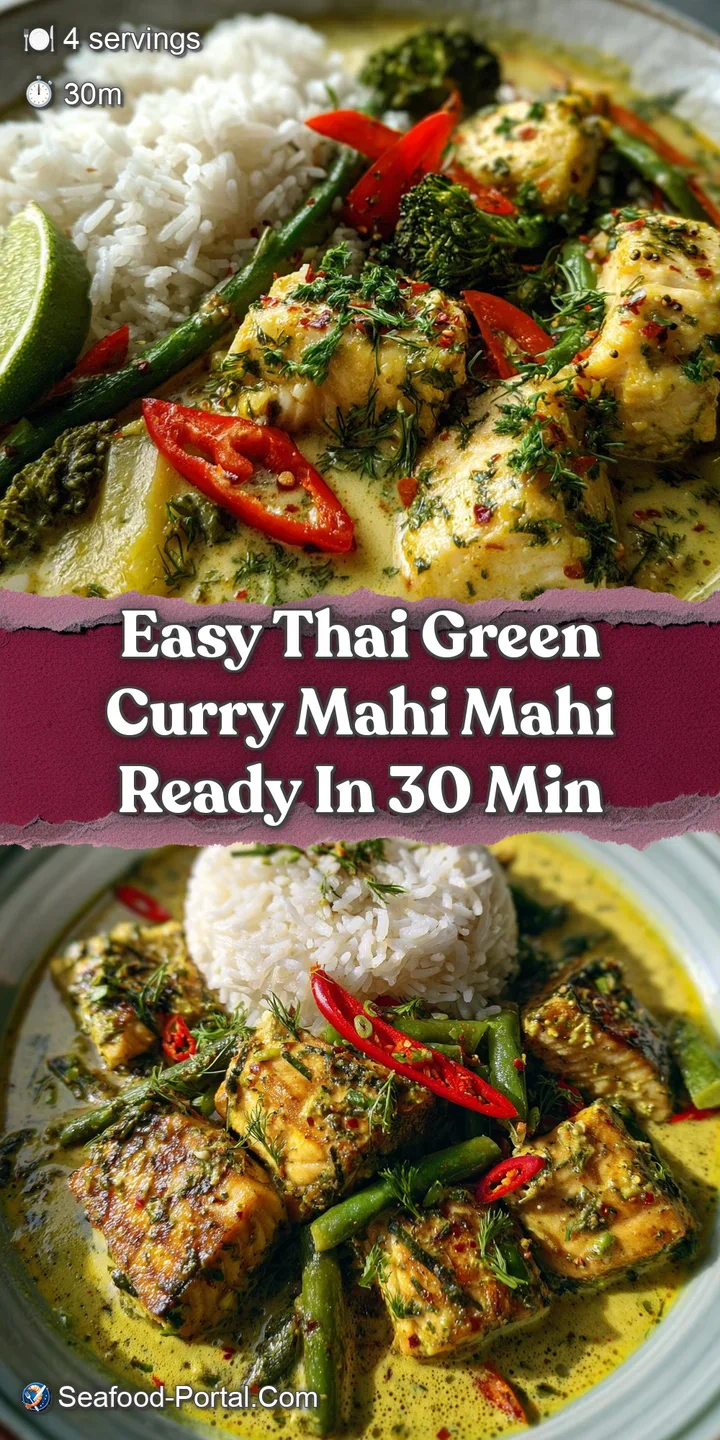
Easy Thai Green Curry Mahi Mahi
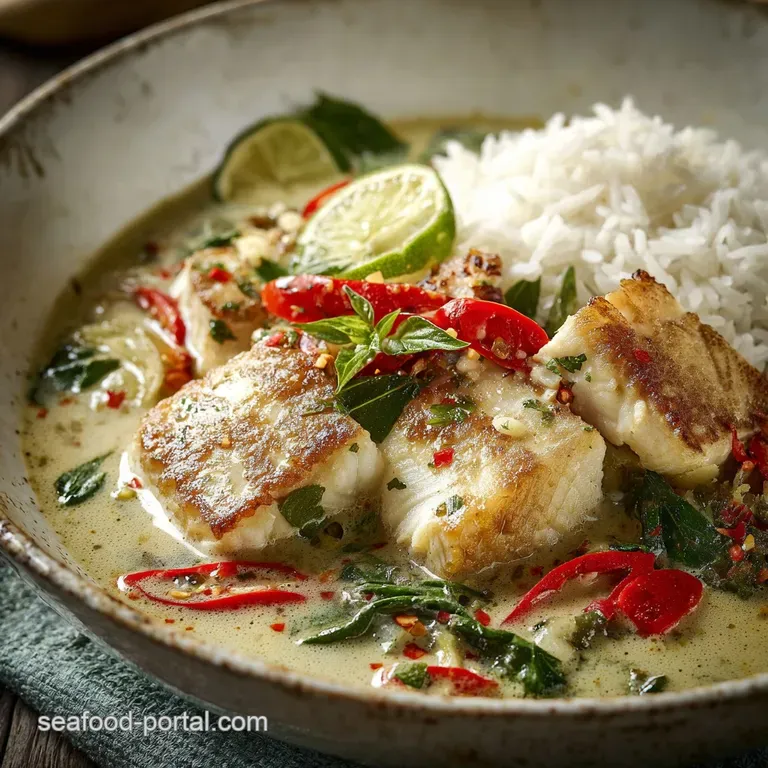
- Time: Active 10 minutes, Passive 20 minutes, Total 30 minutes
- Flavor/Texture Hook: Velvety coconut sauce with a crisp vegetable snap
- Perfect for: Weeknight dinners where you want to feel fancy but are short on time
- Easy Thai Green Curry Mahi Mahi
- Why This Works
- Quick Method Comparison
- Ingredient Component Analysis
- Required Ingredients and Swaps
- Step-by-Step Cooking Guide
- Solving Common Cooking Problems
- Scaling and Portion Tips
- Common Kitchen Myth Busting
- Storage and Zero Waste
- High in Sodium
- Recipe FAQs
- 📝 Recipe Card
Easy Thai Green Curry Mahi Mahi
Imagine walking into your kitchen after a long day, and within minutes, the air is thick with the scent of lemongrass, lime leaf, and toasted chilies. This recipe delivers an easy Thai green curry mahi mahi, ready in just 30 minutes. I remember the first time I tried making this for a friend.
I was so worried about the fish becoming rubbery that I almost skipped the searing step. Don't do that. The sizzle of the mahi mahi hitting a hot pan is what creates those savory, golden edges that hold onto the sauce later.
The contrast here is what gets me every time. You have this meaty, flaky mahi mahi that stays incredibly moist because of its natural oil content, sitting in a sauce that is both rich and surprisingly bright. Then you hit a snap pea that provides a literal shatter of freshness against the warmth.
It is one of those meals that makes you feel like a professional chef without requiring any difficult techniques or hours spent over a boiling pot.
We are focusing on keeping the flavors distinct. No mushy vegetables or bland broth allowed here. This is about working smart with high-quality staples and fresh seafood to get a result that tastes like it spent all day simmering.
By the time the Thai basil leaves wilt into the heat, you'll have a dish that hits every part of your palate, from the sweetness of the coconut to the salty depth of the fish sauce.
Why This Works
The secret to this dish lies in the chemistry of the ingredients and how they interact with heat. Unlike a traditional stew, we aren't trying to break down tough fibers. We are trying to preserve the delicate texture of the fish while building a complex liquid base.
- The Chemistry of the Bloom: Heat releases fat soluble flavor compounds from the green curry paste into the neutral oil. This prevents the sauce from tasting "raw" or metallic and creates that iconic velvety texture.
- Thermal Protection: The high fat content in the 400ml of full fat coconut milk acts as an insulator for the mahi mahi. It gently poaches the fish, preventing the protein fibers from tightening too quickly and becoming tough.
- Osmotic Balance: By adding a cup of chicken or vegetable stock to the coconut milk, we lower the viscosity of the sauce. This allows the liquid to penetrate the bamboo shoots and snap peas more effectively than thick cream alone.
- Maillard Integration: Searing the 170g mahi mahi fillets first creates a crust that doesn't just add flavor. It provides a structural barrier that helps the fish remain intact even when submerged in the simmering broth.
Quick Method Comparison
| Feature | 30 Minute Easy Version | Traditional Classic Curry |
|---|---|---|
| Paste Treatment | Bloomed in oil for 3 minutes | Hand pounded and fried in cracked cream |
| Vegetable Texture | Quick blanched for maximum snap | Soft and fully infused with sauce |
| Protein Prep | Pan seared then finished in sauce | Poached from raw in the liquid |
Chef Tip
For a more intense herbal aroma, take the 15g of Thai basil and bruise the stems with the back of your knife. Sauté these stems in the oil for 60 seconds before adding the curry paste, then discard them before serving. It infuses the base oil with a deep, anise like fragrance.
Ingredient Component Analysis
| Ingredient | Science Role | Pro Secret |
|---|---|---|
| Mahi Mahi | Lean protein with firm flake | Pat it completely dry with paper towels to get a golden sear rather than steam |
| Coconut Milk | Emulsified fat carrier | Use full fat only. The stabilizers in "lite" versions can break and curdle when boiled |
| Fish Sauce | Glutamate rich salt source | Add it at the end of the simmering phase to keep the fermented aroma from becoming too funky |
The method used here is quite different from the roux based approach in our Japanese Shrimp Curry recipe, focusing instead on fat emulsification and aromatic blooming to achieve depth.
Required Ingredients and Swaps
This recipe relies on a few key Thai staples. If you cannot find something, these swaps will keep the spirit of the dish alive without ruining the balance.
- 4 Mahi Mahi fillets (170g each): The star of the show. Why this? Firm enough to sear without falling apart in the sauce.
- Substitute: Halibut or thick cut Cod. Note that Cod is flakier and requires a gentler touch.
- 3 tbsp Thai Green Curry Paste: This provides the heat and herb base. Why this? It contains concentrated lemongrass, galangal, and green chilies.
- Substitute: 3 tbsp of yellow curry paste for a milder, earthier flavor.
- 400ml Full fat Coconut Milk: Provides the velvety mouthfeel. Why this? Fat carries the spice levels across the tongue.
- Substitute: Heavy cream mixed with a teaspoon of coconut extract (in emergencies only).
- 150g Bamboo shoots: Adds a unique earthy crunch. Why this? They absorb the curry liquid like tiny sponges.
- Substitute: Sliced water chestnuts or extra bell peppers.
- 1 tbsp Fish Sauce: The salt and umami backbone. Why this? It adds a depth that plain salt cannot match.
- Substitute: 1 tbsp of Soy Sauce or Tamari for a vegan friendly salt hit.
- 15g Fresh Thai Basil: Adds the final aromatic layer. Why this? It has a distinct licorice like finish.
- Substitute: Regular Italian basil mixed with a pinch of ground anise.
step-by-step Cooking Guide
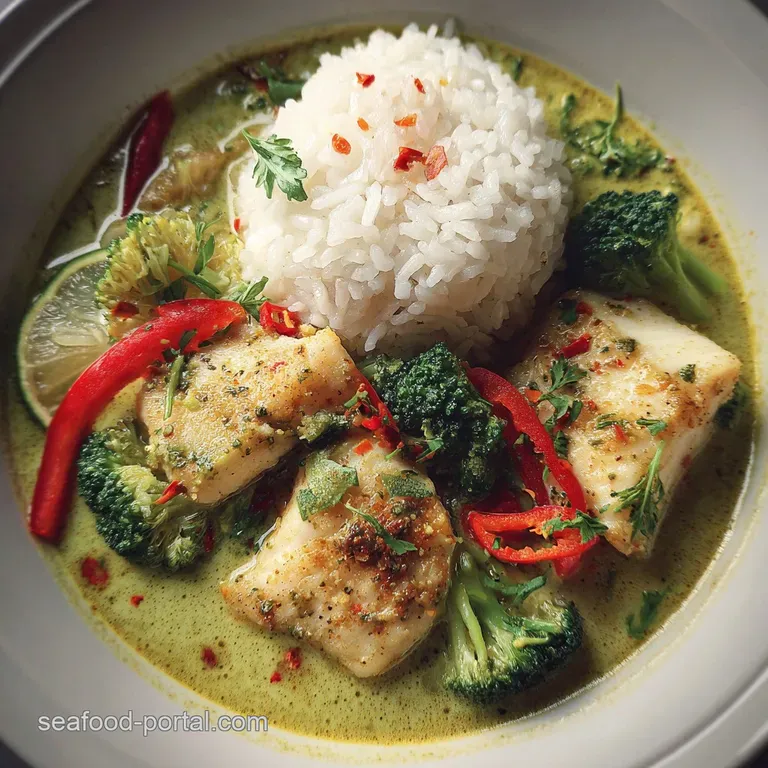
- Prep the fish. Pat the 4 mahi mahi fillets dry on both sides. Season with 0.5 tsp Kosher salt. Note: Moisture is the enemy of a good sear.
- Sear the fillets. Heat 1 tbsp neutral oil in a large skillet over medium high heat. Place fish in the pan until a golden crust forms, about 3 minutes per side. Remove and set aside.
- Bloom the paste. In the same pan, add the 3 tbsp Thai green curry paste. Fry for 2 minutes until the oil starts to turn green and smells fragrant.
- Deglaze the pan. Pour in 1 cup of stock. Use a wooden spoon to scrape up any browned bits from the fish.
- Build the base. Stir in 400ml coconut milk and 1 tsp sugar. Bring to a gentle simmer with small bubbles breaking the surface.
- Add the aromatics. Toss in 150g bamboo shoots and the sliced red bell pepper. Simmer for 4 minutes until the pepper is slightly softened but still bright.
- Flash cook the peas. Add 100g snap peas. These only need 2 minutes until they turn a vibrant, neon green.
- Finish the sauce. Stir in 1 tbsp fish sauce and 1 tbsp lime juice. Taste the sauce. It should be a balance of salt, acid, and heat.
- Return the fish. Place the seared mahi mahi back into the sauce. Spoon the liquid over the top for 2 minutes until the fish is opaque and flakes easily.
- Garnish and serve. Remove from heat. Fold in the 15g Thai basil leaves until they just begin to wilt and release their scent.
Solving Common Cooking Problems
Fixing Curdled Coconut Milk
Sometimes, if the heat is too high, the coconut milk can separate into oil and solids. This doesn't mean it is ruined, but the texture will be grainy rather than velvety. This usually happens when the sauce is brought to a rolling boil rather than a gentle simmer.
Adjusting the Heat Level
Green curry is notoriously spicy. If you find the 3 tablespoons of paste is too much for your palate, do not worry. You can mellow it out after the fact by adding more fat or sugar.
Preventing Overcooked Mahi
Mahi mahi is lean, meaning it can go from juicy to dry in about sixty seconds. Use a meat thermometer to check for an internal temperature of 62°C (145°F).
| Problem | Root Cause | Solution |
|---|---|---|
| Thin/Watery Sauce | Too much stock or low-fat milk | Simmer longer without the fish to reduce, or add a cornstarch slurry |
| Bland Flavor | Not enough salt/acid balance | Add an extra dash of fish sauce or a squeeze of fresh lime |
| Tough Fish | Overcooked protein fibers | Reduce heat once fish returns to the pan; use carryover cooking |
Common Mistakes Checklist
- ✓ Never skip drying the fish; wet fish will stick and shred in the pan.
- ✓ Use a heavy bottomed pan to prevent the curry paste from burning and turning bitter.
- ✓ Don't add the Thai basil too early; the delicate leaves lose flavor if boiled.
- ✓ Wait for the oil to "shimmer" before adding the fish to ensure an immediate sear.
- ✓ Avoid stirring the fish constantly once it’s in the sauce to prevent it from breaking.
Scaling and Portion Tips
If you are cooking for a crowd or just for yourself, adjusting this recipe is straightforward. For a smaller meal, you might find my Poached Mahi Mahi recipe even more manageable for a solo dinner as it uses similar flavor profiles.
- Cooking for Two: Cut all ingredients in half. Use a smaller 8 inch skillet to ensure the coconut milk still covers the fish properly. Reduce the simmer time by about 3 minutes.
- Cooking for Eight: Double the fish and vegetables, but only use 1.5x the curry paste and fish sauce. Spices tend to amplify as volume increases. You may need to sear the fish in two batches to avoid overcrowding the pan, which would lower the temperature and cause the fish to steam.
- The Decision Shortcut:
- If you want a thicker sauce, use only 0.5 cups of stock.
- If you want a milder heat, whisk in an extra teaspoon of brown sugar.
- If you want a heartier meal, serve this over a bed of jasmine rice or rice noodles to soak up every drop of the broth.
Common Kitchen Myth Busting
- Myth: You must make your own curry paste for it to be authentic. While homemade is great, many high-quality Thai brands produce pastes that are used in restaurant kitchens. The key is "blooming" the store-bought paste in oil to wake up the dried spices.
- Myth: Searing the fish "locks in" the juices. Searing is actually about the Maillard reaction, which creates hundreds of new flavor compounds on the surface. The moisture retention comes from not overcooking the fish past its ideal internal temperature.
- Myth: Boiling coconut milk always makes it curdle. In many Thai recipes, "cracking" the coconut milk (boiling until the oil separates) is actually the goal. For this specific easy version, we want a smooth emulsion, so we stick to a simmer, but a boil won't destroy the flavor just the aesthetics.
Storage and Zero Waste
Storage: This curry keeps surprisingly well in the fridge for up to 2 days. The flavors actually deepen overnight as the bamboo shoots soak up more of the chili oil. When reheating, do it gently on the stovetop over low heat. If you use a microwave, the fish will likely become rubbery.
I do not recommend freezing this dish, as the coconut milk texture changes significantly when thawed, often becoming grainy.
Zero Waste: Don't throw away those cilantro or basil stems! You can finely chop the basil stems and freeze them in an ice cube tray with a little oil to use as a flavor starter for your next stir fry. If you have leftover red bell pepper scraps, they can be tossed into a morning omelet.
The leftover curry sauce itself is liquid gold if you finish the fish but have sauce left, poach a couple of eggs in it the next morning for a "Thai style" shakshuka.
- Base
- Rich, velvety coconut fat.
- Zest
- Bright lime and lemongrass.
- Heat
- Sharp green chili kick.
- Crunch
- Firm snap peas and bamboo.
- Finish
- Peppery Thai basil aroma.
- 1. 3 minutes
- The exact time to bloom the paste until the oil separates and the aroma fills the room.
- 2. 62°C (145°F)
- The target internal temperature for the mahi mahi to ensure it remains juicy.
- 3. 170 grams
- The ideal weight per fillet to ensure they cook through at the same rate as the vegetable simmer.
High in Sodium
985 mg mg of sodium per serving (43% % of daily value)
The American Heart Association recommends limiting sodium intake to about 2,300mg per day for overall cardiovascular health.
Sodium Reduction Tips for Thai Green Curry with Mahi Mahi
-
Low-Sodium Broth-30%
Replace regular chicken or vegetable stock with a low-sodium or no-salt added version. This can significantly reduce the sodium content.
-
Reduce Added Salt-25%
Reduce the amount of Kosher salt used from 0.5 tsp to 0.25 tsp. You can always add more at the end if needed, but start with less.
-
Rinse Bamboo Shoots-20%
Thoroughly rinse the canned bamboo shoots under cold water before adding them to the curry. This helps remove excess sodium from the canning process.
-
Lower Sodium Curry Paste-15%
Thai Green Curry Paste brands vary in sodium content. Try to find a lower sodium brand, or make your own to control the ingredients. You can also use less of the paste to reduce the sodium amount.
-
Less Fish Sauce-15%
Fish sauce is high in sodium. Reduce the amount used from 1 tbsp to 0.5 tbsp. Taste and adjust other flavors accordingly.
-
Fresh Herbs & Spices
Enhance the flavor with fresh herbs (like cilantro and mint) and spices (like ginger, garlic, and chili flakes) instead of relying on salt for taste. These provide flavor without adding sodium.
Recipe FAQs
Can I use pre-cut frozen vegetables instead of fresh snap peas and bamboo shoots?
No, stick to fresh or flash frozen alternatives. Pre-cut frozen vegetables often have excess ice crystal damage which releases too much water into the delicate sauce, diluting the curry base.
How do I prevent the mahi mahi from falling apart while simmering in the sauce?
Sear the fish over high heat until golden brown before adding it to the liquid. This creates a sturdy crust that holds the flaky interior together, similar to how a proper sear protects proteins in our Fry Salmon with recipe.
What is the correct technique for blooming the curry paste in oil?
Heat neutral oil over medium heat until shimmering, then add the paste and fry for 2-3 minutes, stirring constantly. You are looking for the paste to darken slightly and for the spice oils to separate from the solids, which fully releases the aromatics.
Is it true that I must use full fat coconut milk for authentic texture?
Yes, full fat is highly recommended for achieving the correct emulsion. Lite coconut milk lacks the necessary fat stabilizers, which can cause the sauce to separate and look grainy when simmered.
How can I quickly add more savory depth if I'm worried the sauce tastes too sweet?
Stir in an extra half tablespoon of fish sauce right before you return the seared fish to the pan. The glutamate in the fish sauce provides immediate savory depth, contrasting the coconut milk's natural sweetness.
What is the key to ensuring the final dish isn't overly pungent or "funky" from the fish sauce?
Incorporate the fish sauce near the very end of the cooking process, just before or after the fish is fully cooked. Adding it early allows the volatile fermented compounds to cook off entirely, resulting in a duller flavor profile.
How do I properly finish the curry to maximize the aroma of the fresh Thai basil?
Remove the entire pan from the heat source and then gently fold in the basil leaves. The residual warmth is enough to wilt the leaves and release their essential oils without boiling them away.
Easy Thai Green Curry Mahi
Ingredients:
Instructions:
Nutrition Facts:
| Calories | 432 kcal |
|---|---|
| Protein | 36.6 g |
| Fat | 26.9 g |
| Carbs | 12.4 g |
| Fiber | 3.2 g |
| Sugar | 5.8 g |
| Sodium | 985 mg |
