Easy Sushi Cake with Layers Of: a Sliceable Masterpiece
- Effort/Time: 50 minutes (Low-effort assembly, high-visual impact)
- Flavor Hook: Buttery sashimi-grade fish meets zesty, vinegar-brightened rice.
- Perfect for: Show-stopping birthday-cake-alternatives and upscale dinner parties.
- Masterclass: Easy Sushi Cake with Layers of Freshness
- Why This Works: The Science of Layered Sushi Textures
- The Science Behind Sushi Rice
- The Science Behind Rice Vinegar
- The Science Behind Sashimi-Grade Salmon
- Essential Ingredients and Creative Substitutions
- Step-by-Step Instructions for Your Easy Sushi Cake with Layers of Freshness
- Expert Tips and Common Mistakes to Avoid
- Common Myths
- Storage and Freezing Guidelines
- Creative Serving Suggestions and Pairings
- Recipe FAQs
- 📝 Recipe Card
Masterclass: Easy Sushi Cake with Layers of Freshness
We’ve all been there: you buy expensive fish, try to roll it yourself, and end up with a sad, lumpy rice tube that falls apart. I’ve ruined enough nori sheets to know that traditional rolling is a high stress game.
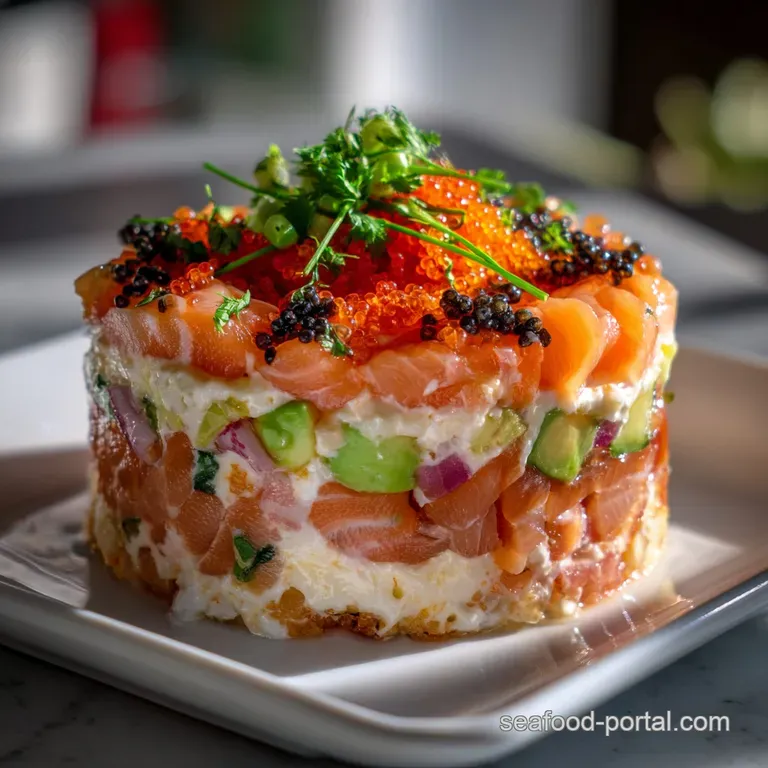
This Easy Sushi Cake with Layers of vibrant seafood and creamy avocado is my ultimate workaround that actually looks professional.
The secret isn't just in the stacking; it's the science of the rice. We’re aiming for that specific "shatter" of fresh cucumber against the velvety texture of 1/2 lb sashimi grade salmon. By using a mold, we compress the ingredients just enough to hold their shape without crushing the delicate rice grains.
Trust me, once you see how the light catches the 2 tbsp masago on top, you’ll never struggle with a bamboo mat again. We are going to use a specific technique to ensure your Easy Sushi Cake with Layers of flavor doesn't turn into a pile of loose rice the second you cut it. Let’s crack on.
Why This Works: The Science of Layered Sushi Textures
Easy Sushi Cake with Layers of ingredients relies on structural integrity and flavor balance to succeed.
- Starch Gelatinization: Cooking the 2 cups sushi rice at a specific water ratio allows the amylopectin to swell, creating the "sticky" matrix required for the cake to hold its shape.
- Acetic Acid Denaturation: The 1/4 cup rice vinegar does more than season; it lowers the pH of the rice, which slightly firms the exterior of each grain to prevent them from turning into mush under the weight of the 1/2 lb sashimi grade tuna.
- Lipid Emulsification: The 1/2 cup spicy crab salad uses Kewpie mayo as an emulsifier, providing a moisture barrier that prevents the cucumber juice from making the rice layers soggy.
A Stunning Birthday Cake Alternative for Seafood Lovers
For those who prefer savory over sweet, this Easy Sushi Cake with Layers of fresh seafood is the ultimate celebration dish. It offers the same "wow" factor as a traditional cake but provides 21.7 g of protein per serving.
Unlike sponge cake, this dish relies on the visual contrast of orange masago and green avocado to create a natural aesthetic.
The Balance of Umami and Acidic Profiles
This Easy Sushi Cake with Layers of flavor hits every part of the palate. The 2 tbsp white sugar and 1/4 cup rice vinegar provide the necessary acid to cut through the high fat content of the salmon and avocado.
This balance ensures that even though the cake is rich, it feels light and refreshing enough for a second helping.
Why Deconstructed DIY Sushi Beats Traditional Rolling
Rolling sushi requires years of practice to master the "tension" of the rice. An Easy Sushi Cake with Layers of tuna and crab removes that barrier. By using a 6 inch springform pan, you apply even vertical pressure, which is far more forgiving for home cooks than the horizontal pressure required for maki.
The Science Behind Sushi Rice
- What It Does
- Provides the structural foundation and "glue" for the entire cake.
- The Chemistry
- During the resting phase, starch retrogradation occurs, where the starch molecules realign into a semi crystalline structure that provides a chewy bite.
- Why This Matters
- This ensures the cake stays upright and doesn't collapse into a rice bowl when you release the springform latch.
The Science Behind Rice Vinegar
- What It Does
- Seasons the rice and acts as a mild preservative.
- The Chemistry
- The acetic acid breaks down surface proteins on the rice, allowing the 2 tbsp white sugar and 1 tsp salt to penetrate the grain deeply.
- Why This Matters
- It creates a complex flavor profile that prevents the 2 cups sushi rice from tasting flat or one-dimensional.
The Science Behind Sashimi Grade Salmon
- What It Does
- Acts as the primary protein and fat source for a luxurious mouthfeel.
- The Chemistry
- Cold water fats (omega-3s) remain liquid at fridge temperatures, ensuring the fish feels "velvety" rather than firm when eaten cold.
- Why This Matters
- This provides the essential "melt-in-your mouth" texture that defines high-quality Easy Sushi Cake with Layers of seafood.
Essential Ingredients and Creative Substitutions
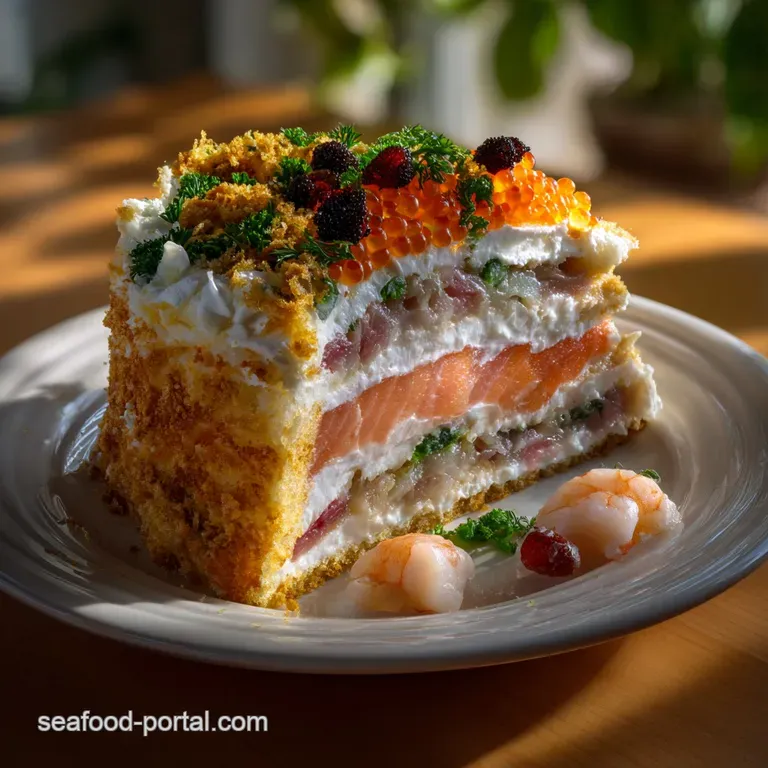
When building your Easy Sushi Cake with Layers of goodness, use the best tools available, like a Lodge 6 inch Springform Pan and a Zojirushi Neuro Fuzzy Rice Cooker for consistent results.
| Original Ingredient | Substitute | Why It Works |
|---|---|---|
| 1/2 lb Sashimi Salmon | Smoked Salmon (Lox) | High salt content and fat; adds a smoky dimension. Note: Altered flavor profile. |
| 1/4 cup Rice Vinegar | Apple Cider Vinegar + 1 tsp Sugar | Similar acidity level (5 6% acetic acid). |
| 1/2 cup Spicy Crab | Minced Cooked Shrimp + Sriracha | Similar protein density and "snap" when bitten. |
| 2 tbsp Masago | Salmon Roe (Ikura) | Larger "pop" and more intense brine. |
Choosing the Best Sushi Grade Seafood
Your Easy Sushi Cake with Layers of fish depends entirely on the quality of the 1/2 lb tuna and salmon. Look for "sashimi grade" labels, which indicate the fish was flash frozen to -31°F to kill parasites.
The flesh should be firm to the touch, not slimy, and have a neutral sea-salt aroma rather than a "fishy" smell.
How to Season Perfect Sushi Rice
Rinse the 2 cups sushi rice until the water runs clear to remove excess surface starch. Once cooked with 2 1/2 cups water, move the rice to a wooden bowl (hangiri). The wood absorbs excess moisture, preventing the rice from becoming waterlogged while you fold in the 1/4 cup rice vinegar mixture.
Vegan and gluten-free Ingredient Swaps
To make this Easy Sushi Cake with Layers of veggies, swap the fish for marinated beets or extra 2 large ripe avocados. For a gluten-free version, ensure your Kikkoman Soy Sauce is replaced with Tamari, and verify that your imitation crab is certified GF, as many brands use wheat based binders.
step-by-step Instructions for Your Easy Sushi Cake with Layers of Freshness
- Rinse 2 cups sushi rice.Note: Removing surface starch prevents the grains from becoming a gummy mass during the "cake" compression.
- Boil rice with 2 1/2 cups water.Note: Precise water ratios ensure starch gelatinization without over saturating the grain centers.
- Whisk 1/4 cup rice vinegar, 2 tbsp sugar, and 1 tsp salt.Note: Dissolving the solids into the acid ensures even distribution of flavor across every grain.
- Fold vinegar into hot rice.Note: The heat allows the vinegar to be absorbed through the rice's outer membrane via osmosis.
- Slice 2 large ripe avocados.Note: Thin slices create a "shingle" effect that prevents the top layers from sliding off.
- Dice 1 large English cucumber.Note: English cucumbers have thinner skins and fewer seeds, preventing excess water from leaking into the layers.
- Mix 1/2 cup spicy crab salad.Note: The Kewpie mayo acts as a binder, holding the shredded imitation crab together.
- Press 1 cup of rice into the mold base.Note: This first layer must be firmly packed to support the weight of the 1/2 lb sashimi grade tuna.
- Layer avocado, crab, and cucumber.Note: Alternating textures (creamy, chewy, crunchy) creates a better sensory experience.
- Add remaining rice and press again.Note: Compression creates the structural "cake" effect.
- Top with 1/2 lb salmon and 1/2 lb tuna.Note: Keeping the raw fish on top prevents it from being crushed by other ingredients.
- Garnish with 2 tbsp masago and 1 tbsp sesame seeds.Note: These provide the final "pop" and "crunch" textures.
Chef's Note: If you're looking for a warm pairing for this cold dish, my Easy Poached Cod with Lemon and Butter Sauce | Quick Dinner offers a great textural contrast for a multi course seafood night.
Expert Tips and Common Mistakes to Avoid
| Problem | Why It Happens | The Fix | Pro Protocol |
|---|---|---|---|
| Cake falls apart | Rice was too dry or not pressed | Add 2 tbsp more water during cooking | Use a heavy flat bottomed glass to press layers firmly. |
| Mushy rice | Too much vinegar or over mixing | Fold vinegar gently while rice is steaming hot | Use a plastic rice paddle and a "cutting" motion to fold. |
| Fish tastes "flat" | Lack of seasoning on the seafood | Sashimi needs a touch of salt or soy | Brush the fish with a light soy-mirin glaze before layering. |
How to Prevent Your Cake from Falling Apart
The most common mistake with an Easy Sushi Cake with Layers of ingredients is removing the mold too early. Let the cake sit in the fridge for 15 minutes before unmolding. This allows the rice starches to set and the layers to bond.
If the rice sticks to the sides, lightly grease your Springform Pan with a drop of sesame oil before starting.
Techniques for Clean and Professional Slicing
To get those "shatter crisp" lines in your Easy Sushi Cake with Layers of salmon, you need a very sharp knife, like a Global G-2 Chef's Knife. Dip the blade in a mixture of water and vinegar (tezu) between every single cut.
This prevents the sticky rice from clinging to the blade and tearing the layers.
Common Myths
Myth: You must use a wooden hangiri to make sushi rice. Truth: While traditional, a large glass or ceramic bowl works perfectly fine for this Easy Sushi Cake with Layers of flavor as long as you spread the rice out to cool quickly.
Myth: Sushi cake can be made 24 hours in advance. Truth: Raw fish and rice both degrade in quality. For the best Easy Sushi Cake with Layers of freshness, assemble no more than 3 hours before serving.
Storage and Freezing Guidelines
Safe Refrigeration and Freshness Standards
Because this Easy Sushi Cake with Layers of raw seafood contains sashimi grade fish, it must be kept at or below 40°F. If you have leftovers, store them in an airtight container for no more than 24 hours.
The rice will begin to harden (starch retrogradation) after 12 hours, changing the texture significantly.
Why We Recommend Avoiding the Freezer
Do NOT freeze this Easy Sushi Cake with Layers of tuna and salmon. Freezing raw fish that has already been thawed once destroys the cellular structure, resulting in a mushy, "bleeding" texture. On top of that,, cooked rice becomes grainy and chalky when frozen and thawed without reheating.
Creative Serving Suggestions and Pairings
The Best Dipping Sauces for Sushi Cakes
While soy sauce is classic, this Easy Sushi Cake with Layers of spicy crab pairs beautifully with a side of remoulade. If you like a bit of heat, try the sauce from my Crab Cake Remoulade: Easy Lump Cakes with Smoked Paprika Sauce — the smoked paprika adds a surprising depth to the raw salmon.
Plating Your Cake as a Party Centerpiece
Place the Easy Sushi Cake with Layers of masago and avocado on a slate board for maximum color contrast. Surround it with mounds of pickled ginger and wasabi. For a full seafood spread, I love serving this alongside a bowl of Classic Maryland Crab Soup with Old Bay Perfection to give guests a mix of hot and cold options.
Making this Easy Sushi Cake with Layers of fresh ingredients is about bringing the sushi bar home without the stress. It’s vibrant, it's technically sound, and it's a guaranteed conversation starter. Now, go grab that 1/2 lb of salmon and let's get layering!

Recipe FAQs
Can I substitute imitation crab for real sashimi grade fish?
No. Imitation crab lacks the rich texture. Artificial crab (surimi) provides minimal flavor structure compared to true fresh seafood. It will yield a gummy, underwhelming layer.
What is the fastest way to chill the sushi rice?
Spread rice thinly on a baking sheet. Rapid cooling prevents the rice from steaming itself into an overly sticky mass, ensuring distinct layers.
Do I need to use Japanese short grain rice exclusively?
Yes. Short grain starch structure is critical. Medium or long grain rice lacks the necessary amylopectin content required for proper stickiness when seasoned.
How do I prevent the fish layer from sliding out?
Press layers firmly with a springform pan base. Gentle, even pressure ensures mechanical adhesion between the gelatinous rice and the fish slices. This mimics professional binding techniques.
- Use plastic wrap as a barrier
- Chill assembly for 30 minutes
- Apply pressure downwards, not outwards
Should I use rice vinegar or distilled white vinegar for seasoning?
Rice vinegar offers superior mild sweetness. Distilled white vinegar provides an overwhelming sharpness that destroys the delicate balance of high-quality fish flavors. This recipe benefits from the nuances found in mild seafood preparations like Tilapia with Lemon Caper Sauce: Restaurant Quality in 25 Minutes.
Myth: I can skip the nori layer entirely if I use creamy avocado.
Myth: Skipping nori eliminates the need for textural contrast. Reality: The dried seaweed provides essential structural integrity and a deep umami anchor against the fatty fish.
Using a slightly sharper binding agent, like the roux in Shrimp Gumbo: Rich, Smoky Southern Stew with Traditional Dark Roux, will not substitute for the crunch factor.
What works better: using plastic wrap or acetate sheets for molding?
Acetate sheets provide a cleaner release. Plastic wrap tends to wrinkle and transfer texture onto the delicate surface layers. Acetate offers a perfectly smooth, professional finish.
Easy Sushi Cake Layers
Ingredients:
Instructions:
Nutrition Facts:
| Calories | 471 kcal |
|---|---|
| Protein | 21.7 g |
| Fat | 16.6 g |
| Carbs | 58.3 g |
| Fiber | 5.2 g |
| Sugar | 5.5 g |
| Sodium | 640 mg |
