Easy Steamed Clams in Garlic Butter
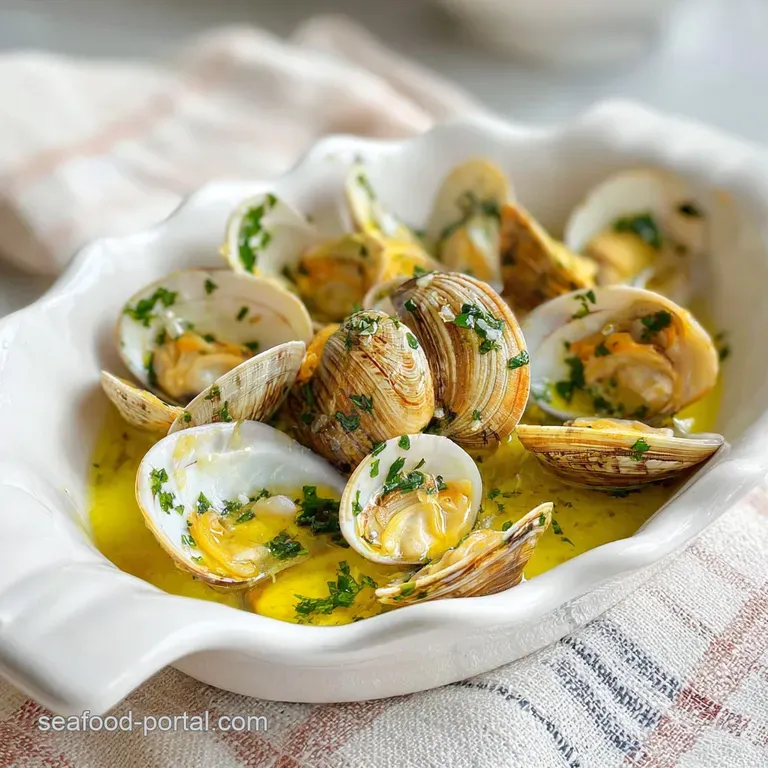
- Time: Active 15 minutes, Passive 10 minutes, Total 25 minutes
- Flavor/Texture Hook: Velvety butter sauce with briny, tender clams
- Perfect for: Impressive date nights or quick weeknight luxury
- Pro Tips For Easy Steamed Clams in Garlic Butter
- Why This Seafood Recipe Works
- Understanding The Essential Recipe Specs
- Choosing Your Fresh Seafood Components
- Necessary Kitchen Equipment For Steaming
- Step By Step Cooking Instructions
- Troubleshooting Your Garlic Butter Sauce
- Exciting Flavor Swaps and Variations
- Storage Solutions For Leftover Clams
- Garnishing And Serving Your Meal
- Recipe FAQs
- 📝 Recipe Card
Pro Tips For Easy Steamed Clams in Garlic Butter
There is nothing quite like the sound of a dozen shells "clinking" against the side of a heavy pot, followed by that first aromatic puff of garlic scented steam. I remember the first time I tried making shellfish at home; it was a total disaster.
I didn't purge them properly, and my "fancy" dinner ended with a mouthful of San Diego beach sand. It was humiliating, but it taught me the most important lesson in seafood: preparation is 90% of the flavor.
We aren't just boiling things here. We are creating a delicate emulsion where the natural "liquor" inside the clam meets a sharp, dry wine and rich butter. This specific method for Easy Steamed Clams in Garlic Butter is designed to be foolproof so you can spend less time worrying about grit and more time dipping crusty bread into that liquid gold at the bottom of the bowl.
Trust me, once you see how those shells pop open like little treasures, you'll never order this at a bistro again.
The beauty of this dish lies in its speed. From the moment the garlic hits the butter to the second you’re garnishing with parsley, you’re looking at maybe ten minutes of actual heat. It’s high reward cooking that feels much more complicated than it actually is. Ready to get your hands a little salty?
Let’s talk about why this technique actually works from a scientific perspective.
Why This Seafood Recipe Works
Understanding the "why" behind the sizzle helps you pivot if things don't look right in the pan.
- Protein Denaturation: As the clams heat up, the adductor muscles (which hold the shell closed) denature and lose their grip, causing the shell to spring open at exactly the right moment of doneness.
- Emulsification Stability: By whisking cold butter into the hot wine and clam juice at the end, you create a stable emulsion that coats the seafood rather than just sliding off as greasy oil.
- Osmotic Purging: Soaking the clams in salted water mimics their natural environment, encouraging them to "breathe" out sand and silt trapped in their siphons.
- Aromatic Infusion: Fat soluble flavor compounds in the garlic and shallots dissolve into the butter, ensuring every drop of sauce carries a deep, savory punch.
| Method | Time | Texture | Best For |
|---|---|---|---|
| Stovetop (Classic) | 8-10 mins | Tender & Juicy | Retaining every drop of sauce |
| Grilled in Foil | 12 mins | Smoky & Firm | Summer cookouts with zero cleanup |
| oven-roasted | 15 mins | Concentrated Brine | Cooking very large batches at once |
Getting the temperature right is just as important as the ingredients themselves. When you see that first wisp of steam escaping the lid, you know the magic is happening. If you're looking for a more complex flavor profile for a larger crowd, you might want to try the Seafood Boil with recipe which uses a similar garlic heavy base but adds more variety.
Understanding The Essential Recipe Specs
Before we start chopping, let's look at the hard numbers. Precision is your best friend when dealing with delicate shellfish. If you overcook a clam, it turns into a rubber band; if you undercook it, it stays shut. We are aiming for that "just popped" sweet spot where the meat is still plump and velvety.
The Science of the "Clam Liquor" Emulsion
Inside every shell is a small amount of concentrated seawater and clam protein known as "liquor." When the shells open, this liquid pours into your wine and butter base. This isn't just "salty water" it's a natural thickener.
The proteins in the liquor help bind the fat of the butter to the acidity of the wine, creating a sauce that has body and depth without needing flour or starch.
over High heat Steaming for Texture Control
We use a medium high heat because we want the liquid to turn into steam rapidly. This creates enough pressure to force the shells open quickly. Slow cooking is the enemy of the clam. The faster they pop, the more moisture stays trapped inside the meat. Think of it as a sprint, not a marathon.
Choosing Your Fresh Seafood Components
The quality of your Easy Steamed Clams in Garlic Butter depends entirely on the freshness of your haul. When you go to the fishmonger, the clams should be tightly closed or snap shut when tapped.
If they’re gaping open and stay that way, they’ve already moved on to the great ocean in the sky toss them.
| Component | Science Role | Pro Secret |
|---|---|---|
| Fresh Clams | Provides briny umami and natural thickeners | Tap them; if they don't close, they are dead and dangerous |
| Dry White Wine | Acidity breaks down tough proteins and balances fat | Use a crisp Sauvignon Blanc for a bright, citrus finish |
| Unsalted Butter | Creates a silky mouthfeel and carries aromatics | Add the final tablespoon cold to create a "glossy" finish |
| Fresh Garlic | Contains allicin for pungent, savory depth | Slice thin rather than pressing to prevent bitter burning |
The Shellfish
For this recipe, I swear by Littlenecks or Manila clams. Littlenecks are the classic choice they are small, sweet, and have a relatively tender texture. Manilas are even sweeter and have thinner shells, which means they cook a bit faster.
Avoid the massive "Chowder" clams for steaming; they are far too tough for this application and are better off chopped up in a soup.
The Aromatic Butter Base
We use 4 tablespoons of unsalted butter. Why unsalted? Because the clams are naturally salty. Using salted butter plus the clam liquor is a recipe for a sodium bomb. We want to control the seasoning ourselves.
The 6 cloves of garlic might seem like a lot, but trust me, when they mellow out in the butter and wine, you'll wish you had added more.
The Deglazing & Finishing Liquid
A 1/2 cup of dry white wine is the standard. If you wouldn't drink it, don't cook with it. A Pinot Grigio or a dry Vermentino works beautifully. To brighten everything up, we finish with the juice of 1/2 a lemon. The acid cuts through the richness of the butter and makes the briny flavor of the clams really pop.
Necessary Kitchen Equipment For Steaming
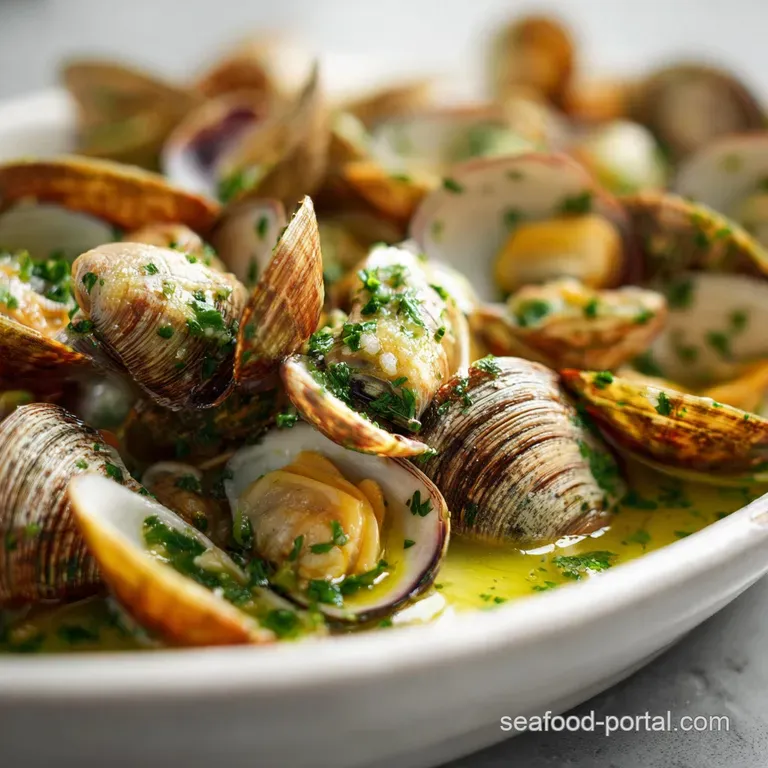
You don't need a professional kitchen, but a few specific tools will make your life much easier. The most important is a heavy bottomed pot or a wide sauté pan with a tight fitting lid.
Chef Tip: Use a pan that is wider than it is deep. This allows the clams to sit in a relatively shallow layer, ensuring they all hit the heat at the same time and open simultaneously. If they are piled four inches deep, the ones at the bottom will be overcooked by the time the top ones open.
A good pair of tongs is also essential for plucking the clams out as they open. I also recommend a fine mesh strainer if you're worried about any leftover grit, though our purging process should handle that.
step-by-step Cooking Instructions
Now, let's get into the nitty gritty. Follow these steps exactly, and keep your ears open for the "pop" of the shells.
- Purge the clams. Submerge your 2 lbs of clams in a bowl of cold water with 1 tsp of sea salt. Note: This mimics the ocean and makes them spit out sand.
- Scrub the shells. After 20 minutes, scrub each shell under cold running water to remove external debris.
- Sauté aromatics. Melt 2 tbsp of butter in your pan over medium heat. Add the diced shallot and 6 cloves of minced garlic. Cook until the air smells like a French bistro and the shallots are translucent.
- Add spice and pepper. Stir in 1/2 tsp red pepper flakes and 1/4 tsp black pepper. Note: Toasting the flakes in fat releases their oils.
- Deglaze with wine. Pour in 1/2 cup dry white wine. Bring to a simmer until the sharp alcohol scent dissipates.
- Steam the clams. Add the clams to the pan in an even layer. Cover tightly with a lid.
- Monitor the pop. Steam for 5 to 8 minutes. Stop when you hear the shells clinking and see them yawning open.
- Discard duds. Remove the lid and use tongs to transfer open clams to a bowl. Discard any shells that remained tightly shut.
- Finish the sauce. Turn the heat to low. Whisk in the remaining 2 tbsp of cold butter and the juice of 1/2 a lemon. Stir until the sauce looks velvety and opaque.
- Garnish and serve. Pour the sauce over the clams and shower with 1/4 cup chopped fresh parsley.
If you enjoy this steaming technique, you should definitely check out my How to Steam recipe for mussels, which uses a similar white wine base but focuses on the faster cook time of Mediterranean mussels.
Troubleshooting Your Garlic Butter Sauce
Even the simplest recipes can hit a snag. Shellfish can be temperamental, but most issues have a very easy fix if you catch them early.
Why Your Clams Are Rubbery
If your clams feel like chewing on a pencil eraser, they were on the heat for too long. The moment that shell opens, the clam is done. If you leave them in the boiling liquid while you wait for the last few "stragglers" to open, the early bloomers will overcook.
Solution: Remove clams one-by-one as they open and place them in a warm bowl. Only keep the sauce simmering.
Rescuing a Broken Sauce
If your sauce looks like yellow oil floating on top of grey water, the emulsion has "broken." This usually happens if the heat was too high when you added the final butter, or if you didn't whisk it vigorously enough. Solution: Remove the pan from the heat entirely.
Add a teaspoon of very cold water and whisk like crazy. The cold water helps re establish the bond between the fat and the liquid.
| Problem | Root Cause | Solution |
|---|---|---|
| Gritty Sauce | Inadequate purging time | Strain the sauce through a coffee filter before serving |
| Bitter Aftertaste | Burned garlic | Sauté garlic on lower heat; add wine sooner next time |
| Clams Won't Open | Clams were dead before cooking | Discard immediately; never force a shell open |
Common Mistakes Checklist: ✓ Never skip the salt water purge; plain tap water will kill the clams before they can spit out the sand. ✓ Don't overcrowd the pan; give the shells room to "breath" and expand as they open.
✓ Avoid using "cooking wine" from the grocery store; the salt content is way too high. ✓ Use fresh parsley, not dried; the oils in fresh herbs are needed to balance the heavy butter. ✓ Make sure the lid is truly airtight; if steam escapes, the clams won't open.
Exciting Flavor Swaps and Variations
Once you’ve mastered the base Easy Steamed Clams in Garlic Butter, you can start playing with the profile. This recipe is a blank canvas for coastal flavors.
| Original Ingredient | Substitute | Why It Works |
|---|---|---|
| Dry White Wine | Chicken Broth + 1 tsp Vinegar | Provides acidity and depth without the alcohol content |
| Shallots | Yellow Onion (finely minced) | Similar sweetness, though slightly more pungent |
| Fresh Parsley | Fresh Cilantro + Lime Juice | Shifts the profile to a bright, "Ceviche inspired" flavor |
- For a Smoky Mediterranean Vibe
- Add 2 ounces of diced chorizo or pancetta at the beginning with the shallots. The rendered fat adds a deep, smoky orange hue to the sauce.
- For a Thai Inspired Broth
- Swap the butter for coconut milk and use ginger and lemongrass instead of shallots. Note: This significantly changes the richness and adds a tropical sweetness.
- For a Non Alcoholic Umami Version
- Use clam juice or seafood stock mixed with a squeeze of extra lemon to mimic the body of the wine.
Storage Solutions For Leftover Clams
Seafood is best enjoyed immediately, but if you have leftovers, don't throw them away! You just have to be smart about how you reheat them to avoid that dreaded rubbery texture.
- Storage: Keep cooked clams in their sauce in an airtight container in the fridge for up to 2 days. I don't recommend freezing them in the shell, as the texture degrades significantly.
- Reheating: Do NOT microwave them. Instead, pour the sauce into a pan and bring it to a gentle simmer. Add the clams just for 60 seconds to take the chill off.
- Zero Waste: If you have left over sauce but no clams, use it as a base for a linguine dish the next day. If you have leftover clam meat, chop it up and mix it with cream cheese and herbs for a killer clam dip. Even the shells can be boiled again with veggie scraps to make a light seafood stock!
Garnishing And Serving Your Meal
The presentation of Easy Steamed Clams in Garlic Butter is half the fun. I always serve these in a large, shallow bowl right in the middle of the table. It encourages everyone to dig in and get a little messy.
The Essential Dipping Vessel: You absolutely need a loaf of crusty sourdough or a French baguette. The "broth" at the bottom of the bowl is arguably the best part of the meal, and it would be a tragedy to let it go to waste. Toast the bread with a little olive oil and salt beforehand for extra crunch.
The Perfect Pairing: This dish loves a crisp, cold beverage. A glass of the same wine you used for cooking is the logical choice. If you're a beer drinker, a light Pilsner or a Belgian Witbier with a slice of orange complements the coriander and citrus notes in the sauce perfectly.
For another decadent option that pairs well with seafood, you might enjoy my Lobster Butter Sauce recipe, which uses a similar emulsification technique but with an even richer, more luxurious finish.
There you have it a simple, elegant, and incredibly satisfying meal that proves you don't need a culinary degree to master seafood. Just remember: purge the sand, watch the pop, and never skimp on the bread! Happy cooking!

Recipe FAQs
What kind of clams are best for steaming?
Littleneck or Manila clams are ideal. They are small, sweet, and have tender textures suitable for quick steaming. Avoid large chowder clams as they can become tough.
How do I ensure my clams are grit free?
Purge them in salted water for at least 20 minutes. This process mimics their natural environment and encourages them to expel any sand or grit. Scrubbing the shells afterward also helps.
Can I use other liquids besides white wine?
Yes, you can substitute with clam juice or seafood stock plus extra lemon juice. This will provide a similar briny depth and acidity without the alcohol, offering a non-alcoholic alternative.
Why did some of my clams stay closed?
Discard any clams that remain tightly shut after steaming. This indicates they were likely dead before cooking and are unsafe to eat. All edible clams will open during the steaming process.
How do I prevent the garlic from burning?
Sauté the minced garlic on medium heat and add the wine relatively quickly. Thinly slicing the garlic also helps it cook more evenly and prevents bitterness, similar to how careful temperature control is key in our Crispy Skin Salmon Fillet with Lemon and Dill Butter Sauce.
My sauce looks oily. How do I fix it?
Whisk in a teaspoon of cold water off the heat to re-emulsify the sauce. This usually happens if the heat was too high when adding the final butter or if it wasn't whisked vigorously enough.
How should I reheat leftover steamed clams?
Gently reheat the clams and sauce in a pan over low heat for about a minute. Avoid microwaving, as it can make the clam meat tough and rubbery. The goal is just to take the chill off.
Easy Steamed Clams
Ingredients:
Instructions:
Nutrition Facts:
| Calories | 215 calories |
|---|---|
| Protein | 6.8 g |
| Fat | 15.2 g |
| Carbs | 5.4 g |
| Fiber | 0.6 g |
| Sugar | 1.1 g |
| Sodium | 460 mg |
