Easy Scallops Provencal Recipe
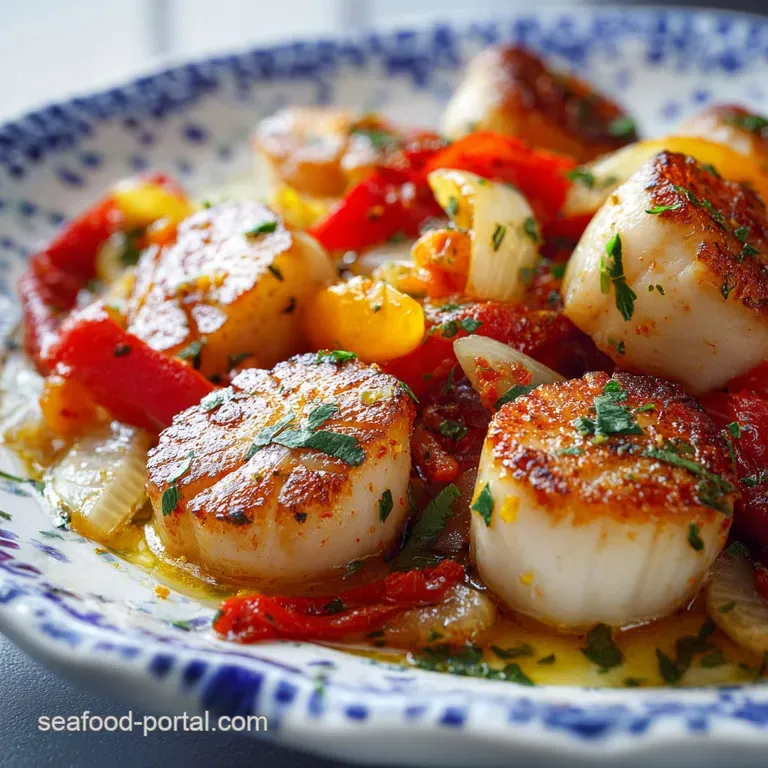
- Time: Active 5 minutes, Passive 0 minutes, Total 12 minutes
- Flavor/Texture Hook: A shatter crisp exterior meets a velvety, sweet interior bathed in a bright lemon butter sauce.
- Perfect for: A fast weeknight luxury or a beginner friendly date night dinner.
- Making the Easy Scallops Provencal Recipe
- Why This Scallop Dish Works
- Essential Specs for Scallop Success
- Quality Ingredients for Better Flavor
- Essential Tools for Better Cooking
- Step-by-Step Cooking Guide
- Fixing Common Scallop Cooking Issues
- Tasty Variations for Your Meal
- Storing and Using Your Leftovers
- Plating Your Scallops Like Pro
- Myths About Searing Scallops
- Easy Scallops Provencal Recipe FAQs
- 📝 Recipe Card
Making the Easy Scallops Provencal Recipe
You know that sound? That aggressive, happy sizzle the moment a cold scallop hits a ripping hot pan? It’s honestly one of my favorite sounds in the kitchen, but for the longest time, it terrified me.
I used to think scallops were strictly "restaurant food" because I was so worried about turning a pound of expensive seafood into something with the texture of a pencil eraser.
But then I learned the trick. It isn't about some fancy culinary degree, it's about moisture management. If your scallops are wet, they’ll steam and look sad and grey. If they’re dry, they’ll sear.
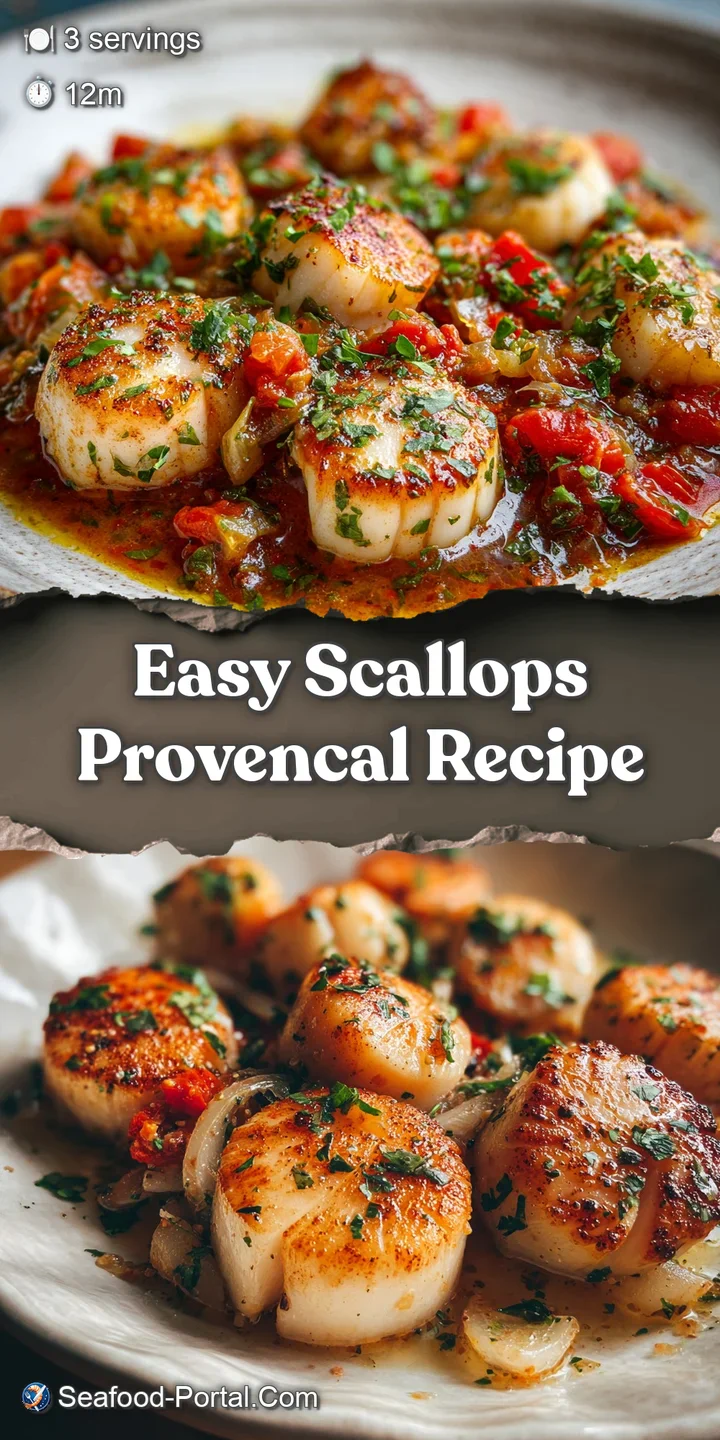
This Easy Scallops Provencal Recipe is designed to be approachable even if it’s your first time touching a sea scallop. We’re going to get that golden brown crust you see in magazines right in your own kitchen.
Right then, let's talk about why this actually works. We’re using a classic Provencal style, which means lots of garlic, shallots, and herbs, but we’re keeping it simple enough for a Tuesday night.
I’ve made every mistake possible with these, from overcrowding the pan to using the wrong oil, so you don't have to. Trust me on this, once you nail the timing, you’ll never feel intimidated by the seafood counter again.
Why This Scallop Dish Works
The magic here happens because of how we handle the surface of the protein. By combining a dry surface with a light coating of flour, we create the ideal environment for the Maillard reaction to occur almost instantly.
- Maillard Reaction: Amino acids and sugars on the scallop surface react under high heat to create a brown, savory crust.
- Protein Denaturation: Quick cooking prevents the internal proteins from tightening too much, keeping the texture velvety rather than chewy.
- Emulsification: Whisking cold butter into the wine and lemon juice creates a stable, silky sauce that clings to the scallops.
| Method | Time | Texture | Best For |
|---|---|---|---|
| Stovetop | 7 minutes | Shatter crisp crust | Maximum flavor and traditional finish |
| Oven | 10 minutes | Uniformly tender | Cooking larger batches for a crowd |
This recipe is incredibly fast, so you want everything ready before the heat goes on. If you're looking for another way to prep these, you might also enjoy my Baked Scallop Recipe for a different texture profile.
Essential Specs for Scallop Success
| Component | Science Role | Pro Secret |
|---|---|---|
| Sea Scallops | Structural protein | Use dry packed scallops to avoid excess water release during cooking. |
| All Purpose Flour | Moisture absorber | A thin layer prevents the scallop from sticking and accelerates browning. |
| Dry White Wine | Solvent/Acid | De glazes the pan, lifting flavorful browned bits into the sauce. |
Quality Ingredients for Better Flavor
To get this right, you need to start with the best components. We're looking for a balance of sweet, savory, and bright notes.
- 1 lb fresh sea scallops, dry packed: Why this? Wet packed scallops are treated with phosphates that prevent a good sear.
- 1 tbsp light olive oil: Why this? It has a higher smoke point than butter for the initial sear.
- 0.5 tsp fine sea salt: Use sea salt for a cleaner mineral finish.
- 0.25 tsp freshly cracked black pepper: Freshly cracked offers more floral heat.
- 2 tbsp all purpose flour: Just enough to dust, not a heavy batter.
- 2 tbsp unsalted butter, cold: Why this? Cold butter melts slowly, creating a thicker, creamier emulsion in the sauce.
- 3 cloves garlic, minced: Provides the punchy base for the Provencal style.
- 1 large shallot, minced: Sweeter and more delicate than a standard onion.
- 0.25 cup dry white wine: A Sauvignon Blanc or Pinot Grigio works beautifully.
- 1 tbsp fresh lemon juice: Cuts through the richness of the butter.
- 0.25 cup fresh Italian parsley, chopped: Adds a peppery, fresh finish.
- 1 tsp fresh thyme leaves: Deepens the herbal profile.
| Original Ingredient | Substitute | Why It Works |
|---|---|---|
| Dry White Wine | Chicken Stock | Adds savory depth but lacks the bright acidity of wine. |
| Shallot | Red Onion | Provides a similar bite, though the flavor is slightly more aggressive. |
| Scallops | Shrimp | Similar cook time. Note: Shrimp won't have the same buttery sweetness. |
I've found that using high-quality butter makes a huge difference here. Since the sauce is so simple, the flavor of the fat really shines through. If you love this flavor profile, you should definitely check out my Seared Scallops with Lemon Butter recipe for a slightly different take on the citrus notes.
Essential Tools for Better Cooking
You don't need a professional kitchen, but a heavy pan is non negotiable. I prefer a stainless steel or cast iron skillet because they hold heat much better than non stick pans. When you drop those scallops in, you don't want the pan temperature to plummet.
A pair of thin tipped tongs is also helpful. You want to be able to flip the scallops gently without tearing that crust we’re working so hard to build. Finally,, make sure you have a clean plate nearby to move the scallops to once they’re seared. Residual heat in the pan will overcook them in seconds.
step-by-step Cooking Guide
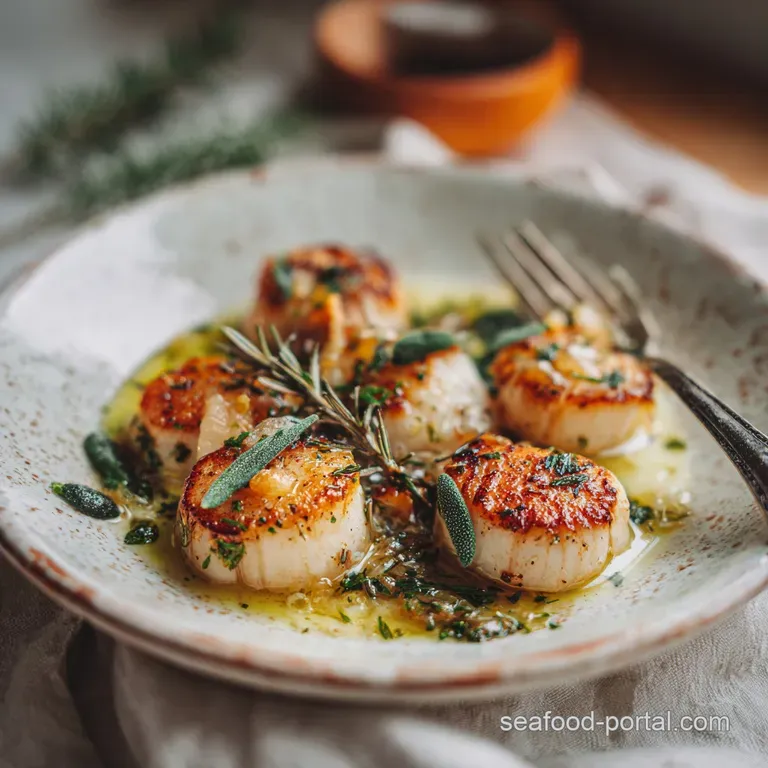
- Dry the scallops. Use paper towels to pat the 1 lb sea scallops completely dry on all sides. Note: Surface moisture is the enemy of a golden crust.
- Season the protein. Sprinkle the 0.5 tsp sea salt and 0.25 tsp pepper over both sides of the scallops.
- Dust with flour. Toss the scallops in the 2 tbsp flour, then shake off any excess. They should have a barely there coating.
- Heat the pan. Add 1 tbsp olive oil to a large skillet over medium high heat. Wait until the oil is shimmering and just starting to smoke.
- Sear the first side. Place scallops in the pan, leaving space between each. Cook for 2 minutes until a deep golden crust forms.
- Flip and finish. Flip the scallops and cook for 1 to 2 minutes until they feel slightly firm but still springy. Remove to a plate immediately.
- Sauté aromatics. Reduce heat to medium. Melt 1 tbsp of the butter and add the 3 cloves garlic and 1 shallot. Cook 1 minute until fragrant and softened.
- Deglaze the skillet. Pour in the 0.25 cup white wine and 1 tbsp lemon juice. Scrape the bottom of the pan to release the flavorful bits.
- Build the sauce. Let the liquid simmer for 2 minutes until reduced by half.
- Finish and serve. Stir in the remaining 1 tbsp cold butter, 0.25 cup parsley, and 1 tsp thyme. Return scallops to the pan just to coat and serve immediately.
Fixing Common Scallop Cooking Issues
Why Your Scallops Look Grey
If your scallops are steaming instead of searing, it’s usually because they were too wet or the pan wasn't hot enough. Make sure the oil is shimmering before they go in. Also, don't crowd the pan. If you put too many scallops in at once, the pan temperature drops and the moisture they release has nowhere to go.
Why Your Scallops Are Rubbery
This is the classic overcooking problem. Scallops only need about 4 to 5 minutes of total heat. Once they lose their translucency and feel slightly firm, they are done. They will continue to cook for a minute or two once you take them out of the pan, so pull them early rather than late.
| Problem | Root Cause | Solution |
|---|---|---|
| Crust won't stick | Scallops too wet | Pat dry with double the paper towels than you think. |
| Sauce is too thin | Simmered too briefly | Let the wine reduce until it looks slightly syrupy before adding butter. |
| Garlic tastes bitter | Burned during sauté | Reduce heat before adding aromatics to the pan. |
Common Mistakes Checklist
- ✓ Never wash your scallops under the tap; it adds unnecessary moisture.
- ✓ Ensure the oil is hot enough to "dance" in the pan before adding protein.
- ✓ Don't move the scallops for the first 2 minutes; they need contact time to brown.
- ✓ Use cold butter at the very end to create a glossy, thick sauce.
- ✓ Remove the side muscle (the little tough bit) if it’s still attached.
Tasty Variations for Your Meal
Scallops Provencal with Pasta
While these are great on their own, serving them over a bed of angel hair pasta is a classic move. The thin noodles soak up the garlic butter sauce perfectly. Just toss the cooked pasta directly into the skillet at the very end with an extra splash of wine or pasta water to keep it loose.
Low Carb Mediterranean Twist
If you're skipping the grains, try serving this Provencal Recipe over a bed of sautéed spinach or zucchini noodles. The acidity of the lemon and the richness of the butter sauce work exceptionally well with green vegetables. You can even add a few capers or halved cherry tomatoes for a more Mediterranean vibe.
Storing and Using Your Leftovers
Storage Guidelines
Scallops are always best eaten the moment they leave the pan. However, if you have leftovers, they will stay safe in an airtight container in the fridge for up to 2 days. I don't recommend freezing cooked scallops, as the texture becomes quite grainy and tough upon thawing.
Zero Waste Tips
If you have leftover sauce but no scallops, don't toss it! That garlic herb butter is liquid gold. You can use it the next day to sauté shrimp, or even toss it with some roasted potatoes. If you have the scallop "roes" or trimmings, you can freeze them to add into a seafood stock later on.
Plating Your Scallops Like Pro
The Contrast Story
To make this dish look as good as it tastes, think about contrasts. The scallops are pale and golden, so they look stunning on a dark plate or against the vibrant green of the fresh parsley. I like to spoon the sauce onto the plate first, then nestle the scallops into it.
This keeps the crust on top nice and crispy instead of drowning it in liquid.
Finishing Touches
A final sprinkle of fresh thyme and a few cracks of black pepper go a long way. If you’re feeling fancy, a very thin slice of lemon on the side or a dusting of zest right before serving adds a hit of yellow that makes the whole dish pop. The goal is to make it look fresh and effortless.
Myths About Searing Scallops
There’s a common misconception that you need to use a non stick pan to prevent sticking. In reality, a scallop will naturally release from a stainless steel pan once the crust has formed. If you try to flip it and it’s resisting, it’s usually telling you it isn't ready yet. Give it another 30 seconds.
Another myth is that "dry packed" is just a marketing term. It actually refers to scallops that haven't been treated with sodium tripolyphosphate. Those treated scallops soak up water like a sponge, which makes them weigh more (so you pay more) and makes it physically impossible to get a good sear.
Always look for "dry packed" or "diver" scallops for this Provencal Scallops Recipe.
Easy Scallops Provencal Recipe FAQs
Why do you soak scallops in milk before cooking?
No, don't soak them in milk. This is a common but unnecessary step that can actually dilute their flavor and texture.
How do the French eat scallops?
Often simply, but with reverence. French cuisine frequently features scallops seared with butter, garlic, and herbs, similar to this Provencal style, or served in delicate sauces. They are highly valued for their sweetness and tender texture, which is why techniques focus on preserving that.
What is the secret to perfect scallops?
Dryness and high heat. The secret is ensuring the scallops are completely dry before they hit a very hot pan, allowing for a quick sear that creates a beautiful crust without overcooking the interior. If you enjoyed mastering the quick sear here, see how the same principle applies to achieving a golden crust on fish.
What seasoning does Gordon Ramsay use on scallops?
Simple, high-quality seasoning. Gordon Ramsay typically uses salt and freshly cracked black pepper to season scallops before searing them. He emphasizes the importance of not overcrowding the pan and achieving a perfect sear.
Do you need to remove the side muscle from scallops?
Yes, it's recommended. That small, tough side muscle, sometimes called the "foot," can become quite chewy if cooked. Gently pulling it off before cooking ensures a consistent, tender texture throughout the scallop.
Can I use frozen scallops for this recipe?
Yes, with proper thawing. Thaw frozen scallops completely in the refrigerator, then pat them very dry with paper towels before proceeding. This is crucial for achieving a good sear, similar to how we ensure dryness for other delicate seafood like in our PanSeared Flounder Recipe.
How can I make the sauce richer?
Emulsify in cold butter at the end. Whisking cold, cubed butter into the sauce off the heat creates a stable, silky emulsion that enriches the flavor and texture beautifully. This technique is key to achieving the glossy finish, much like in a great Garlic Butter Cream Sauce.
Easy Scallops Provencal
Ingredients:
Instructions:
Nutrition Facts:
| Calories | 296 calories |
|---|---|
| Protein | 27g |
| Fat | 13.4g |
| Carbs | 11.9g |
| Fiber | 0.8g |
| Sugar | 1.2g |
| Sodium | 633mg |
