Salmon Poke Bowl: the Ultimate Fresh Hawaiian Dinner Fix
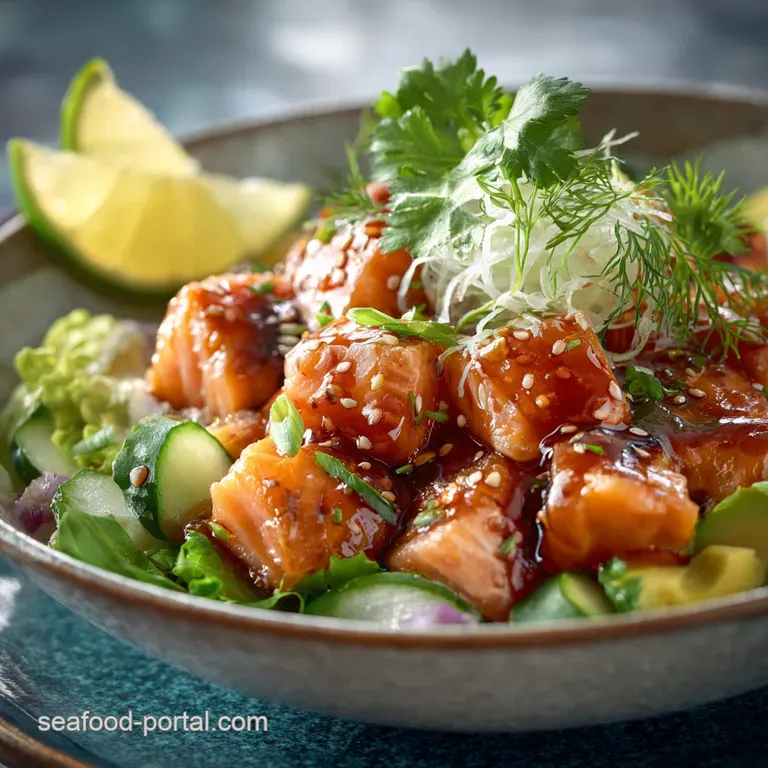
- Mastering the Salmon Poke Bowl: An Essential Guide
- The Science of the Perfect Poke: Flavor and Texture Harmony
- Essential Ingredients for Your Ultimate Salmon Poke Bowl
- Step-by-Step Guide: Preparing Your Salmon Poke Bowl
- Elevating Your Poke Game: Chef’s Secrets and Troubleshooting
- Preparation, Storage, and Suggested Pairings
- Recipe FAQs
- 📝 Recipe Card
Mastering the Salmon Poke Bowl: An Essential Guide
That first bite of a great Salmon Poke Bowl hits different, doesn't it? You get the buttery, rich flavour of the fish, followed by a sharp zing of ginger and soy, all anchored by that perfect bed of sticky rice. It’s a texture explosion: creamy avocado meets crunchy cucumber and toasted sesame seeds.
This healthy salmon dinner truly feels like you’ve been transported somewhere sunny.
We all need quick salmon recipes that feel indulgent without the effort. This Hawaiian style Salmon Poke Bowl is my ultimate weeknight hero; honestly, it’s faster than ordering takeout and tastes infinitely fresher.
Seriously, minimal cooking means minimal cleanup, and that’s a win in my book every single time.
I made so many mistakes trying to perfect this dish mostly rushing the rice or over marinating the salmon. Now, I’m sharing every real world trick I learned so you can skip the fails and jump straight to the best part: eating.
Let’s crack on and talk about making the freshest, easiest Salmon Poke Bowl recipe you’ll ever try.
The Science of the Perfect Poke: Flavor and Texture Harmony
This recipe isn't complicated, but nailing the perfect balance involves respecting a few simple food science principles. It’s all about contrast, temperature, and timing. We are balancing the five key elements: fat, acid, sweet, salt, and crunch.
What is Poke? The Tradition Behind the Trend
Poke (pronounced poh-kay ) is a traditional Hawaiian dish, originally meaning "to slice or cut." It was historically simple, seasoned chunks of raw fish caught by fishermen, seasoned with sea salt and seaweed.
The modern poke bowl we know today evolved through Japanese influences (hello, soy sauce and rice!). It’s fundamentally about showcasing the natural quality and freshness of the fish.
Why Quality Salmon is Non-Negotiable for Poke
Because we are consuming the salmon raw, quality isn't just about flavour; it's about safety. You must source truly sushi grade or sashimi grade salmon. The high fat content of quality salmon means it holds up beautifully when cubed, delivering that glorious, rich mouthfeel we crave. If you can’t find the right quality fish, please don't risk it try my recipe for Baked Teriyaki Salmon Recipe Easy: Sticky, Savoury Weeknight Hero instead.
Flavor Profile Breakdown: Umami, Sweetness, and Crunch
The perfection of this dish comes from layering complementary flavours and textures. Umami is delivered by the soy sauce and seaweed (if you add nori). Sweetness comes from the tiny bit of sugar in the rice seasoning and the dressing.
Crunch is provided by fresh cucumber and those crucial crispy fried shallots, which break up the softness of the rice and salmon.
Achieving Optimal Salmon Marinade Depth
This is where I messed up early on. I thought longer was better, soaking the salmon for hours. Wrong. The acid in the ginger and the salt in the soy sauce start a process called denaturing .
If you marinate for too long (over 45 minutes), the salmon will look cooked on the edges, turning opaque and slightly tough. We only need 25– 40 minutes to infuse that flavour deep inside.
The Importance of Sticky Rice Texture (Koshihikari vs. Calrose)
The rice is the canvas for the poke. We need short grain sushi rice because it contains the right kind of starch (amylopectin) to clump together beautifully. Whether you use Koshihikari or Calrose, the process of rinsing off the excess starch before cooking is absolutely critical for that satisfying stickiness.
Don't skip the rinsing, trust me.
Balancing the Ginger Soy Dressing for Max Flavor
Our dressing base is soy sauce, sesame oil, and fresh aromatics (ginger and garlic). Too much soy makes it too salty; too much sesame oil makes it greasy. We use just enough toasted sesame oil for that signature nutty aroma without overpowering the fresh salmon.
A hint of sriracha adds a necessary kick without needing a complex second sauce.
Essential Ingredients for Your Ultimate Salmon Poke Bowl
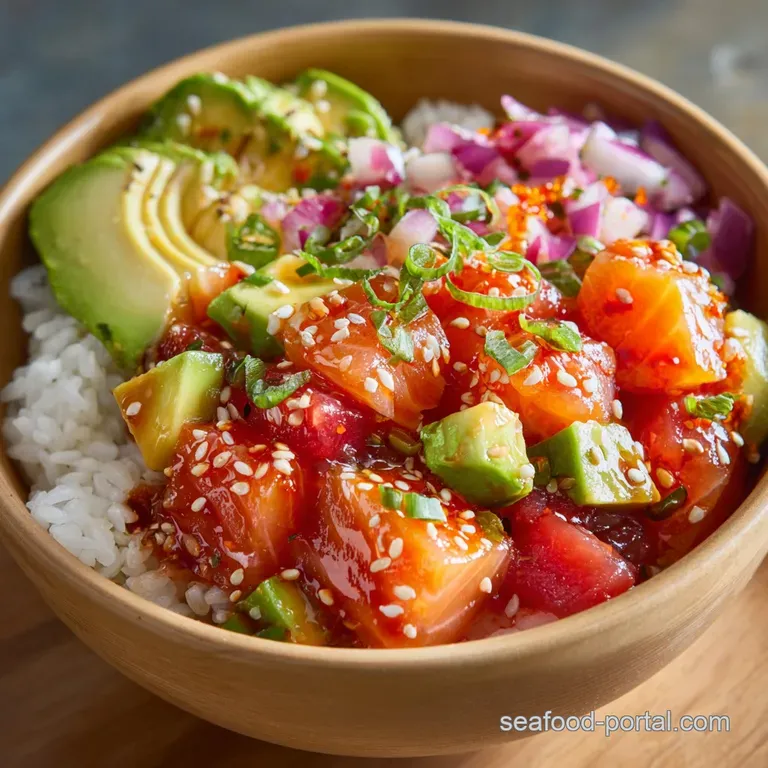
This Salmon Poke Bowl recipe is wonderfully flexible once you have the foundation sorted. Here’s what you need, along with my favorite swaps.
Selecting Sushi Grade Salmon: Safety and Preparation
Always buy fresh, vibrant coloured salmon and verify with your fishmonger that it has been previously flash frozen according to FDA guidelines for raw consumption. If they look at you funny, walk away. You can also make a fantastic raw bowl using the recipe from my Tuna Poke Bowl Recipe: Fresh, Fast, and Easy Ahi Poke at Home if you prefer Ahi.
Building the Base: Rice, Seaweed, and Crunch Components
The base gives structure and bulk.
- Sushi Rice: Essential for tradition and texture.
- Edamame: Adds a nice pop of green and vegetable protein.
- Cucumber: Provides essential watery freshness and crunch.
- Toasted Sesame Seeds/Shallots: These are non-negotiable for textural contrast.
Flavor Boosters: Crafting the Homemade Ginger Soy Dressing
This simple marinade is what transforms plain fish into Hawaiian gold. Use low-sodium soy sauce to control the overall saltiness of the dish. Freshly grated ginger (using a microplane) releases maximum flavour compared to pre-minced jars.
Ingredient Swaps and Dietary Adjustments
| Ingredient | Viable Substitution | Why it works |
|---|---|---|
| Sushi Grade Salmon | High Grade Ahi Tuna | Similar texture and high fat content, suitable for raw preparation. |
| Sushi Rice | Quinoa or Brown Rice | Offers a whole grain, fibre rich base for a different texture. |
| Soy Sauce | Tamari or Coconut Aminos | Tamari is naturally gluten-free; Aminos are lower in sodium/paleo friendly. |
| Edamame | Diced Mango or Pineapple | Adds a burst of tropical sweetness and colour. |
| Sriracha | Gochujang Paste | Provides a deeper, fermented chilli flavour instead of bright heat. |
step-by-step Guide: Preparing Your Salmon Poke Bowl
Follow these phases precisely. Timing is everything, especially with raw fish.
Phase 1: Perfecting the Sticky Rice Foundation
- Rinse the Rice: Place the measured sushi rice in a fine mesh sieve and rinse under cold water. Keep going until the water running through is totally clear, which means you’ve removed the excess starch.
- Cook the Rice: Combine the rinsed rice and cold water in your saucepan or rice cooker. Bring the pot to a rapid boil, immediately reduce the heat to the lowest setting, cover tightly, and simmer for 15 minutes— do not lift that lid.
- Rest and Season: Remove the pan from the heat and let it steam, still covered, for 10 minutes. While it rests, whisk the rice vinegar, sugar, and salt together until the sugar dissolves completely. Transfer the rice to a wide, shallow bowl and gently slice the seasoning mix into the hot rice with a spatula. We want the rice cool, not warm, for assembly.
Phase 2: Cubing and Marinating the Salmon
- Prep the Salmon: Make sure your salmon is super cold; it makes cutting easier. Use a very sharp chef's knife to cut the salmon into uniform 1.5 cm cubes. Uniform size is crucial for consistent marinade absorption and a better mouthfeel.
- Mix the Marinade: In a non-reactive bowl (glass or ceramic is best), whisk together the soy sauce, sesame oil, grated ginger, minced garlic, and sriracha.
- Combine and Chill: Add the salmon cubes, gently folding them into the marinade until they are fully coated. Cover the bowl and refrigerate immediately. Set a timer! You want a minimum of 25 minutes, but never more than 45 minutes of chilling time.
Chef’s Note: Never use a metal bowl for marinading poke. The acidity can react with the metal, sometimes causing an off-flavour. Stick to glass or ceramic.
Phase 3: Preparing the Toppings and Dressing Assembly
- Chop & Prep: Dice the avocado, slice the cucumber, and prepare your edamame and spring onions.
- Garnish Prep: Quickly toast your sesame seeds in a dry pan until they smell nutty, about two minutes. Having all your elements prepped and ready makes assembly simple and fast.
The Final Layering: Assembling the Perfect Bowl
- Base Layer: Scoop the cooled sticky rice into the bottom of your wide serving bowls.
- Centrepiece: Carefully transfer the marinated salmon, including the remaining dressing/sauce, to the centre of the rice.
- Presentation: Arrange the colourful toppings (avocado, edamame, cucumber) neatly around the marinated salmon. This presentation style makes it look professional and keeps the textures distinct.
- Finish: Drizzle any remaining sauce over the toppings and rice. Finish with a generous sprinkle of toasted sesame seeds and those crispy fried shallots. Serve immediately! This is peak freshness.
Elevating Your Poke Game: Chef’s Secrets and Troubleshooting
I’ve ruined expensive salmon before, so learn from my pain! These tips ensure your quick salmon recipe turns out perfectly every single time.
Common Mistakes When Handling Raw Salmon
The number one mistake is buying questionable fish. If your fishmonger can't confirm the salmon is sushi grade (meaning it has been appropriately frozen to kill parasites), do not eat it raw. Another common failure is temperature: warm rice melts the fish, creating a mushy texture.
Ensure your rice is fully cooled before assembly.
Cutting Techniques: Achieving Uniform Poke Cubes
Always use a razor sharp knife. Chill the salmon for 10 minutes right before cutting; this firming action allows for cleaner, quicker slices. Cut the salmon against the grain (the white lines you see running through the fish) into those uniform 1.5 cm cubes.
This method ensures maximum tenderness.
Achieving the Ideal Rice-to-Salmon Ratio
You want the rice base to be substantial enough to soak up the glorious poke bowl sauce and support the ingredients, but not so much that the salmon is overwhelmed. Aim for roughly 60% rice to 40% toppings/protein by volume. It's a Salmon Poke Bowl, after all the fish should shine.
Preparation, Storage, and Suggested Pairings
Best Practices for Storing Leftover Poke
Salmon poke is genuinely best eaten immediately. If you have leftovers, store the marinated salmon separately from the rice and toppings in the fridge. The salmon will only last about 24 hours (if it was impeccably fresh to start). The rice can be kept for up to 3 days.
Can You Freeze Salmon Poke? (Safety First)
No. Do not, under any circumstances, freeze an assembled salmon poke bowl or even just the marinated raw salmon cubes. Freezing and thawing raw fish that has already been sliced and marinated will completely ruin the texture, making it mushy and potentially compromising safety. If you accidentally made too much, make a small grilled batch the next day, maybe using my Blackened Salmon Recipe: Flawlessly Crusted in a Cast Iron Skillet technique.
Ideal Beverages and Side Dishes for a Hawaiian Feast
A light, crisp Japanese lager (like Sapporo) is the perfect counterpoint to the rich, fatty salmon. If you prefer wine, a dry, slightly acidic white like Albariño or Sauvignon Blanc cuts through the richness beautifully.
For a side, serve a simple, refreshing cucumber and sesame salad, perhaps dressed with a little extra rice vinegar and sugar.
Recipe FAQs
How do I ensure the salmon is safe to eat raw?
It is crucial to use only "sushi grade" or "sashimi grade" salmon, which means the fish has been professionally handled and flash frozen to destroy potential parasites. Always purchase your salmon from a reputable fishmonger and explicitly confirm its suitability for raw consumption.
Standard fresh grocery store salmon is generally not safe for poke preparation.
My sticky rice turned out mushy. What did I do wrong?
The most common culprit for mushy rice is insufficient rinsing or using too much water. You must rinse the short grain rice repeatedly under cool water until the water runs completely clear to remove excess surface starch.
Additionally, ensure you are using the precise absorption method ratio, which is typically 1:1 rice to water by volume for Japanese sticky rice.
How long should I marinate the salmon for optimal flavour and texture?
Marination should be brief, aiming for 15 to 30 minutes maximum. The goal is to lightly coat and flavour the salmon, not to "cook" it. If left too long, the acidity from the citrus or the salt content from the soy sauce will begin to cure the fish, resulting in a firmer, opaque texture that loses its fresh quality.
Can I store leftover Salmon Poke, and for how long?
Poke is best consumed immediately upon preparation; however, leftovers can be safely refrigerated for up to 24 hours. Be aware that the dressing will cause the rice to become soggy, and the freshness of the salmon will rapidly diminish.
For the best quality, store the marinated salmon and the cooked rice/toppings separately, combining them just before serving.
If I don't want to use raw salmon, what protein variations work well?
The recipe is easily adapted using other high-quality seafood, such as Ahi Tuna (the classic poke protein), Hamachi (Yellowtail), or cooked octopus. For non-seafood options, try firm, pressed tofu or finely diced, roasted beets, both of which absorb the ginger soy dressing excellently.
My ginger soy dressing tastes too salty. How can I balance the flavour?
Excessive saltiness, usually from the soy sauce, can be balanced by introducing sweetness or further acidity. Stir in a teaspoon of honey, maple syrup, or a dash of brown sugar to temper the saltiness. Alternatively, adding a fresh squeeze of lime or lemon juice will brighten the overall flavour profile.
What are essential toppings for maximum textural crunch in the bowl?
Textural contrast is key to a great poke bowl, so ensure you include toppings that offer a satisfying crunch. Recommended additions include toasted sesame seeds, finely sliced cucumber, chopped macadamia nuts, or crispy fried shallots.
For a peppery bite, thinly sliced radishes or spring onions are also excellent choices.
Easy Salmon Poke Bowl Recipe
Ingredients:
Instructions:
Nutrition Facts:
| Calories | 439 kcal |
|---|---|
| Protein | 24.6 g |
| Fat | 10.3 g |
| Carbs | 45.2 g |
