Easy Poached Cod with Lemon and Wine Broth
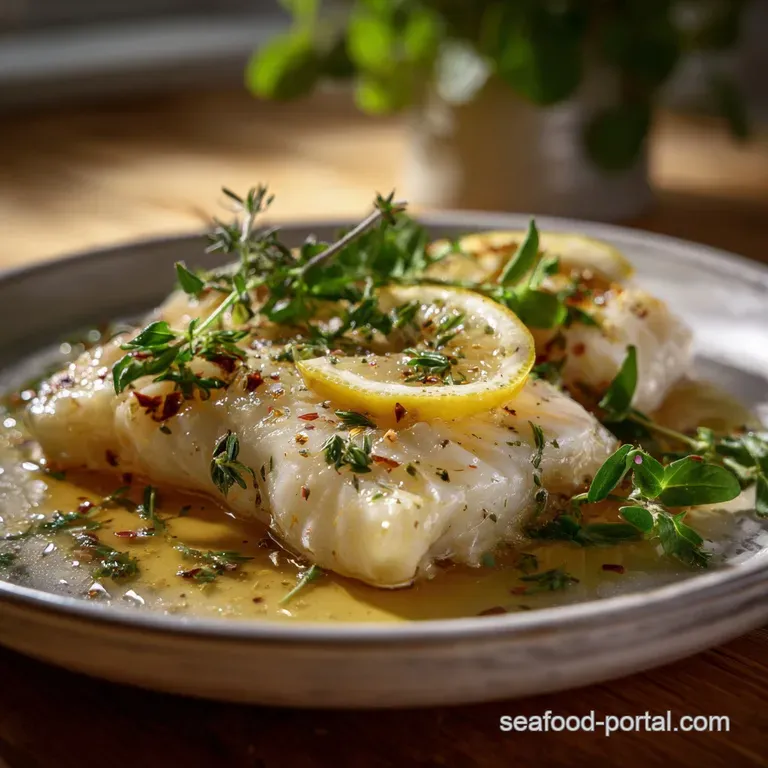
- Effort/Time: 25 minutes total with minimal active monitoring.
- Flavor Hook: A bright, citrus-forward broth infused with aromatic garlic and sharp white wine.
- Perfect for: High-protein weeknight meals or impressive, healthy dinner parties.
- Easy Poached Cod with Lemon and Herbs: The Masterclass
- Why This Easy Poached Cod with Lemon and Herbs Works
- Essential Ingredients and Easy Substitutions
- Step-by-Step Instructions for Easy Poached Cod with Lemon and White Wine
- Pro Tips and Common Mistakes to Avoid
- Storage and Freezing: Maintaining Freshness
- Serving Suggestions for Easy Poached Cod with Lemon and Vegetables
- Recipe FAQs
- 📝 Recipe Card
Easy Poached Cod with Lemon and Herbs: The Masterclass
Why This Easy Poached Cod with Lemon and Works
Listen, we’ve all been there staring at a piece of fish that turned into a dry, rubbery eraser because the pan was too hot. It’s frustrating. I used to think "poaching" was some fancy French technique reserved for culinary school, but after ruining my third expensive fillet, I realized it's actually the safest way to cook seafood.
The secret to this Easy Poached Cod with Lemon and recipe is the low-temperature environment. By gently simmering the fish in a liquid bath, you eliminate the harsh, direct heat that causes protein fibers to seize up.
You’re left with a velvety texture that practically melts the moment it hits your tongue.
We’re using a combination of Swanson Low-Sodium Vegetable Stock and a crisp dry white wine to create a flavorful "court bouillon." This isn't just boiling fish; it's a scientific method of flavor osmosis. Let's get into the mechanics of why this works so you can nail it every single time.
Why This Easy Poached Cod with Lemon and Herbs Works
The Science of Low-Temperature Poaching
Poaching keeps the cooking environment below 180°F, which is critical for lean fish like cod.
- Protein Denaturation Control: Gentle heat prevents the rapid coiling of myosin proteins, ensuring the fish stays tender rather than tough.
- Moisture Retention: The liquid environment prevents the evaporation of internal juices, keeping the 6 oz cod fillets plump and moist.
- Albumin Management: Slow cooking minimizes the "white gunk" (albumin) that often squeezes out of fish when subjected to over high heat shocks.
Exploring Mediterranean Flavor Profiles
The combination of lemon zest, garlic, and shallots provides a foundational aromatic base typical of coastal cooking. These aromatics aren't just for smell; they chemically alter the poaching liquid to enhance the natural sweetness of the cod.
- Acidity Balance: The citric acid in the lemon juice cuts through the natural oils of the fish, brightening the overall palate.
- Aromatic Infusion: Garlic and shallots release sulfur based compounds into the stock, creating a savory depth that water alone cannot provide.
How Gentle Cooking Preserves Fish Texture
Cod is notoriously delicate and prone to "shattering" if handled roughly or overcooked. In this Easy Poached Cod with Lemon and method, the liquid supports the structure of the fillet.
- Physical Buoyancy: The poaching liquid provides a cushion, preventing the fish from sticking or breaking under its own weight.
- Uniform Heat Transfer: Liquid conducts heat more evenly than air or a flat pan, ensuring the center of the 4 skinless cod fillets cooks at the same rate as the exterior.
The Science Behind 2 cups low-sodium vegetable stock
- What It Does
- Acts as the primary heat transfer medium and flavor base for the poaching liquid.
- The Chemistry
- Through the process of osmosis, the stock exchanges flavor molecules with the fish while the solutes prevent the cod from leaching its own juices into the water.
- Why This Matters
- Using a flavored stock instead of plain water ensures the fish is seasoned from the inside out, resulting in a savory, well rounded bite.
The Science Behind 1 large lemon
- What It Does
- Provides both citric acid from the juice and essential oils from the 0.5 tsp lemon zest.
- The Chemistry
- The acid acts as a mild denaturant, slightly "pre-cooking" the surface proteins and tightening the exterior to prevent the flakes from falling apart.
- Why This Matters
- It provides the essential "bright" note that balances the earthy tones of the 2 bay leaves and 1 tsp whole black peppercorns.
The Science Behind 1 tbsp unsalted butter
- What It Does
- Enriches the final poaching liquid to create a light, silken sauce.
- The Chemistry
- Emulsification occurs when the fat from the Kerrygold Unsalted Butter bonds with the water based stock, creating a velvety mouthfeel.
- Why This Matters
- It adds a necessary fat component to the lean cod, carrying the flavors of the fresh herbs across the palate.
Essential Ingredients and Easy Substitutions
| Original Ingredient | Substitute | Why It Works |
|---|---|---|
| 0.5 cup dry white wine | Extra stock + 1 tsp vinegar | Maintains acidity and volume without the alcohol content. |
| 1 small shallot | 2 tbsp minced red onion | Provides a similar sharp, aromatic bite and sulfurous depth. |
| 1 tsp whole black peppercorns | 0.5 tsp ground pepper | Offers the same heat but distributes more intensely through the liquid. |
| 4 skinless cod fillets | Halibut or Haddock | Similar lean, flaky white fish profiles with high protein density. |
Choosing the Best Cod Fillets: Fresh vs. Frozen
For this Easy Poached Cod with Lemon and preparation, the quality of your fish is paramount. If using frozen fillets, ensure they are fully thawed in the refrigerator overnight; poaching partially frozen fish results in uneven cooking and a "mushy" center.
Look for "day-boat" cod if possible, which is typically fresher and has a firmer cell structure.
Building an Aromatic Poaching Liquid
Don't rush the simmer. By allowing the Swanson Low-Sodium Vegetable Stock, 0.5 cup dry white wine, garlic, and shallots to mingle for a few minutes before adding the fish, you create a complex "flavor bath." This ensures the aromatics are fully extracted and ready to penetrate the fish.
Creative Substitutes for Seasonings and Aromatics
If you don't have fresh dill or parsley, you can use a smaller amount of dried herbs, though the sensory experience will change from "bright and grassy" to "earthy." If you're out of Diamond Crystal Fine Sea Salt, use kosher salt, but increase the amount slightly as sea salt is often more dense.
step-by-step Instructions for Easy Poached Cod with Lemon and White Wine
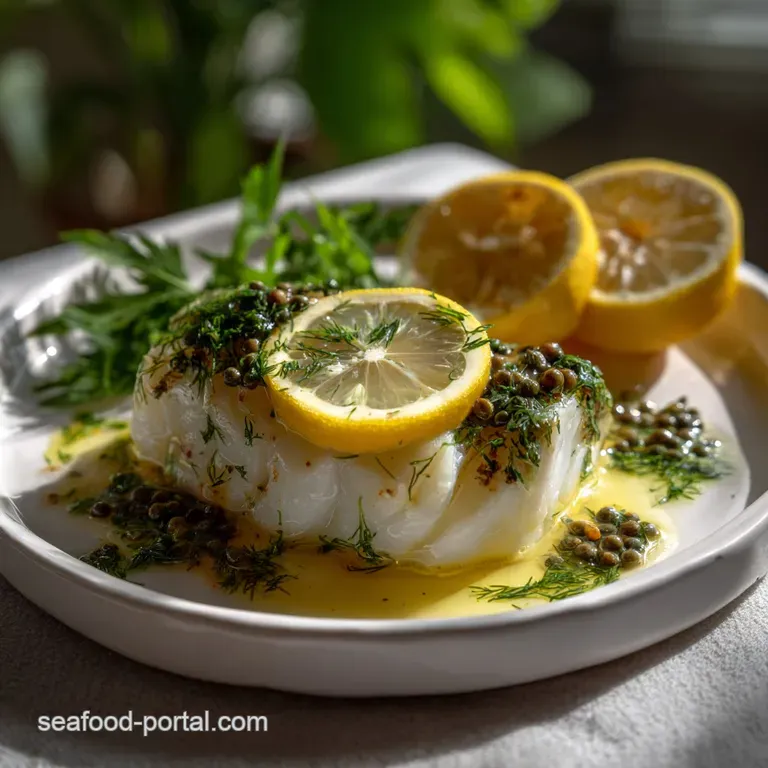
- Combine aromatics in a Lodge 12 inch Skillet.Note: Creating a wide surface area allows the poaching liquid to heat evenly and provides space for the 4 skinless cod fillets without crowding.
- Pour in 2 cups low-sodium vegetable stock and 0.5 cup dry white wine.Note: The alcohol in the wine helps dissolve flavor compounds that are not water soluble, enhancing the overall aroma.
- Add smashed garlic, sliced shallot, peppercorns, and bay leaves.Note: Crushing the garlic cloves breaks cell walls, releasing allicin for maximum flavor extraction into the broth.
- Bring the liquid to a gentle simmer over medium heat.Note: A "shimmering" liquid (approx. 170°F) is ideal; boiling will cause the fish proteins to toughen and the fillets to break.
- Slide the 4 skinless cod fillets into the liquid.Note: Ensure the liquid comes at least halfway up the sides of the fish to facilitate even heat conduction.
- Cover the pan and cook for 8 to 10 minutes. Note: Trapping the steam creates a convection effect, cooking the top of the fish while the bottom poaches.
- Check for "flakiness" using a fork.Note: The fish is ready when the internal temperature hits 145°F and the meat transitions from translucent to opaque.
- Transfer fish to a plate and whisk 1 tbsp unsalted butter into the remaining liquid.Note: This creates a quick emulsion, turning the poaching broth into a velvety finishing sauce.
- Garnish with 0.25 cup fresh herbs and 0.5 tsp lemon zest.Note: Adding herbs at the very end preserves their volatile oils and vibrant green color.
Chef's Note: If you want to take the flavor even further, try serving this alongside my Easy Homemade Spicy Garlic Hummus: Creamier Than store-bought for a Mediterranean style feast.
Pro Tips and Common Mistakes to Avoid
| Problem | Why It Happens | The Fix | Pro Protocol |
|---|---|---|---|
| Fish is rubbery | The poaching liquid was boiling rather than simmering. | Keep heat at "medium low" once fish is added. | Use a ThermoPro Digital Thermometer to keep liquid at 170°F. |
| Fish falls apart | Overcooking or rough handling with a spatula. | Use a slotted fish spatula and pull at 140°F internal temp. | Carry over cooking will finish the fish on the plate. |
| Liquid is bland | Aromatics didn't steep long enough before fish was added. | Simmer stock and wine with garlic/herbs for 5 mins first. | Double the garlic and shallots for a more aggressive flavor. |
Common Myths
Myth: You must completely submerge the fish in liquid. Truth: Shallow poaching (liquid halfway up the fish) is actually better for delicate fillets as it prevents the fish from becoming waterlogged while the steam finishes the top.
Myth: Poached fish is "tasteless" compared to fried fish. Truth: While it lacks the Maillard reaction (browning), poaching infuses the meat with the specific flavors of the broth, resulting in a cleaner, more sophisticated palate. If you do crave that crunch, you might prefer my guide on How to Make Fried Cod Fillets: The Crispy Secret.
Storage and Freezing: Maintaining Freshness
Refrigeration Best Practices for Poached Fish Yes, Easy Poached Cod with Lemon and herbs stores well for up to 2 days in the fridge. Store the fillets in a shallow airtight container, pouring a little of the leftover poaching liquid over them to prevent the flesh from drying out.
Freezing and Reheating Without Losing Moisture I don't generally recommend freezing poached fish as the delicate cell walls of the cod can rupture, leading to a "mushy" texture upon thawing. However, if you must, freeze the fillets in a vacuum sealed bag with the liquid.
To reheat, simmer gently in a pan with a splash of stock never microwave, as it will turn the fish into rubber in seconds.
Serving Suggestions for Easy Poached Cod with Lemon and Vegetables
Managing Liquid Temperature for Tenderness
The key to the success of this Easy Poached Cod with Lemon and dish is consistency. If the liquid gets too cold, the fish won't cook; too hot, and it toughens. Keep your eyes on the bubbles you want "lazy" bubbles that occasionally break the surface, not a rolling boil.
Best Side Dish Pairings: Grains and Seasonal Greens
This dish is incredibly light, so I love serving it over a bed of quinoa or couscous that can soak up the extra lemon butter sauce. For a classic pairing, a side of roasted asparagus or a bright arugula salad works wonders. If you're looking for a heavier sauce option, my Tartar Sauce Recipe: Easy Homemade Sauce for Fried Fish provides a creamy contrast to the lean poached meat.
Enhancing the Plate with Fresh Gremolata or Herb Oils
To truly master this Easy Poached Cod with Lemon and recipe, focus on the finish. A quick gremolata made of the 0.5 tsp lemon zest, chopped parsley, and a bit of raw minced garlic adds a "pop" of freshness that cuts through the buttery sauce.
Alternatively, a drizzle of high-quality extra virgin olive oil just before serving adds a fruity dimension that complements the 0.5 cup dry white wine.
Whether you're looking for Healthy Dinner Options or just want to expand your Poached Fish Recipes repertoire, this method is a foolproof way to enjoy the Healthiest Seafood without the stress of the frying pan. Let's crack on and get cooking!

Recipe FAQs
What is the ideal internal temperature for perfectly cooked cod?
145°F (63°C) is the USDA standard. Poaching ensures gentle heating, minimizing moisture loss compared to high heat methods like searing. Undercooking leaves gelatinous spots; overcooking yields dry, stringy texture.
Can I use frozen cod fillets instead of fresh?
Yes, thaw them completely first. Adding frozen fish directly shocks the liquid temperature and causes uneven cooking; the exterior will overcook before the center reaches safety. Thaw slowly in the refrigerator overnight for best results.
What wine works best for the poaching liquid?
Dry white wine, like Sauvignon Blanc, is superior. The acidity brightens the broth and tenderizes the fish proteins gently during simmering. Avoid sweet dessert wines which can create an overly syrupy, unbalanced poaching medium.
Is poaching healthier than pan-searing the cod?
Poaching generally uses less added fat. Pan-searing requires oil or butter to achieve crispness, increasing the caloric density of the final dish. If you prefer high heat fish cooking, consider learning the technique in our Pan Seared Salmon: Ultra Crispy Skin Lemon Butter Sauce Recipe for comparison.
Why did my cod break apart into too many tiny shreds?
The poaching temperature exceeded gentle simmer range. The structural integrity of the muscle fibers fails rapidly when the temperature climbs past 180°F, causing them to separate aggressively. This is common when poaching in aggressively boiling liquid.
- Maintain water temperature just below boiling
- Do not stir the fish once submerged
- Use thicker, center cut fillets
Can I substitute cod with another white fish?
Halibut or tilapia are excellent, viable substitutes. Tilapia is a leaner fish, meaning it cooks slightly faster and requires closer monitoring to prevent toughness; review our guide on Tilapia with Lemon Caper Sauce: Restaurant Quality in 25 Minutes for timing adjustments.
Myth: You must use only water for the poaching base.
Myth: You must use only water for the poaching base. Reality: Combining water with wine, fish stock, or even strong herbal tea adds essential depth. The complex flavors diffuse into the delicate fish structure, enhancing the final taste profile.
Easy Poached Cod With Lemon
Ingredients:
Instructions:
Nutrition Facts:
| Calories | 182 kcal |
|---|---|
| Protein | 31.2 g |
| Fat | 4.1 g |
| Carbs | 2.4 g |
| Fiber | 0.4 g |
| Sugar | 0.8 g |
| Sodium | 495 mg |
