Baked Tilapia: Easy Lemon Herb Fillets Cooked at 400F
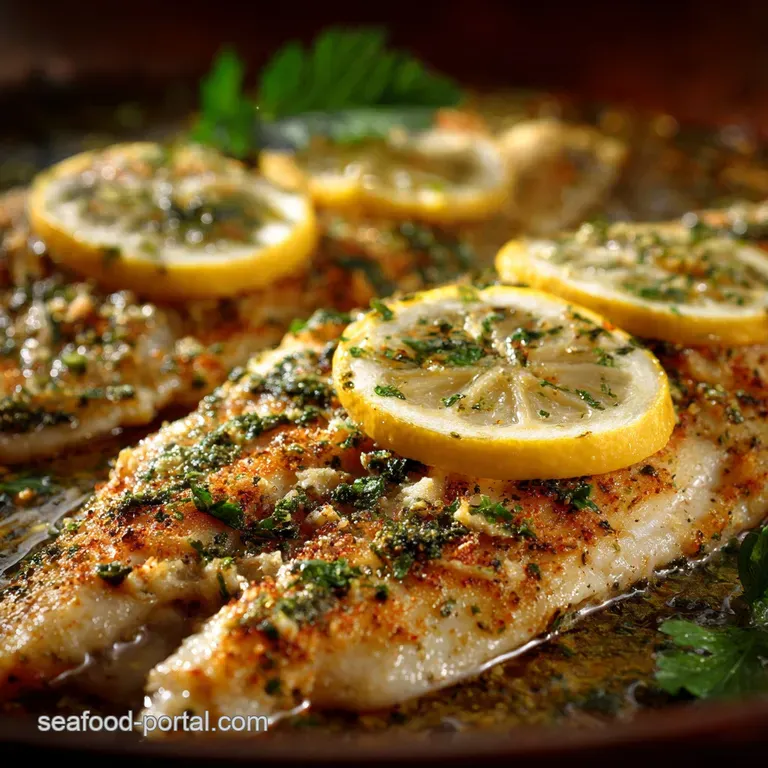
- The Ultimate Guide to Perfectly Flaky Baked Tilapia
- The Science of Speed: Why High Heat Prevents Dry Fish
- Preparing Your Fillets: Ingredients for Sun-Kissed Baked Tilapia
- Step-by-Step Method: How to Make Easy Baked Tilapia
- Troubleshooting Your Baked Tilapia: Tips to Avoid Common Errors
- Storing Leftovers: Keeping Baked Tilapia Fresh
- Perfect Pairings: What to Serve Alongside Baked Tilapia
- Recipe FAQs
- 📝 Recipe Card
The Ultimate Guide to Perfectly Flaky Baked Tilapia
That gorgeous sizzle and the incredible, sharp scent when lemon and garlic hit high heat? It is pure, unadulterated kitchen magic. When you slide this simple [Baked Tilapia] from the oven, the steam cloud alone promises dinner happiness.
The high temperature makes the seasoning mixture caramelize slightly, yet the delicate inside stays unbelievably tender and flaky.
Honestly, this [Healthy Baked Tilapia Recipes] approach is my ultimate weeknight cheat code. It requires minimal effort, takes less than 30 minutes from start to plate, and uses super affordable ingredients, which is fantastic when the grocery budget is screaming.
I rely on speedy dinners like this when I am too tired to think but still want something genuinely flavorful and light.
Forget everything you heard about bland, dry, or sad fish; we are using high heat and a buttery lemon herb crust to absolutely lock in the moisture and create incredible flavor. Are you ready to make the best [Simple Baked Tilapia] you have ever had? Let's crack on with the good stuff.
The Science of Speed: Why High Heat Prevents Dry Fish
Why Tilapia is the Underrated Midweek Marvel
Tilapia often gets a bad rap, mostly because people overcook it or forget that it needs robust flavor partners. This fish is lean, white, and takes on whatever seasoning you throw at it beautifully.
Because it is naturally thin and quick cooking, it’s a total winner for busy evenings think of it as a blank canvas waiting for punchy Mediterranean flavors.
Setting Up for Speed: Prep Time vs. Cook Time Breakdown
We are cooking this [Baked Tilapia At 400] degrees F (200°C), which is crucial for speed and texture. The goal is to cook the fillets quickly enough that they are done before the natural moisture evaporates.
Since we are dealing with delicate fish, we need the active prep time (about 10 minutes) to be thorough, ensuring the oven does the heavy lifting in about 12 to 15 minutes. This is hands off cooking at its finest.
Essential Kitchen Tools for Baking Tilapia
You don't need fancy gear here, which is why I love [Tilapia Dinner Ideas] so much. The non-negotiable item, however, is parchment paper; it ensures the fish absolutely won't stick and makes cleanup nonexistent.
An instant read thermometer is also brilliant because guessing leads to disaster you want precision, especially with thin fillets.
Maximizing Mediterranean Punch: Building the Lemon Garlic Crust
The "crust" here is a simple emulsified mix of melted butter, olive oil, minced garlic, and fresh zest. The fat acts as an insulator, basting the fish as it bakes and keeping it juicy.
The key tip here is that the high heat helps the lemon oils and garlic compounds release their aroma super quickly, penetrating the fish deeply. It’s just smarter seasoning.
Understanding Internal Temperature for Ideal Flakiness
Lean fish like tilapia must hit 145°F (63°C) internally to be considered safely cooked. The texture shifts from translucent to opaque, and you can see the flakes separating easily.
Trust me, pulling it out right at 145°F guarantees that tender, fall apart result one degree higher, and you start walking into rubber territory.
Preparing Your Fillets: Ingredients for Sun-Kissed Baked Tilapia
This recipe is built on fresh, bright flavors that make the lean fish sing. I always urge using fresh zest and garlic here, as dried simply won't have the necessary punch.
| Ingredient | Role | Quick Swap/Substitute |
|---|---|---|
| Tilapia Fillets | Main protein | Cod, Haddock, or even the thicker fillets in my Parmesan Herb Baked Mahi Mahi Ultra Crispy Ready in 30 Mins recipe. |
| Melted Unsalted Butter | Moisture, flavor base | Use refined coconut oil or an extra 2 Tbsp of olive oil for dairy-free. |
| Fresh Lemon Juice & Zest | Zest and brightness | Lime or orange zest/juice, but be aware the flavor profile will change significantly. |
| Garlic (minced) | Aroma & flavor depth | 1 tsp garlic powder, but fresh is infinitely better. |
| Parsley (fresh) | Freshness and color | Fresh dill or chives work well, too. |
| Dried Oregano & Smoked Paprika | Earthiness and color | Use Italian seasoning blend or dried thyme. |
Choosing the Best Tilapia Fillets (Fresh vs. Frozen)
Most people buy frozen tilapia, and that is totally fine! The crucial step is making sure they are fully thawed and then very thoroughly dried before you season them. If you buy fresh, smell it; it should smell like clean seawater, not overwhelmingly fishy.
Enhancing the Zest: Lemon, Garlic, and Dried Herb Ratios
I am heavy handed with the garlic and zest here, and you should be too. Four cloves of garlic might seem excessive for four fillets, but it creates that savory, mouth watering aroma we are chasing.
The zest holds the concentrated citrus oils, so make sure you use a fine grater and only take the bright yellow part, avoiding the bitter white pith.
Quick Swaps: Alternative Citrus and Herb Combinations
If you want a totally different vibe, ditch the oregano and paprika and go straight Italian. Add capers and dried basil for a briny finish. Or, if you want something super bold, check out my approach in Mediterranean Tilapia Recipe: Healthy Sheet Pan Dinner Ready in 30 Minutes for ideas involving olives and tomatoes.
Salt Strategy: When and How Much to Season the Fish
Salt should go into the butter mixture before coating the fish. This ensures the salt is distributed evenly by the oil. Use sea salt, and use enough remember that the seasoning is only on the surface, so it has to carry the flavor for the whole fillet.
step-by-step Method: How to Make Easy Baked Tilapia
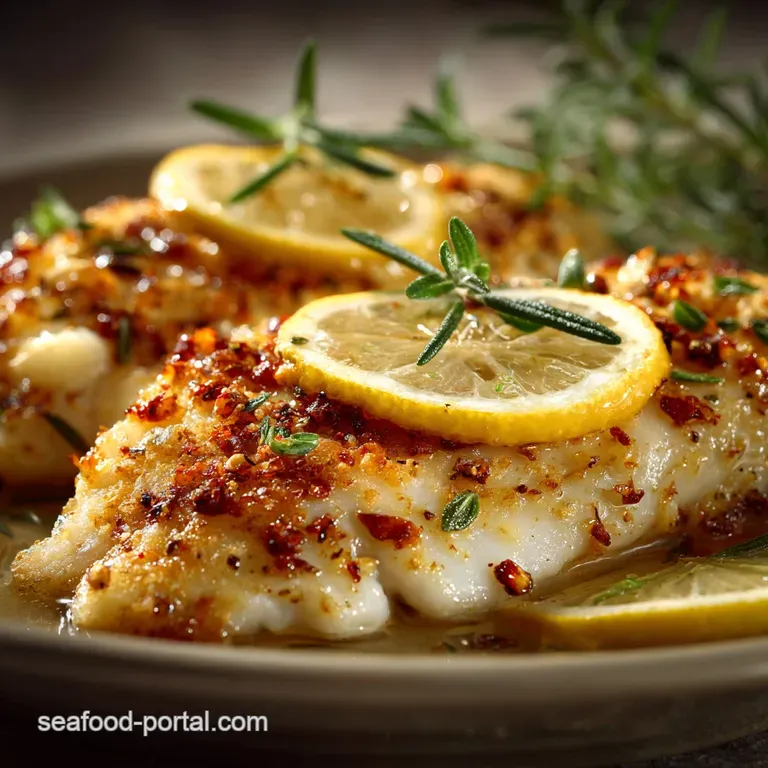
The Crucial Prep: Thawing, Patting Dry, and Seasoning
- Prep the Oven and Pan: Preheat your oven to 400°F (200°C). Line a baking sheet with parchment paper and lightly brush the paper with olive oil. This is the ultimate double shield against sticking.
- Dry the Fish: Pat those fillets dry! Use several paper towels and press firmly. This is the single most important step in achieving great texture and helping the seasoning stick.
- Mix the Dressing: In a small bowl, combine the melted butter, the remaining olive oil, lemon juice, zest, minced garlic, parsley, oregano, paprika, salt, and pepper. Whisk it well until it looks thick and slightly creamy.
Arranging and Roasting: High Heat Baking for Success
- Coat the Fillets: Place the dry fillets on the prepared baking sheet. Spoon the lemon garlic dressing generously over the top of each fillet, ensuring that the minced garlic and zest clumps stay adhered.
- Bake: Slide the tray into the preheated oven. Bake for 12 to 15 minutes. The baking time is entirely dependent on the thickness of your fillets, so start checking at 12 minutes.
- Check Doneness: The fish should be opaque and flake easily when nudged with a fork. Use your thermometer 145°F is the magic number.
The Final Flourish: Broiling for a Crisp Finish (Optional Step)
If you like a slightly crusty top and your dressing mixture isn't getting brown enough, you can quickly broil it. Move the rack to the upper third of the oven, switch to the broiler, and watch it like a hawk for 1 to 2 minutes until the garlic just starts to turn golden brown.
Do not walk away, or you will burn the garlic!
Chef's Note: If you notice your fillets vary greatly in thickness, you can fold the thinner tail ends underneath themselves. This creates a uniform thickness and ensures the whole fillet cooks evenly without the ends drying out.
Troubleshooting Your Baked Tilapia: Tips to Avoid Common Errors
The Dreaded Sticky Foil: Preventing Fish from Tearing
I once wasted a whole beautiful dinner because I skimped on the parchment paper and used foil directly. It stuck, it tore, and I cried a little. Always use parchment paper.
If you must use foil, brush it very heavily with oil or cooking spray, especially if you are dealing with very lean fish.
How to Know When Tilapia is Done (Visual Cues vs. Thermometer)
Visual cues are helpful opaque flesh, firm to the touch, and flaking easily. However, only a thermometer truly prevents overcooking. I recommend checking the thickest part of the largest fillet. If the internal temperature is 145° F, it's done. Remove it from the oven immediately.
Dealing with Thin Ends: Folding Fillets for Even Cooking
Tilapia fillets often taper significantly. If you have a fillet where the thickest part is 1.5 inches and the thinnest is half an inch, that half inch piece will be rubber before the rest is cooked. Fold the thinner end under itself to create uniform height; problem solved.
Storing Leftovers: Keeping Baked Tilapia Fresh
Refrigeration Guidelines for Cooked Tilapia
Baked tilapia is best eaten fresh, but leftovers are perfectly safe for 3 days in an airtight container in the fridge. Make sure the container is sealed tight, as the garlic and lemon aroma can be quite strong!
Can I Freeze Cooked Tilapia? (Best Practices)
Yes, you can freeze it, but be warned: the texture might suffer slightly, becoming a little softer upon thawing. Wrap individual portions tightly in plastic wrap, then place them inside a freezer safe bag, pressing out all the air. It will last up to 2 months.
Reheating Methods That Preserve Flakiness
Never, ever use the microwave. Microwaving fish makes it tough and chewy. The best way is to place the fillets on a baking sheet, sprinkle with a tiny bit of water or stock to add moisture, cover loosely with foil, and reheat in a 300°F (150°C) oven for about 10 minutes until heated through.
Perfect Pairings: What to Serve Alongside Baked Tilapia
Because this recipe is so vibrant and light, you want sides that complement the lemon and garlic without competing too aggressively.
- For a Carb Hit: A classic Herbed Rice Pilaf or simple Lemon and Thyme Roast Potatoes soak up the delicious pan juices beautifully.
- Green Veggies: Simple steamed asparagus or green beans tossed lightly with olive oil and extra black pepper are perfect.
- For Texture: If you really want a crisp element, a simple green salad with a sharp vinaigrette offers great contrast. If you're looking for other crisp options, you might love my method for Oven Fried Cod: Proper Crispy Oven Baked Fish Fillets , which uses panko breading.
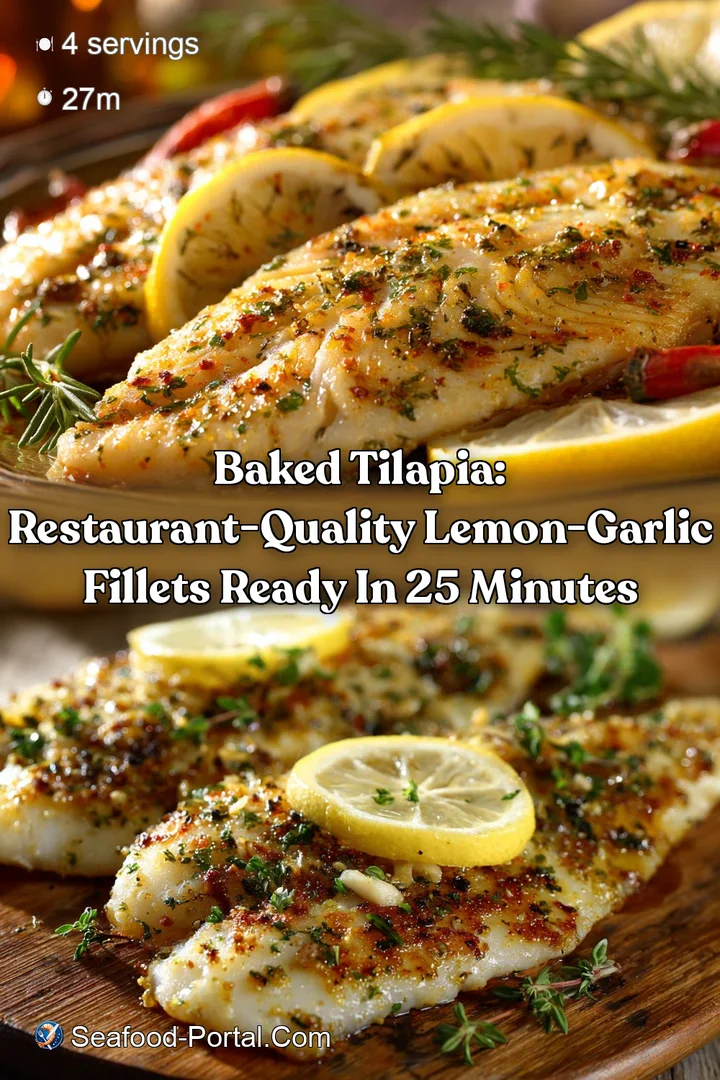
Recipe FAQs
Why did my baked tilapia turn out dry or rubbery?
Dry fish is almost always a sign of overcooking, which is common since tilapia is a very thin fillet. Ensure you remove the fish from the oven immediately when it reaches an internal temperature of 145°F (63°C), or when the flakes separate easily with a fork.
Using a liberal drizzle of olive oil before baking also helps create a moisture barrier and prevents the edges from seizing up.
How do I know when my tilapia is perfectly cooked?
The most accurate method is to check the internal temperature using an instant read thermometer, aiming for exactly 145°F (63°C) at the thickest part. Visually, the fish should be opaque and white throughout, and the flesh should separate easily into large, moist flakes when tested gently with a fork.
Overcooking by even a few minutes can quickly ruin the texture.
Can I use frozen tilapia fillets instead of fresh ones?
Yes, but it is highly recommended that you completely thaw the fillets first before beginning the recipe to ensure even cooking and best flavor absorption. If you must cook from frozen, increase the baking time by 50 100% and be sure to pat the fillets very dry before adding seasoning to prevent a steamed result.
What other types of fish can I substitute for tilapia in this recipe?
This lemon garlic recipe works beautifully with other lean, flaky white fish, such as cod, haddock, snapper, or flounder. If you substitute thicker fillets like cod, you will need to increase the total baking time by 5 to 10 minutes to ensure the internal temperature is met.
Monitor the temperature closely to prevent dryness.
Should I cover the fish with aluminum foil while it bakes?
It is generally best to bake the tilapia uncovered to allow the herbs to toast slightly and the lemon zest to develop a punchy aroma. If your oven tends to brown too quickly, or if you prefer a very moist, tender result, you may cover the fish lightly for the first half of the cooking time, removing the foil near the end to finish.
How long can I safely store leftover baked tilapia?
Leftover baked tilapia should be sealed in an airtight container and stored in the refrigerator, where it will keep safely for up to three days. When reheating, use a low temperature in the oven or air fryer to gently warm it, as microwaving often results in a rubbery texture.
How can I make this recipe spicier without changing the baking method?
To infuse subtle heat, whisk a half teaspoon of red pepper flakes into the olive oil and seasoning mixture before rubbing it onto the fillets. For bolder heat, serve the finished fish with a squeeze of sriracha or a small spoonful of your favorite chili crisp or hot sauce.
Easy Lemon Baked Tilapia Fillets
Ingredients:
Instructions:
Nutrition Facts:
| Calories | 378 kcal |
|---|---|
| Protein | 32.8 g |
| Fat | 17.0 g |
| Carbs | 8.1 g |
