Easy Authentic Japanese Shrimp Curry Recipe | Umami Masterpiece
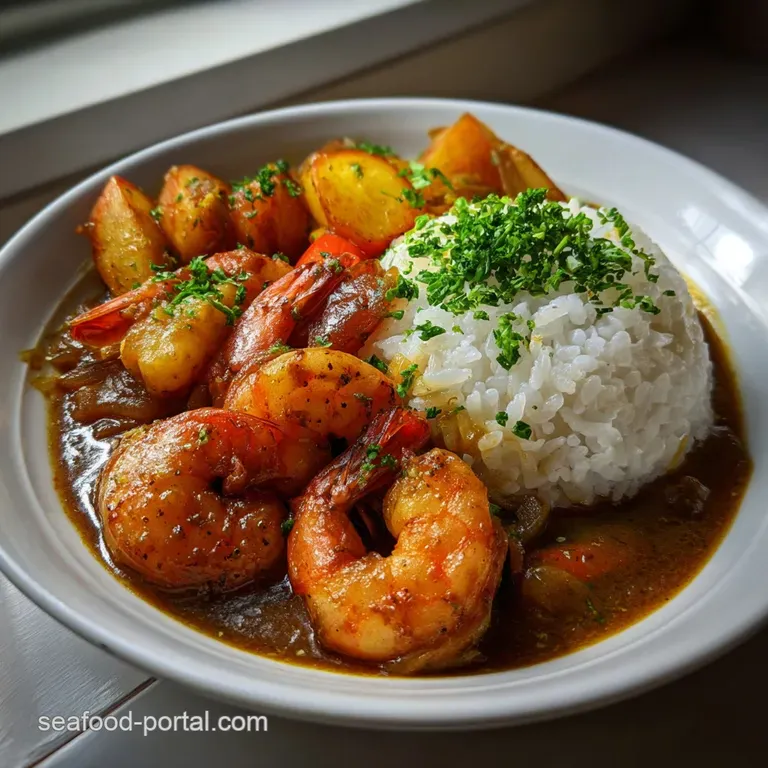
- Effort/Time: 40 minutes (Low-effort, high-reward)
- Flavor Hook: Deeply caramelized onions meet a snap-tender, oceanic finish.
- Perfect for: A weeknight-friendly, restaurant-quality seafood comfort meal.
- Master the Ultimate Easy Authentic Japanese Shrimp Curry Recipe
- Why This Recipe Works
- Precision Timing and Thermal Metrics for Seafood Curry
- The Alchemy of Umami: Selecting Your Elements
- Essential Culinary Tools for Temperature Control
- The Physics of Searing and Emulsification
- Avoiding Rubbery Protein and Broken Emulsions
- Flavor Architecture and Texture Modifications
- ⚗️ The Scaling Lab
- Moisture Retention and Structural Integrity Protocols
- Traditional Pairings and Modern Presentation
- Common Myths
- Recipe FAQs
- 📝 Recipe Card
Master the Ultimate Easy Authentic Japanese Shrimp Curry Recipe
I once spent forty dollars on wild caught prawns only to turn them into shriveled, rubbery knots because I crowded the pan. There is nothing more soul crushing than watching premium protein weep its juices into a gray puddle while your sauce remains a thin, watery mess.
That disaster taught me that heat management isn't just a suggestion; it’s the difference between a mediocre meal and a professional grade result.
We’ve all been there rushing the onions or dumping the shrimp in too early. I used to think the "secret" was some rare spice, but it’s actually the physics of moisture.
If you don't extract the water from the onions and properly gelatinize your starch, you end up with a gritty, bland soup rather than a luxurious curry. This Easy Authentic Japanese Shrimp Curry Recipe avoids that pitfall entirely.
The breakthrough for this Easy Authentic Japanese Shrimp Curry Recipe came when I stopped treating it like a stew and started treating it like a delicate emulsion. By using the Maillard reaction to build a mahogany base and adding the shrimp only at the final moment of residual heat, we achieve a velvety texture and a "pop" that shatters the expectations of home cooking.
Why This Recipe Works
- Maillard Driven Umami: Slow cooking the onions at 300°F (150°C) converts simple sugars into complex flavor compounds, providing the backbone for the Easy Authentic Japanese Shrimp Curry Recipe.
- Starch Gelatinization: The 1:1 ratio of butter to flour in the roux creates a stable lattice that traps liquid, ensuring the sauce doesn't "leak" or separate on the plate.
- Enzymatic Tenderization: Using honey (1 tsp) introduces subtle sugars that balance the acidity of the tomato paste while rounding out the sharp edges of the ginger and garlic.
- Thermal Momentum: Cooking the shrimp for only 3 minutes ensures they reach exactly 120°F (49°C) internally, preventing the protein fibers from tightening into a tough, dry texture.
Precision Timing and Thermal Metrics for Seafood Curry
- Prep time: 15 minutes
- Cook time: 25 minutes
- Total time: 40 minutes
- Servings: 4 servings
| Metric | Value | Technical Focus |
|---|---|---|
| Protein Weight | 1 lb (450g) | Large Shrimp (Peeled/Deveined) |
| Fat Ratio | 3 tbsp Butter / 2 tbsp Oil | Emulsification base |
| Caloric Density | 325 kcal | Per serving |
| Protein Target | 25.4 g | High density seafood protein |
The Alchemy of Umami: Selecting Your Elements
Selecting the right components for your Easy Authentic Japanese Shrimp Curry Recipe is about understanding chemical synergy. For instance, using S&B Oriental Curry Powder provides the specific turmeric-to-fenugreek ratio traditional to Japanese profiles.
- 1 lb (450g) Large Shrimp, peeled and deveined: Why this? Large shrimp (16/20 count) retain moisture longer than smaller varieties during carryover cooking.
- 1 large Yellow Onion (approx. 250g), thinly sliced: Why this? High sulfur content converts to intense sweetness when the cell walls collapse under heat.
- 1 tbsp (15g) Ginger, minced: This provides a sharp, aromatic counterpoint to the heavy fats in the roux. Similar to the aromatics in a Fresh Ginger Sauce recipe, it cuts through the richness.
- 2 cloves Garlic, minced: Use fresh cloves for the highest Allicin content; pre-minced jars lack the necessary pungency.
- 3 tbsp (42g) Unsalted Butter: Why this? Controlling salt levels allows you to add soy sauce without making the dish unpalatable.
- 3 tbsp (24g) All-purpose Flour: The primary thickening agent that creates the "roux" structure.
- 1.5 tbsp (9g) Japanese Curry Powder: A complex blend of up to 30 spices that provides the signature "warmth."
- 1 tbsp (15g) Tomato Paste: Why this? Concentrated glutamates provide a savory "fifth taste" that mimics long simmered beef stocks.
- 3 cups (710ml) Seafood Stock: Use a high-quality brand like Hain Celestial Seafood Stock for a clean, oceanic base.
- 1 tbsp (15ml) Soy Sauce: Adds liquid salt and depth.
- 1 tbsp (15ml) Ketchup: Provides vinegar for brightness and pectin for a glossy sheen.
- 1 tsp (5g) Honey: Balances the bitter notes of the spices.
- 0.5 tsp Salt: Use Diamond Crystal Kosher Salt for better control over seasoning.
- 0.25 tsp Black Pepper: Freshly cracked to preserve volatile oils.
Ingredient Chemistry Breakdown
| Ingredient | Chemical/Physical Role (Science) | The Pro Secret (Why This Matters) |
|---|---|---|
| Yellow Onion | Pyrolysis and caramelization | Provides 80% of the sauce's body and depth. |
| All-purpose Flour | Amylopectin starch network | Prevents the fat from separating, creating a stable emulsion. |
| Tomato Paste | Lycopene and glutamate concentration | Boosts the "meaty" profile of seafood without adding meat. |
| Seafood Stock | Collagen and mineral extraction | Adds viscosity and a "lip-smacking" finish. |
Essential Culinary Tools for Temperature Control
- Lodge 12 inch Cast Iron Skillet: High thermal mass ensures the oil temperature doesn't plummet when onions are added.
- All-Clad 3 Quart Saucier: The rounded bottom prevents the roux from scorching in the corners.
- ThermoPro Digital Meat Thermometer: Essential for checking the shrimp to avoid overcooking.
- Microplane Zester: For mincing the ginger and garlic into a fine paste that melts into the sauce.
The Physics of Searing and Emulsification
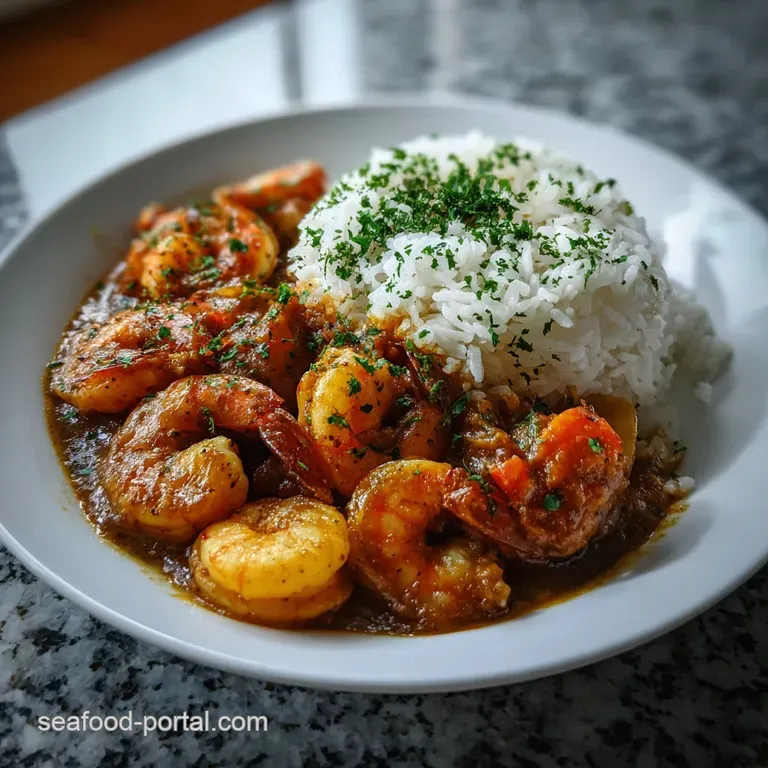
1. Build the Flavor Foundation
Heat 2 tbsp neutral oil in a Lodge Cast Iron Skillet over medium heat. Add 1 large yellow onion (sliced). Sauté12 minutes until mahogany brown and the pungent smell shifts to a deep sweetness.
Note: This is the Maillard reaction in action.
2. Introduce Aromatics
Stir in 1 tbsp minced ginger and 2 cloves minced garlic. Cook2 minutes until fragrant and raw "bite" vanishes.
3. Create the Roux
Add 3 tbsp unsalted butter to the pan. Whisk in 3 tbsp all-purpose flour. Cook5 minutes over medium low heat until the mixture turns the color of a peanut butter cookie and smells nutty.
Note: This "blonde roux" provides thickening power without the bitterness of a dark roux.
4. Toast the Spices
Add 1.5 tbsp Japanese curry powder and 1 tbsp tomato paste. Stir 1 minute until the paste darkens and the spice aroma fills the kitchen.
5. Hydrate the Roux
Pour in 3 cups seafood stock, 1/2 cup at a time. Whisk vigorously after each addition until the sauce is smooth and no lumps remain. Note: Adding liquid slowly prevents starch clumps.
6. Balance the Profiles
Stir in 1 tbsp soy sauce, 1 tbsp ketchup, 1 tsp honey, 0.5 tsp salt, and 0.25 tsp black pepper. Simmer10 minutes until the sauce coats the back of a spoon (nappe consistency).
This stage defines the success of the Easy Authentic Japanese Shrimp Curry Recipe.
7. The Perfect Shrimp Finish
Add 1 lb large shrimp. Simmer3 minutes until the shrimp turn opaque, curl into a "C" shape, and feel firm to a light touch. Note: Do not let them curl into an "O", or they will be tough.
8. Final Resting Phase
Remove from heat. Rest2 minutes until the residual heat finishes the center of the shrimp without drying them out. Achieving this final texture is paramount to a great Easy Authentic Japanese Shrimp Curry Recipe.
Avoiding Rubbery Protein and Broken Emulsions
Why Your Shrimp is Rubbery
When shrimp are exposed to heat above 140°F (60°C) for too long, the actin and myosin proteins contract so tightly they squeeze out all moisture. This results in a texture reminiscent of a pencil eraser.
Many find that understanding the thermal requirements is the key to perfecting this Easy Authentic Japanese Shrimp Curry Recipe.
| Problem | Root Cause | The Fix | Pro Protocol |
|---|---|---|---|
| Rubbery Shrimp | Over denaturation of proteins | Remove from heat 1 minute early | Use "Carryover Cooking" logic. |
| Lumpy Sauce | Liquid added too fast | Whisk in stock gradually | Use a whisk, never a spoon, for roux. |
| Thin/Watery Curry | Under gelatinized starch | Simmer longer without a lid | Reduce liquid by 10% next time. |
Why Your Roux Broke
A broken roux happens when the fat separates from the starch. This usually occurs if the stock is added at a boiling temperature rather than room temperature. To fix a broken sauce, whisk in a "slurry" of 1 tsp cornstarch and 1 tbsp cold water.
This quick fix saves an otherwise ruined batch of what should have been an excellent Easy Authentic Japanese Shrimp Curry Recipe.
Flavor Architecture and Texture Modifications
| Original Ingredient | Substitute | Why It Works |
|---|---|---|
| Seafood Stock | Chicken Stock | Higher gelatin content, but less oceanic flavor. |
| Butter | Coconut Oil | Maintains fat ratio; adds tropical, nutty notes. |
| Shrimp | Firm White Fish | Similar protein structure. Note: Cook 2 mins longer. |
| Honey | Grated Apple | Traditional Japanese method; adds pectin and acidity. |
Garden Vegetable Boost
If you want to add bulk to this Authentic Japanese Shrimp Curry Recipe, steam carrots and potatoes separately before folding them in at step 6. Boiling them in the sauce can release too much starch, making the curry gummy.
dairy-free Option
Replace the butter with an equal amount of neutral oil or vegan butter. Since the creaminess in this recipe comes from the starch fat emulsion (roux) rather than heavy cream, the texture remains largely intact.
This modification ensures the resulting Easy Authentic Japanese Shrimp Curry Recipe is accessible to more dietary needs.
⚗️ The Scaling Lab
When doubling this Authentic Japanese Shrimp Curry Recipe for a crowd, standard math fails. Follow these physics based protocols:
- The Evaporation Paradox: If you double the stock to 6 cups but use the same width pot, the surface area remains the same. The liquid won't evaporate fast enough, leaving you with a watery mess. Reduce stock to 5.25 cups to maintain the correct viscosity.
- Flavor Saturation: Do not double the salt or spices immediately. Spices like ginger and curry powder scale at roughly 1.5x. Taste at step 6 and adjust.
- Thermal Mass: Doubling the shrimp (2 lbs) in one pan will drop the sauce temperature instantly. This causes the shrimp to "steam" in lukewarm liquid rather than poach. Cook the shrimp in two batches to maintain the simmer.
Moisture Retention and Structural Integrity Protocols
- Fridge Storage: Store in an airtight container for up to 2 days. The shrimp will continue to absorb salt, so the flavor may intensify.
- Freezing: Not recommended. The shrimp texture turns "mealy" upon thawing, and the roux based sauce can separate (syneresis).
- Reheating: Use a small saucepan over low heat. Add 2 tbsp of water or stock to loosen the starch network. Do not microwave on high, or the shrimp will toughen instantly.
💡 ZERO WASTE PHILOSOPHY: Don't discard shrimp shells. Transform: Simmer them in the 3 cups of seafood stock for 15 minutes before starting the recipe.
Science: This extracts extra glucosamine and glutamate, doubling the umami depth of your base liquid.
Traditional Pairings and Modern Presentation
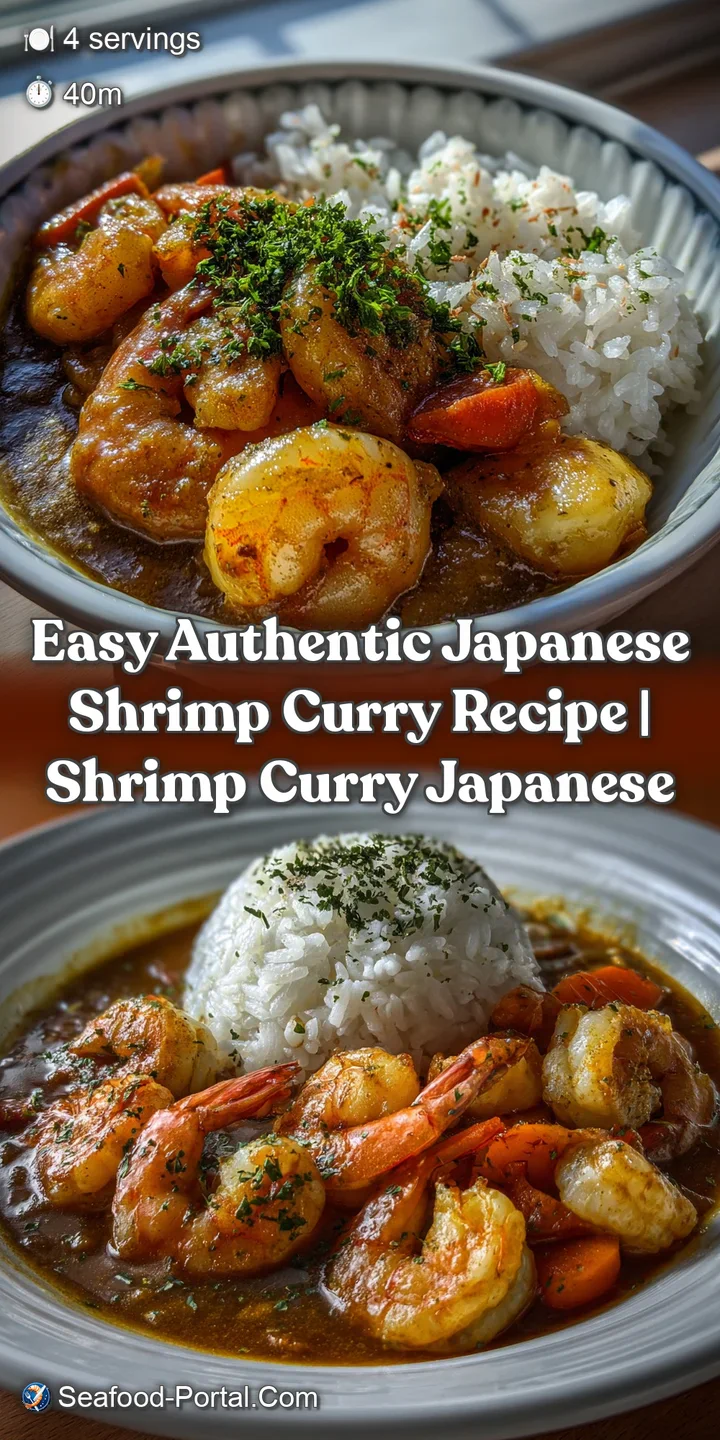
The classic way to enjoy this Shrimp Curry Recipe is over short grain Japanese rice (Koshihikari). The starch on the rice clings to the velvety sauce, creating a perfect bite. For a modern twist, serve it over cauliflower rice for a lower carb profile that still absorbs the sauce beautifully.
If you enjoy the snap of perfectly cooked seafood in this curry, you'll find the texture profile very similar to a well executed Shrimp Lo Mein Recipe, where heat management is equally vital.
Common Myths
- Myth: You must use store-bought curry roux blocks for "authenticity."
- Truth: Roux blocks are convenient, but they contain high amounts of palm oil and MSG. Making your own roux with butter and flour allows for better flavor control and a cleaner mouthfeel.
- Myth: Boiling shrimp for a long time makes them tender.
- Truth: Prolonged boiling causes protein fibers to shrink and harden. Shrimp only need 3 4 minutes of total heat exposure to be safe and succulent.
This Easy Authentic Japanese Shrimp Curry Recipe is more than just a meal; it's a lesson in the delicate balance of aromatics and emulsions. By respecting the temperature and the science of the roux, you’ve moved beyond "following a recipe" and into the territory of culinary mastery.
Enjoy the sizzle of making your own Easy Authentic Japanese Shrimp Curry Recipe!
Recipe FAQs
Can I make this recipe ahead of time?
No. Store in airtight container for up to 2 days. Shrimp texture degrades badly upon thawing, and the roux based sauce can separate when frozen solid. Reheat gently on the stovetop using low heat.
What substitutes the seafood stock for a richer flavor?
Use chicken stock for higher gelatin content. While the oceanic flavor decreases, the increased collagen in chicken stock aids sauce viscosity. If you prefer a deeply savory, slow cooked profile, explore making a Rich, Smoky Southern Stew with Traditional Dark Roux which utilizes deep fat extraction for body.
Why did my sauce separate after I added the shrimp?
Sauce separated due to insufficient whisking during roux hydration. Adding stock too fast prevents the starch molecules from fully suspending in the fat matrix, leading to protein fat dissociation.
- Ensure stock is room temperature
- Whisk roux vigorously before adding liquid
- Add liquid in small increments
Should I use salted or unsalted butter?
Unsalted butter for precision control. Salted brands vary widely in sodium concentration, making it impossible to accurately balance the soy sauce later. Unsalted allows you to adjust seasoning based on the flavor profile of your stock.
Can I use pre-cooked shrimp instead?
No. Pre-cooked shrimp will become rubbery. Adding already cooked protein to simmering sauce subjects it to extended heat, causing irreversible myofibril contraction and dryness. Use raw shrimp to finish the dish quickly.
Is using ketchup truly traditional?
Myth: Ketchup is a modern, inauthentic American addition. Reality: Ketchup (or Worcestershire sauce) is used in many Japanese curry bases to introduce necessary acidity and pectin for glossiness, balancing the heavy roux.
How do I adjust the spice level?
Reduce curry powder by half for milder flavor. The primary heat component comes from the curry blend; avoid adding cayenne, which shifts the flavor profile away from traditional Japanese warmth.
If you enjoy balancing heat with fat, review the technique for combining rich sauces in our Shrimp and Gnocchi: 33-Minute Meal with Lemon Brown Butter Sauce, which relies on controlled fat dispersion.
Easy Japanese Shrimp Curry

Ingredients:
Instructions:
Nutrition Facts:
| Calories | 325 kcal |
|---|---|
| Protein | 25.4 g |
| Fat | 17.8 g |
| Carbs | 14.2 g |
| Fiber | 1.8 g |
| Sugar | 6.1 g |
| Sodium | 780 mg |
